Last updated: October 4, 2026
- Why Order Matters in Korean Skincare
- The Korean Skincare Routine Order — All Steps Explained
- Morning Routine Order vs Night Routine Order
- How to Layer Multiple Serums and Actives
- Beginner’s Simplified 3-Step Routine
- Common Mistakes in Korean Skincare Routine Order
- Frequently Asked Questions
- Conclusion
- Related Articles
- Related Guides
As an Amazon Associate we earn from qualifying purchases at no extra cost to you.





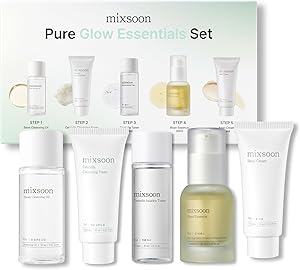
Korean Skincare Routine Order: The Complete Step-by-Step Guide (2026)
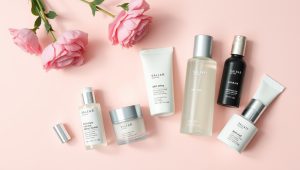
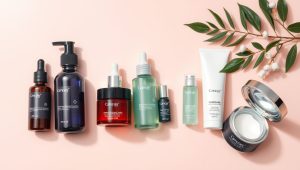
The Korean skincare routine order isn’t arbitrary. Every step is sequenced to maximize absorption, respect skin pH, and ensure each product can do its job without interference. Get the order wrong and your expensive serum may barely penetrate — or worse, you could pill products and compromise your skin barrier. This guide walks you through every step of the full Korean routine, explains the science behind the sequence, and gives you product recommendations you can find on Amazon today.
🛒 Best Price Today on Amazon
Prime members get fast, free shipping on everything above, plus member-only deals. New members get a 30-day free trial — cancel anytime.
Why Order Matters in Korean Skincare
Three principles govern Korean skincare layering:
pH Matters
Your skin’s natural pH is around 4.5–5.5 (slightly acidic). Cleansers temporarily raise pH; actives like AHAs and BHAs work best at a low pH (3–4). Applying a high-pH product over a low-pH active neutralizes the acid and reduces efficacy. This is why toners come before serums — they help restore skin pH for optimal ingredient performance.
Absorption Hierarchy: Thinnest to Thickest
Products should be layered from thinnest consistency to thickest. Watery essences and toners penetrate quickly. Rich creams and occlusive oils create a physical barrier. If you apply cream first, serums can’t penetrate through the film. Always layer: water-based → oil-based → occlusive.
Occlusion Last
The final step seals everything in. Moisturizers (in AM) and sleeping masks (in PM) act as occlusive barriers that slow trans-epidermal water loss and lock active ingredients against the skin surface.
The Korean Skincare Routine Order — All Steps Explained
Step 1: Oil Cleanser (AM Optional / PM Essential)
What it does: Dissolves sunscreen, makeup, sebum, and oil-based impurities. The oil-on-oil principle means it lifts what water alone cannot.
When to use: Every evening. Optional in the morning if your skin feels congested or you prefer a fresh start — otherwise, a splash of water suffices.
Recommended: Anua Heartleaf Pore Control Cleansing Oil →
Step 2: Water-Based Cleanser (AM & PM)
What it does: Removes sweat, water-based impurities, and any residue left from the oil cleanser. This is the “second cleanse” in the famous Korean double-cleansing method.
When to use: Every morning and evening. Use a gentle, low-pH formula that won’t strip the barrier.
Recommended: COSRX Low pH Good Morning Gel Cleanser →
Step 3: Exfoliator (2–3x Per Week)
What it does: Removes dead skin cells that accumulate on the surface, allowing subsequent products to penetrate more effectively. Korean skincare favors gentle chemical exfoliants (AHAs, BHAs, PHAs) over physical scrubs, which can cause micro-tears.
When to use: PM only, 2–3 times per week maximum. Always follow with toner and moisturizer. Never use on the same evenings as strong actives (retinol, vitamin C).
Recommended: Some By Mi AHA BHA PHA 30 Days Miracle Toner →
Step 4: Toner (AM & PM)
What it does: Korean toners are nothing like Western astringents. They are hydrating, pH-balancing liquids that prep the skin for the next steps and deliver the first layer of hydration.
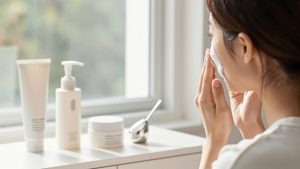
When to use: Every morning and evening after cleansing. Pat gently into skin with clean hands — don’t rub with a cotton pad, which wastes product.
Recommended: Pyunkang Yul Moisture Toner →
Step 5: Essence (AM & PM)
What it does: The essence is a uniquely Korean invention — lighter than a serum but more concentrated than a toner. Essences typically focus on hydration, brightening, and skin-cell turnover. They represent the heart of the Korean routine.
When to use: After toner, every morning and evening. Press gently into skin with palms.
Recommended: Beauty of Joseon Glow Serum: Propolis + Niacinamide →
Step 6: Serum / Ampoule (AM & PM)
What it does: Serums and ampoules are the most concentrated active-ingredient delivery systems in the routine. Target specific concerns here: brightening (Vitamin C), anti-aging (retinol, peptides), or hydration (hyaluronic acid). Ampoules are essentially high-potency serums for short-term intensive treatment.
When to use: After essence. In the AM, use antioxidant serums (Vitamin C). In the PM, use retinol, peptides, or repair serums. Apply to slightly damp skin for better absorption.
Recommended AM: Beauty of Joseon Glow Serum (Vitamin C) →
Recommended PM: COSRX Advanced Snail 96 Mucin Power Essence →
Step 7: Sheet Mask (2–3x Per Week, PM)
What it does: Sheet masks deliver a concentrated dose of serum-soaked actives under occlusion — the film creates a humid environment that drives ingredients deeper into the skin. They’re particularly effective for hydration boosts and skin repair.
When to use: PM, 2–3 times per week. Leave on for 15–20 minutes. Don’t rinse — pat remaining essence into skin and proceed with moisturizer.
Recommended: Anua Heartleaf Soothing Sheet Mask →
Step 8: Eye Cream (AM & PM)
What it does: The skin around the eyes is the thinnest and most delicate on the face. Eye creams deliver targeted hydration and actives (caffeine, peptides, retinol) to address puffiness, dark circles, and fine lines without the heavier texture of face moisturizers.
When to use: Before moisturizer. Use your ring finger to gently tap — never rub — around the orbital bone.
Recommended: Laneige Water Bank Eye Gel →
Step 9: Moisturizer (AM & PM)
What it does: Seals in all previous layers and provides the skin barrier with lipids, humectants, and emollients. In the AM, choose a lighter formula that sits well under sunscreen. In the PM, you can use a richer cream to support overnight repair.
When to use: Every morning and evening. Apply while skin is still slightly damp from previous steps.
Recommended AM: Beauty of Joseon Dynasty Cream →
Recommended PM: COSRX Ultimate Nourishing Rice Overnight Spa Mask →
Step 10: Sunscreen (AM Only) / Sleeping Mask (PM Only)
Sunscreen (AM): The single most important skincare step. Apply as the very last step in your morning routine. Use at least SPF30 PA+++ daily — SPF50+ PA++++ for maximum protection. Reapply every 2 hours under sun exposure.
Recommended: Beauty of Joseon Relief Sun SPF50+ PA++++ →
Sleeping Mask (PM): A sleeping mask (also called a sleep pack) is a thick, occlusive gel-cream worn overnight that seals in your entire routine while you sleep. Unlike sheet masks, it stays on all night and is rinsed off in the morning.
Recommended: Laneige Water Sleeping Mask →
Morning Routine Order vs Night Routine Order
| Step | Morning (AM) | Evening (PM) |
|---|---|---|
| 1 | Water-based cleanser (or just water) | Oil cleanser |
| 2 | Toner | Water-based cleanser |
| 3 | Essence | Exfoliator (2–3x/week) |
| 4 | Antioxidant serum (Vitamin C) | Toner |
| 5 | Eye cream | Essence |
| 6 | Moisturizer (light) | Treatment serum (retinol/peptides) |
| 7 | Sunscreen SPF50+ | Sheet mask (2–3x/week) |
| 8 | — | Eye cream |
| 9 | — | Moisturizer (richer) |
| 10 | — | Sleeping mask (optional) |
How to Layer Multiple Serums and Actives
When using more than one active ingredient, sequencing and compatibility matter:
- Thinnest to thickest: Apply the most watery serum first, then progressively thicker ones.
- pH-sensitive actives first: Vitamin C (low pH) should go before niacinamide or hyaluronic acid serums.
- Wait between actives: Allow 30–60 seconds between each serum layer for absorption.
- Don’t mix these in the same routine:
- Retinol + AHA/BHA (too irritating)
- Vitamin C + Niacinamide (can cause flushing in high concentrations — fine in most modern formulas)
- Benzoyl Peroxide + Retinol (cancels efficacy)
- Alternate nights: Use retinol on nights you skip exfoliation. Use AHA/BHA on nights you skip retinol.
Beginner’s Simplified 3-Step Routine
Overwhelmed by 10 steps? Start here. Build the habit first, then layer in more steps gradually.
- Cleanser: COSRX Low pH Good Morning Gel Cleanser →
- Moisturizer: Pyunkang Yul Moisture Cream →
- Sunscreen (AM): Beauty of Joseon Relief Sun SPF50+ →
These three steps — cleanse, moisturize, protect — form the non-negotiable foundation of skin health. Once this is consistent (2–4 weeks), add a toner, then an essence, then serums one at a time.
Common Mistakes in Korean Skincare Routine Order
- Applying sunscreen before moisturizer: Sunscreen is always last in the AM routine. Applying moisturizer over sunscreen dilutes the SPF film and reduces protection.
- Skipping double cleansing: A water-based cleanser alone cannot fully remove sunscreen or silicone-based makeup. Oil cleansers are essential for thorough cleansing.
- Using toner on a cotton pad: This wastes 30–50% of the product. Pat toner directly into skin with clean hands.
- Mixing incompatible actives on the same night: Retinol and AHA/BHA used together dramatically increases irritation risk. Alternate instead.
- Applying rich creams before serums: Occlusive layers block serum absorption. Always thin-to-thick.
- Rubbing instead of patting: Rubbing creates friction that can irritate skin and reduce product efficacy. Pat and press gently.
- Skipping sunscreen on cloudy days: Up to 80% of UV radiation penetrates clouds. Daily SPF is non-negotiable year-round.
Frequently Asked Questions
Can I skip steps in the Korean skincare routine?
Yes — and you should if you’re a beginner or short on time. The double cleanse, toner, moisturizer, and sunscreen are the core steps. Sheet masks, essences, and sleeping masks are enhancement steps you add as your routine matures. Never skip cleanser and sunscreen.
Does the Korean routine work for acne-prone skin?
Absolutely. The Korean approach emphasizes barrier repair and gentle hydration, which is exactly what acne-prone skin needs. Focus on centella asiatica, niacinamide, and low-pH cleansers. Avoid heavy oils and comedogenic ingredients. Products from COSRX, Purito, and Anua are well-suited for acne-prone skin.
Should I use a sleeping mask every night?
No. 2–3 nights per week is sufficient for most people. Using a sleeping mask every night can be too occlusive for oily skin and may trap impurities. On other nights, a regular moisturizer is enough. Always cleanse thoroughly in the morning after wearing a sleeping mask overnight.
How long before I see results from a Korean skincare routine?
Skin cell turnover takes approximately 28 days, so expect to follow a consistent routine for at least 4–6 weeks before judging results. Hydration improvements are often noticeable within 1–2 weeks. Brightening and pore refinement take 4–8 weeks. Significant anti-aging results may take 3–6 months of consistent use.
Conclusion
The Korean skincare routine order is a system — not a checklist. Each step prepares the skin for the next, ensuring maximum efficacy from every product you apply. Start with the basics, build your tolerance for actives gradually, and remember that consistency outweighs perfection. A simple 3-step routine done every day beats a 10-step routine done twice a week. Shop our recommended products through the Amazon links in this guide and find what works for your skin’s unique needs.
Related K-Beauty Guides
- Skincare Routine for Beginners: The Complete Step-by-Step Guide
- Best Sunscreen Reapplication Sprays: On-the-Go UV Protection Refresh
- Best Face Steamers for Skincare: Deep Cleanse and Hydrate Your Skin
- Best Derma Rollers for Microneedling: Stimulate Collagen at Home
- Best Face Massage Rollers: Sculpt, Depuff, and Boost Glow
- Best Jade Rollers for Face: Cooling, Depuffing, and Skin-Boosting Benefits
- Best Gua Sha Face Tools: Ancient Ritual for Modern Skin Benefits