TL;DR: Korean dry skin essentials focus on ceramide-rich moisturizers, humectant-heavy toners, and occlusives to seal hydration. The key INCI trio: Ceramide NP, Sodium Hyaluronate, and Squalane. Build a 4–5 step routine centered on layering water, then oil-based moisture.
Korean Dry Skin Essentials: The Complete Hydration Routine and Ingredient Guide
Dry skin isn’t just a surface inconvenience — it’s a compromised skin barrier. Korean dermatology classifies dry skin by the underlying cause: ceramide deficiency, impaired Aquaporin-3 (AQP3) channel function, or insufficient Natural Moisturizing Factor (NMF) production. This guide covers the korean dry skin essentials that address all three mechanisms, from the INCI level up to full routine sequences.
Top Picks at a Glance

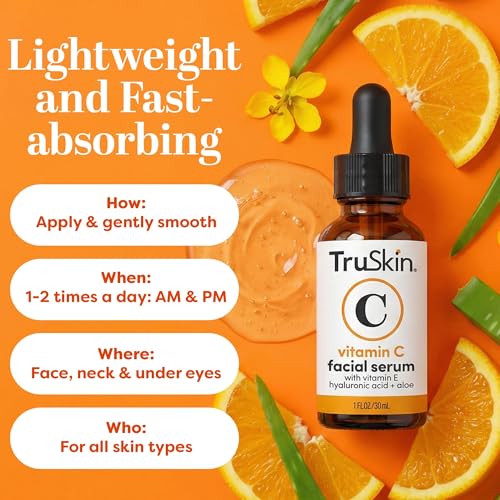
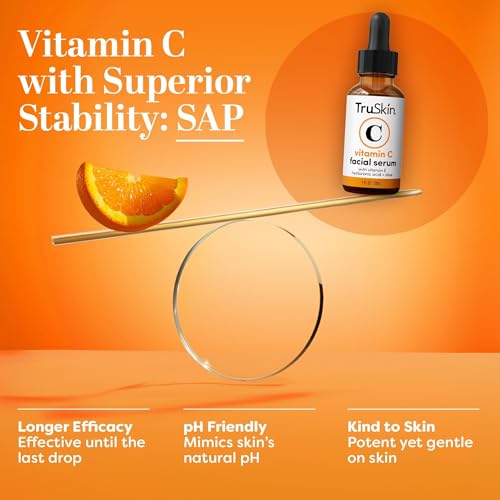
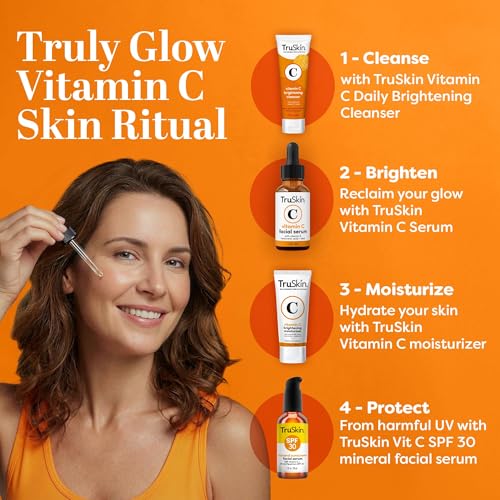
Prime TruSkin Vitamin C Serum for Face - Anti Aging Face Serum with Hyaluronic Acid & Vitamin E - Brightening Formula for Improving Appearance of Dark Spots, Fine Lines & Wrinkles - All Skin Types, 1 fl oz
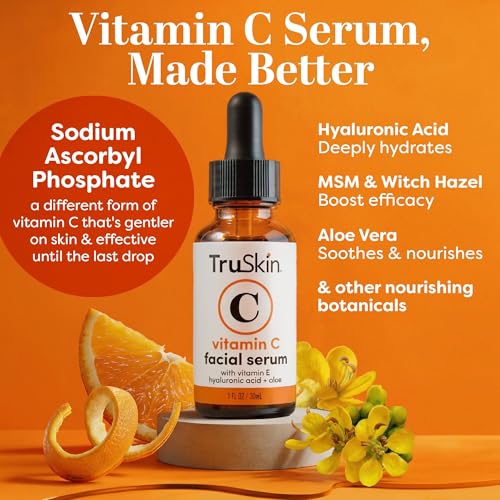

As an Amazon Associate we earn from qualifying purchases. Product prices and availability are accurate as of the date/time indicated.

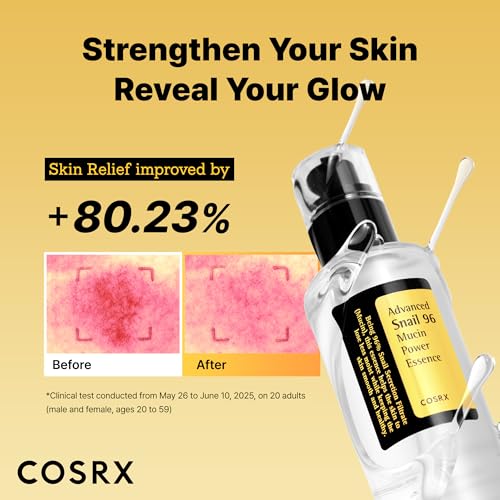
Prime COSRX Snail Mucin 96% Repairing Serum, Hydrating Serum for Face with Snail Secretion Filtrate for Dull Skin & Fine Lines, 100ml, Korean Skin Care
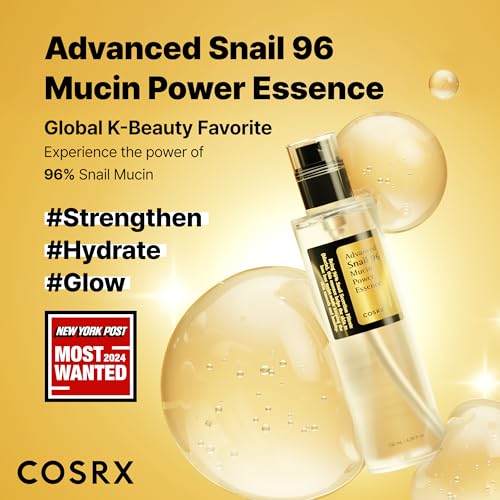
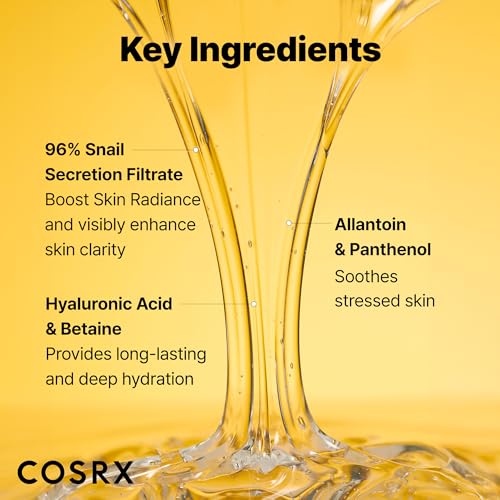
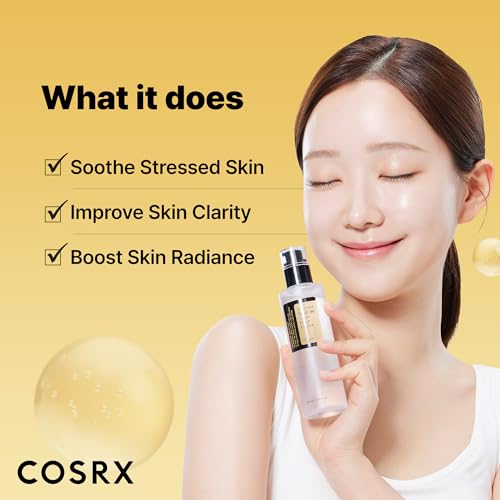
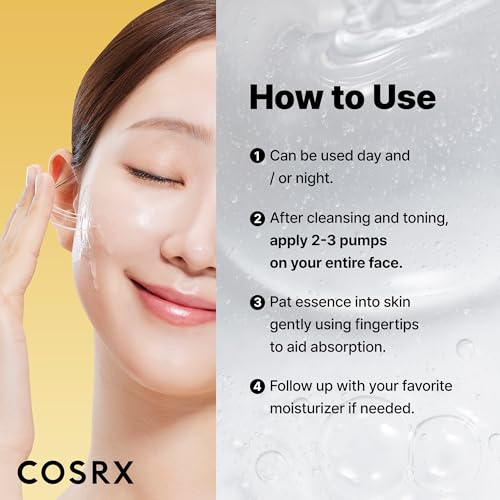
As an Amazon Associate we earn from qualifying purchases. Product prices and availability are accurate as of the date/time indicated.

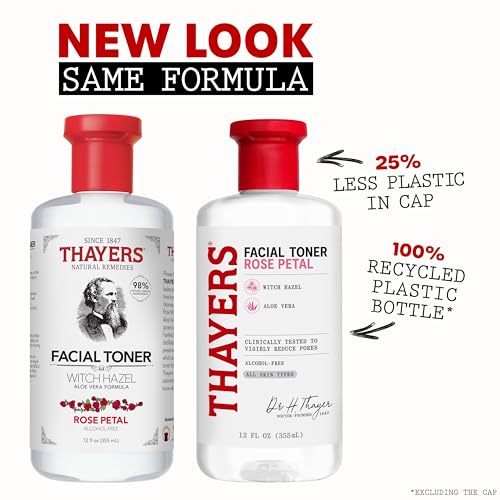
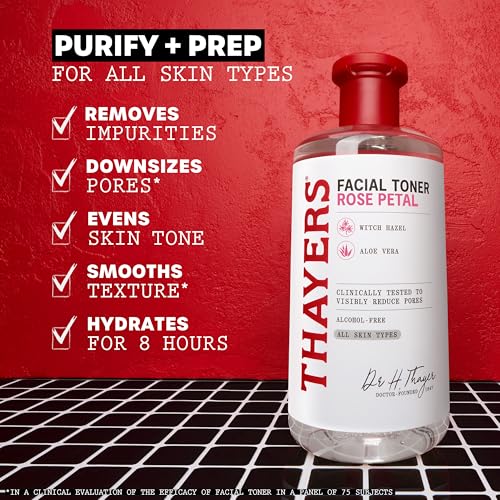
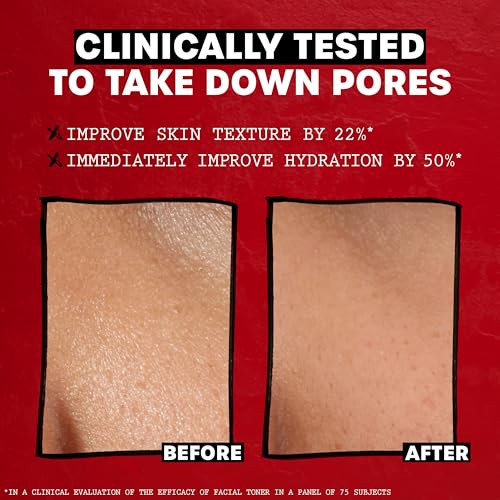
Prime THAYERS Alcohol-Free Rose Petal Witch Hazel Facial Toner for Glowing Skin, Soothing, Hydrating, Refreshing Toner for All Skin Types, 12oz (Packaging May Vary)
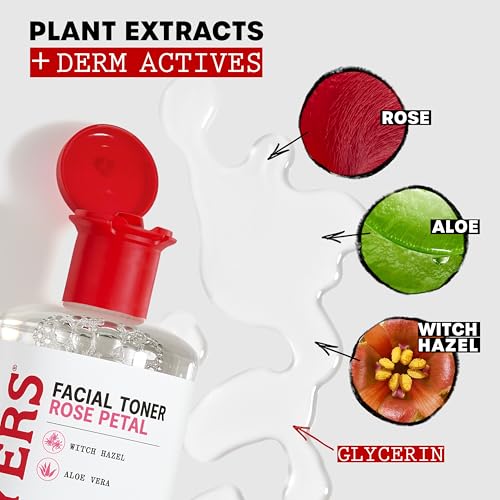
As an Amazon Associate we earn from qualifying purchases. Product prices and availability are accurate as of the date/time indicated.
Understanding Dry Skin at the Barrier Level
The stratum corneum (outermost skin layer) functions as a “brick and mortar” structure: corneocytes (bricks) embedded in a lipid matrix (mortar) of Ceramides (50%), Cholesterol (25%), and Free Fatty Acids (15%). When ceramide levels fall below threshold — from aging, over-cleansing, low humidity, or genetic ichthyosis — transepidermal water loss (TEWL) spikes and dryness becomes chronic.
Korean formulation science addresses this with multi-weight Hyaluronic Acid (high, medium, low molecular weight in one serum), ceramide complexes replicating the 1:1:1 Ceramide/Cholesterol/FFA ratio, and humectant-to-occlusive layering — a technique we break down in the Korean barrier repair guide.
Morning Routine for Dry Skin
- Cream or oil cleanser — skip foaming cleansers in the morning. A hydrating cleansing milk (Cetearyl Alcohol, Glycerin base) or simply rinse with lukewarm water preserves overnight sebum.
- Hydrating essence/first toner — fermented essences rich in Galactomyces Ferment Filtrate or Bifida Ferment Lysate deliver beta-glucan and peptides that stimulate barrier lipid synthesis. See our guide on Korean fermented essence and Galactomyces.
- Hyaluronic Acid serum — apply to damp skin. Look for multi-weight HA: Sodium Hyaluronate (low MW, penetrates epidermis) + Hyaluronic Acid (high MW, surface film). Our best Korean hyaluronic acid serum guide covers top options.
- Rich ceramide moisturizer — Ceramide NP + AP + EOP blend with Cholesterol and Fatty Acids. Panthenol or Allantoin accelerates barrier repair. Detailed breakdown in our best Korean moisturizer 2026 roundup.
- SPF 50 PA++++ — cream-formula sunscreens suit dry skin better than gel types; look for Ethylhexyl Methoxycinnamate + Titanium Dioxide hybrid filters with emollient bases.
Evening Routine for Dry Skin
- Balm or oil cleanser — Caprylic/Capric Triglyceride or Sunflower Seed Oil-based cleansing balm removes makeup without stripping. Full method: Korean double cleansing method.
- Creamy low-pH cleanser — pH 5.0–6.0 cream cleanser preserves the acid mantle.
- Essence + serum layer — apply essence (watery), then a richer serum. For dry skin, a Peptide serum (Palmitoyl Tripeptide-1, Palmitoyl Tetrapeptide-7) stimulates collagen and Ceramide synthesis overnight. See peptide Korean skincare for anti-aging.
- Sleeping mask or rich night cream — the classic K-beauty sleeping pack uses Hyaluronic Acid + Niacinamide + Squalane under a semi-occlusive Polyquaternium film. Apply as the final step.
- Optional face oil — Rosehip Oil (Linoleic Acid 40–50%), Marula Oil (Oleic Acid 70–78%), or Squalane seal the moisture sandwich. Apply over moisturizer, not beneath.
Essential INCI Ingredients for Dry Skin
| Ingredient (INCI) | Role in Dry Skin | Effective Range |
|---|---|---|
| Ceramide NP / AP / EOP | Barrier lipid replenishment | 0.01–1% (mix of all three) |
| Sodium Hyaluronate | Humectant, binds 1000x its weight in water | 0.1–2% |
| Glycerin | Draws moisture from dermis to epidermis | 5–15% |
| Squalane | Lightweight occlusive, replenishes skin Squalene | 1–5% |
| Panthenol (Vit B5) | Accelerates barrier repair, anti-inflammatory | 0.5–5% |
| Madecassoside / Asiaticoside | Stimulates Ceramide synthesis via Collagen IV pathway | 0.1–2% |
| Galactomyces Ferment Filtrate | Beta-glucan, brightening, barrier support | 30–95% |
Panthenol (Provitamin B5) is particularly valuable for dry skin — it’s a precursor to Coenzyme A and participates in fatty acid synthesis at the barrier level. Full analysis in our panthenol and Vitamin B5 Korean skincare post.
Winter Dry Skin Adjustments
In low-humidity environments below 30% RH, Glycerin draws moisture from the dermis rather than the air — a desiccating effect. Counter this by adding an occlusive layer (Petrolatum, Squalane, or Dimethicone) over Glycerin-heavy products. Our seasonal guide covers this fully: Korean skincare winter dry skin routine adjustments.

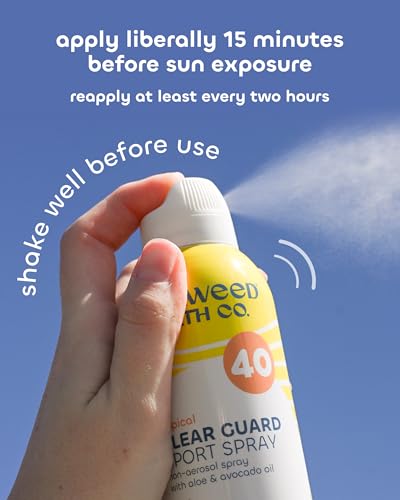
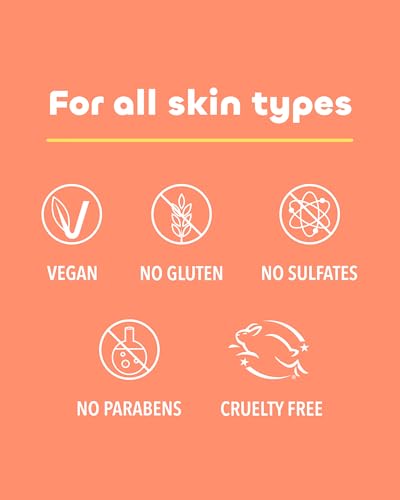
Prime Seaweed Bath Co. Clear Guard SPF 40 Sport Broad Spectrum Sunscreen - Quick Dry, Air-Powered Spray - Natural Tropical Scent - With Sustainably Harvested Seaweed, Aloe, Avocado Oil - 6 oz


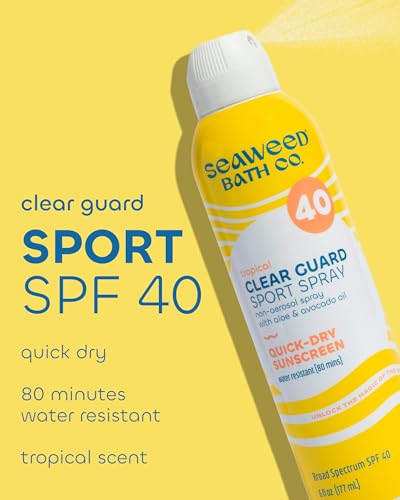
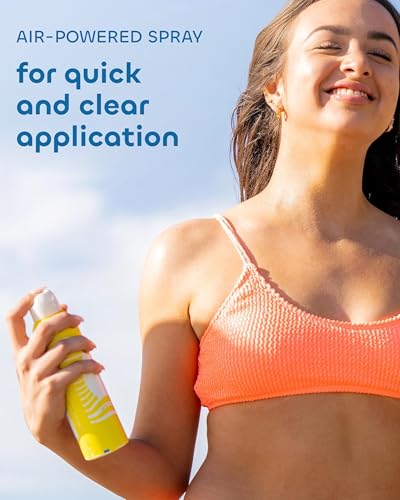
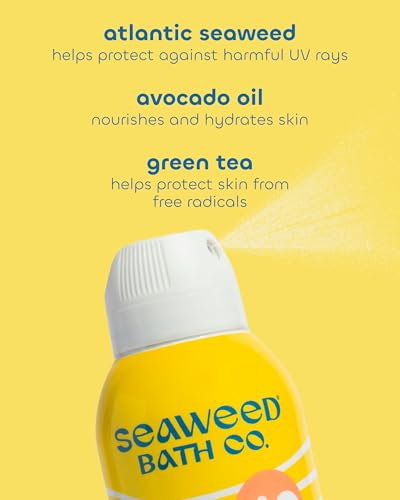
As an Amazon Associate we earn from qualifying purchases. Product prices and availability are accurate as of the date/time indicated.

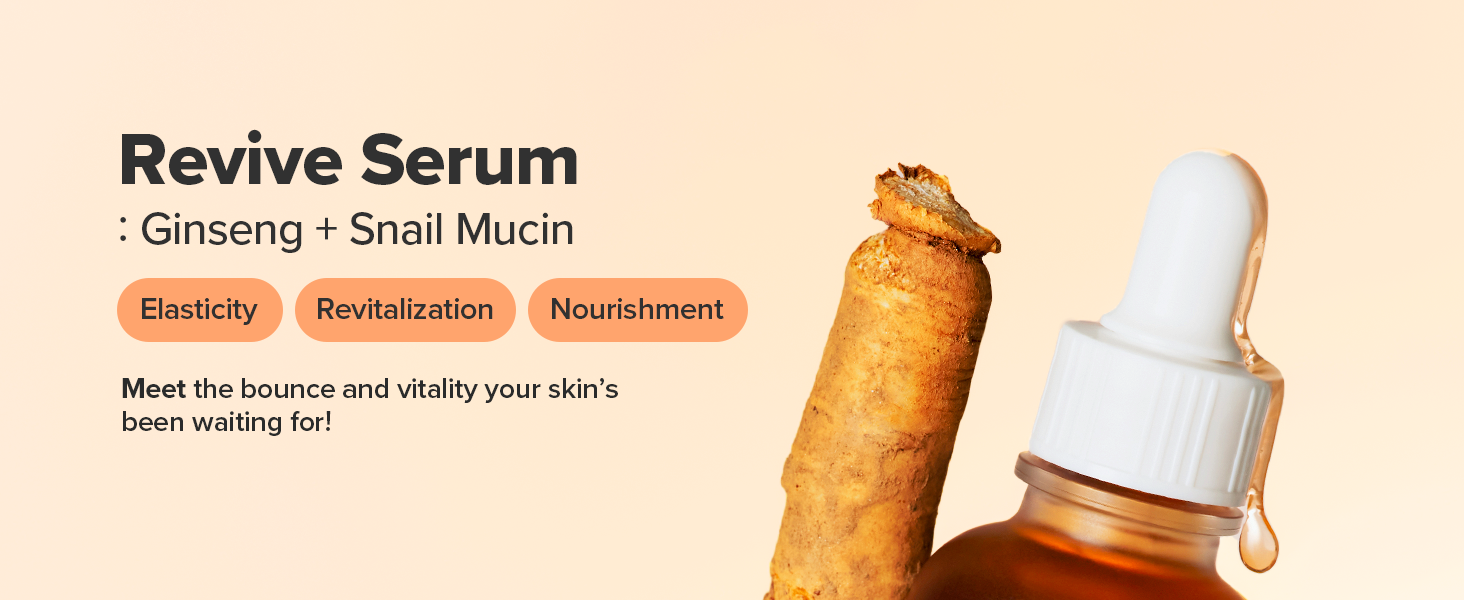
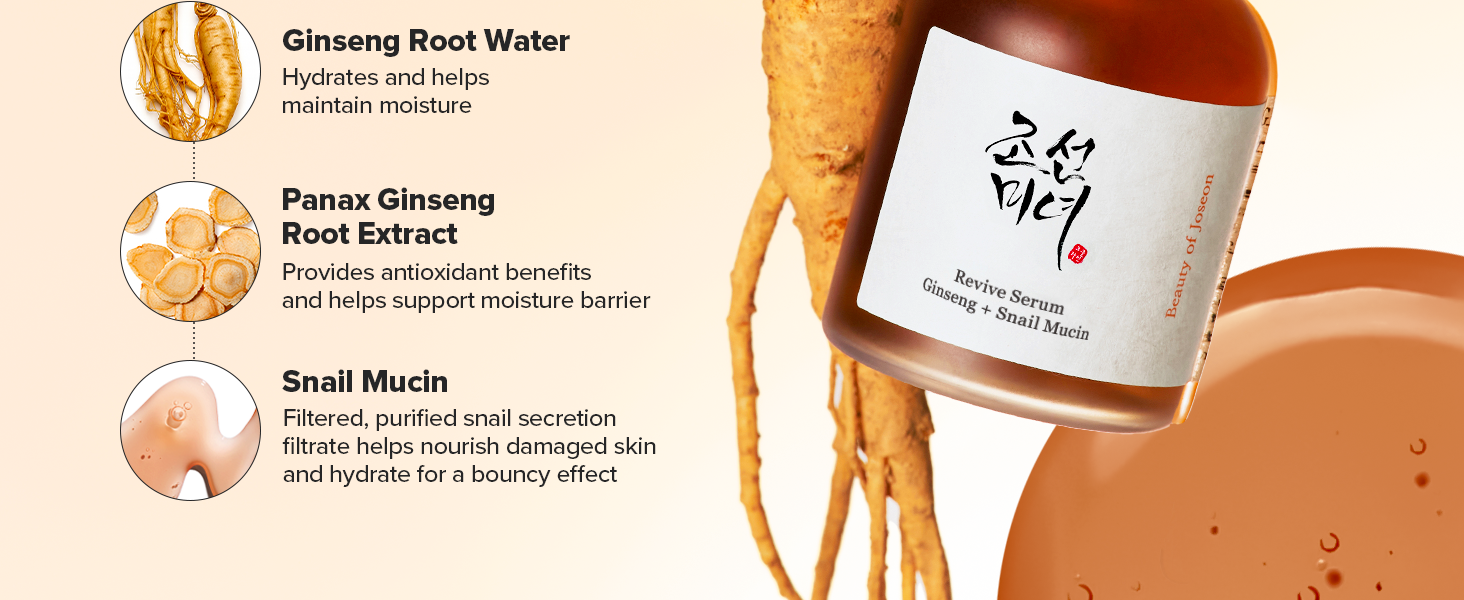
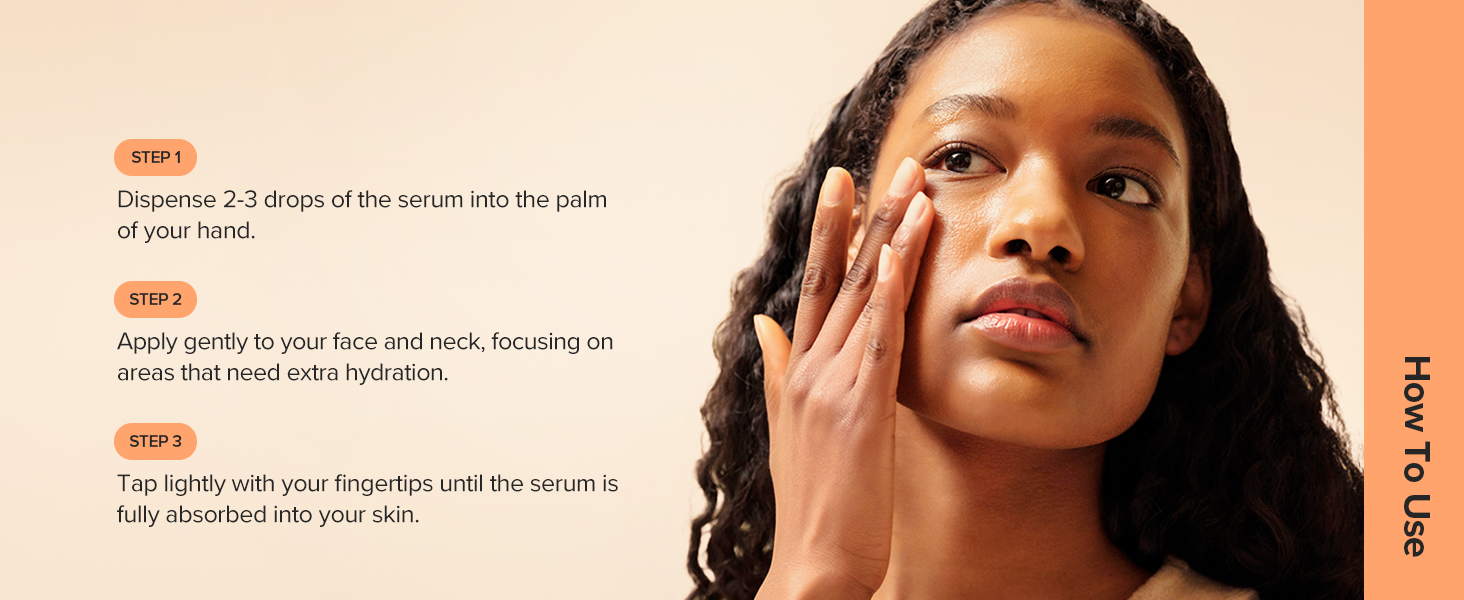
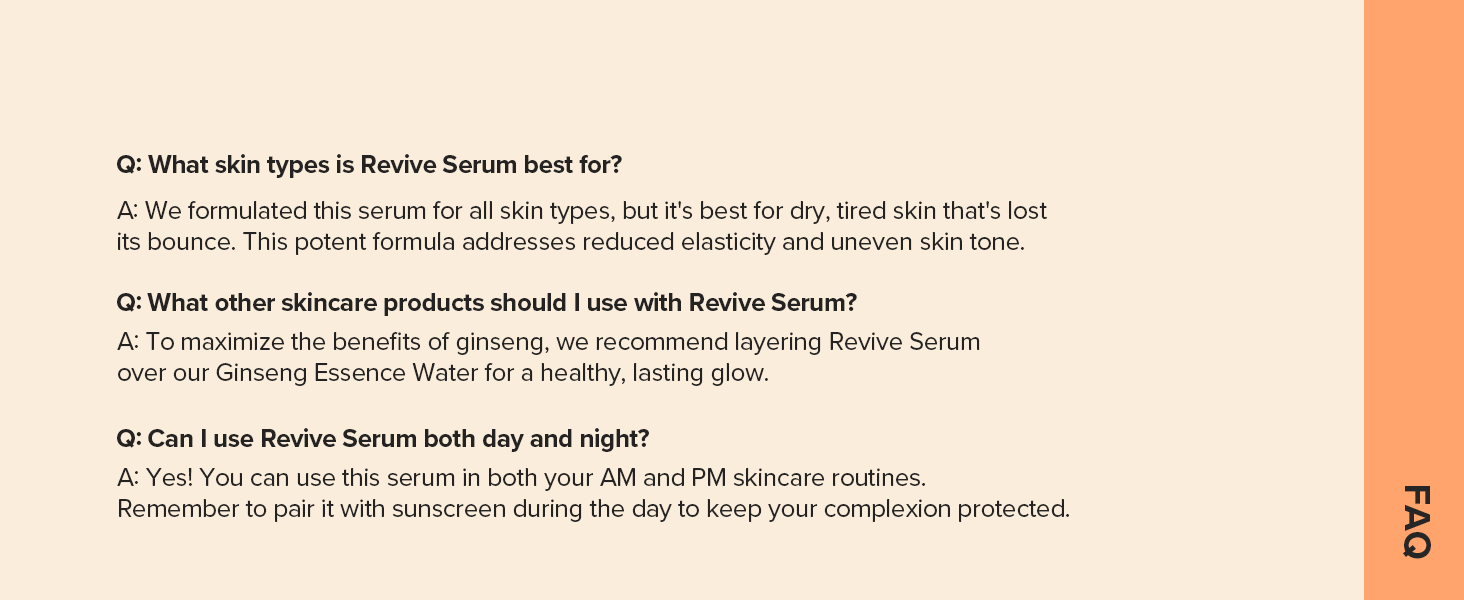
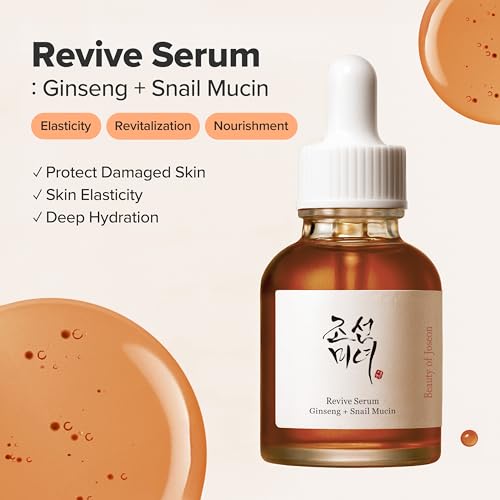
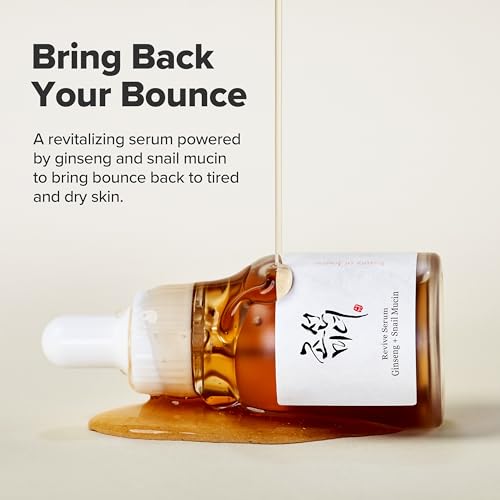
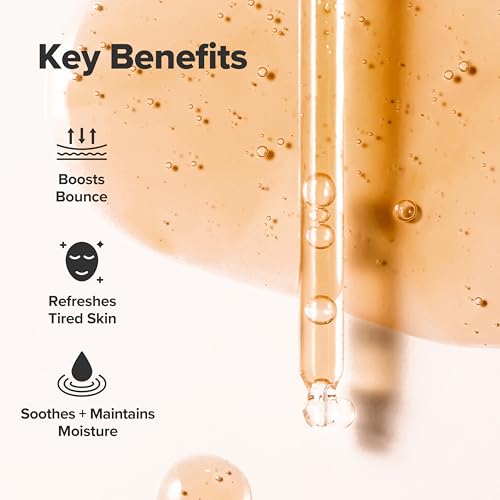
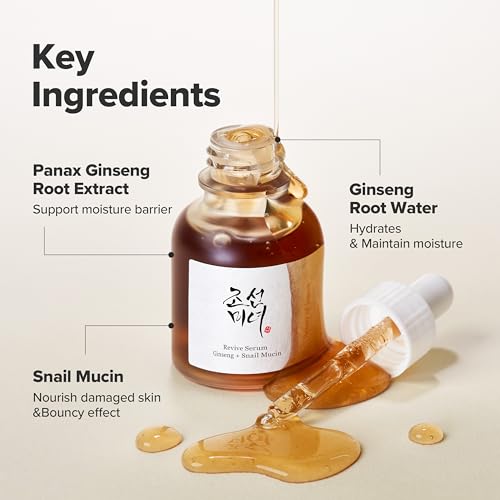
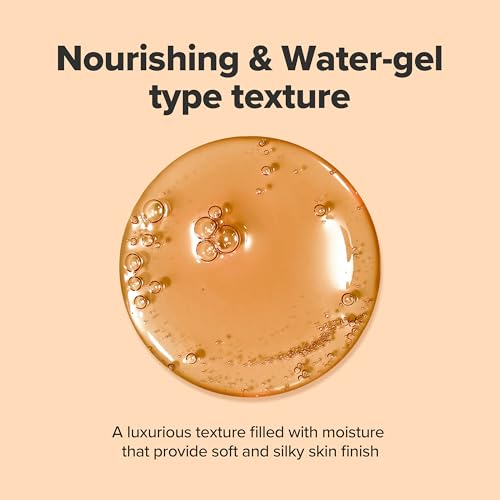
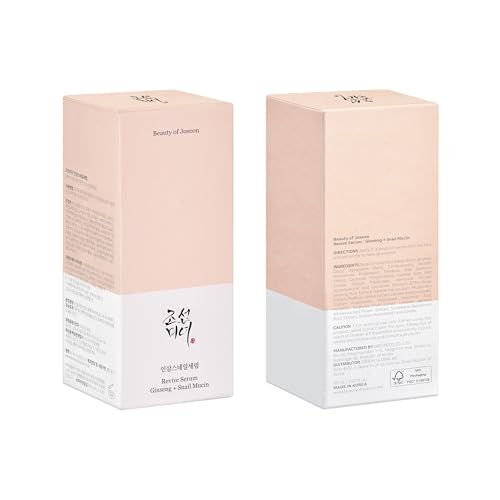
Prime Beauty of Joseon Revive Snail Mucin Ginseng Serum Hydrating Peptide Facial Moisturizer Dark Spot Acne Scar Remover for Sensitive Face. Korean Skin Care for Men and Women (2 Fl.Oz.)


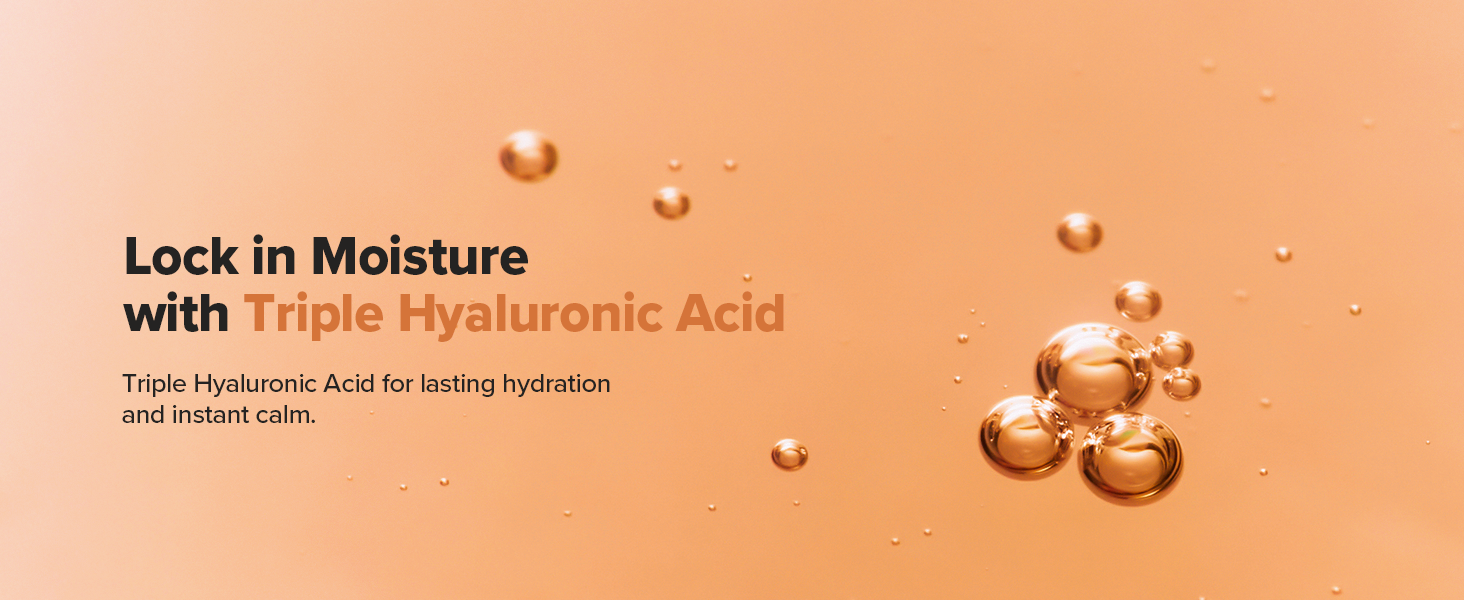
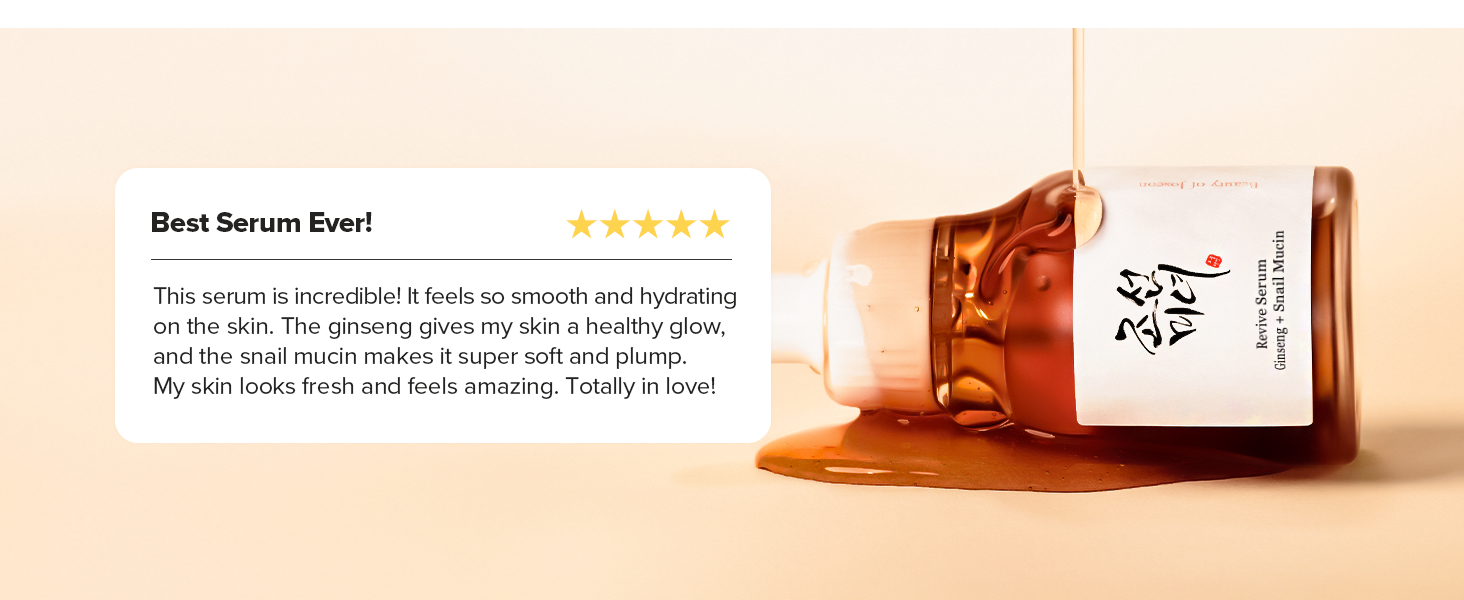
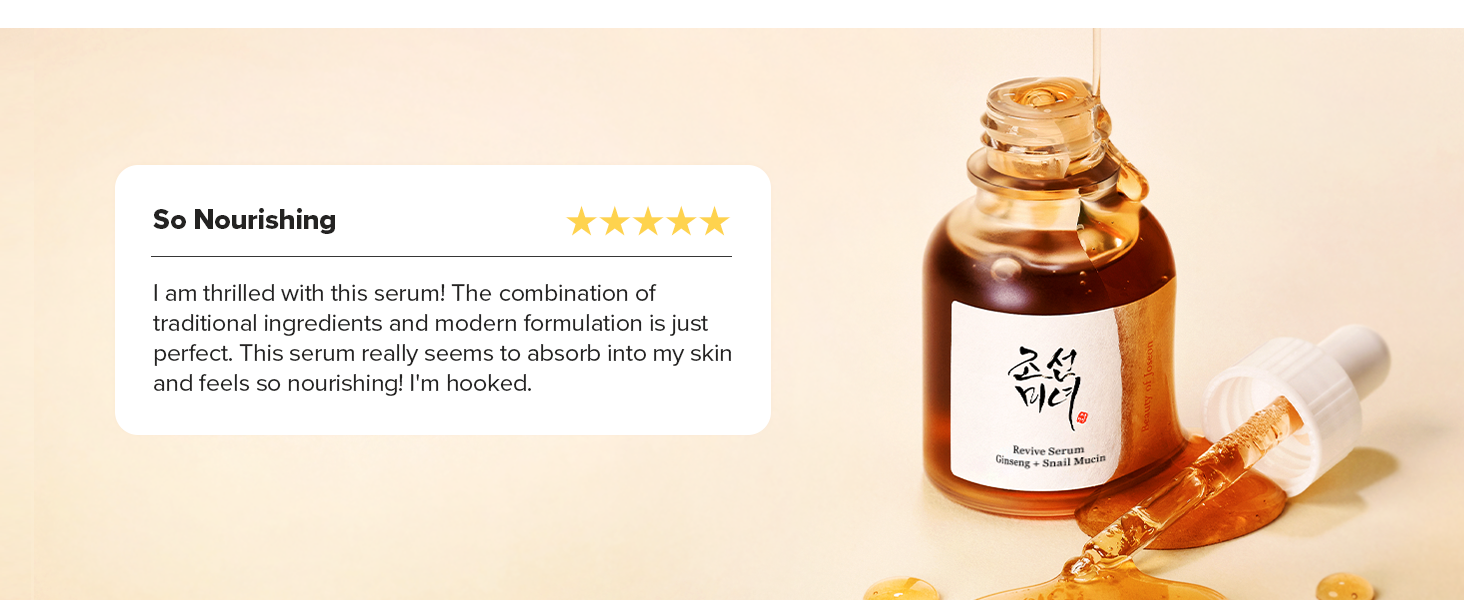
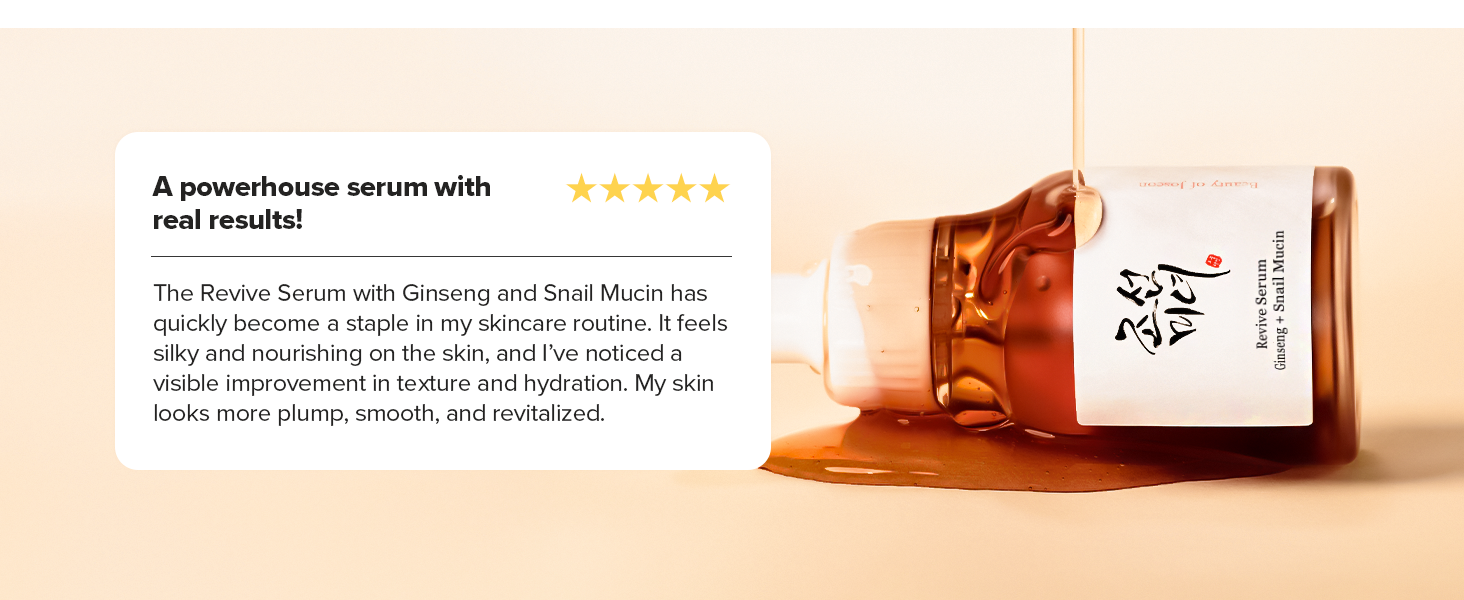


As an Amazon Associate we earn from qualifying purchases. Product prices and availability are accurate as of the date/time indicated.
Frequently Asked Questions
What are the most important Korean skincare products for dry skin?
In order of clinical impact: (1) a Ceramide-containing moisturizer to repair the barrier lipid matrix, (2) a multi-weight Hyaluronic Acid serum for deep + surface hydration, (3) a hydrating first toner to prep absorption, (4) an occlusive final layer (Squalane or sleeping mask) to prevent TEWL overnight. SPF is non-negotiable — UV exposure degrades ceramides in the stratum corneum.
Is the Korean skincare layering method better for dry skin than Western approaches?
Yes — the K-beauty “7-skin method” (layering 7 thin applications of hydrating toner) and essence-first sequencing deliver more water into the epidermis than the Western cleanser-toner-moisturizer model. The toner step in Korean routines is a hydrating treatment, not an astringent — fundamentally different from Western toners.
What causes dry skin to still feel dehydrated after moisturizing?
Applying moisturizer to dry skin rather than damp skin significantly reduces efficacy — humectants need ambient moisture to draw in. Apply toner and serum to skin that’s still slightly damp from cleansing. Also check for barrier-disrupting ingredients in your cleansers (SLS, fragrance, alcohol denat) that are undoing your moisturizer’s work.
Can dry skin use Korean vitamin C serums?
Yes, but choose an L-Ascorbic Acid formula pH-buffered to 3.5–4.0 and follow immediately with a hydrating toner — vitamin C is water-soluble and can feel temporarily drying. Alternatively, use derivative forms (Ascorbyl Glucoside, Sodium Ascorbyl Phosphate) which are less acidic and more suitable for compromised dry-skin barriers. See our best Korean vitamin C serums 2026 guide for dry-skin-friendly options.
How does Korean propolis help dry skin?
Propolis Extract contains Flavonoids and Caffeic Acid Phenethyl Ester (CAPE) — antioxidants that protect barrier lipids from oxidative degradation. It also provides mild occlusive and film-forming properties that reduce TEWL. Propolis works synergistically with Ceramide moisturizers. Full product guide: Korean propolis skincare products.
Related K-Beauty Guides
- Skincare Routine for Beginners: The Complete Step-by-Step Guide
- Best Sunscreen Reapplication Sprays: On-the-Go UV Protection Refresh
- Best Face Steamers for Skincare: Deep Cleanse and Hydrate Your Skin
- Best Derma Rollers for Microneedling: Stimulate Collagen at Home
- Best Face Massage Rollers: Sculpt, Depuff, and Boost Glow
- Best Jade Rollers for Face: Cooling, Depuffing, and Skin-Boosting Benefits
- Best Gua Sha Face Tools: Ancient Ritual for Modern Skin Benefits