Last updated: October 13, 2026
- What “glass skin” actually means
- The beginner glass skin routine at a glance
- Morning routine (3 to 4 steps)
- Evening routine (4 to 5 steps)
- Ingredient types to look for (and why)
- Budget tiers for a first routine
- Picks that fit a beginner glass skin routine
- What to expect and how long it takes
- How to patch-test a new product
- Who can skip which steps
- Common beginner mistakes
- FAQ
- The bottom line
A glass skin routine for beginners comes down to five core steps, done in the same order every day: a gentle oil or balm cleanser at night, a water-based cleanser, a hydrating toner or essence, one targeted serum, and a moisturizer, with sunscreen added as the final morning step. Glass skin is the Korean beauty ideal of skin that looks smooth, even and light-reflecting, and in practice it is mostly about hydration, consistency and sun protection rather than a long list of products.
If you only want the short version, start with this: two cleansing steps at night, one hydrating layer, one serum, one moisturizer, and SPF every morning. That is six products at most, and a beginner can get there with a 3-step or 5-step kit instead of buying everything separately. The rest of this guide explains each step, which ingredient types to look for, how to budget, what to expect, and who can safely skip steps. Updated October 2026.
As an Amazon Associate we earn from qualifying purchases.

Anua 3-Step Glass Skin Beginner Kit
Included for 'Glass Skin Routine for Beginners' as a representative home product in this roundup; selection reflects the product set returned for this topic.
View on Amazon
mixsoon Pure Glow Essentials Set - 5-Step Skincare Kit - Travel kit, Travel size kit, Hydrating Skincare Gift Set (15ml*1+20ml*3+30ml*1) Korean Glass Skin Care
Included for 'Glass Skin Routine for Beginners' as a representative home product in this roundup; selection reflects the product set returned for this topic.
View on Amazon
COSRX Snail Mucin 96% Repairing Serum for Sooothing & Hydrating 3.38 oz.
Included for 'Glass Skin Routine for Beginners' as a representative home product in this roundup; selection reflects the product set returned for this topic.
View on Amazon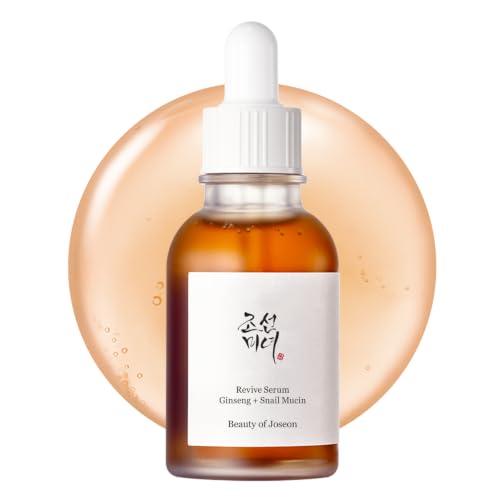
Beauty of Joseon Revive Snail Mucin Ginseng Serum
Included for 'Glass Skin Routine for Beginners' as a representative home product in this roundup; selection reflects the product set returned for this topic.
View on AmazonWhat “glass skin” actually means
The phrase describes a finish, not a diagnosis. Glass skin looks even in tone, reflects light softly, and has a “plump” look that comes from well-hydrated skin. It does not mean zero pores or a filtered photo. Texture, pores and natural shine vary from person to person, and no routine changes your skin type. What a good routine can do is support a healthy-looking skin barrier, keep the surface hydrated, and protect against the sun exposure that makes tone look uneven over time.
Korean routines are often described as “10 steps,” but most brands selling beginner kits now push a much shorter version. For a first routine, fewer products make it easier to spot which one is not working for you, which is a real advantage if your skin is sensitive.
The beginner glass skin routine at a glance
| Step | Time of day | Product type | What it is for | Beginner note |
|---|---|---|---|---|
| 1 | PM | Oil or balm cleanser | Dissolves sunscreen, sebum, makeup | Skip on days you wore nothing and no SPF |
| 2 | AM + PM | Water-based cleanser (gel or low-foam) | Removes sweat, residue, leftover oil | Morning can be water only if skin is dry |
| 3 | AM + PM | Hydrating toner or essence | Adds water-binding ingredients | Press in with clean hands, no rubbing |
| 4 | AM or PM | One serum (hydrating, soothing or brightening) | Targets one goal | Add only one new serum at a time |
| 5 | AM + PM | Moisturizer | Seals in hydration | Gel for oily skin, cream for dry skin |
| 6 | AM | Sunscreen, SPF 30 or higher, broad spectrum | Daily UV protection | Reapply when outdoors for long periods |
Morning routine (3 to 4 steps)
1. Rinse or cleanse gently
If your skin feels tight in the morning, splash with lukewarm water or use a mild low-foam cleanser. If you are oily or sweat overnight, a gentle gel cleanser is fine. The goal is a clean surface, not squeaky skin. A squeaky feeling usually means the cleanser is stripping more than you need.
2. Toner or essence
In K-beauty, a toner is a hydrating step, not an astringent. Look for water-binding ingredients such as glycerin, betaine, panthenol, hyaluronic acid or fermented extracts. Pour a small amount into your palms and press it into the face. Two thin layers usually feel better than one heavy pour.
3. Serum (optional in the morning)
A beginner can keep the morning serum simple: a hydrating or soothing one. Save stronger brightening or exfoliating products for the evening if you use them at all, and only after your skin is comfortable with the basics.
4. Moisturizer and sunscreen
Moisturizer goes on before sunscreen. Then use a broad-spectrum sunscreen rated SPF 30 or higher, generously, over the face and neck. This is the step that matters most for the “even tone” part of glass skin, because sun exposure is a major driver of uneven-looking skin over time. Many Korean sunscreens use lightweight textures that layer well under makeup, so a roundup of white-cast-free options is worth reading if that is your sticking point.
Evening routine (4 to 5 steps)
1. Oil or balm cleanser
The first half of “double cleansing” is an oil-based cleanser that dissolves sunscreen and sebum. Apply to dry skin with dry hands, massage for about a minute, add a little water to emulsify, then rinse. Heartleaf-type oil cleansers and bean-based ones are common beginner picks. If your skin is breakout-prone, look for non-fragranced formulas and rinse thoroughly.
2. Water-based cleanser
The second half removes whatever the oil left behind. Lather lightly, keep contact to 30 to 60 seconds, and rinse with lukewarm water. If you did not wear sunscreen or makeup, you can reasonably do this step only.
3. Toner, then serum
Repeat the hydrating toner or essence, then apply one serum. Beginners tend to do best with a single hydrating or soothing serum for the first month. Snail mucin and niacinamide-based serums are popular first picks in this category.
4. Moisturizer
Finish with a light gel-cream if you run oily or combination, or a richer cream if you run dry. Moisturizer is where most of the “glass” look comes from, because it reduces the dull appearance of a dehydrated surface.
Ingredient types to look for (and why)
| Ingredient type | Examples on INCI lists | Role in the routine | Best for |
|---|---|---|---|
| Humectants | Glycerin, sodium hyaluronate, betaine, panthenol | Draw and hold water in the outer skin layers | Everyone |
| Fermented extracts | Soybean, rice, barley or pear ferment filtrates | Common in essences and toners for a hydrated look | Dull or dehydrated-looking skin |
| Snail secretion filtrate | Snail secretion filtrate | Lightweight, slippery hydrating layer | Dry, normal, combination skin |
| Niacinamide | Niacinamide | Widely used for the look of tone and oil balance | Uneven tone, oily skin |
| Centella and soothing botanicals | Centella asiatica extract, madecassoside, heartleaf | Comfort-oriented, calming-feel ingredients | Sensitive-feeling skin |
| Ceramides and emollients | Ceramide NP, squalane, shea | Reduce the look of dryness in moisturizers | Dry skin, winter |
| UV filters | Listed under “active ingredients” | Sun protection | Everyone, every morning |
If you have a specific concern such as persistent redness, recurring breakouts or a rash after using a product, a board-certified dermatologist is the right person to ask. Skincare products are cosmetics, and nothing in this guide is meant to diagnose or treat a skin condition.
Budget tiers for a first routine
Tier 1: Kit-first (lowest effort, lowest risk)
A beginner kit bundles travel or starter sizes so you can try a whole routine before committing to full bottles. This is the tier most first-timers should consider, because it avoids buying five full-size products you might not like. Kits are usually in the budget to mid range overall.
Tier 2: Build it yourself, one product at a time
Add steps over several weeks. Start with cleanser, moisturizer and sunscreen. Add a toner or essence in week two, then a serum in week three or four. This is slower, but it makes it easy to identify what caused any irritation. Cost depends on how many full-size bottles you pick, but a single essence is usually a budget-to-mid purchase.
Tier 3: Fuller routine with extras
Once the basics are comfortable, you can add a weekly exfoliating step, a sheet mask, or an eye product. These are optional. A glass skin look does not require them, and this tier is where costs climb toward the splurge end.
Picks that fit a beginner glass skin routine
These are the products most closely matched to the steps above. Each has one spec line so you can see what it is for.
Anua 3-Step Glass Skin Beginner Kit
Spec line: A three-product set built around two cleansing steps and a serum: Heartleaf Pore Control Cleansing Oil, a heartleaf foaming cleanser, and a niacinamide, TXA and arbutin serum (30 ml). Best for: oily, combination or breakout-prone skin that wants a simple double-cleanse-plus-serum start. Trade-off: there is no toner or moisturizer included, so you will need your own, and the contents of bundles can vary by listing, so check what is inside before ordering.
mixsoon Pure Glow Essentials Set
Spec line: A five-step travel-size set: Bean Cleansing Oil 20 ml, Centella Cleansing Foam 20 ml, Centella Asiatica Toner 30 ml, Bean Essence 20 ml and Bean Cream 15 ml. Best for: someone who wants to try a full cleanse, tone, essence and moisturize sequence without buying full sizes. Trade-off: small sizes run out within a few weeks of daily use, and there is no sunscreen in the set. Fermented bean ingredients are not for everyone, so patch-test first.
COSRX Snail Mucin 96% Power Essence
Spec line: A 100 ml (3.38 oz) lightweight essence whose first listed ingredient is snail secretion filtrate (around 96 percent), followed by betaine, with sodium hyaluronate, allantoin and panthenol further down. Best for: a single hydrating layer that works in the toner-or-serum slot. Trade-off: the slightly stretchy, tacky feel is not for everyone, and anyone with a snail or mollusk allergy should avoid it.
Beauty of Joseon Revive Serum (Ginseng + Snail Mucin)
Spec line: A lightweight serum with ginseng root water listed first, then snail secretion filtrate, niacinamide, centella and adenosine; the brand cites roughly 63 percent ginseng root water and 3 percent snail mucin. Best for: normal to dry skin that wants a slightly richer step than a plain essence. Trade-off: typically costs more per milliliter than a basic essence, and the Amazon listing sells a 2 fl oz size, so confirm the size before comparing.
What to expect and how long it takes
Hydration-based changes, such as skin feeling softer and less tight, can show up within a week or two of a consistent routine. Changes in the look of tone and texture are slower and depend on sun protection, sleep, diet and your starting point. Four to eight weeks is a reasonable window to judge a routine, and no cosmetic routine should be expected to erase pores, scars or breakouts. Individual results vary, and anything that stings, burns or leaves a rash should be stopped.
A few signs you are doing too much: persistent tightness, flaking, redness that does not settle, or a stinging feeling when you apply a basic moisturizer. If that happens, drop back to cleanser, moisturizer and sunscreen for a week or two, then reintroduce products one at a time.
How to patch-test a new product
- Pick a small area behind the ear or along the jaw.
- Apply a pea-sized amount once a day for three days.
- Watch for redness, itching, swelling or bumps.
- If anything appears, stop and do not use the product on your face.
Patch testing matters most for sensitive skin, fragranced products and new active ingredients. It is not a guarantee, but it catches obvious reactions early.
Who can skip which steps
| Situation | Safe to skip | Do not skip |
|---|---|---|
| Dry or dehydrated skin | Morning cleanser, exfoliating steps | Moisturizer, sunscreen |
| Oily or breakout-prone skin | Heavy cream (use a gel moisturizer) | Gentle cleansing, sunscreen |
| Sensitive or reactive skin | Fragranced products, strong actives, extra serums | Patch tests, sunscreen |
| Wore no makeup or sunscreen all day | Oil cleanser | Water-based cleanser |
| Short on time | Toner and essence on busy mornings | Sunscreen |
Common beginner mistakes
- Starting everything at once. Add one new product every one to two weeks.
- Skipping sunscreen. Hydration and brightening efforts lose value without daily SPF.
- Over-exfoliating. Glass skin is not built by scrubbing. If you use an exfoliant, once a week is plenty to start.
- Chasing glow with shimmer. Highlighters can mimic the look, but they are makeup, not skin care.
- Ignoring your skin type. A rich cream that suits dry skin can feel heavy on oily skin.
FAQ
How many steps do I need for a glass skin routine as a beginner?
Five or six: oil cleanser, water cleanser, toner or essence, serum, moisturizer, and sunscreen in the morning.
Do I need a Korean brand for glass skin?
No, the routine structure matters more than the brand, but Korean brands tend to offer lightweight textures and beginner kits that make the routine easy to follow.
How long does glass skin take?
A more hydrated look can appear in one to two weeks, while changes in tone and texture usually take four to eight weeks of steady use.
Can sensitive skin do a glass skin routine?
Yes, with fewer steps, fragrance-free products and patch tests, and with a dermatologist’s input if you have persistent redness or reactions.
Is double cleansing necessary?
Only on days you wear sunscreen or makeup; on other days a single gentle cleanse is enough.
Can I use snail mucin with niacinamide?
Many products combine them in one formula and layering them is common, but introduce each separately so you can tell which one your skin prefers.
The bottom line
For a first glass skin routine, start with a kit or three basic products, add a hydrating essence and a single serum once your skin is settled, and never skip morning sunscreen. Keep the routine boring and consistent for a month before changing anything. Persistent skin concerns are best handled by a dermatologist rather than by adding more products.