- Top Pick: Torriden DIVE IN Hyaluronic Acid Serum for Deep Hydration | Korean K-Beauty Glass Skin Plump Glow | Lightweight Fast-Absorbing Face Serum 50ml (1.69 fl.oz.)
- Best Value: medicube Hyaluronic Multi Peptide PDRN Serum – Lightweight Hydrating Serum
- Premium Choice: The Ordinary Hyaluronic Acid 2% + B5 (with Ceramides), Multi-Depth Hydration Serum for Plumper, Smoother Skin, 1 Fl Oz

TL;DR: Korean hyaluronic acid serums layer multiple HA molecular weights — low (penetrates dermis), medium, and high (surface film) — outperforming single-weight Western formulas. Top picks: COSRX HA Intensive Hydrating Serum (budget), Some By Mi Snail Truecica Miracle Repair Serum (barrier repair), Beauty of Joseon Glow Serum (brightening). Best for oily-to-combination skin: water-gel texture. Best for dry/dehydrated: occlusives on top.
Best Korean Hyaluronic Acid Serum: Complete Buyer’s Guide (2026)
Hyaluronic acid is the most misunderstood skincare ingredient on the market. Most Western serums stop at high-molecular-weight HA — a molecule so large it never crosses the stratum corneum. Korean formulators solved this a decade ago with multi-weight HA complexes that deliver hydration at every skin depth simultaneously. This guide breaks down exactly what to look for in INCI lists, which molecular weight does what, and which Korean HA serums actually deliver measurable transepidermal water loss (TEWL) reduction.
As an Amazon Associate we earn from qualifying purchases at no extra cost to you.


What Makes Korean HA Serums Different
Standard Western HA serums typically list “Sodium Hyaluronate” — high-MW HA (~1,500–2,000 kDa) that forms a moisture-trapping film on skin’s surface. Effective for immediate plumpness but zero dermal penetration.
Korean K-beauty HA formulations routinely combine:
- Sodium Hyaluronate (high MW, 1,000–1,800 kDa) — surface hydration film
- Hydrolyzed Hyaluronic Acid (low MW, 5–20 kDa) — penetrates to viable epidermis
- Sodium Hyaluronate Crosspolymer — time-release HA for extended hydration
- Hyaluronic Acid listed separately (medium MW ~400–800 kDa) — mid-layer plumping
Some advanced formulas include Acetyl Glucosamine (HA precursor) to stimulate endogenous hyaluronan synthesis — a functional approach rather than topical delivery alone. If you’re new to layering actives, the our korean skincare beginner guide explains the 7-step system before adding targeted serums.
Top Picks at a Glance


As an Amazon Associate we earn from qualifying purchases. Product prices and availability are accurate as of the date/time indicated.

COSRX Snail Mucin 96% Repairing Serum for Sooothing & Hydrating 3.38 oz.

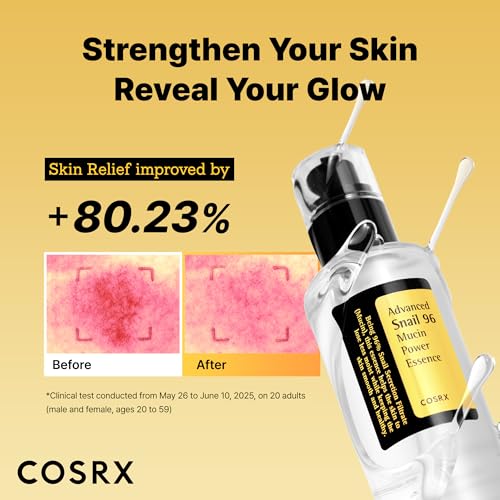


As an Amazon Associate we earn from qualifying purchases. Product prices and availability are accurate as of the date/time indicated.


As an Amazon Associate we earn from qualifying purchases. Product prices and availability are accurate as of the date/time indicated.
How to Read HA INCI Labels: Cheat Sheet
| INCI Name | Molecular Weight | Skin Depth | Primary Function |
|---|---|---|---|
| Sodium Hyaluronate | 1,000–1,800 kDa | Skin surface | Moisture film, plumping |
| Hyaluronic Acid | 400–800 kDa | Upper epidermis | Mid-layer hydration |
| Hydrolyzed Hyaluronic Acid | 5–20 kDa | Viable epidermis | Deep hydration, TEWL reduction |
| Sodium Hyaluronate Crosspolymer | Variable | Surface + slow release | Extended hydration, texturizer |
| Acetyl Glucosamine | N/A (precursor) | All layers (biosynthesis) | Stimulates endogenous HA |
| Sodium Acetyl Hyaluronate | ~1,000 kDa | Epidermis | Enhanced penetration vs. standard |
Best Korean HA Serums by Skin Type
Oily / Combination Skin
Water-gel or watery essence textures absorb without residue. Look for formulas where HA appears in positions 2–5 in the INCI list (high concentration), with humectants like Glycerin and Betaine. Avoid formulas ending with heavy emollients like Squalane or Caprylic/Capric Triglyceride unless used as a sealant step — for oily types these are unnecessary in a HA serum. For full routine context see the glass skin routine products.
Dry / Dehydrated Skin
The critical rule: HA must be sealed with an occlusive or emollient. Applied alone to dry skin in low humidity, high-MW HA draws moisture from the dermis upward — worsening TEWL. Layer with a ceramide moisturizer or oil finish. The best Korean moisturizers for this pairing are covered in the best-in-class korean moisturizer.
Sensitive / Reactive Skin
Avoid formulas with fermented filtrates if you’re fragrance-sensitive (some contain trace fermentation byproducts). Also watch for Caprylyl Glycol + Ethylhexylglycerin preservative systems — effective but can sensitize reactive skins. Fragrance-free, Panthenol-enriched HA serums perform best. Related reading: Panthenol and Vitamin B5 in Korean skincare.
Application Order: Where HA Serum Fits in Your Routine
Korean layering protocol: thinnest to thickest. HA serum follows toner/essence, precedes heavier serums, ampoules, and moisturizer. On damp skin (post-toner, not fully dry) for max absorption. If using a niacinamide serum in the same routine, apply niacinamide first if it’s a lighter texture, or layer HA first if the niacinamide formula is thicker — always texture-order not ingredient-order.
Frequently Asked Questions
Can you use Korean hyaluronic acid serum every day?
Yes — HA has no exfoliation mechanism and doesn’t sensitize skin. Daily AM and PM use is standard in K-beauty routines. No purging period, no actives conflict beyond pH concerns (avoid mixing with low-pH AHA/BHA in the same step — see the BHA/AHA exfoliating toner guide for correct layering).
Is Korean hyaluronic acid serum better than other countries’ formulas?
Not categorically — quality varies by brand. Korean formulas tend to use multi-weight HA complexes more consistently than Western mass-market products, which is a genuine formulation advantage. But premium European and Japanese brands also use multi-weight HA. The price-to-performance ratio in K-beauty is the differentiator for most consumers.
Why does my skin feel tight after applying hyaluronic acid serum?
Classic TEWL-worsening effect of unsealed HA in low humidity (below ~40% RH). High-MW HA draws ambient moisture — if air is dry, it pulls from the dermis instead. Fix: apply to damp skin and immediately seal with moisturizer. Or switch to Sodium Acetyl Hyaluronate, which has stronger self-humectant properties.
What is the difference between hyaluronic acid and sodium hyaluronate in Korean serums?
Sodium Hyaluronate is the salt form of Hyaluronic Acid — smaller molecule, more water-soluble, marginally better absorption at equivalent MW. Both are grouped as “HA” in marketing. In INCI lists, “Hyaluronic Acid” signals the acid form (medium MW typically), while “Sodium Hyaluronate” is the salt form (can be high or low MW depending on manufacturer spec).
Can I layer hyaluronic acid serum with vitamin C in a Korean routine?
Yes — HA and L-Ascorbic Acid (Vitamin C) are compatible and frequently combined. Caveat: L-AA requires pH 2.5–3.5 to remain stable. Applying HA serum (pH ~5–6) immediately before a low-pH Vitamin C serum can raise the surface pH enough to deactivate the vitamin C. Apply vitamin C first, wait 5–10 min, then HA. Full breakdown in the best-in-class korean vitamin c serum best.
Final Verdict
Korean HA serums earn their reputation through multi-weight formulation depth that single-weight Western serums rarely match at the same price point. Key buying criterion: count how many distinct HA forms appear in the INCI — three or more signals a properly engineered formula. Pair with a quality ceramide moisturizer, apply on damp skin, and expect measurable plumping within 72 hours of consistent use.
Also worth reviewing: the top-ranked korean skincare products and the Cosrx Snail Mucin Essence Deep Dive for hydration-stacking techniques.
Related K-Beauty Guides
- Tranexamic Acid for Hyperpigmentation
- Some By Mi AHA BHA PHA 30 Days Miracle Toner Review
- Best Salicylic Acid Face Wash 2026
- Kojic Acid Soap for Dark Spots
- Innisfree Green Tea Hyaluronic Acid Serum Review
- Best Salicylic Acid Cleansers 2026
- Benzoyl Peroxide vs Salicylic Acid
Ready to decide? Our #1 pick for 2026 is the Sodium Hyaluronate.
Live price & availability on Amazon.