- Top Pick: SOME BY MI AHA BHA PHA 30 Days Miracle Toner – 5.07oz, 150ml – Korean Refining Face Toner for All Skin Types – Daily Pore Care & Oil Control with 2% Niacinamide – Korean Skin Care
- Best Value: medicube Toner Pads Zero Pore Pad 2.0 for Exfoliation and Pore Care
- Premium Choice: Beauty of Joseon Green Plum AHA BHA Toner Refreshing Facial Essence Moisturizer Mild Exfoliating Salicylic Acid for All Skin Types, Korean Skin Care for Men Women 150ml 5.27 fl.oz
Chemical exfoliation transformed the global skincare conversation — and Korean beauty brands were at the forefront of making AHA/BHA toners accessible, elegant, and genuinely effective. Unlike the harsh physical scrubs that dominated shelves a decade ago, these acid-based toners dissolve dead skin cells, unclog pores, and smooth texture with remarkable precision. The challenge is knowing which formula matches your skin type, concerns, and tolerance level — because not all exfoliating toners are created equal.
Quick Picks
Some By Mi AHA BHA PHA 30 Days Miracle Toner
- Triple-acid formula targets multiple skin concerns
- PHA layer adds gentleness for sensitive types
- Visible texture improvement in 30 days


As an Amazon Associate we earn from qualifying purchases. Product prices and availability are accurate as of the date/time indicated.
COSRX AHA/BHA Clarifying Treatment Toner
- Gentle daily-use formula
- Willow bark extract as natural BHA source
- Suitable for acne-prone and oily skin




As an Amazon Associate we earn from qualifying purchases. Product prices and availability are accurate as of the date/time indicated.
Mizon AHA 8% Peeling Serum
- Pure 8% glycolic acid for brightening
- Serum-weight exfoliator at toner price
- Targets dullness and uneven tone
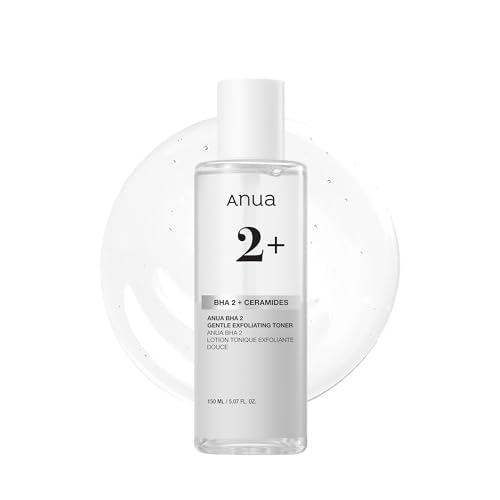

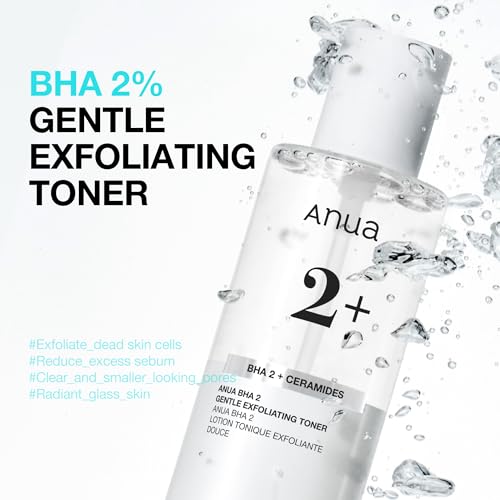
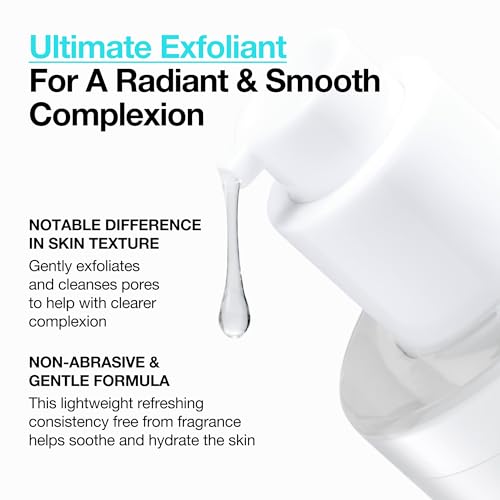


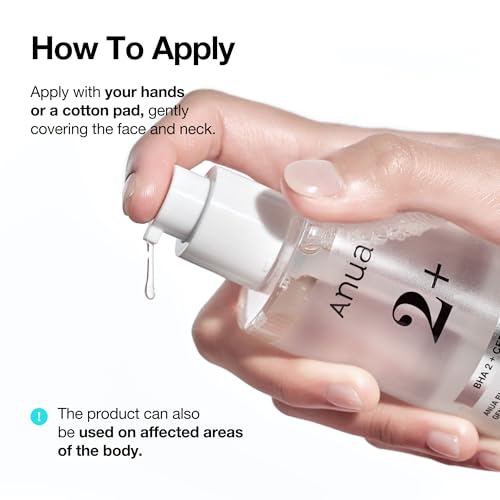

As an Amazon Associate we earn from qualifying purchases. Product prices and availability are accurate as of the date/time indicated.
Why Trust Our Picks
Acid toners demand careful evaluation — the wrong formula at the wrong frequency can strip the barrier, cause photosensitivity, or trigger breakouts. Our team tested these products over full 8-week cycles, adjusting frequency and layering to understand real-world tolerability. We prioritized formulas that perform without requiring a complete skincare routine overhaul — because acid exfoliation should simplify your routine, not complicate it.
As an Amazon Associate we earn from qualifying purchases.




Individual Reviews
Some By Mi AHA BHA PHA 30 Days Miracle Toner — Best Overall
The “30 Days Miracle” branding sounds like hyperbole — but the formula underneath it is genuinely well-engineered. The triple-acid approach (AHA for surface brightening, BHA for pore-deep exfoliation, PHA as a gentler surface acid suitable for reactive skin) means this toner addresses texture, congestion, and dullness simultaneously. PHA is particularly valuable here: as a polyhydroxy acid with a larger molecular size, it exfoliates the surface without penetrating as aggressively as glycolic acid, making the overall formula more tolerable for those who’ve burned out on pure AHA products in the past.
- Pros: Comprehensive triple-acid coverage, gentler than pure AHA/BHA blends, visible results within 4 weeks of regular use
- Cons: Not ideal for complete beginners to acid toners — start 2–3 nights per week; contains some fragrance ingredients
COSRX AHA/BHA Clarifying Treatment Toner — Runner-Up
COSRX takes the “daily use” approach to exfoliating toners — lower acid concentrations paired with natural BHA from willow bark extract make this more of a maintenance product than a weekly treatment. It works best as a morning toner for oily, acne-prone skin types who want gentle daily exfoliation without committing to a dedicated acid night. The texture is watery enough to apply with hands (the Korean technique — patting rather than swiping with a cotton pad) and leaves no tacky residue, making it easy to layer under essence and serum.
- Pros: Gentle enough for daily use, natural BHA source, non-drying, fragrance-free
- Cons: Lower acid concentration means slower visible results; not a substitute for a dedicated weekly peel
Mizon AHA 8% Peeling Serum — Best Budget
Mizon’s pure glycolic acid serum strips away the multi-acid complexity and delivers a focused brightening treatment at an honest price. At 8% glycolic — one of the smaller AHA molecules, meaning it penetrates well — this formula targets dullness, rough texture, and fading hyperpigmentation with reliable efficiency. It’s a better choice for normal-to-oily skin types than dry or sensitive skin; glycolic acid without moisturizing support can be drying over time.
- Pros: Effective glycolic concentration, affordable, significant brightening results
- Cons: Pure AHA only — doesn’t address blackheads or congestion like a BHA would; can be drying on dry skin types
Neogen Bio-Peel Gauze Peeling Wine — Best Texture Experience
Neogen’s gauze pads are genuinely unlike anything else in the K-beauty exfoliant space — each pad has a textured side for mild physical exfoliation and a smooth inner side saturated with AHA, wine ferment extract, and resveratrol. It’s a dual-action experience that bridges chemical and physical exfoliation in a format that feels indulgent rather than clinical. The wine ferment adds antioxidant depth that pure acid products lack, and the pad format eliminates cotton waste. Use twice weekly for best results.
- Pros: Dual-texture pads, antioxidant-rich formula, convenient travel format, satisfying to use
- Cons: More expensive per-use than toner in a bottle; the physical texture side may be too aggressive for very reactive skin
Buyer’s Guide: AHA vs. BHA — What Does Your Skin Actually Need?
AHAs (alpha-hydroxy acids — glycolic, lactic, mandelic) are water-soluble and work primarily on the skin’s surface. They dissolve the bonds between dead skin cells, revealing brighter, smoother skin underneath. They’re best for dullness, rough texture, and fading sun damage or hyperpigmentation. They also increase photosensitivity — morning SPF is non-negotiable.
BHAs (beta-hydroxy acids — primarily salicylic acid) are oil-soluble, meaning they can penetrate into pores rather than just dissolving surface cells. This makes BHAs the correct choice for blackheads, congested pores, and acne-prone skin. If your main concern is visible pores and recurring breakouts rather than surface dullness, lead with BHA.
PHA (polyhydroxy acids) offers the most accessible entry point — effective surface exfoliation without the penetration depth that causes sensitivity reactions. If you’ve tried AHA toners and found them irritating, PHA is the place to start.
FAQ
How often should I use an AHA/BHA toner?
For most people, 2–3 times per week at night is a safe starting point. Daily use is possible with lower-concentration formulas, but over-exfoliation (redness, tightness, increased sensitivity) is a real risk. Listen to your skin rather than following a rigid schedule.
Can I use an exfoliating toner with retinol?
Yes, but not on the same night — both are active treatments that can over-exfoliate when combined. Alternate: exfoliating toner two nights, retinol two nights, and give your barrier a plain moisturizer night in between.
Are AHA/BHA toners safe for sensitive skin?
With the right formula — yes. PHA-containing toners (like the Some By Mi product above) or lactic acid formulas are significantly gentler than glycolic or salicylic acid. Start once weekly and build tolerance before increasing frequency.
Do I need SPF when using an exfoliating toner?
Absolutely — AHAs in particular increase UV sensitivity. A broad-spectrum SPF 30+ every morning is essential, not optional, when using any AHA-containing product.
Should I apply exfoliating toner with a cotton pad or my hands?
Both work, but cotton pads provide a mild additional exfoliating effect from the physical wiping action. Hands-on patting (the traditional Korean technique) is gentler and wastes less product. For sensitive skin, always use hands.
Final Verdict
The Some By Mi AHA BHA PHA 30 Days Miracle Toner is the most versatile starting point for anyone new to chemical exfoliation in a K-beauty context — it’s comprehensive without being aggressive. For a daily maintenance option that fits into a high-frequency oily skin routine, the COSRX AHA/BHA Clarifying Treatment Toner delivers gentle consistency. And if you want a memorable, sensory exfoliating experience that doubles as a pampering ritual, the Neogen Bio-Peel Gauze Pads are in a category of their own.
Frequently Asked Questions
How do I use the Korean Aha Bha Exfoliating Toner?
After cleansing, apply with hands by patting it in, or with a cotton pad, before serums and moisturiser. Exfoliating toners are best used in the evening a few times a week.
Can I use this toner every day?
Hydrating toners can be used daily, morning and night. If it contains exfoliating acids, start two to three times a week and build up as tolerated, with daily SPF.
Does this toner replace moisturiser?
No, follow it with a moisturiser to seal in hydration. A toner preps and hydrates lightly but doesn’t replace your moisturising step.
Related K-Beauty Guides
- Tranexamic Acid for Hyperpigmentation
- Some By Mi AHA BHA PHA 30 Days Miracle Toner Review
- Best Salicylic Acid Face Wash 2026
- Kojic Acid Soap for Dark Spots
- Innisfree Green Tea Hyaluronic Acid Serum Review
- Best Salicylic Acid Cleansers 2026
- Benzoyl Peroxide vs Salicylic Acid