- Top Pick: JIYU Toner Pads – Korean Skincare for Dark Spots, Wrinkles & Dull Skin – Hydrating Facial Treatment with Snail Mucin, Niacinamide, Peptides & Centella – 100 Count
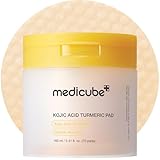
- Best Value: medicube Toner Pads Zero Pore Pad 2.0 for Exfoliation and Pore Care
- Premium Choice: houry Cooling Signal Depuff Toner Pad – Color Changing Face Pads for Morning Puffiness & Redness Relief with 10 Types of Hyaluronic Acid, Caffeine & Panthenol, Korean Skincare 60 Pads (1 Pack)
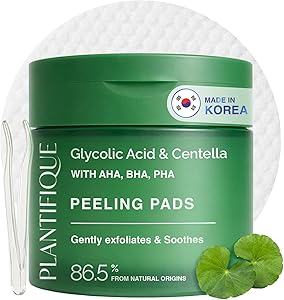
TL;DR: Korean toner pads combine physical exfoliation (textured cotton) with chemical actives (AHA/BHA/PHA) in one pre-soaked pad. They simplify multi-step exfoliation and are suitable for daily use at low concentrations. Best used 3–7x/week depending on active strength and skin tolerance.
Korean Toner Pads: The Ultimate Guide to Exfoliating Pads for Every Skin Type
Korean toner pads have evolved from a convenience item into one of the most ingredient-sophisticated categories in K-beauty. Pre-soaked with exfoliating acids, fermented extracts, or hydrating actives, they deliver consistent dosing and controlled texture exfoliation in a single step. This guide decodes the INCI lists behind the top formats and recommends a pad routine based on skin type and concern.
As an Amazon Associate we earn from qualifying purchases at no extra cost to you.


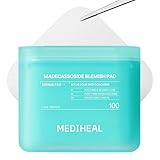
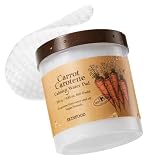
Top Picks at a Glance


As an Amazon Associate we earn from qualifying purchases. Product prices and availability are accurate as of the date/time indicated.


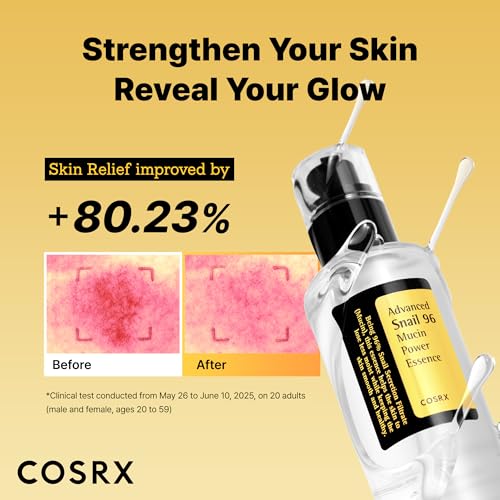


As an Amazon Associate we earn from qualifying purchases. Product prices and availability are accurate as of the date/time indicated.


As an Amazon Associate we earn from qualifying purchases. Product prices and availability are accurate as of the date/time indicated.
What Makes Korean Toner Pads Different
Western exfoliation typically separates chemical exfoliants (acids in serum/toner form) from physical scrubs. Korean toner pads merge both: the embossed or woven side of the cotton pad provides micro-friction to loosen dead corneocytes, while the saturating solution delivers chemical keratolysis simultaneously.
The result is more even desquamation — dead cells are loosened chemically and then swept away mechanically, without the over-abrasion risk of gritty scrubs. This mirrors the professional dermaplaning principle at a safe at-home concentration. Compare the full exfoliation landscape in our Korean BHA/AHA exfoliating toner guide.
Types of Korean Toner Pads by Active
AHA Pads (Glycolic, Lactic, Mandelic Acid)
Alpha-Hydroxy Acids are water-soluble, work on the skin’s surface, and dissolve desmosomes — the protein bonds holding dead corneocytes together. Glycolic Acid (smallest molecule, deepest penetration) is most effective but most irritating. Lactic Acid is gentler and doubles as a humectant. Mandelic Acid (largest AHA molecule) suits sensitive and darker skin tones with a lower UV-sensitization risk.
BHA Pads (Salicylic Acid)
Salicylic Acid is oil-soluble — the only keratolytic acid that penetrates sebaceous follicle linings. At 1–2%, it dissolves comedone plugs and reduces C. acnes colonization. BHA pads are the go-to for oily, acne-prone skin. Use on alternate evenings to avoid over-exfoliation.
PHA Pads (Gluconolactone, Lactobionic Acid)
Polyhydroxy Acids have a larger molecular size than AHA — they exfoliate more superficially with significantly less irritation and no photosensitivity increase. PHAs are ideal for sensitive, rosacea-prone, or eczema-adjacent skin types. They also chelate metal ions (calcium, iron) that catalyze oxidative skin damage. Full guide: Korean PHA gentle exfoliant.
Hybrid Pads (AHA + BHA + PHA Blend)
Multi-acid pads combine low concentrations of all three acid families for a synergistic, broad-spectrum exfoliation at a lower individual acid load — reducing irritation risk. Typically: 0.5% Glycolic + 0.5% Salicylic + 0.5% Gluconolactone. Suitable for combination skin tolerant of daily use.
INCI Breakdown: What to Look For on Pad Labels
| Ingredient (INCI) | Type | Function | Skin Type |
|---|---|---|---|
| Glycolic Acid | AHA | Surface exfoliation, collagen stimulation | Normal, oily, aging |
| Lactic Acid | AHA | Exfoliation + humectancy | Dry, sensitive |
| Mandelic Acid | AHA | Gentle exfoliation, antimicrobial | Sensitive, dark skin |
| Salicylic Acid | BHA | Pore-clearing, anti-acne | Oily, acne-prone |
| Gluconolactone | PHA | Superficial exfoliation, antioxidant | Sensitive, rosacea |
| Lactobionic Acid | PHA | Humectant + gentle exfoliation | Dry, sensitive |
| Niacinamide | Active | Post-exfoliation barrier support | All types |
How to Use Korean Toner Pads Correctly
- Cleanse first — pads work on clean skin. Residual sunscreen or makeup blocks acid absorption. A double cleanse is ideal before evening pad use.
- Swipe, don’t rub — one smooth pass with the textured side across cheeks, forehead, nose, and chin. Avoid the eye contour. Don’t go back over the same area more than twice.
- Wait 5 minutes before layering — allow the acid to complete its keratolytic action at skin pH before introducing water-based serums.
- Follow with hydration — apply a Panthenol or Ceramide serum immediately after to buffer any residual tightness. Full guidance in our panthenol and Vitamin B5 Korean skincare post.
- Always use SPF the next morning — AHA increases UV sensitivity for 48–72 hours post-use. Korean SPF 50 PA++++ is the standard pairing.




As an Amazon Associate we earn from qualifying purchases. Product prices and availability are accurate as of the date/time indicated.
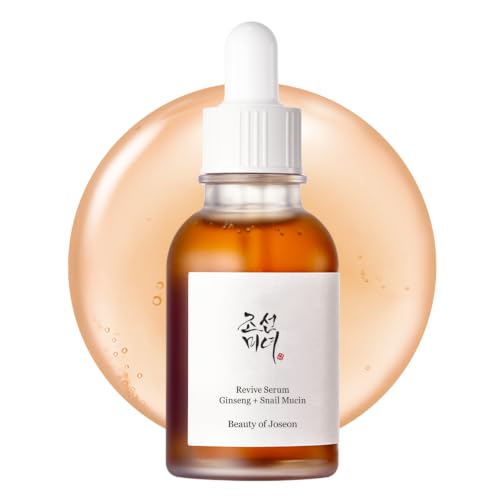


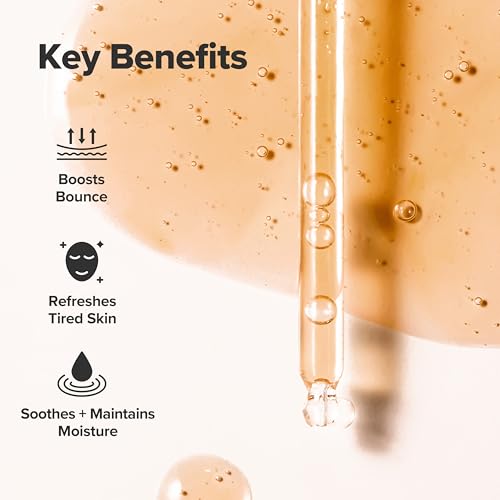


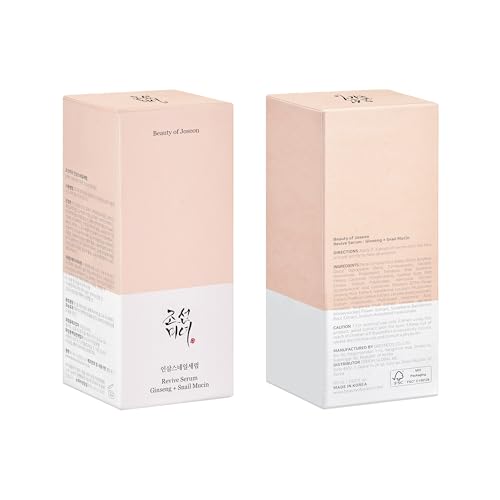
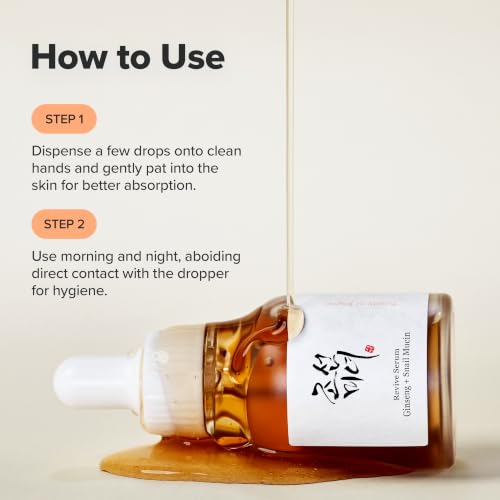

As an Amazon Associate we earn from qualifying purchases. Product prices and availability are accurate as of the date/time indicated.
After exfoliation, the skin is primed for actives absorption. This is the ideal moment to apply Niacinamide or a Korean vitamin C serum for enhanced brightening results — penetration rates increase significantly on freshly exfoliated skin.
Frequently Asked Questions
Can you use Korean toner pads every day?
Low-concentration PHA pads (Gluconolactone 5%) are generally safe for daily use. AHA pads above 5% Glycolic Acid should be limited to 3x/week to prevent cumulative barrier disruption. BHA pads at 2% Salicylic Acid can be used daily by oily skin types but should be introduced gradually. Always reassess if you notice persistent redness or tightness.
Are Korean toner pads better than liquid AHA toners?
Pads add a mechanical exfoliation component that liquid toners (applied with hands or a cotton round) can’t replicate with the same consistency. The embossed pad surface creates micro-friction that physically removes loosened corneocytes — a combined action that tends to produce faster initial texture improvement versus liquid-only acid toners.
What Korean toner pads are best for hyperpigmentation?
AHA pads (Glycolic + Lactic Acid blend) accelerate desquamation of melanin-loaded corneocytes — the surface layer where post-inflammatory hyperpigmentation (PIH) concentrates. Pair with Niacinamide (inhibits melanosome transfer) and Vitamin C (Ascorbic Acid oxidizes melanin precursors) for a synergistic brightening stack. See our Korean azelaic acid guide for an alternative actives approach to hyperpigmentation with less irritation.
Can sensitive skin use Korean exfoliating toner pads?
Yes — choose PHA-only pads (Gluconolactone or Lactobionic Acid) at 5–10%. PHAs don’t penetrate below the stratum corneum surface, so they exfoliate without triggering the inflammatory response that AHAs can in reactive skin. Use 2–3x per week maximum and follow with a Centella or Madecassoside-based serum. See our Korean cica skincare guide for post-exfoliation repair options.
What should you apply after Korean toner pads?
In order: (1) wait 5 minutes for acid activity to complete, (2) hydrating essence or toner, (3) targeted serum (Niacinamide, Vitamin C, or Peptides — choose one active per session), (4) moisturizer with Ceramide NP and Panthenol to restore barrier integrity, (5) evening: sleeping mask as occlusive seal. The best Korean skincare products 2026 roundup includes post-exfoliant pairings for each skin type.
Related K-Beauty Guides
- Tranexamic Acid for Hyperpigmentation
- Some By Mi AHA BHA PHA 30 Days Miracle Toner Review
- Best Salicylic Acid Face Wash 2026
- Kojic Acid Soap for Dark Spots
- Innisfree Green Tea Hyaluronic Acid Serum Review
- Best Salicylic Acid Cleansers 2026
- Benzoyl Peroxide vs Salicylic Acid