- Top Pick: PURITO Centella Unscented Serum for Sensitive Skin, 2.00 fl.oz
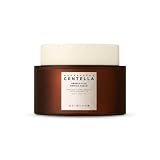
- Best Value: SKIN1004 Hyalu-Cica Moisture Cream, Face Moisturizer with Hyaluronic Acid, Centella Cream for Deep Hydration, Lightweight Nourishing Gel Moisturizer for Face, Korean Skin Care, 2.53 fl oz / 75ml
- Premium Choice: MEDITHERAPY Retinal Skin Booster Serum 5.07 fl.oz | Retinaldehyde, Niacinamide, Cica | Face & Body Serum for Uneven Skin, Refining Texture & Signs of Aging | Korean Skincare
TL;DR: Cica (Centella Asiatica) is K-beauty’s definitive sensitive-skin active — not a single ingredient but a plant complex delivering four key compounds: Madecassoside, Asiaticoside, Madecassic Acid, Asiatic Acid. Together they reduce inflammation, accelerate wound healing, stimulate collagen synthesis, and reinforce the moisture barrier. Highest-efficacy products list “Madecassoside” or “Asiaticoside” in INCI positions 3–8 with verified concentration. Pure extract listings without specified compounds are weaker but still functional.
- What Cica Actually Is: The Four Compounds That Matter
- Top Picks at a Glance
- Cica for Different Sensitive Skin Conditions
- How to Read Cica INCI Labels: Quality Tiers
- Cica Routine: Building a Complete Sensitive Skin Protocol
- Ingredients to Avoid in Cica Products for Sensitive Skin
- Frequently Asked Questions
- Final Verdict
- Related Guides
Best Korean Cica Centella Skincare for Sensitive Skin: Complete Buyer’s Guide
Cica is the K-beauty category that converted dermatologists. Centella Asiatica — the botanical behind the “cica” label — has moved from traditional Korean wound-healing medicine to one of the most clinically studied topical actives in modern cosmetic dermatology. For sensitive, reactive, rosacea-prone, or barrier-compromised skin, correctly formulated cica products deliver anti-inflammatory, barrier-repair, and collagen-stimulating benefits without the irritation risk of acids or retinoids. But “cica” on a label ranges from a trace-level marketing claim to a genuine active-concentration formula. This guide shows you how to tell the difference in the INCI.
As an Amazon Associate we earn from qualifying purchases at no extra cost to you.


What Cica Actually Is: The Four Compounds That Matter
Centella Asiatica is a wetland herb used in Korean and Ayurvedic medicine for millennia. Modern dermatology has isolated four primary bioactive compounds responsible for its skin effects:
| Compound | INCI Name | Primary Mechanism | Concentration Needed |
|---|---|---|---|
| Madecassoside | Madecassoside | Anti-inflammatory (TNF-α inhibition), wound healing | 0.1–1% |
| Asiaticoside | Asiaticoside | Collagen synthesis stimulation, wound healing | 0.1–1% |
| Madecassic Acid | Madecassic Acid | Fibroblast activation, barrier restoration | Trace in extract |
| Asiatic Acid | Asiatic Acid | Anti-inflammatory, antioxidant | Trace in extract |
When a product lists “Centella Asiatica Extract” or “Centella Asiatica Leaf Water,” compound concentration varies wildly between manufacturers — often less than 1% total bioactives. When a product separately lists “Madecassoside” and “Asiaticoside” in the INCI, you know the specific compounds were standardized and added at therapeutic levels. This is the quality signal that separates clinical-grade cica from marketing-cica.
Top Picks at a Glance


As an Amazon Associate we earn from qualifying purchases. Product prices and availability are accurate as of the date/time indicated.




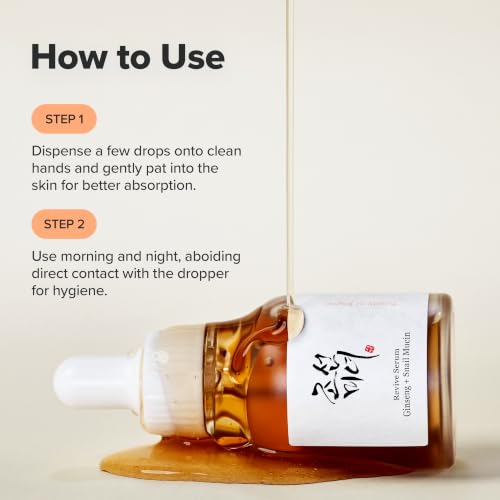

As an Amazon Associate we earn from qualifying purchases. Product prices and availability are accurate as of the date/time indicated.




As an Amazon Associate we earn from qualifying purchases. Product prices and availability are accurate as of the date/time indicated.
Cica for Different Sensitive Skin Conditions
Rosacea and Chronic Redness
Madecassoside at 0.1%+ consistently reduces erythema in clinical trials through NF-κB pathway inhibition — the same inflammatory pathway driving rosacea flushing and papulopustular inflammation. Best formats: lightweight gel-cream or essence that delivers the compound without occlusive ingredients that can trigger flushing (avoid heavy mineral oils, fragrance, alcohol denat). Pair with mineral SPF — chemical UV filters frequently aggravate rosacea; the SPF 50 Korean sunscreen comparison identifies mineral-filter options safe for rosacea skin.
Post-Procedure and Barrier-Compromised Skin
Cica’s wound-healing mechanism (Asiaticoside → fibroblast activation → collagen type I and III synthesis) makes it the most clinically appropriate active for post-laser, post-peel, or over-exfoliated skin. Korean dermatology clinics routinely prescribe cica sheet masks as post-procedure recovery protocol. The best Korean sheet mask guide identifies cica-focused barrier recovery formulas. Avoid all actives (acids, retinol, vitamin C) during post-procedure cica use — the goal is healing, not active treatment.
Acne-Prone Sensitive Skin
Cica handles the sensitivity-acne paradox: anti-inflammatory properties calm acne-related inflammation while barrier repair reduces the TEWL that triggers compensatory sebum overproduction. Best combination: cica moisturizer as base, BHA toner 2–3x weekly — the Korean BHA exfoliating toner guide covers compatible pairings. Avoid comedogenic emollients in the cica product: Coconut Oil, Cocoa Butter, Isopropyl Myristate are common in natural-positioned formulas and clog pores.
Eczema-Adjacent / Chronic Dryness
Cica cream formats (higher emollient content, occlusive finish) combined with ceramide and Panthenol target the dual problem: inflammation reduction + lipid barrier restoration. The Panthenol and Vitamin B5 K-beauty guide explains why cica + Panthenol is the gold standard combination for eczema-type barrier disruption.
How to Read Cica INCI Labels: Quality Tiers
| INCI Listing | Quality Tier | What It Means |
|---|---|---|
| Madecassoside + Asiaticoside listed separately | Tier 1 (Clinical) | Standardized actives at therapeutic levels |
| Centella Asiatica Extract in positions 2–5 | Tier 2 (Functional) | High extract %, bioactives present but unstandardized |
| Centella Asiatica Leaf Water as primary water phase | Tier 2 (Functional) | Very high cica content, gentle, well-tolerated |
| Centella Asiatica Extract in positions 15–20 | Tier 3 (Marketing) | Trace levels, label claim only, minimal bioactivity |
| “Cica” in product name, no INCI mention | Tier 3 (Marketing) | No meaningful centella content |
Cica Routine: Building a Complete Sensitive Skin Protocol
Cica works in multiple routine positions. A full sensitive-skin cica routine might include:
- Cleanser: Low-pH, fragrance-free. Cica-containing gentle cleansers exist but primary function is cleansing — cica here is a bonus, not the mechanism.
- Toner: Centella Asiatica Leaf Water-based essence toner — primes while delivering first cica dose
- Serum/Ampoule: Madecassoside-listed concentrated cica serum — maximum anti-inflammatory delivery
- Moisturizer: Cica cream with ceramides — barrier occlusion locks in serum actives
- SPF (AM): Mineral-filter sunscreen — non-irritating protection for inflamed skin
For beginners to K-beauty sensitive-skin routines, the full framework is in the the full korean skincare beginner walkthrough. The see anua skincare review covers one of the leading brands in Centella Asiatica Leaf Water formulations specifically. For the glass-skin aesthetic adapted for sensitive skin, the learn about glass skin routine products offers a low-irritant version of the protocol.
Ingredients to Avoid in Cica Products for Sensitive Skin
Even excellent cica formulas can contain problematic co-ingredients. Watch for:
- Fragrance / Parfum: Most common sensitizer — no therapeutic value, pure irritation risk for reactive skin
- Alcohol Denat: Barrier-stripping, counterproductive in a barrier-repair formula
- Essential Oils (Lavender, Eucalyptus, Tea Tree at >0.5%): Contact sensitizers, not appropriate for chronic sensitive skin even though “natural”
- PEG-based emulsifiers: May cause reactions in compromised barriers (damaged barrier = increased penetration of ordinarily safe ingredients)
- High-concentration niacinamide (>10%): Can cause flushing in sensitive skin — 5% or below preferred in cica formulas
Frequently Asked Questions
Is cica centella safe for every skin type?
Yes — Centella Asiatica has one of the lowest sensitization rates of any cosmetic botanical at relevant concentrations. Rare allergic contact dermatitis cases exist but are significantly less common than reactions to fragrance, essential oils, or preservatives. Safe for pregnancy (check co-ingredients), safe for children’s skin in appropriate formulations, safe for all Fitzpatrick skin tones with no photosensitization risk.
How long does it take for cica to calm sensitive skin?
Anti-inflammatory effects (redness, itch reduction) typically visible in 24–72 hours with Madecassoside-grade products. Barrier restoration (reduced TEWL, normalized sensitivity) takes 2–4 weeks of consistent use. Structural improvements (collagen density, skin resilience) develop over 8–12 weeks. Cica is a both an acute soother and a long-term barrier builder — timeline depends on which benefit you’re targeting.
Can I use cica skincare with other active ingredients?
Cica is compatible with essentially all standard actives — no pH conflict, no interaction risk. The only caveat: if using cica during active skin inflammation or post-procedure healing, focus the routine on cica + barrier support and minimize all other actives until baseline skin health is restored. Adding acids or retinoids while the barrier is compromised prolongs recovery. Once baseline is stable, layer freely: cica pairs exceptionally well with niacinamide, hyaluronic acid, and peptides.
What is the difference between cica cream and cica serum?
Format determines function emphasis: cica serum delivers concentrated bioactives with minimal occlusion — better for oily/combination sensitive skin and for maximum anti-inflammatory active delivery. Cica cream combines the actives with an emollient/occlusive base — better for dry/eczema-type skin where barrier lipid replacement is as important as the anti-inflammatory. Many K-beauty routines use both: serum for actives, cream for barrier sealing.
Is Korean cica skincare better than other centella products?
Korean brands pioneered Madecassoside standardization in cosmetics and still lead in formulation sophistication at accessible price points. Brands like Dr. Jart+ (Cicapair line), COSRX (Pure Fit Cica line), and ANUA set the clinical benchmark. Comparable European and Japanese formulas exist at higher price points. For sheer cica formulation depth per dollar, K-beauty is the category leader. The see korean skincare brands tier list ranks cica brands across budget categories.
Final Verdict
Cica is the rare K-beauty active with broad clinical validation, essentially zero irritation risk, and multimechanism efficacy covering inflammation, barrier repair, and collagen stimulation simultaneously. For sensitive skin, it is the safest high-impact active available — better as a first recommendation than acids or retinoids for anyone with reactive or compromised skin. Buy criteria: Madecassoside in INCI by name, fragrance-free, appropriate texture for your skin type. The best korean skincare products and the cosrx master patch review round out the full sensitive-skin K-beauty toolkit.
Related K-Beauty Guides
- Skincare Routine for Beginners: The Complete Step-by-Step Guide
- Best Sunscreen Reapplication Sprays: On-the-Go UV Protection Refresh
- Best Face Steamers for Skincare: Deep Cleanse and Hydrate Your Skin
- Best Derma Rollers for Microneedling: Stimulate Collagen at Home
- Best Face Massage Rollers: Sculpt, Depuff, and Boost Glow
- Best Jade Rollers for Face: Cooling, Depuffing, and Skin-Boosting Benefits
- Best Gua Sha Face Tools: Ancient Ritual for Modern Skin Benefits