- Top Pick: TOSOWOONG Arbutin 7% + Tranexamic Acid 4% Cream for Dark Spots, Brightening
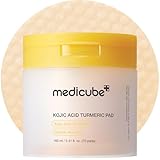
- Best Value: medicube Toner Pads Kojic Acid Turmeric Clarifying Pad for Troubled Skin
- Premium Choice: SKIN1004 Tone Balancing Capsule Ampoule, Niacinamide & Centella Serum for Face, Korean Hydrating Facial Serum for Unevne Skin Tone with Tranexamic Acid, Korean Skin Care, 3.38 fl.oz / 100ml
Last updated: October 4, 2026
- Hyperpigmentation vs Dark Spots vs Melasma: What’s the Difference?
- Why Korean Skincare Excels at Treating Hyperpigmentation
- Best Korean Ingredients for Hyperpigmentation
- Top 5 Korean Products for Hyperpigmentation
- AM + PM Hyperpigmentation Routine
- How Long Does It Take to See Results?
- SPF: The Most Important Step
- Frequently Asked Questions
- Conclusion
- Related Articles
- Related Guides
As an Amazon Associate we earn from qualifying purchases at no extra cost to you.



Korean Skincare for Hyperpigmentation: Top Ingredients, Products & Routines
Hyperpigmentation is one of the most stubborn skin concerns to tackle — and if you’ve been scrolling through K-beauty Reddit threads at midnight, you already know that Korean skincare has become the go-to solution for millions of people dealing with dark spots, post-acne marks, and uneven tone. But with dozens of ingredients and hundreds of products on the market, knowing where to start can feel overwhelming.
This guide breaks down exactly how Korean skincare approaches hyperpigmentation: the science behind the best brightening ingredients, the top products worth your money, and a realistic AM/PM routine you can start today.
🛒 Best Price Today on Amazon
Prime members get fast, free shipping on everything above, plus member-only deals. New members get a 30-day free trial — cancel anytime.
Hyperpigmentation vs Dark Spots vs Melasma: What’s the Difference?
Before diving into treatments, it helps to understand what you’re actually dealing with — because not all discoloration is the same, and some types respond better to certain ingredients.
- Hyperpigmentation is the broad umbrella term for any darkening of the skin caused by excess melanin production. It includes everything from post-acne marks to sun damage.
- Post-inflammatory hyperpigmentation (PIH) is the flat, discolored patch left behind after a pimple heals. It’s especially common in medium and darker skin tones. This type typically fades within 3–6 months with consistent treatment.
- Sunspots / age spots are caused by cumulative UV exposure and appear as flat brown patches, usually on the face, hands, and chest. These tend to be more stubborn than PIH.
- Melasma is a hormonal-driven condition that causes symmetrical patches of brown or gray-brown discoloration, often on the cheeks, forehead, and upper lip. Melasma is notoriously difficult to treat and can worsen with sun exposure, heat, and hormonal fluctuations (including birth control and pregnancy). If you suspect melasma, a dermatologist consultation is worthwhile alongside any over-the-counter regimen.
The good news: many Korean brightening ingredients work across all these types. The bad news: results require patience and, above all, consistent SPF use.
Why Korean Skincare Excels at Treating Hyperpigmentation
South Korea has one of the most advanced cosmetic skincare industries in the world — and much of that innovation has been driven by the cultural priority placed on achieving clear, even-toned skin. This means Korean brands have invested heavily in:
- Multi-active formulations that combine several brightening agents at synergistic concentrations, rather than relying on a single high-dose ingredient.
- Gentle, skin-barrier-first philosophy — K-beauty focuses on reducing inflammation (a driver of melanin production) while brightening, rather than the aggressive acids-only approach that can worsen PIH in sensitive skin.
- Cutting-edge ingredients like tranexamic acid and centella asiatica derivatives that Western brands have only recently adopted.
- Accessible price points — some of the most effective brightening serums cost under $25, making consistent use genuinely affordable.
Best Korean Ingredients for Hyperpigmentation
Here’s a deep-dive into the ingredients that actually move the needle on dark spots, with notes on mechanism, effective concentrations, and what to look for on product labels.
Tranexamic Acid
Tranexamic acid (TXA) is arguably the most exciting brightening ingredient in K-beauty right now. Originally a pharmaceutical used to reduce bleeding, researchers discovered it inhibits plasmin — an enzyme that triggers keratinocytes to produce melanin-stimulating signals. In other words, it interrupts the communication chain that tells your skin to make excess pigment.
Effective concentrations in skincare range from 2–5%. Unlike hydroquinone (the gold-standard prescription brightener), TXA is gentle enough for daily use and suitable for sensitive skin. Look for it as “tranexamic acid” on the ingredient list — it’s becoming more common, but still a differentiator in K-beauty formulas.
Kojic Acid
Derived from fungi during the fermentation of sake and miso, kojic acid inhibits tyrosinase — the enzyme responsible for converting tyrosine into melanin. It’s been used in Japanese and Korean skincare for decades. Effective concentrations are typically 1–4%. It’s particularly effective on surface-level discoloration and sunspots. Note: kojic acid can be slightly irritating for some skin types, so patch-test first.
Azelaic Acid
A naturally occurring dicarboxylic acid found in grains, azelaic acid does double duty: it inhibits tyrosinase AND has anti-inflammatory and antibacterial properties. This makes it especially valuable for acne-related hyperpigmentation, where you want to treat the breakout and the dark spot simultaneously. Prescription-strength is 15–20%, but OTC formulas at 10% are effective and gentler. It’s also one of the few brightening ingredients considered safe during pregnancy.
Arbutin (Alpha and Beta)
Arbutin is a naturally derived tyrosinase inhibitor found in bearberry leaves. Alpha-arbutin is the more stable, more effective form and converts slowly to hydroquinone on the skin — providing brightening effects with far less irritation risk. Look for it at 1–2% in serums and essences. It pairs well with niacinamide and vitamin C for a synergistic brightening effect.
Niacinamide
Niacinamide (vitamin B3) works differently from the tyrosinase inhibitors above — it doesn’t block melanin production but instead inhibits the transfer of melanosomes (melanin-containing organelles) from melanocytes to skin cells. This reduces the appearance of dark spots over time. At 5–10%, it also visibly reduces pore appearance, strengthens the skin barrier, and regulates sebum. It’s one of the most versatile and well-tolerated brightening ingredients available.
Vitamin C (L-Ascorbic Acid)
L-Ascorbic Acid is the most potent form of vitamin C in skincare and a direct antioxidant that neutralizes the free radicals triggered by UV exposure — the primary driver of hyperpigmentation. It also inhibits tyrosinase and reduces existing oxidized melanin (which appears darker). Effective at 10–20% in an acidic pH (below 3.5), though this can be irritating. Korean formulas often use more stable vitamin C derivatives like ascorbyl glucoside or 3-O-ethyl ascorbic acid at higher pH for better tolerability. Look for products that come in airless or opaque packaging — vitamin C oxidizes quickly when exposed to light and air.
AHA / BHA Exfoliants
Chemical exfoliants accelerate cell turnover, helping the upper layers of hyperpigmented skin shed faster. AHAs (like glycolic and lactic acid) work on the surface and are best for sun damage and dullness. BHAs (salicylic acid) penetrate pores and are better for PIH caused by acne. PHAs (polyhydroxy acids) are the gentlest option — effective for sensitive skin. Many K-beauty toners combine all three. Use exfoliants 2–3x per week max to avoid over-exfoliating and worsening inflammation.
Top 5 Korean Products for Hyperpigmentation
These five products represent the best of K-beauty brightening, covering different ingredient approaches and price points. All are available on Amazon.
1. COSRX Vitamin C 13 Serum
Formulated with 13% pure L-Ascorbic Acid alongside niacinamide and adenosine, COSRX’s vitamin C serum delivers real brightening power in a relatively stable formula. It’s packaged in an amber glass bottle with a dropper to slow oxidation. Apply in the morning before moisturizer and SPF. Expect mild tingling on first use — normal for this concentration.
2. Some By Mi AHA·BHA·PHA 30 Days Miracle Toner
A cult-favorite chemical exfoliant toner that combines AHA, BHA, and PHA for multi-depth exfoliation alongside tea tree oil and centella asiatica for calming. The “30 Days Miracle” claim is marketing, but the formula genuinely accelerates cell turnover to reveal brighter, more even-toned skin. Use 2–3x per week on a cotton pad or hands after cleansing. Not for daily use if your skin is sensitive.
3. Beauty of Joseon Glow Serum (Propolis + Niacinamide)
Beauty of Joseon blends traditional Korean hanbang (herbal medicine) ingredients with modern actives. This serum combines 60% propolis (a powerful antioxidant and anti-inflammatory) with 2% niacinamide. It’s lightweight, hydrating, and works gently to even skin tone over time. Ideal for beginners or anyone with reactive skin who wants a gentler brightening option.
4. Anua Heartleaf 77% Niacinamide Serum
Anua’s niacinamide serum has exploded in popularity — and for good reason. It contains 10% niacinamide alongside 77% heartleaf extract (Houttuynia cordata), a potent soothing and anti-inflammatory botanical. This combination targets both the inflammation that triggers PIH and the melanin transfer that causes visible dark spots. It layers beautifully under moisturizer and is suitable for all skin types, including oily and acne-prone.
5. Axis-Y Dark Spot Correcting Glow Serum
This is the go-to pick for anyone specifically targeting stubborn dark spots. Axis-Y’s formula centers on tranexamic acid alongside niacinamide, centella asiatica, and hyaluronic acid. It addresses hyperpigmentation at the source (melanin synthesis signaling) while hydrating and calming the skin barrier. Results are visible around the 6–8 week mark with consistent daily use.
AM + PM Hyperpigmentation Routine
Consistency is everything with hyperpigmentation. Here’s a framework that balances efficacy with skin barrier protection.
Morning Routine
- Gentle cleanser — Avoid stripping your skin in the morning; a low-pH water-based cleanser or just a rinse with water is sufficient.
- Toner — A hydrating, pH-balancing toner (skip the exfoliant toner in the AM).
- Vitamin C serum — Apply COSRX Vitamin C 13 Serum. Vitamin C is most effective in the morning because it neutralizes UV-triggered free radicals throughout the day.
- Niacinamide serum — Layer the Anua Heartleaf Niacinamide Serum (note: wait 5–10 minutes after vitamin C if mixing, as niacinamide can theoretically reduce vitamin C’s efficacy at low pH).
- Moisturizer — Seal in your actives and support the skin barrier.
- SPF 30+ (non-negotiable) — Without this step, all your brightening work is undone. Apply generously and reapply every 2 hours outdoors.
Evening Routine
- Oil cleanser — Remove SPF and makeup thoroughly.
- Water-based cleanser — Double cleanse to ensure clean skin for your actives.
- Exfoliant toner (2–3x/week) — Apply Some By Mi AHA·BHA·PHA Toner on designated exfoliant nights. On other nights, use a plain hydrating toner.
- Treatment serum — Axis-Y Dark Spot Correcting Glow Serum (tranexamic acid) or Beauty of Joseon Glow Serum on non-exfoliant nights.
- Moisturizer — Richer than your morning moisturizer to support overnight repair.
- Optional: sleeping mask — For added hydration and occlusion, apply a sleeping mask 2–3x per week as the final step.
How Long Does It Take to See Results?
This is the question everyone wants answered — and the honest answer requires some nuance.
- 4–6 weeks: First signs of improvement in surface-level discoloration and overall brightness. Your skin’s cell turnover cycle is approximately 28 days, so you need at least one full cycle before judging results.
- 8–12 weeks: Noticeable fading of post-acne marks and mild sun damage with consistent use of actives + SPF daily.
- 3–6 months: Significant improvement in stubborn PIH and moderate sun spots.
- 6–12 months: Melasma and deeply set hyperpigmentation. Even prescription hydroquinone typically requires 3–6 months; OTC treatments take longer.
Factors that slow results: inconsistent SPF use (the biggest saboteur), continuing to pick at skin, hormonal fluctuations, and using too many actives without giving them time to work. Pick one or two key actives, stay consistent for 8 weeks, then evaluate.
SPF: The Most Important Step
It bears repeating: no brightening product works if you skip sunscreen. UV radiation is the primary trigger for melanin overproduction, and even brief daily sun exposure without protection will continuously re-darken any spots you’re treating.
For hyperpigmentation specifically:
- Use SPF 30 minimum, SPF 50 is better, especially if you’re outdoors frequently.
- Reapply every 2 hours if you’re in direct sun.
- Korean sunscreens are widely regarded as the best in the world for texture and daily wearability — look for brands like Beauty of Joseon, Anua, and ISNTREE for lightweight, non-greasy formulas that work well over serums.
- Wear SPF year-round, not just in summer. UVA rays (which penetrate glass and cause pigmentation) are present at consistent levels all year.
Frequently Asked Questions
Can I use vitamin C and niacinamide together?
Yes — the old advice that they “cancel each other out” is largely a myth based on outdated research. At modern skincare pH levels, they work fine together. If you’re concerned, apply vitamin C first and wait a few minutes before applying niacinamide.
Is tranexamic acid safe for all skin tones?
Yes. Tranexamic acid is considered safe for all Fitzpatrick skin types, including deeper skin tones that are more prone to PIH. Unlike some stronger acids, it doesn’t increase photosensitivity.
Should I use retinol alongside these brightening ingredients?
Retinol can complement brightening routines by accelerating cell turnover, but it increases photosensitivity and can be irritating when combined with strong acids. If you add retinol, use it PM only, start slowly (1–2x/week), and don’t use it on the same nights as AHA/BHA exfoliants.
Can I use these products if I have sensitive skin?
Yes — start with gentler options like niacinamide (Anua or Beauty of Joseon) and azelaic acid before introducing higher-concentration vitamin C or chemical exfoliants. Always patch-test new products and introduce one new active at a time.
Conclusion
Korean skincare offers some of the most effective and accessible tools for treating hyperpigmentation available today. The key is understanding which ingredients target your specific type of discoloration, building a consistent routine that doesn’t overwhelm your skin barrier, and — above all — wearing SPF every single day.
Start with one or two targeted actives (tranexamic acid or niacinamide for beginners, vitamin C for those comfortable with more potent formulas), give them 8–12 weeks of consistent use, and pair everything with a quality Korean sunscreen. The results will follow.
Related K-Beauty Guides
- Skincare Routine for Beginners: The Complete Step-by-Step Guide
- Best Sunscreen Reapplication Sprays: On-the-Go UV Protection Refresh
- Best Face Steamers for Skincare: Deep Cleanse and Hydrate Your Skin
- Best Derma Rollers for Microneedling: Stimulate Collagen at Home
- Best Face Massage Rollers: Sculpt, Depuff, and Boost Glow
- Best Jade Rollers for Face: Cooling, Depuffing, and Skin-Boosting Benefits
- Best Gua Sha Face Tools: Ancient Ritual for Modern Skin Benefits