TL;DR: Korean salmon DNA skincare uses polynucleotide (PN) and PDRN (polydeoxyribonucleotide) technology — purified DNA fragments from salmon testes — to stimulate fibroblast activity, accelerate tissue regeneration, and suppress inflammatory cytokines. Originally a medical aesthetic injectable, it is now delivered topically in Korean serums and ampoules at concentrations that produce measurable barrier and hydration improvements within 4–6 weeks.
- Top Picks at a Glance
- How Polynucleotides and PDRN Work in Skin
- INCI and Specification Reference Table
- What Korean Salmon DNA Skincare Treats Best
- How to Integrate Korean Salmon DNA Serum into Your Routine
- Identifying Quality: What to Look for in the INCI List
- Frequently Asked Questions
- Final Verdict
- Related Articles
Korean Salmon DNA Skincare: Complete INCI and Polynucleotide Technology Guide
Korean salmon DNA skincare represents one of the most scientifically substantiated ingredient categories to emerge from K-beauty in the past five years. The active ingredient — polynucleotide (PN) or its lower-molecular-weight variant PDRN (polydeoxyribonucleotide) — is derived from purified salmon or trout sperm DNA through a patented extraction and hydrolysis process that removes proteins and lipids while retaining biologically active nucleotide chains. The result is a highly purified DNA fragment complex with documented fibroblast-stimulating, anti-inflammatory, and wound-healing activity.
As an Amazon Associate we earn from qualifying purchases at no extra cost to you.



The technology originated in regenerative medicine: PDRN has been used as an injectable wound-healing agent in South Korean hospitals since the early 2000s under the brand name Placentex. Korean cosmetic labs subsequently adapted the technology for topical delivery, engineering smaller-molecular-weight PN fragments and combining them with penetration-enhancing carrier systems to achieve sufficient stratum corneum penetration without needles. This clinical heritage distinguishes salmon DNA from most “buzzy” skincare ingredients — the mechanism is established in peer-reviewed medical literature before it ever reached the cosmetic shelf.
🛒 Best Price Today on Amazon
Prime members get fast, free shipping on everything above, plus member-only deals. New members get a 30-day free trial — cancel anytime.
Start 30-Day Prime Free Trial →See Today’s Amazon DealsTop Picks at a Glance





As an Amazon Associate we earn from qualifying purchases. Product prices and availability are accurate as of the date/time indicated.




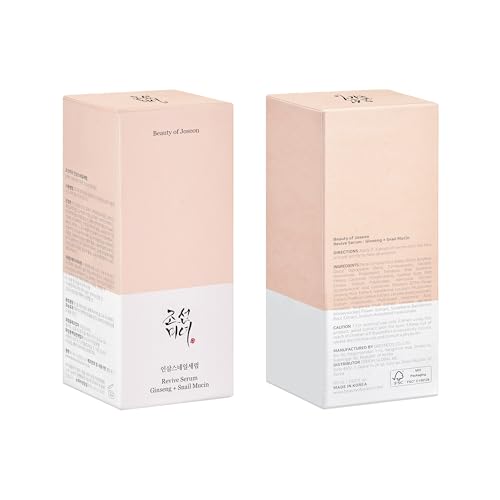
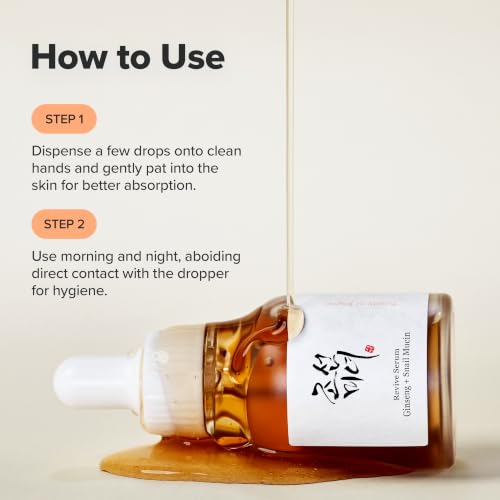

As an Amazon Associate we earn from qualifying purchases. Product prices and availability are accurate as of the date/time indicated.


As an Amazon Associate we earn from qualifying purchases. Product prices and availability are accurate as of the date/time indicated.
How Polynucleotides and PDRN Work in Skin
Polynucleotides exert their skin effects through two primary mechanisms. First, they act as adenosine A2A receptor agonists — the same receptor pathway targeted by pharmaceutical anti-inflammatory drugs — which suppresses pro-inflammatory cytokine release (IL-1β, TNF-α, IL-6) and shifts tissue toward a regenerative, healing-competent state. Second, PN fragments serve as nucleotide raw material for cellular DNA synthesis, directly supporting fibroblast proliferation and the production of new collagen, elastin, and hyaluronic acid by providing the building blocks these processes require.
The distinction between PN and PDRN matters for topical products. PDRN refers to shorter-chain DNA fragments (50–1,500 base pairs) with higher water solubility and better topical penetration. Full polynucleotide (PN) refers to longer chains with greater biological activity in injectable form but lower penetration topically. Most Korean topical salmon DNA serums use PDRN or a hybrid PN/PDRN blend optimized for stratum corneum absorption — look for explicit labeling of the molecular weight range (typically 50–200 kDa for effective topical PN) when brands disclose this.
INCI and Specification Reference Table
| Ingredient Form | INCI Name | Molecular Weight | Primary Mechanism | Best Format |
|---|---|---|---|---|
| PDRN | Polydeoxyribonucleotide (or Salmon DNA) | 50–1,500 kDa | A2A agonism, nucleotide supply | Serum, ampoule |
| Polynucleotide (PN) | Polynucleotide, Sodium Polynucleotide | 500–5,000 kDa | Fibroblast stimulation, matrix support | Gel, cream |
| Salmon DNA Extract | Oncorhynchus Keta (Salmon) Roe Extract | Varies | Hydration, minor PN activity | Essence, toner |
| PN + Hyaluronic Acid blend | Sodium Polynucleotide + Sodium Hyaluronate | PN 500+ kDa; HA 1,800 kDa | Dual matrix support + volume hydration | Serum or injectable-mimic topical |
What Korean Salmon DNA Skincare Treats Best
The clinical evidence base from injectable PDRN/PN studies translates to topical applications in the following priority order for Korean cosmetic use:
- Barrier damage and dehydration: PDRN’s fibroblast-stimulating activity accelerates barrier recovery in compromised skin — including post-procedure, post-retinol, and chronically sensitized skin. Effects on hydration are measurable via corneometry within 2–4 weeks of consistent use.
- Fine lines and skin texture: Collagen and elastin synthesis stimulation produces gradual but structural texture improvement over 8–12 weeks. The mechanism is slower than retinol but significantly gentler — making PDRN the preferred anti-aging active for retinol-intolerant skin.
- Post-inflammatory erythema (PIE) and redness: A2A receptor anti-inflammatory action reduces vascular reactivity and redness — documented in wound-healing studies and increasingly confirmed in cosmetic consumer studies for PIE and rosacea-adjacent redness.
- Post-procedure recovery: Korean dermatology clinics now combine in-clinic PDRN injections with topical PN serums for synergistic recovery acceleration — the topical layer supports the same pathways the injectable activates, extending the treatment window between clinic visits.
How to Integrate Korean Salmon DNA Serum into Your Routine
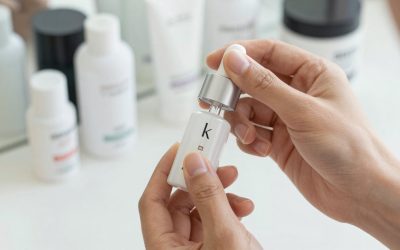
Salmon DNA serums are most effective as the first active step after cleansing — before niacinamide, peptides, or heavier actives. The rationale: PN and PDRN perform better on clean, slightly damp skin where their water-soluble nucleotide chains can penetrate the hydrated stratum corneum most efficiently. Apply 3–5 drops, press gently (do not rub), and allow 30–60 seconds before the next product.
Compatible layering combinations in Korean routines include: salmon DNA serum followed by a ceramide moisturizer (for barrier-focused routines), salmon DNA serum followed by niacinamide (for combined redness + pigmentation), and salmon DNA serum followed by peptide cream (for comprehensive anti-aging). Avoid layering directly with strong acids (pH below 3.5) or high-concentration vitamin C — the acidic environment degrades nucleotide integrity.
For barrier-specific recovery routines, see our guide on Korean barrier repair for damaged skin — PDRN serums integrate naturally into the layering sequence described there.
Identifying Quality: What to Look for in the INCI List
The salmon DNA category has attracted marketing-first products that use the ingredient at trace concentrations insufficient for clinical effect. Quality verification checklist: Sodium Polynucleotide, Polydeoxyribonucleotide, or Oncorhynchus Keta (Salmon) Roe Extract should appear in the first five to eight INCI positions. Products listing these ingredients after preservatives or fragrance deliver cosmetically irrelevant concentrations.
Brands that disclose molecular weight (50–200 kDa for topical PN) and origin (pharmaceutical-grade PDRN from licensed Korean manufacturers like Mastelli or Korean biotech suppliers) are demonstrating formulation transparency. The best Korean salmon DNA serums also include penetration enhancers — Propanediol, Niacinamide at lower concentrations, or liposomal encapsulation technology — to improve bioavailability of large nucleotide molecules through intact skin.
For comparison with other regenerative Korean ingredients in this tier, see our overview of Korean fermented essence and galactomyces products — both categories address cellular-level skin renewal through different mechanisms.
Frequently Asked Questions
Is Korean salmon DNA skincare safe for all skin types?
Yes — topical polynucleotide and PDRN products have a strong safety profile across skin types based on both injectable and topical studies. There are no known comedogenic, photosensitizing, or hormonally active properties. The only documented contraindication is allergy to fish or seafood — individuals with confirmed fish protein allergy should patch-test carefully, as some products may retain trace salmon protein despite purification. Brands that certify their PN/PDRN is protein-free (protein-purified grade) eliminate this risk. The ingredient is otherwise suitable for sensitive, acne-prone, and barrier-compromised skin.
How does Korean salmon DNA compare to hyaluronic acid for hydration?
Hyaluronic acid (sodium hyaluronate) provides immediate, surface-level hydration via humectant water-binding — drawing moisture to the skin surface and plumping the stratum corneum. Polynucleotide provides structural hydration by stimulating fibroblasts to produce the skin’s own hyaluronic acid from within — a slower but more durable effect. The two mechanisms are complementary rather than competing. Korean brands increasingly combine them: topical PN serum followed by a high-molecular-weight sodium hyaluronate moisturizer delivers both immediate surface plumping and progressive internal hyaluronic acid production stimulation.
Can I use salmon DNA skincare with retinol?
Yes, and the combination is particularly well-matched. Retinol accelerates cell turnover and collagen synthesis via retinoic acid receptor activation; PDRN supports fibroblast proliferation and suppresses the irritation response that often accompanies retinol. Applying PDRN serum before retinol in the PM routine reduces retinol-induced erythema and barrier disruption, effectively making retinol more tolerable and allowing faster escalation to higher concentrations. This combination is used clinically in Korean dermatology practices and increasingly reflected in commercial Korean multi-active serum formulas.
How quickly does Korean salmon DNA skincare show results?
Hydration and barrier improvements are typically measurable at 2–4 weeks with consistent daily use. Fine-line and texture improvements follow the collagen synthesis timeline: perceptible changes at 6–8 weeks, significant structural improvement at 3–4 months. Anti-redness effects from A2A receptor modulation appear within 2–4 weeks for reactive skin. These timelines are based on clinical PDRN studies and are consistent with consumer experience data from Korean brands that publish efficacy substantiation. Discontinuation returns skin to baseline over a similar timeframe — ongoing use is required to maintain benefits.
What is the difference between PDRN in Korean skincare and PDRN injections at a clinic?
Injectable PDRN (e.g., Rejuran Healer, widely used in Korean aesthetic clinics) delivers polynucleotide directly into the dermis via microinjection, bypassing the stratum corneum barrier entirely. This allows higher effective concentrations at the fibroblast level with faster and more pronounced results. Topical PDRN must penetrate intact skin, which limits effective delivery — a significant portion remains in the stratum corneum or epidermis. Topical products produce real but more gradual effects compared to injectable; they serve as a maintenance and enhancement layer between clinic treatments or as a gentler entry point for users not ready for injectables.
Final Verdict
Korean salmon DNA skincare occupies a rare position in cosmetic formulation — an ingredient with genuine clinical heritage and a documented mechanism that translates meaningfully from the clinic to the cosmetic shelf. For barrier repair, anti-aging at any age, post-procedure recovery, and redness reduction, topical PDRN and PN products deliver measurable benefit when formulated correctly at functional concentrations. Prioritize products listing Sodium Polynucleotide or Polydeoxyribonucleotide in the top five INCI entries, and pair with ceramide-based moisturizers and SPF for a complete protocol.
To complete your redness and barrier routine alongside salmon DNA, see our guide on Korean azelaic acid for redness and rosacea — a compatible pairing for inflammatory skin concerns.