Last updated: November 1, 2026
- What Is a Korean Honey Mask?
- Honey Face Mask Korean Picks: What to Look For
- Honey Mask Types: Sheet, Wash-Off and Sleeping
- Sleeping Mask vs Rinse-Off Honey Mask: Which One?
- How Often Should You Use a Honey Mask?
- Is a Honey Mask Good for Dry or Sensitive Skin?
- Allergy Warning and How to Patch Test
- Rice Mask vs Honey Mask: What Is the Difference?
- Kitchen Honey vs a Korean Honey Mask
- Where a Honey Mask Fits in Your Routine
- Frequently Asked Questions
A Korean honey mask is a sheet, wash-off or sleeping mask that uses honey, often alongside propolis or royal jelly, to add moisture and a soft, plump feel to the skin. Honey is a humectant, meaning it attracts water, which is why these masks suit dry and dull-looking skin best. Use a honey mask about once or twice a week, patch test first, and skip it if you have a bee product allergy.
What Is a Korean Honey Mask?
Honey face masks are not unique to Korea, but K-beauty brands have turned them into a whole category: honey sheet masks, wash-off honey masks, creamy overnight honey packs, and ranges that combine honey, propolis and royal jelly, three ingredients that come from bees. Many Korean formulas are less sticky than a spoonful of kitchen honey, because the honey is blended into a cream, gel or essence base, usually with other humectants such as glycerin and hyaluronic acid.
What honey does in a skincare product, in simple terms:
- Humectant: it draws water toward the skin surface, so skin feels softer and more supple after use.
- Emollient feel: blended into a cream, it adds a slightly cushiony, glowy finish.
- Not a treatment: a honey mask is a comfort and hydration step, not a cure for acne, eczema or other skin conditions.
Honey Face Mask Korean Picks: What to Look For
We cannot test every product, and formulas change, so here is what we use as a checklist instead of a ranked list with invented scores. Read the current label before you buy.
- Where honey sits in the ingredient list. Honey or honey extract near the top suggests more of it. Far down the list, it may be mostly for marketing. Note that extract and honey itself are different.
- The base. Gel bases suit oily or combination skin. Cream bases suit dry skin. Sheet masks are thin essence-soaked fabric.
- Fragrance and essential oils. Skip them if your skin is reactive.
- Bee-product stacking. Honey plus propolis plus royal jelly is a lot of bee ingredients. Fine if you tolerate them, a bad idea if you are allergic to any.
Brands and lines worth checking
Skinfood’s Royal Honey range is one of the better-known honey and propolis lines in K-beauty and includes products at different richness levels, from essences to creams. Several other Korean brands make honey-based sheet masks and ampoules, so it is usually easier to browse by format than by brand. For overnight use, Laneige’s Water Sleeping Mask is a widely known sleeping mask, although it is not a honey mask; we mention it as a point of comparison for the sleeping-mask format.
You can compare current options here: Skinfood Royal Honey masks on Amazon.
Honey Mask Types: Sheet, Wash-Off and Sleeping
| Format | How you use it | Typical time | Best for |
|---|---|---|---|
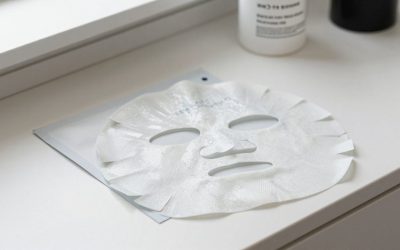
| Sheet mask | Place on clean skin, remove, pat in leftover essence | 10 to 20 minutes, follow the pack | Quick hydration boost, travel, before an event |
| Rinse-off (wash-off) mask | Apply a layer, leave, rinse with lukewarm water | 5 to 15 minutes, follow the pack | Normal to combination skin, people who dislike leave-on residue |
| Sleeping mask | Apply as the last step at night, rinse in the morning | Overnight | Dry skin, dehydrated skin, dry climates |
Sleeping Mask vs Rinse-Off Honey Mask: Which One?
A rinse-off honey mask is a short treatment. You put it on, wait, wash it off, then continue with serum and moisturizer. A sleeping mask is closer to a thick night cream: it sits on the skin overnight and helps limit water loss while you sleep.
- Choose rinse-off if your skin is oily or combination, you break out under thick products, or you want a quick weekly ritual.
- Choose a sleeping mask if your skin feels tight by morning, you live somewhere dry, or you want a final seal after serums. Our Korean sleeping pack guide covers the overnight format in more detail.
- Choose sheet masks when you want something fast with no mess.
Do not use a thick sleeping mask on every night if you are acne-prone without watching how your skin responds, and avoid putting it on active breakouts or broken skin.
How Often Should You Use a Honey Mask?
For most people, once or twice a week is plenty. Hydrating masks are gentle compared with exfoliating ones, but more is not always better: leaving a mask on too long, or using one too often, can leave skin feeling sticky, congested or irritated, especially in humid weather. Always follow the time on the pack, and remove a sheet mask when the instruction says to, since it can start drawing moisture back out as it dries.
| Skin type | Starting frequency | Notes |
|---|---|---|
| Dry | 2 times a week | Sleeping mask can go a little more often if it feels fine |
| Normal | 1 to 2 times a week | Sheet or wash-off |
| Combination | Once a week | Use wash-off or apply thin layers on dry zones |
| Oily or acne-prone | Once a week, or less | Gel formulas, short contact time |
Is a Honey Mask Good for Dry or Sensitive Skin?
Dry skin is the most natural fit because honey attracts water and many honey masks come in richer cream bases. Sensitive skin is more mixed. Honey itself is commonly tolerated, but a lot of honey masks also contain fragrance, essential oils, propolis or other plant extracts, and any of those can be an irritant or allergen.
If your skin is easily irritated:
- Choose a fragrance-free version if one exists.
- Start with a short contact time and a single use per week.
- Patch test first (see below).
- Pair with a soothing step such as a calming serum; our centella asiatica serum guide explains that option.
Allergy Warning and How to Patch Test
Honey and other bee products can trigger allergic reactions in some people, particularly those allergic to bee stings, pollen or propolis. If you have a known allergy to honey, pollen, propolis or royal jelly, do not use these products without a doctor’s advice.
A basic patch test:
- Apply a small amount to the inner forearm or behind the ear.
- Leave it for the time the product suggests, or per the label directions, then wash it off.
- Wait 24 to 48 hours and watch for redness, itching, swelling or burning.
- If anything shows up, do not use it on your face.
This is general guidance, not medical advice. See a doctor for any serious reaction such as swelling of the lips or face or difficulty breathing, and treat that as an emergency.
Rice Mask vs Honey Mask: What Is the Difference?
Rice masks are another classic K-beauty format, based on rice bran, rice water or rice extract. They are often associated with a gentle, brightening-focused, soft feel, and some wash-off rice masks are lightly exfoliating thanks to rice powder or enzymes. Skinfood’s Rice Mask Wash Off is a well-known example of that type.
| Honey mask | Rice mask | |
|---|---|---|
| Main appeal | Moisture, plump feel | Soft, smooth, calm feel |
| Common formats | Sheet, cream, sleeping | Wash-off, sheet, essence |
| Skin fit | Dry, dull, dehydrated | Normal to combination, dull-looking skin |
| Main caution | Bee-product allergy, stickiness | Rice powder can feel gritty, avoid on irritated skin |
Neither is a magic fix. If you want a mask for hydration, go honey. If you want a smooth, lightly exfoliating feel, go rice. You can alternate them across the week.
Kitchen Honey vs a Korean Honey Mask
You can put plain honey on your face, and plenty of people do, but a formulated mask has some practical advantages. It is spreadable and less messy, it is usually combined with other humectants, and it is made with preservatives so it does not spoil. Kitchen honey is sticky, drips, and may contain pollen traces, which matters if you have allergies. If you do try it, use a thin layer, rinse with lukewarm water and patch test first. Do not apply it to broken or inflamed skin.
Where a Honey Mask Fits in Your Routine
Masks go after cleansing and toner, before serum and moisturizer, unless the pack says otherwise (sleeping masks go last). For a wider look at how masks sit next to mists and pads, see our guide to Korean skincare products for glow. If you like bee-derived ingredients, you may also be interested in our propolis serum guide, but keep the allergy caution in mind when stacking them.
In the morning, always follow with sunscreen. Hydration products do not replace sun protection.
Frequently Asked Questions
What is a Korean honey mask?
It is a sheet, wash-off or sleeping mask that uses honey, and sometimes propolis or royal jelly, to add moisture to the skin. The honey acts as a humectant that draws water toward the surface. It is a hydration product, not a medical treatment.
How often should I use a honey mask?
Once or twice a week suits most skin types. Oily or acne-prone skin may prefer once a week or less, and dry skin can often handle two. Follow the time on the packaging.
Is a honey mask good for dry and sensitive skin?
It is a good fit for dry skin. For sensitive skin, check for fragrance, essential oils and propolis in the formula, and patch test first, because honey masks often include several possible irritants alongside the honey.
Should I choose a sleeping mask or a rinse-off honey mask?
Pick a sleeping mask if your skin is dry and tight by morning, and a rinse-off mask if you are oily, combination, or want a short weekly treatment. Sheet masks are the quick option.
What is the difference between a rice mask and a honey mask?
Honey masks focus on moisture and a plump feel, while rice masks usually aim for a smooth, soft finish and are sometimes lightly exfoliating. Both can be used in the same routine on different days.
This article is general information, not medical advice. Do not use bee-derived products if you are allergic, and check the current label of any product before use.