- Top Pick: KONEUK 14 Pack Sheet Face Masks Skincare, Hydrating Face Masks for Dry Skin
- Best Value: BIODANCE Bio-Collagen Real Deep Mask, Hydrating Overnight Hydrogel Face Mask, Pore Minimizing, Elasticity, Plumping, Travel Essentials & Self Care Gifts for Women, Korean Skin Care | 1.19oz(34g) x 4ea
- Premium Choice: Bio-Collagen Facial Mask 8 EA, Hydrating & Soothing Hydrogel Face Mask
Last updated: October 4, 2026
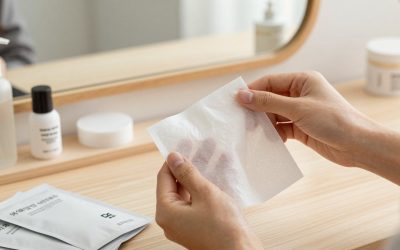
Choosing between sheet masks and hydrogel masks is less about finding a single “best” option and more about matching the mask to your routine, budget, and tolerance for mess. A conventional sheet mask is usually made from cotton, cellulose, or another thin fiber soaked in serum. A hydrogel mask is a translucent, gel-like layer designed to sit closely against the skin, often in two sections for the upper and lower face.
The real buyer decision is simple: do you want the lowest-cost, easiest-to-stock option for occasional hydration, or a more substantial mask that tends to feel cooler, stay in place better, and work well during longer self-care sessions? Both can be useful, but their packaging, texture, wear time, and per-use cost are noticeably different.
As an Amazon Associate we earn from qualifying purchases at no extra cost to you.


Quick Verdict
Choose sheet masks if you want convenience, variety, and the lowest price per use. They are particularly practical for trying different ingredients, preparing for an event, or keeping a few individual packets in a travel bag. A multipack such as the KONEUK 14 Pack Sheet Face Masks Skincare, priced for under $10, illustrates how inexpensive this format can be.
Choose hydrogel masks if you prefer a close, cooling fit and a more substantial feel. They are often a better choice for relaxing at home, using a mask while reclining, or giving a gift that feels more premium. Hydrogel products vary considerably in price: the Bio-Collagen Facial Mask 8 EA is listed for under $10, while the BIODANCE Bio-Collagen Real Deep Mask four-pack is listed at $19.
For most households, the practical answer is not either-or. Keep sheet masks for frequent or budget-conscious use and hydrogel masks for occasional indulgence or longer wear.
Side by Side
| Factor | Sheet Masks | Hydrogel Masks |
|---|---|---|
| Comfort | Lightweight, but some feel wet or may slip | Cool, cushioned, and typically more secure |
| Durability | Can tear when unfolded or adjusted | More cohesive, though edges can still split |
| Price range | About $0.50–$5 per mask | About $1–$10 per mask |
| Maintenance | Discard after one use; little cleanup | Discard after one use; gel residue may need rinsing |
| Space needed | Usually a slim packet, roughly 4–6 inches tall | Often a thicker pouch or jar; roughly 5–8 inches of shelf height |
| Look | Opaque and visibly fabric-like | Translucent, glossy, and sometimes nearly clear |
| Resale | Not generally resold individually | Not generally resold individually; sealed multipacks are giftable |
| Best for | Frequent use, variety, travel, and tight budgets | Longer self-care sessions, cooling comfort, and gifting |
| Typical wear time | About 10–20 minutes, according to package directions | Often 15–40 minutes, or overnight for products specifically labeled for that use |
Where Sheet Masks Wins
Lower upfront cost. Sheet masks are usually the easiest way to build a varied stash without spending much. A 14-count pack priced for under $10 works out to about $0.55 per mask before tax. Even if you use one weekly, that pack can last more than three months. Larger or specialty sheet masks may cost several dollars each, but the format still commonly undercuts hydrogel.
More ingredient variety. Sheet masks are sold in an extensive range of formulas, including hydrating, soothing, brightening, and clarifying options. That makes the format useful when you want to adjust your routine rather than commit to one product type. Individual packets also make it easier to stop using a formula if your skin does not like it.
Better for travel and small storage. A sealed sheet-mask packet is thin and flexible. Ten packets can fit inside a drawer, toiletry case, or narrow bathroom cabinet with far less bulk than a jar or box of thicker hydrogel pieces. For a guest bathroom or small apartment, that compact storage can matter more than the difference in texture.
Easy portion control. Each packet is premeasured for one use. There is no open jar to close tightly, no applicator to wash, and no need to estimate how much product remains. After use, fold the mask into the packet and place it in the trash. Do not flush it, since fabric-like materials can contribute to plumbing problems.
Good for quick routines. If you have 15 minutes before getting dressed or winding down, a sheet mask is simple to apply. It may require more adjustment around the nose, eyes, and mouth than a hydrogel mask, but the lightweight design is convenient for short sessions.
Where Hydrogel Masks Wins
A closer, more cushioned fit. Hydrogel has a thicker, gel-like structure that generally conforms closely to the face. Many designs split into upper and lower sections, which can make placement easier across different face shapes. The material can feel more substantial than a wet fabric mask and may be less likely to flap or shift once positioned.
A cooler sensation. Hydrogel often feels cool when first applied, especially if stored in a refrigerator. This can make it appealing after a warm day, exercise, or a long evening. Refrigeration is optional, however, and any product should be stored according to its package directions rather than exposed to freezing temperatures.
More comfortable for reclining. A hydrogel mask is not automatically mess-free, but its weight and structure can help it stay in contact with the face while you rest. That makes it a natural fit for a 20- to 40-minute self-care session. Avoid activities that require clear vision or active movement, and follow the stated wear time. A product labeled for overnight use should not be treated as interchangeable with a standard short-wear mask.
A premium presentation. Translucent gel, separate face sections, and heavier packaging can make hydrogel masks feel more gift-ready. The BIODANCE Bio-Collagen Real Deep Mask four-pack, priced at $19, is an example of a product positioned for self-care, travel, and gifting. The visual presentation may justify the higher price when the experience matters as much as the basic function.
Potentially less dripping. Because hydrogel itself holds together more firmly than a thin sheet, it may feel less drippy during application. That does not mean every hydrogel mask is dry or completely mess-free. Excess serum can still collect around the jawline, and some masks leave a tacky layer that you may prefer to rinse or massage into the skin.
Cost Over 5 Years
For a useful comparison, assume one mask per week for five years: 52 masks per year, or 260 total uses. At approximately $0.55 per use, the under-$10 KONEUK multipack price would equal about $143 over five years if that same per-mask cost remained available. A sheet mask averaging $2 per use would cost about $520 over the same period.
Hydrogel costs depend on the purchase. For under $10 for eight masks, the Bio-Collagen Facial Mask works out to about $1.12 per use, or approximately $292 over 260 uses. The $19 BIODANCE four-pack is about $4.75 per mask, which would total roughly $1,235 at weekly use.
These figures are planning estimates, not guarantees. Prices change, and many people use masks less often than once a week. Buying a sheet mask every other week cuts the five-year total in half. You should also consider storage: a cool, dry cabinet is generally enough for sealed packets, while bulky boxes or jars may require more organized shelf space.
Which One for Your Home
Small apartment
Sheet masks are usually the most efficient choice when cabinet space is limited. Flat packets can slide into a drawer or upright bin, and you can buy only a few at a time. Choose hydrogel if you value the cooling feel enough to give up a little storage space, but avoid accumulating multiple bulky boxes before checking your available shelf height and expiration guidance.
Family with kids or pets
Individual sheet-mask packets are easier to separate and store out of reach, especially in a lidded bathroom bin or high cabinet. Hydrogel can be enjoyable, but dropped pieces may be slippery and attractive to curious children or pets. Whichever format you choose, discard used masks promptly and keep unopened products away from heat, moisture, and unsupervised access.
Rental
Both options work well in a rental because neither requires fixtures, equipment, or permanent storage changes. Sheet masks have the advantage if your bathroom has a small vanity or shared medicine cabinet. Hydrogel masks may be preferable if you want a spa-like routine without installing anything, lighting candles, or adding appliances. A small container measuring about 6 by 4 inches can keep several packets organized without taking over the counter.
Long-term home
A long-term home gives you more flexibility to create a dedicated self-care drawer or shelf. Consider keeping a mixed supply: affordable sheet masks for regular use and hydrogel masks for weekends, guests, or gifts. A divided organizer can prevent packets from being crushed, while a simple inventory check every few months helps ensure older products are used first.
FAQ
Are hydrogel masks better than sheet masks?
Not universally. Hydrogel masks often provide a closer, cooler, more cushioned feel, while sheet masks are usually cheaper, lighter, and easier to store. The better choice depends on comfort, budget, and how often you plan to use one.
Can you wear a sheet mask or hydrogel mask overnight?
Only use a mask overnight when the packaging specifically says it is designed for overnight wear. Standard sheet and hydrogel masks should be removed within the recommended time. Leaving a mask on until it dries can make the experience uncomfortable and may leave the skin feeling tight.
Which type is less messy?
Hydrogel can stay in place well and may drip less than a saturated sheet, but it can leave a slippery or tacky residue. Sheet masks are easy to remove and discard, though their serum may run around the chin or neck. Applying either mask while seated or reclining over a towel can reduce cleanup.
Can you reuse either type?
No. Both sheet and hydrogel masks are generally designed for one use. Reusing them can introduce bacteria and reduces the cleanliness of the application. Discard the mask after the recommended session, then follow the product directions for whether to pat in or rinse away any remaining serum.
Ready to decide? Our #1 pick for 2026 is the Comfort.
Live price & availability on Amazon.