- Top Pick: The Ordinary AHA 30% + BHA 2% Peeling Solution, Advanced Exfoliating Peel for Brighter Skin
- Best Value: Glycolic Acid 50% Gel Peel – Enhanced with Retinol & Green Tea Extract (Professional Skin Peel)1 ounce
- Premium Choice: QRxLabs 70% Glycolic Acid Gel Peel & Neutralizer Set | Professional-grade skincare. Exfoliating peel accelerates cell turnover, boosts collagen, evens tone. Neutralizer balances pH
Last updated: October 4, 2026
As an Amazon Associate we earn from qualifying purchases at no extra cost to you.




Introduction
At-home chemical peels have made professional-grade skin resurfacing accessible to everyone, allowing you to address concerns like hyperpigmentation, fine lines, acne scars, and uneven texture from the comfort of your own home. These targeted treatments use exfoliating acids at controlled concentrations to remove damaged outer layers of skin and stimulate cellular renewal. With the right product and proper protocol, you can achieve noticeable improvements in skin clarity and smoothness with regular use.
Key Features/Ingredients to Look For
- Acid Concentration and Type: At-home peels typically use glycolic acid, lactic acid, mandelic acid, or salicylic acid at concentrations between 5% and 30%; choosing the right acid type and strength for your skin concern and tolerance is the most critical factor in achieving safe, effective results.
- pH Level: The effectiveness of a chemical peel is directly tied to its pH; look for products with a pH between 3.0 and 3.5 for optimal exfoliation, as formulas with higher pH levels may feel milder but deliver significantly less resurfacing benefit.
- Neutralizing and Soothing Components: Quality at-home peel kits include a neutralizing step or post-peel serum containing calming ingredients like aloe vera, centella asiatica, or panthenol to stop the acid reaction and restore comfort immediately after treatment.
Top Picks
The Ordinary AHA 30% + BHA 2% Peeling Solution
The Ordinary's Peeling Solution is one of the most talked-about at-home chemical exfoliants available, offering a potent blend of 30% alpha hydroxy acids and 2% beta hydroxy acid at an accessible price point. The ten-minute mask visibly improves skin clarity, texture, and radiance with consistent use, targeting everything from post-acne marks to dullness and fine lines. Due to its high acid concentration, it requires careful use and is recommended only for those with previous exfoliant experience.
Dr. Dennis Gross Alpha Beta Universal Daily Peel
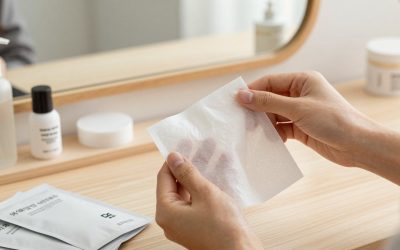
Dr. Dennis Gross's Alpha Beta Daily Peel is a two-step system featuring a blend of five acids in step one to exfoliate and resurface, followed by an anti-aging neutralizing serum in step two. The individually packaged pads make application foolproof and hygienic, and the formula is calibrated to deliver visible results without irritation, downtime, or the risk of over-application. It is a favorite among dermatologists for at-home maintenance between professional treatments.
Peter Thomas Roth Glycolic Solutions 10% Moisturizer
Peter Thomas Roth's Glycolic Solutions 10% Moisturizer offers a gentler entry into chemical exfoliation by combining resurfacing glycolic acid with a nourishing moisturizer base, making it ideal for beginners or those with sensitive skin who want gradual peeling benefits. Regular use helps smooth texture, fade discoloration, and improve overall skin luminosity without the intensity of a standalone peel treatment. It is suitable for nightly use as a leave-on resurfacing moisturizer.
Final Thoughts
At-home chemical peels can deliver impressive results when used correctly, but patience and consistency are essential; significant improvements typically become visible after four to eight weeks of regular use. Always perform a patch test before full application, wear SPF 30 or higher daily while using any exfoliating treatment, and never combine multiple strong actives on peel days. Starting with a lower-strength formula and working up gradually is the safest strategy for achieving glowing, renewed skin without irritation.
What an At-Home Chemical Peel Does
An at-home chemical peel uses acids, AHAs (glycolic, lactic, mandelic), BHA (salicylic), or blends, at consumer-safe concentrations to exfoliate the skin more intensively than a daily product, in an occasional treatment. By dissolving the bonds holding dead cells, a peel reveals smoother, brighter skin, fades dullness and uneven tone, softens fine lines, and helps clear congestion. At-home peels are far milder than professional treatments, offering a gentle resurfacing boost. They suit those wanting visible smoothing and radiance without a clinic visit, when used carefully and not too often.
How to Use an At-Home Peel Safely
Start with a lower strength and short contact time, following the product instructions exactly, and patch-test first. Apply to clean, dry skin, avoiding the eyes, leave it on only for the directed time, then neutralise or rinse as instructed. Use a peel no more than once a week or fortnightly, never daily, and skip your other actives (retinol, acids) around peel days to avoid over-exfoliation. Follow with soothing, hydrating products, and wear diligent daily SPF, since peeled skin is highly sun-sensitive. If you have sensitive skin, start very gently or consult a professional.
Frequently Asked Questions
Are at-home chemical peels safe?
Yes, when used as directed. They use mild, consumer-safe concentrations, far gentler than professional peels. Patch-test, follow timings exactly, and don’t over-use.
How often should I do an at-home peel?
No more than once a week or fortnightly. Daily use or overlapping with other actives causes over-exfoliation, irritation, and barrier damage.
What do I do after a chemical peel?
Follow with soothing, hydrating products, avoid other actives around peel days, and wear diligent daily SPF, since peeled skin is very sun-sensitive.
Related K-Beauty Guides
- Skincare Routine for Beginners: The Complete Step-by-Step Guide
- Best Sunscreen Reapplication Sprays: On-the-Go UV Protection Refresh
- Best Face Steamers for Skincare: Deep Cleanse and Hydrate Your Skin
- Best Derma Rollers for Microneedling: Stimulate Collagen at Home
- Best Face Massage Rollers: Sculpt, Depuff, and Boost Glow
- Best Jade Rollers for Face: Cooling, Depuffing, and Skin-Boosting Benefits
- Best Gua Sha Face Tools: Ancient Ritual for Modern Skin Benefits