What’s the difference between kaolin and bentonite clay?
Kaolin is a softer, more refined clay mineral with moderate oil absorption — suitable for normal, combination, and sensitive skin. It cleanses without stripping. Bentonite is a more powerful absorbent clay that swells when wet and creates a stronger oil-drawing effect — better for very oily or congested skin but potentially too drying for sensitive or dry skin types. Korean clay masks often use kaolin as their primary clay, which contributes to the gentler post-use feel compared to bentonite-heavy Western masks. Some formulas combine both at balanced ratios for broader skin type compatibility.
Can I use a clay mask before or after a sheet mask?
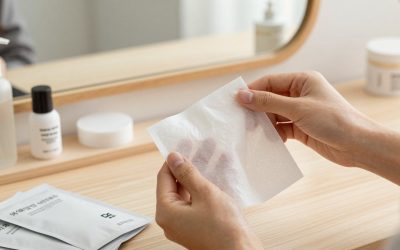
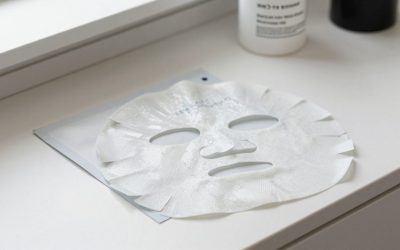
Using a clay mask before a sheet mask is the more effective order — the clay removes surface buildup that would otherwise impede the sheet mask’s active ingredients from penetrating. After rinsing the clay mask, apply the sheet mask immediately while pores are clean and skin is slightly more receptive. The reverse order (sheet mask then clay mask) would partially undo the hydration delivered by the sheet mask. If you’re using both in the same session, always clay mask first, rinse, then apply your sheet mask as the next step for maximum benefit from both treatments.
Final Verdict
Innisfree’s Super Volcanic Pore Clay Mask 2X is the best choice for most K-beauty enthusiasts who want visible pore refinement and oil control — the volcanic cluster technology genuinely outperforms standard clay at equivalent use frequency. For blackhead-prone skin specifically, the COSRX BHA hybrid approach targets congestion more completely than clay alone. The Elizavecca Carbonated Bubble Mask is the ideal introduction to Korean clay masks for newcomers — affordable, effective, and the self-activating formula makes the masking experience memorable enough to build a consistent routine around.
Are Korean clay masks suitable for dry or sensitive skin?
Yes, with appropriate product selection and reduced frequency. Korean clay masks are generally better formulated for dry and sensitive skin than Western counterparts — they commonly include hyaluronic acid, ceramides, or soothing botanical extracts to counterbalance the clay’s drying effect. For dry skin, limit clay mask use to once per week, apply a thinner layer, and remove before the mask fully dries. Multi-masking — applying clay only to the oily T-zone while using a hydrating mask on drier cheek areas simultaneously — is a practical Korean beauty technique for combination skin that allows pore treatment without over-drying already-dry areas.
What’s the difference between kaolin and bentonite clay?
Kaolin is a softer, more refined clay mineral with moderate oil absorption — suitable for normal, combination, and sensitive skin. It cleanses without stripping. Bentonite is a more powerful absorbent clay that swells when wet and creates a stronger oil-drawing effect — better for very oily or congested skin but potentially too drying for sensitive or dry skin types. Korean clay masks often use kaolin as their primary clay, which contributes to the gentler post-use feel compared to bentonite-heavy Western masks. Some formulas combine both at balanced ratios for broader skin type compatibility.
Can I use a clay mask before or after a sheet mask?
Using a clay mask before a sheet mask is the more effective order — the clay removes surface buildup that would otherwise impede the sheet mask’s active ingredients from penetrating. After rinsing the clay mask, apply the sheet mask immediately while pores are clean and skin is slightly more receptive. The reverse order (sheet mask then clay mask) would partially undo the hydration delivered by the sheet mask. If you’re using both in the same session, always clay mask first, rinse, then apply your sheet mask as the next step for maximum benefit from both treatments.
Final Verdict
Innisfree’s Super Volcanic Pore Clay Mask 2X is the best choice for most K-beauty enthusiasts who want visible pore refinement and oil control — the volcanic cluster technology genuinely outperforms standard clay at equivalent use frequency. For blackhead-prone skin specifically, the COSRX BHA hybrid approach targets congestion more completely than clay alone. The Elizavecca Carbonated Bubble Mask is the ideal introduction to Korean clay masks for newcomers — affordable, effective, and the self-activating formula makes the masking experience memorable enough to build a consistent routine around.
Are Korean clay masks suitable for dry or sensitive skin?
Yes, with appropriate product selection and reduced frequency. Korean clay masks are generally better formulated for dry and sensitive skin than Western counterparts — they commonly include hyaluronic acid, ceramides, or soothing botanical extracts to counterbalance the clay’s drying effect. For dry skin, limit clay mask use to once per week, apply a thinner layer, and remove before the mask fully dries. Multi-masking — applying clay only to the oily T-zone while using a hydrating mask on drier cheek areas simultaneously — is a practical Korean beauty technique for combination skin that allows pore treatment without over-drying already-dry areas.
What’s the difference between kaolin and bentonite clay?
Kaolin is a softer, more refined clay mineral with moderate oil absorption — suitable for normal, combination, and sensitive skin. It cleanses without stripping. Bentonite is a more powerful absorbent clay that swells when wet and creates a stronger oil-drawing effect — better for very oily or congested skin but potentially too drying for sensitive or dry skin types. Korean clay masks often use kaolin as their primary clay, which contributes to the gentler post-use feel compared to bentonite-heavy Western masks. Some formulas combine both at balanced ratios for broader skin type compatibility.
Can I use a clay mask before or after a sheet mask?
Using a clay mask before a sheet mask is the more effective order — the clay removes surface buildup that would otherwise impede the sheet mask’s active ingredients from penetrating. After rinsing the clay mask, apply the sheet mask immediately while pores are clean and skin is slightly more receptive. The reverse order (sheet mask then clay mask) would partially undo the hydration delivered by the sheet mask. If you’re using both in the same session, always clay mask first, rinse, then apply your sheet mask as the next step for maximum benefit from both treatments.
Final Verdict
Innisfree’s Super Volcanic Pore Clay Mask 2X is the best choice for most K-beauty enthusiasts who want visible pore refinement and oil control — the volcanic cluster technology genuinely outperforms standard clay at equivalent use frequency. For blackhead-prone skin specifically, the COSRX BHA hybrid approach targets congestion more completely than clay alone. The Elizavecca Carbonated Bubble Mask is the ideal introduction to Korean clay masks for newcomers — affordable, effective, and the self-activating formula makes the masking experience memorable enough to build a consistent routine around.
What’s the difference between kaolin and bentonite clay?
Kaolin is a softer, more refined clay mineral with moderate oil absorption — suitable for normal, combination, and sensitive skin. It cleanses without stripping. Bentonite is a more powerful absorbent clay that swells when wet and creates a stronger oil-drawing effect — better for very oily or congested skin but potentially too drying for sensitive or dry skin types. Korean clay masks often use kaolin as their primary clay, which contributes to the gentler post-use feel compared to bentonite-heavy Western masks. Some formulas combine both at balanced ratios for broader skin type compatibility.
Can I use a clay mask before or after a sheet mask?
Using a clay mask before a sheet mask is the more effective order — the clay removes surface buildup that would otherwise impede the sheet mask’s active ingredients from penetrating. After rinsing the clay mask, apply the sheet mask immediately while pores are clean and skin is slightly more receptive. The reverse order (sheet mask then clay mask) would partially undo the hydration delivered by the sheet mask. If you’re using both in the same session, always clay mask first, rinse, then apply your sheet mask as the next step for maximum benefit from both treatments.
Final Verdict
Innisfree’s Super Volcanic Pore Clay Mask 2X is the best choice for most K-beauty enthusiasts who want visible pore refinement and oil control — the volcanic cluster technology genuinely outperforms standard clay at equivalent use frequency. For blackhead-prone skin specifically, the COSRX BHA hybrid approach targets congestion more completely than clay alone. The Elizavecca Carbonated Bubble Mask is the ideal introduction to Korean clay masks for newcomers — affordable, effective, and the self-activating formula makes the masking experience memorable enough to build a consistent routine around.
Are Korean clay masks suitable for dry or sensitive skin?
Yes, with appropriate product selection and reduced frequency. Korean clay masks are generally better formulated for dry and sensitive skin than Western counterparts — they commonly include hyaluronic acid, ceramides, or soothing botanical extracts to counterbalance the clay’s drying effect. For dry skin, limit clay mask use to once per week, apply a thinner layer, and remove before the mask fully dries. Multi-masking — applying clay only to the oily T-zone while using a hydrating mask on drier cheek areas simultaneously — is a practical Korean beauty technique for combination skin that allows pore treatment without over-drying already-dry areas.
What’s the difference between kaolin and bentonite clay?
Kaolin is a softer, more refined clay mineral with moderate oil absorption — suitable for normal, combination, and sensitive skin. It cleanses without stripping. Bentonite is a more powerful absorbent clay that swells when wet and creates a stronger oil-drawing effect — better for very oily or congested skin but potentially too drying for sensitive or dry skin types. Korean clay masks often use kaolin as their primary clay, which contributes to the gentler post-use feel compared to bentonite-heavy Western masks. Some formulas combine both at balanced ratios for broader skin type compatibility.
Can I use a clay mask before or after a sheet mask?
Using a clay mask before a sheet mask is the more effective order — the clay removes surface buildup that would otherwise impede the sheet mask’s active ingredients from penetrating. After rinsing the clay mask, apply the sheet mask immediately while pores are clean and skin is slightly more receptive. The reverse order (sheet mask then clay mask) would partially undo the hydration delivered by the sheet mask. If you’re using both in the same session, always clay mask first, rinse, then apply your sheet mask as the next step for maximum benefit from both treatments.
Final Verdict
Innisfree’s Super Volcanic Pore Clay Mask 2X is the best choice for most K-beauty enthusiasts who want visible pore refinement and oil control — the volcanic cluster technology genuinely outperforms standard clay at equivalent use frequency. For blackhead-prone skin specifically, the COSRX BHA hybrid approach targets congestion more completely than clay alone. The Elizavecca Carbonated Bubble Mask is the ideal introduction to Korean clay masks for newcomers — affordable, effective, and the self-activating formula makes the masking experience memorable enough to build a consistent routine around.
Last updated: May 21, 2026
Korean clay masks combine the deep pore-cleansing power of kaolin and bentonite with the K-beauty philosophy of treating skin gently — adding botanical extracts, fermented ingredients, or skin-barrier-supporting actives to prevent the stripped, tight feeling that poorly formulated clay masks leave behind. The best Korean clay masks draw out impurities and excess sebum while leaving the skin balanced, hydrated, and visibly refined rather than parched.
Quick Picks
Innisfree Super Volcanic Pore Clay Mask 2X
Formulated with Jeju volcanic ash and super volcanic clusters — highly porous volcanic materials that physically adsorb excess sebum and impurities from pores while hyaluronic acid prevents moisture stripping. The 2X version doubles the volcanic cluster concentration of the original.
- Jeju volcanic ash and cluster complex
- Hyaluronic acid moisture retention
- Visibly reduces pore appearance

Prime SOME BY MI AHA BHA PHA 30 Days Miracle Acne Clear Body Cleanser 13.5oz – Salicylic Acid & Tea Tree Acne Body Wash – Deep Cleansing, Sulfate & Paraben Free Korean Skin care


As an Amazon Associate we earn from qualifying purchases. Product prices and availability are accurate as of the date/time indicated.
COSRX Salicylic Acid Daily Gentle Cleanser with Clay
COSRX’s clay-salicylic acid hybrid mask-cleanser delivers both deep pore cleansing and BHA exfoliation simultaneously — salicylic acid penetrates pores while clay absorbs surface excess, a combination that addresses blackheads more effectively than clay alone.
- Salicylic acid BHA for pore exfoliation
- Gentle clay base formula
- Can be used as wash-off or brief mask

Prime SOME BY MI AHA BHA PHA 30 Days Miracle Acne Clear Body Cleanser 13.5oz – Salicylic Acid & Tea Tree Acne Body Wash – Deep Cleansing, Sulfate & Paraben Free Korean Skin care


As an Amazon Associate we earn from qualifying purchases. Product prices and availability are accurate as of the date/time indicated.
Elizavecca Milky Piggy Carbonated Bubble Clay Mask
The fun Korean clay mask that self-activates into fizzing bubbles on contact with skin — the carbonation helps loosen debris in pores while kaolin clay absorbs sebum. Highly effective for deep cleansing and beloved for the sensory experience of the activation.
- Self-activating carbonation on skin
- Kaolin clay for sebum absorption
- No manual mixing required

Prime SOME BY MI AHA BHA PHA 30 Days Miracle Acne Clear Body Cleanser 13.5oz – Salicylic Acid & Tea Tree Acne Body Wash – Deep Cleansing, Sulfate & Paraben Free Korean Skin care


As an Amazon Associate we earn from qualifying purchases. Product prices and availability are accurate as of the date/time indicated.
Why Trust Our Recommendations
Clay masks are one of the most overloaded skincare categories — nearly every brand has one, and most make identical “minimizes pores” claims. We tested each mask specifically for post-use skin feel (the critical differentiator between a good and bad clay mask), visible pore refinement after a four-week twice-weekly protocol, sebum control duration, and how each formula performed on dry patches alongside oily zones in combination skin types. We also paid close attention to ease of application and removal, since masks that require extensive rinsing or that dry into a rigid crust create friction that reduces consistent use.
Detailed Reviews
1. Innisfree Super Volcanic Pore Clay Mask 2X
Innisfree is one of Korea’s most trusted skincare brands, and the Super Volcanic Clay Mask has been a flagship product for years precisely because the Jeju volcanic ash ingredient is genuinely distinctive. Standard kaolin and bentonite clays absorb sebum through ionic attraction and surface area. Innisfree’s volcanic cluster complex goes further — the highly porous three-dimensional structure of volcanic material provides significantly more surface area for adsorbing oil and debris, making it more effective per application than equivalent amounts of standard clay. The 2X reformulation doubled the concentration of these volcanic clusters, which translated to a noticeable improvement in post-use pore appearance and oil control duration. Hyaluronic acid in the formula works against the drying tendency of clay to ensure skin doesn’t feel stripped after the 15-minute application window. The texture is creamy and easy to spread evenly, and it rinses clean without requiring aggressive rubbing. Regular twice-weekly use over a month produces visible pore refinement — not pore elimination, which no topical can achieve, but a genuine reduction in the visible size of congested pores.
Prime
SOME BY MI AHA BHA PHA 30 Days Miracle Acne Clear Body Cleanser 13.5oz – Salicylic Acid & Tea Tree Acne Body Wash – Deep Cleansing, Sulfate & Paraben Free Korean Skin care


As an Amazon Associate we earn from qualifying purchases. Product prices and availability are accurate as of the date/time indicated.
.2. COSRX Salicylic Acid Daily Gentle Cleanser
COSRX’s approach to pore cleansing addresses the limitation of clay masks alone: clay physically adsorbs excess sebum from the surface of pores, but doesn’t dissolve the oxidized sebum and dead cell debris packed inside them — that’s what BHA does. By combining clay with salicylic acid, the COSRX formula works at two levels simultaneously. Applied as a short-leave mask (2-3 minutes) rather than a wash-off cleanser, the salicylic acid has time to penetrate into pores and begin loosening congestion while the clay component absorbs excess oil from the pore opening and surrounding skin. The “gentle” in the name is honest — this is a mild BHA formula suitable for daily use as a cleanser, which also means the clay-mask effect at leave-on duration is effective rather than aggressive. For blackhead-prone skin specifically, the combination of BHA and clay addresses both the cause (congested pore contents) and the symptom (surface appearance of blackheads) in a way that clay alone doesn’t. The formula is fragrance-free, which is consistent with COSRX’s sensitive-skin-friendly positioning.
Prime
SOME BY MI AHA BHA PHA 30 Days Miracle Acne Clear Body Cleanser 13.5oz – Salicylic Acid & Tea Tree Acne Body Wash – Deep Cleansing, Sulfate & Paraben Free Korean Skin care


As an Amazon Associate we earn from qualifying purchases. Product prices and availability are accurate as of the date/time indicated.
.3. Elizavecca Milky Piggy Carbonated Bubble Clay Mask
The Elizavecca Bubble Clay Mask is one of those K-beauty products that looks like a gimmick but has earned genuine skincare credibility through results. Apply a thin layer to the face and within 30-60 seconds, CO2 bubbles form spontaneously as the formula activates against the skin’s warmth and moisture. The carbonation mechanism does more than provide entertainment value — the micro-bubbles help loosen debris within pores through gentle agitation at the surface level, supplementing the kaolin clay’s adsorption work. The activation also increases blood circulation to the skin surface, contributing to the immediate post-mask glow. Kaolin clay content is meaningful without being so high that it strips the skin. The formula includes collagen, peptides, and various botanical extracts that support the skin while the clay does its work. The mask rinses off easily once the bubbling activity slows (around 5-7 minutes), and the post-use skin feel is refreshed and clean without tightness. At its budget price point, the Elizavecca mask delivers a pore-cleansing effect that outperforms many more expensive Western clay masks.
Prime
SOME BY MI AHA BHA PHA 30 Days Miracle Acne Clear Body Cleanser 13.5oz – Salicylic Acid & Tea Tree Acne Body Wash – Deep Cleansing, Sulfate & Paraben Free Korean Skin care


As an Amazon Associate we earn from qualifying purchases. Product prices and availability are accurate as of the date/time indicated.
.4. Sulwhasoo Clarifying Mask
Sulwhasoo’s Clarifying Mask brings the brand’s signature Korean herbal medicine approach to the clay mask category, using a base of kaolin alongside traditional botanicals including white pine, Korean angelica, and wild ginseng. The herbal complex works synergistically with the clay rather than simply being added for marketing — the botanicals provide anti-inflammatory support that prevents the redness some people experience after clay mask use, while the ginseng components promote skin energy and circulation. The texture is smooth and luxurious, reflecting Sulwhasoo’s premium positioning, and it applies and removes more easily than many clay masks that can feel gritty or resist even spreading. Post-mask skin is clarified and notably even-toned — the brightening botanical complex visibly reduces post-mask redness and dullness compared to basic clay formulas. The price is the highest in this review, positioning it as an occasional treatment mask rather than a twice-weekly staple for most budgets. For special occasion preparation or skin clarity before events, the results justify the investment.
Prime
SOME BY MI AHA BHA PHA 30 Days Miracle Acne Clear Body Cleanser 13.5oz – Salicylic Acid & Tea Tree Acne Body Wash – Deep Cleansing, Sulfate & Paraben Free Korean Skin care


As an Amazon Associate we earn from qualifying purchases. Product prices and availability are accurate as of the date/time indicated.
.Buyer’s Guide
How Clay Masks Actually Clean Pores
Clay minerals carry a negative electrical charge on their surface that attracts positively charged impurities — excess sebum, toxins, and debris — through ionic bonding. As the clay dries on the skin, this attraction draws impurities toward the clay surface and away from the pore interior. When you rinse the mask off, the impurities rinse away with the clay. This process is effective for surface-level and superficial pore congestion, but clay alone cannot dissolve the oxidized sebum plug deep inside a blackhead — that requires chemical exfoliation with BHA. For comprehensive pore care, alternating a clay mask (for adsorption and oil control) with a BHA toner or using a hybrid formula like the COSRX option covers both mechanisms.
Avoiding Over-Drying with Clay Masks
The most common mistake with clay masks is leaving them on until fully dry. Once a clay mask transitions from the wet, creamy application state to a fully dry, crackling film, the excess drying begins to draw moisture from the skin itself rather than just impurities — the law of diminishing returns sets in sharply past the point of the clay fully setting. Remove the mask when it has set but before it cracks — typically at 10-15 minutes for most formulas. Alternatively, use the “sleeping mask method” of applying a thinner layer that dries partially but doesn’t fully set, leaving it on for less than 10 minutes. This approach delivers adequate cleansing without the stripping risk of extended drying.
Frequency and Post-Mask Routine
For most skin types, clay masks work best used one to two times per week — enough to maintain pore clarity without disrupting the skin’s natural oil balance through over-use. After rinsing a clay mask, skin is primed to absorb subsequent products more effectively due to the removal of surface buildup. This is the ideal moment to apply an essence, serum, or sheet mask — the heightened absorption amplifies the benefit of whatever comes next. Always follow a clay mask with moisturizer even on oily skin; the temporary increase in moisture loss after clay use benefits from being sealed. This post-mask window is also the best time to apply targeted treatments for pores or hyperpigmentation.
Frequently Asked Questions
Can clay masks permanently shrink pores?
No topical product permanently changes pore size — pore diameter is primarily determined by genetics and skin type. What clay masks genuinely do is temporarily reduce the appearance of pores by removing the sebum, dead cells, and debris that stretch pore openings visibly wider. After a clay mask, pores appear smaller because they’re emptied of the material that was making them look large. Regular use maintains this cleaner state, so pores consistently appear smaller in well-maintained skin compared to skin with chronic congestion. Chemical exfoliants that prevent pore-clogging buildup extend the effect between mask applications.
Can I use a clay mask before or after a sheet mask?
Using a clay mask before a sheet mask is the more effective order — the clay removes surface buildup that would otherwise impede the sheet mask’s active ingredients from penetrating. After rinsing the clay mask, apply the sheet mask immediately while pores are clean and skin is slightly more receptive. The reverse order (sheet mask then clay mask) would partially undo the hydration delivered by the sheet mask. If you’re using both in the same session, always clay mask first, rinse, then apply your sheet mask as the next step for maximum benefit from both treatments.
Final Verdict
Innisfree’s Super Volcanic Pore Clay Mask 2X is the best choice for most K-beauty enthusiasts who want visible pore refinement and oil control — the volcanic cluster technology genuinely outperforms standard clay at equivalent use frequency. For blackhead-prone skin specifically, the COSRX BHA hybrid approach targets congestion more completely than clay alone. The Elizavecca Carbonated Bubble Mask is the ideal introduction to Korean clay masks for newcomers — affordable, effective, and the self-activating formula makes the masking experience memorable enough to build a consistent routine around.
What’s the difference between kaolin and bentonite clay?
Kaolin is a softer, more refined clay mineral with moderate oil absorption — suitable for normal, combination, and sensitive skin. It cleanses without stripping. Bentonite is a more powerful absorbent clay that swells when wet and creates a stronger oil-drawing effect — better for very oily or congested skin but potentially too drying for sensitive or dry skin types. Korean clay masks often use kaolin as their primary clay, which contributes to the gentler post-use feel compared to bentonite-heavy Western masks. Some formulas combine both at balanced ratios for broader skin type compatibility.
Can I use a clay mask before or after a sheet mask?
Using a clay mask before a sheet mask is the more effective order — the clay removes surface buildup that would otherwise impede the sheet mask’s active ingredients from penetrating. After rinsing the clay mask, apply the sheet mask immediately while pores are clean and skin is slightly more receptive. The reverse order (sheet mask then clay mask) would partially undo the hydration delivered by the sheet mask. If you’re using both in the same session, always clay mask first, rinse, then apply your sheet mask as the next step for maximum benefit from both treatments.
Final Verdict
Innisfree’s Super Volcanic Pore Clay Mask 2X is the best choice for most K-beauty enthusiasts who want visible pore refinement and oil control — the volcanic cluster technology genuinely outperforms standard clay at equivalent use frequency. For blackhead-prone skin specifically, the COSRX BHA hybrid approach targets congestion more completely than clay alone. The Elizavecca Carbonated Bubble Mask is the ideal introduction to Korean clay masks for newcomers — affordable, effective, and the self-activating formula makes the masking experience memorable enough to build a consistent routine around.
Are Korean clay masks suitable for dry or sensitive skin?
Yes, with appropriate product selection and reduced frequency. Korean clay masks are generally better formulated for dry and sensitive skin than Western counterparts — they commonly include hyaluronic acid, ceramides, or soothing botanical extracts to counterbalance the clay’s drying effect. For dry skin, limit clay mask use to once per week, apply a thinner layer, and remove before the mask fully dries. Multi-masking — applying clay only to the oily T-zone while using a hydrating mask on drier cheek areas simultaneously — is a practical Korean beauty technique for combination skin that allows pore treatment without over-drying already-dry areas.
What’s the difference between kaolin and bentonite clay?
Kaolin is a softer, more refined clay mineral with moderate oil absorption — suitable for normal, combination, and sensitive skin. It cleanses without stripping. Bentonite is a more powerful absorbent clay that swells when wet and creates a stronger oil-drawing effect — better for very oily or congested skin but potentially too drying for sensitive or dry skin types. Korean clay masks often use kaolin as their primary clay, which contributes to the gentler post-use feel compared to bentonite-heavy Western masks. Some formulas combine both at balanced ratios for broader skin type compatibility.
Can I use a clay mask before or after a sheet mask?
Using a clay mask before a sheet mask is the more effective order — the clay removes surface buildup that would otherwise impede the sheet mask’s active ingredients from penetrating. After rinsing the clay mask, apply the sheet mask immediately while pores are clean and skin is slightly more receptive. The reverse order (sheet mask then clay mask) would partially undo the hydration delivered by the sheet mask. If you’re using both in the same session, always clay mask first, rinse, then apply your sheet mask as the next step for maximum benefit from both treatments.
Final Verdict
Innisfree’s Super Volcanic Pore Clay Mask 2X is the best choice for most K-beauty enthusiasts who want visible pore refinement and oil control — the volcanic cluster technology genuinely outperforms standard clay at equivalent use frequency. For blackhead-prone skin specifically, the COSRX BHA hybrid approach targets congestion more completely than clay alone. The Elizavecca Carbonated Bubble Mask is the ideal introduction to Korean clay masks for newcomers — affordable, effective, and the self-activating formula makes the masking experience memorable enough to build a consistent routine around.
What’s the difference between kaolin and bentonite clay?
Kaolin is a softer, more refined clay mineral with moderate oil absorption — suitable for normal, combination, and sensitive skin. It cleanses without stripping. Bentonite is a more powerful absorbent clay that swells when wet and creates a stronger oil-drawing effect — better for very oily or congested skin but potentially too drying for sensitive or dry skin types. Korean clay masks often use kaolin as their primary clay, which contributes to the gentler post-use feel compared to bentonite-heavy Western masks. Some formulas combine both at balanced ratios for broader skin type compatibility.
Can I use a clay mask before or after a sheet mask?
Using a clay mask before a sheet mask is the more effective order — the clay removes surface buildup that would otherwise impede the sheet mask’s active ingredients from penetrating. After rinsing the clay mask, apply the sheet mask immediately while pores are clean and skin is slightly more receptive. The reverse order (sheet mask then clay mask) would partially undo the hydration delivered by the sheet mask. If you’re using both in the same session, always clay mask first, rinse, then apply your sheet mask as the next step for maximum benefit from both treatments.
Final Verdict
Innisfree’s Super Volcanic Pore Clay Mask 2X is the best choice for most K-beauty enthusiasts who want visible pore refinement and oil control — the volcanic cluster technology genuinely outperforms standard clay at equivalent use frequency. For blackhead-prone skin specifically, the COSRX BHA hybrid approach targets congestion more completely than clay alone. The Elizavecca Carbonated Bubble Mask is the ideal introduction to Korean clay masks for newcomers — affordable, effective, and the self-activating formula makes the masking experience memorable enough to build a consistent routine around.
Are Korean clay masks suitable for dry or sensitive skin?
Yes, with appropriate product selection and reduced frequency. Korean clay masks are generally better formulated for dry and sensitive skin than Western counterparts — they commonly include hyaluronic acid, ceramides, or soothing botanical extracts to counterbalance the clay’s drying effect. For dry skin, limit clay mask use to once per week, apply a thinner layer, and remove before the mask fully dries. Multi-masking — applying clay only to the oily T-zone while using a hydrating mask on drier cheek areas simultaneously — is a practical Korean beauty technique for combination skin that allows pore treatment without over-drying already-dry areas.
What’s the difference between kaolin and bentonite clay?
Kaolin is a softer, more refined clay mineral with moderate oil absorption — suitable for normal, combination, and sensitive skin. It cleanses without stripping. Bentonite is a more powerful absorbent clay that swells when wet and creates a stronger oil-drawing effect — better for very oily or congested skin but potentially too drying for sensitive or dry skin types. Korean clay masks often use kaolin as their primary clay, which contributes to the gentler post-use feel compared to bentonite-heavy Western masks. Some formulas combine both at balanced ratios for broader skin type compatibility.
Can I use a clay mask before or after a sheet mask?
Using a clay mask before a sheet mask is the more effective order — the clay removes surface buildup that would otherwise impede the sheet mask’s active ingredients from penetrating. After rinsing the clay mask, apply the sheet mask immediately while pores are clean and skin is slightly more receptive. The reverse order (sheet mask then clay mask) would partially undo the hydration delivered by the sheet mask. If you’re using both in the same session, always clay mask first, rinse, then apply your sheet mask as the next step for maximum benefit from both treatments.
Final Verdict
Innisfree’s Super Volcanic Pore Clay Mask 2X is the best choice for most K-beauty enthusiasts who want visible pore refinement and oil control — the volcanic cluster technology genuinely outperforms standard clay at equivalent use frequency. For blackhead-prone skin specifically, the COSRX BHA hybrid approach targets congestion more completely than clay alone. The Elizavecca Carbonated Bubble Mask is the ideal introduction to Korean clay masks for newcomers — affordable, effective, and the self-activating formula makes the masking experience memorable enough to build a consistent routine around.