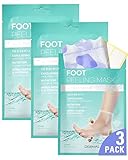
- Top Pick: DERMAL KOREA Foot Peeling Mask 3 Pack For Dry Foot And Cracked Heel & Callus With Aloe Vera And Collagen – Exfoliating Peel Mask With Aha, Bha, & Pha And For Moisturizing, Soothing & Refreshing Feet
- Best Value: DERMAL KOREA Foot Peeling Mask 2 Pack For Dry Foot And Cracked Heel & Callus With Aloe Vera And Collagen – Exfoliating Peel Mask With Aha, Bha, & Pha And For Moisturizing, Soothing & Refreshing Feet
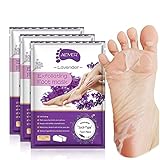
- Premium Choice: DERMORA Foot Peel Mask, Exfoliating Foot Peeling Mask, 2 Pairs, Original
TL;DR: Korean foot peeling masks use a two-sock system saturated with AHA/urea blends to denature the corneodesmosomes holding dead keratin together — resulting in dramatic exfoliation within 5–14 days post-treatment, no pumice required.
Korean Foot Peeling Mask: INCI-Backed Guide to Baby-Soft Feet
The Korean foot peeling mask is one of K-beauty’s most viscerally satisfying treatments — and one of the most biochemically interesting. Unlike physical scrubs that abrade surface cells layer by layer, the foot peeling mask delivers a timed, controlled keratolytic soak that disrupts the protein bridges (corneodesmosomes) anchoring the stratum corneum. The result: a deferred, comprehensive peel that removes weeks of accumulated hyperkeratosis in one treatment cycle. This guide explains the mechanism, the key actives to look for on the INCI, and how to get the best results safely.
As an Amazon Associate we earn from qualifying purchases at no extra cost to you.



How Korean Foot Peeling Masks Work: The Biochemistry
The efficacy of a Korean foot peeling mask rests on three keratolytic mechanisms working in concert:
- Alpha-hydroxy acids (AHAs) — glycolic, lactic, citric: Penetrate the stratum corneum in their non-ionized form (requiring a low formulation pH of 3.0–4.5). They hydrolyze the ionic bonds in corneodesmosome proteins (desmoglein-1, corneodesmosin), loosening cell-to-cell adhesion in the dead keratin layers. Footskin — typically 2–4× thicker than facial stratum corneum — requires longer contact time (60–90 min) to achieve full penetration.
- Urea (carbamide): At concentrations of 20–40%, urea acts as a humectant and keratolytic simultaneously. It disrupts the hydrogen-bond network in keratin fibrils, softening the compacted dead skin before AHAs cleave the intercellular bridges. This dual action explains why foot peel masks work better than AHA-only products on severely calloused heels.
- Salicylic acid (BHA): Lipid-soluble; penetrates sebum-rich fissures and hyperkeratotic folds that water-soluble AHAs miss. Typically present at 0.5–2% in foot mask formulations, just below the prescription keratolytic threshold.
The two-sock delivery system (inner plastic sock + outer cotton sock) achieves occlusion — raising the water activity at the skin surface, swelling the stratum corneum, and dramatically increasing AHA penetration compared to a topical cream applied in open air.
Top 3 Korean Foot Peeling Masks


As an Amazon Associate we earn from qualifying purchases. Product prices and availability are accurate as of the date/time indicated.




As an Amazon Associate we earn from qualifying purchases. Product prices and availability are accurate as of the date/time indicated.


As an Amazon Associate we earn from qualifying purchases. Product prices and availability are accurate as of the date/time indicated.
INCI & Formulation Specs
| Parameter | Optimal Range / Detail |
|---|---|
| Primary AHA actives | Glycolic Acid, Lactic Acid, Citric Acid (combined 5–15%) |
| Urea concentration | 20–40% for hyperkeratosis; 10–20% for mild calluses |
| BHA active | Salicylic Acid 0.5–2% |
| Formulation pH | 3.0–4.5 (critical for AHA efficacy) |
| Contact time | 60–90 minutes under occlusion |
| Peel onset | Day 3–7 post-treatment; complete shedding by Day 10–14 |
| Recommended frequency | Once every 4–6 weeks; not suitable for cracked/open heels |
| Soothing additives | Aloe Barbadensis Leaf Extract, Centella Asiatica Extract, Panthenol |
Step-by-Step Application Protocol
Correct application maximizes even peeling and reduces the risk of over-exfoliation on thinner skin areas (arch, top of foot):
- Soak feet for 10–15 minutes before treatment — warm water swells the stratum corneum, improving AHA uptake.
- Dry thoroughly — excess moisture dilutes the acid solution inside the sock.
- Insert feet into inner plastic socks and seal securely at the ankle. Pull outer cotton socks over for added pressure and occlusion.
- Wear for 60–90 minutes — do not exceed 120 minutes; diminishing returns and increased risk of over-exfoliation of the arch.
- Rinse with lukewarm water and pat dry. Apply a urea-based moisturizer (10–20%) nightly during the peel phase.
- Accelerate peeling on Days 5–10 by soaking feet in warm water for 15–20 minutes daily. Do not peel manually — let the skin shed naturally to avoid tearing live epidermis.
Who Should Avoid Foot Peeling Masks
Korean foot peeling masks are not suitable for all skin conditions. Screen carefully before use:
- Open heel fissures or wounds — AHAs will penetrate dermis through breaks in the barrier, causing chemical burns.
- Diabetes or peripheral neuropathy — impaired sensation prevents pain detection; consult a podiatrist before use.
- Active eczema or psoriasis patches on the foot — acid application to inflamed skin risks severe irritation.
- During or within 2 weeks of isotretinoin therapy — systemic retinoid therapy thins the stratum corneum; chemical exfoliation at this stage causes unpredictable over-peeling.
- Pregnancy — high-concentration AHA and salicylic acid absorption through occluded footskin; insufficient safety data for gestational use.
For an everyday keratolytic maintenance option, pair foot mask treatments with the Korean aloe vera gel applied to heels nightly between treatment cycles. If you are also treating body skin texture, the same AHA principles covered in our glycolic acid pads guide apply to foot exfoliation chemistry.
Frequently Asked Questions
Why does peeling from a Korean foot mask take so long to start?
The AHAs need 3–7 days to propagate from the lower stratum corneum layers upward. The acid cleaves the corneodesmosomes at the deepest dead-cell layer first; as those bonds break, the overlying layers lose structural support and begin separating from the living epidermis below. The visual peeling you see on Day 5–10 is the culmination of a cascade that started at the AHA application on Day 0.
Can I use a Korean foot peeling mask on my hands?
Not recommended. The same AHA concentrations formulated for the 2–4mm-thick plantar stratum corneum will over-exfoliate the much thinner dorsal hand skin (0.5–1mm). If you need hand exfoliation, use a product specifically formulated at lower acid concentrations — typically 5–8% AHA — with a shorter contact time and without occlusion.
Is glycolic acid or lactic acid more effective in foot peeling masks?
Glycolic acid (MW: 76 Da) penetrates faster and deeper due to its smaller molecular size. Lactic acid (MW: 90 Da) penetrates more slowly but delivers superior humectancy alongside keratolysis, reducing post-peel dryness. Best-in-class Korean foot masks use both in combination — glycolic for penetration depth, lactic for moisture retention during the peel phase.
Does the Korean foot peeling mask remove calluses permanently?
No. Calluses are a mechanical pressure response — the body will regenerate hyperkeratosis at high-friction zones (heel, ball of foot, toes) within weeks of any peeling treatment. Regular use every 4–6 weeks and daily moisturization with urea cream (20%) between treatments is the evidence-based maintenance protocol. Consider orthotics if calluses form rapidly due to biomechanical pressure distribution issues.
What should I apply to my feet after the peeling phase is complete?
Once peeling is complete (typically Day 10–14), the newly exposed skin is thinner and more vulnerable to TEWL. Apply a ceramide-rich moisturizer immediately post-shower using the “skin flooding” technique: apply to damp skin within 60 seconds of stepping out of the shower to trap residual moisture. Look for INCI listings of Ceramide NP, Ceramide AP, and Phytosphingosine alongside urea (10–20%) for optimal barrier restoration. For barrier repair strategies, also see our Korean ceramide moisturizer guide.
Related K-Beauty Guides
- Skincare Routine for Beginners: The Complete Step-by-Step Guide
- Best Sunscreen Reapplication Sprays: On-the-Go UV Protection Refresh
- Best Face Steamers for Skincare: Deep Cleanse and Hydrate Your Skin
- Best Derma Rollers for Microneedling: Stimulate Collagen at Home
- Best Face Massage Rollers: Sculpt, Depuff, and Boost Glow
- Best Jade Rollers for Face: Cooling, Depuffing, and Skin-Boosting Benefits
- Best Gua Sha Face Tools: Ancient Ritual for Modern Skin Benefits