- Top Pick: Beauty of Joseon Calming Barrier Serum Green Tea-HA™ + Pathenol | Daily Korean Skincare for Dry and Sensitive Skin, Calming, Soothing, and Deep Hydration 30ml, 1.01 fl.oz
- Best Value: innisfree Green Tea Enzyme Vitamin C Toner Pads | Brightening Korean Face Pads with Hyaluronic Acid and Niacinamide for Dark Spots, Radiance and Even Skin Tone | 60 Pads
- Premium Choice: innisfree Green Tea Amino Acid Cleansing Foam | Hydrating Korean Face Wash | Gentle Lather | pH-Balanced Skincare | Sulfate-Free | Available in Gift Sets

TL;DR: Korean green tea skincare harnesses Camellia sinensis leaf extract — standardized for EGCG (epigallocatechin gallate) — to deliver photoprotection, sebum control, and anti-glycation defense in one antioxidant-dense layer. Fermented green tea variants offer 2–3× higher bioavailability and added probiotic barrier benefits.
Korean Green Tea Skincare: INCI Expert Guide to Antioxidant Defense
Korean green tea skincare has moved well beyond the novelty tea-infused moisturizer phase. The modern K-beauty green tea formulation is a precision antioxidant delivery system built around Camellia sinensis leaf extract — standardized for catechin content, particularly EGCG, the most bioactive polyphenol fraction. EGCG’s antioxidant capacity is approximately 25–100× greater than vitamin C or E on a per-mole basis, making a well-formulated green tea serum or cream one of the most efficient photoprotective steps in any K-beauty routine. This guide breaks down the INCI markers, the key product formats, and how to stack green tea actives for maximum efficacy.
As an Amazon Associate we earn from qualifying purchases at no extra cost to you.




EGCG and Catechins: The Science Behind K-Beauty Green Tea
Green tea contains four primary catechins (all listed under the parent INCI Camellia Sinensis Leaf Extract):
- EGCG (epigallocatechin gallate) — ~60% of total catechin content; direct ROS scavenger, NF-kB inhibitor, 5-alpha-reductase inhibitor (sebum reduction)
- EGC (epigallocatechin) — anti-inflammatory, mild UV-B absorber
- ECG (epicatechin gallate) — inhibits MMP-1 (collagenase), reduces UV-induced collagen degradation
- EC (epicatechin) — vasodilatory, improves microcirculation for a natural radiance effect
In addition to catechins, K-beauty green tea formulas often co-extract L-theanine (amino acid; skin barrier support, stress-response modulation) and chlorophyll derivatives that provide a mild anti-bacterial effect against C. acnes.
Top 3 Korean Green Tea Skincare Products
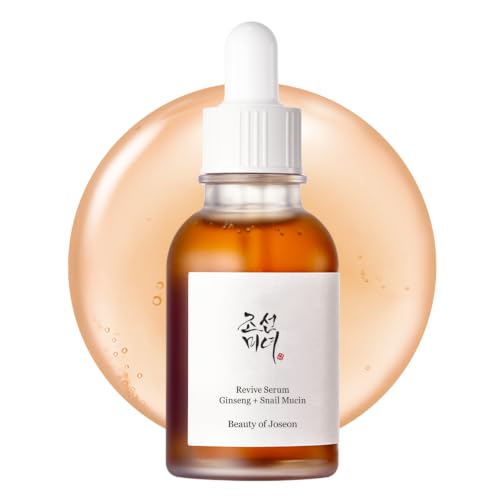




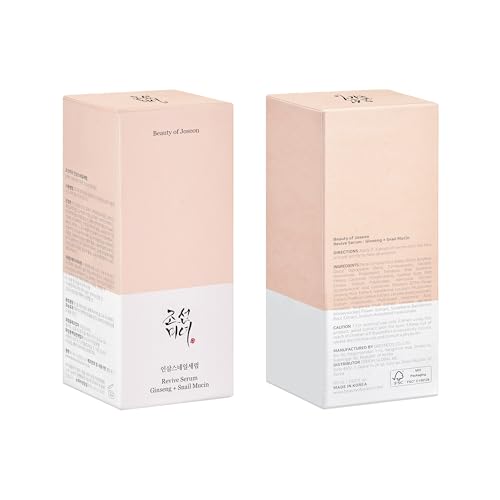
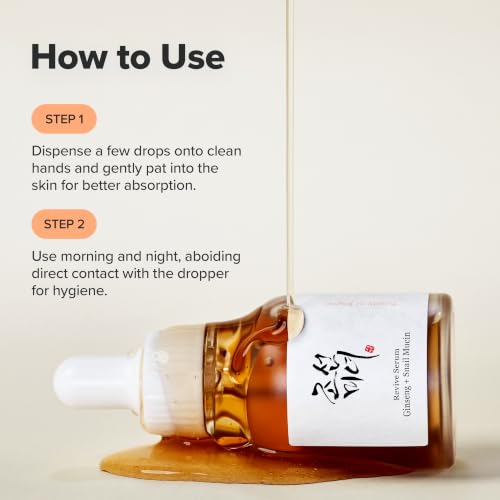

As an Amazon Associate we earn from qualifying purchases. Product prices and availability are accurate as of the date/time indicated.




As an Amazon Associate we earn from qualifying purchases. Product prices and availability are accurate as of the date/time indicated.




As an Amazon Associate we earn from qualifying purchases. Product prices and availability are accurate as of the date/time indicated.
INCI & Formulation Specs
| Parameter | Detail |
|---|---|
| Primary INCI | Camellia Sinensis Leaf Extract / Camellia Sinensis Leaf Water |
| Fermented variant INCI | Camellia Sinensis Leaf Ferment Filtrate (higher EGCG bioavailability) |
| Effective EGCG range | 0.1–1.0% in leave-on products; standardized extract preferred |
| Stability concern | EGCG oxidizes rapidly; protect formula with vitamin E (Tocopherol) co-inclusion |
| Optimal pH for EGCG stability | Below 5.0 (acidic pH slows catechin auto-oxidation) |
| Synergistic INCI partners | Ascorbic Acid, Tocopherol, Niacinamide, Resveratrol |
| Key skin benefits | Photoprotection, sebum control, anti-glycation, anti-inflammatory, anti-aging |
Green Tea Skincare for Oily and Acne-Prone Skin
EGCG’s 5-alpha-reductase inhibition directly reduces the conversion of testosterone to dihydrotestosterone (DHT) at the follicular level — the same pathway targeted by prescription sebosuppressants. In practice, regular topical EGCG application reduces sebum output by 10–20% in oily skin types over 8–12 weeks. This makes Korean green tea skincare uniquely suited to oily and combination skin types who want antioxidant defense without the heaviness of traditional vitamin C serums.
For oily and acne-prone skin, the optimal green tea stack is:
- Green tea toner (prepares and lightly astringes)
- Niacinamide 5% serum (synergistic sebum control + pore minimization)
- Green tea moisturizer with ceramides (antioxidant barrier-seal)
- SPF 50+ PA++++ (AM non-negotiable — EGCG is photoprotective but not SPF-replacement)
Before the green tea toner, a charcoal deep-cleansing mask twice weekly clears the follicle for better EGCG penetration. For post-breakout hyperpigmentation, layer a rice water essence between the green tea toner and niacinamide serum for compounded brightening.
Anti-Aging Applications of Korean Green Tea Skincare
Beyond sebum control, EGCG targets two underappreciated aging pathways:
- Anti-glycation: Advanced glycation end-products (AGEs) cross-link collagen fibers, causing skin rigidity and sallowness. EGCG inhibits AGE formation via carbonyl-trapping chemistry — a mechanism shared with carnosine but at higher potency per gram
- MMP inhibition: ECG fraction inhibits MMP-1 and MMP-9, the two primary enzymes responsible for UV-induced collagen degradation. This preserves dermal collagen density over years of consistent use
For a comprehensive anti-aging K-beauty routine, pair green tea with a chamomile calming step to address the inflammatory aging component (inflammaging) alongside the oxidative and glycation pathways covered by EGCG.
Frequently Asked Questions
Is Korean green tea skincare effective as a vitamin C alternative for antioxidant protection?
For many skin types, yes — and in some cases, green tea EGCG outperforms ascorbic acid. Vitamin C (L-ascorbic acid) is notoriously unstable, requires pH below 3.5 for efficacy (irritating for sensitive skin), and oxidizes within weeks of opening. EGCG is more stable across a wider pH range, is non-irritating, and provides a broader ROS-neutralizing profile including singlet oxygen quenching (which vitamin C cannot address). The ideal approach for comprehensive antioxidant protection is to combine both — but if forced to choose, green tea EGCG is the more practical, skin-compatible option for sensitive or reactive skin types.
Can I use Korean green tea skincare while using retinol?
Yes, and they are an excellent pairing. Retinol increases photosensitivity and generates free radicals during the retinaldehyde-to-retinoic-acid conversion. EGCG as the AM antioxidant layer neutralizes the residual oxidative burden from overnight retinol use and provides the UV defense that retinol-sensitized skin requires. Apply retinol PM, green tea serum AM — this AM/PM split is standard K-beauty protocol for advanced anti-aging routines. Apply an aloe soothing toner before the green tea layer on retinol-use days for additional barrier buffering.
Does fermented green tea in K-beauty products offer more benefits than regular green tea extract?
Yes — fermentation by Lactobacillus or Aspergillus strains converts large, poorly-absorbed catechin polymers into smaller, membrane-permeable galloylated monomers. Studies show 2–3× higher dermal penetration of EGCG from fermented filtrate versus non-fermented extract. Fermentation also produces short-chain postbiotic metabolites (lactic acid, bacteriocins) that reinforce the skin microbiome and add barrier-strengthening benefits beyond the catechin fraction alone. The INCI marker to look for is “Camellia Sinensis Leaf Ferment Filtrate.”
Does Korean green tea skincare help with dark circles under the eyes?
For vascular dark circles (the bluish-purple type caused by visible blood vessels through thin periorbital skin), green tea’s vasodilatory epicatechin fraction can improve microcirculation and temporarily reduce the vascular visibility. Its anti-inflammatory action also addresses the puffiness component by reducing capillary permeability. However, for structural dark circles caused by hyperpigmentation (brown, melanin-driven) or hollowing (loss of orbital fat), green tea provides minimal direct benefit. Use a dedicated caffeine + peptide eye cream for vascular circles, reserving green tea as a broad antioxidant daily serum.
How long does it take to see results from Korean green tea skincare?
Antioxidant and anti-inflammatory benefits begin from the first application — the EGCG is neutralizing free radicals and dampening cytokine signaling each time it contacts the skin. Visible results follow a timeline: sebum reduction is measurable at 6–8 weeks; complexion clarity and tone-evening at 8–10 weeks; structural anti-aging benefits (collagen preservation, reduced glycation accumulation) are cumulative over 6–12 months of consistent daily use. Unlike exfoliating actives, K-beauty green tea skincare rewards consistency over intensity — daily low-dose application outperforms periodic high-dose use in long-term outcome studies.
Related K-Beauty Guides
- Skincare Routine for Beginners: The Complete Step-by-Step Guide
- Best Sunscreen Reapplication Sprays: On-the-Go UV Protection Refresh
- Best Face Steamers for Skincare: Deep Cleanse and Hydrate Your Skin
- Best Derma Rollers for Microneedling: Stimulate Collagen at Home
- Best Face Massage Rollers: Sculpt, Depuff, and Boost Glow
- Best Jade Rollers for Face: Cooling, Depuffing, and Skin-Boosting Benefits
- Best Gua Sha Face Tools: Ancient Ritual for Modern Skin Benefits