- Top Pick: The Ordinary Salicylic Acid 2% Solution, Acne-Fighting Serum for Blemish-Prone Skin, 1 Fl Oz
- Best Value: PanOxyl Clarifying Exfoliant with 2% Salicylic Acid, BHA Liquid Exfoliant for Face, Unclogs, Minimizes Appearance of Pores, Blue Algae and Antioxidants Help Calm Redness, For Acne Prone Skin, 4 fl oz
- Premium Choice: CeraVe Renewing Salicylic Acid Cleanser, BHA Exfoliating Face Wash, 16oz
Last updated: October 4, 2026

📣 Disclosure: This post contains Amazon affiliate links. We may earn a small commission at no extra cost to you. Learn more.
Benzoyl Peroxide vs Salicylic Acid: Which Acne Treatment Wins?
As an Amazon Associate we earn from qualifying purchases at no extra cost to you.


If you have ever stood in the drugstore acne aisle trying to choose between a benzoyl peroxide wash and a salicylic acid treatment, you are not alone. Both are among the most clinically validated over-the-counter acne ingredients available, but they work through completely different mechanisms and suit different types of breakouts. Choosing the wrong one can mean months of disappointment — or worse, increased irritation. This guide breaks down everything you need to know to pick the right acne fighter for your specific situation.
| Feature | Benzoyl Peroxide | Salicylic Acid |
|---|---|---|
| Mechanism | Kills acne bacteria (C. acnes) | Exfoliates inside pores, dissolves clogs |
| Best For | Inflammatory acne (red papules, pustules) | Comedonal acne (blackheads, whiteheads) |
| Common Strengths | 2.5%, 5%, 10% | 0.5%, 1%, 2% |
| Irritation Risk | Higher (especially 10%) | Lower, but still drying at 2% |
| Bleaches Fabric? | ⚠️ Yes — use white towels and pillowcases | No |
| Antibiotic Resistance | No resistance risk (kills via oxidation) | Not antibacterial; no resistance concern |
🛒 Best Price Today on Amazon
Prime members get fast, free shipping on everything above, plus member-only deals. New members get a 30-day free trial — cancel anytime.
Benzoyl Peroxide: Full Overview
Benzoyl peroxide (BPO) is the more powerful of the two for treating active, inflamed breakouts. It works by releasing free radical oxygen into the pore, which destroys the bacteria responsible for inflammatory acne — Cutibacterium acnes (formerly Propionibacterium acnes). Because it kills bacteria through oxidation rather than through antibiotic action, bacteria cannot develop resistance to it — a significant advantage over prescription antibiotics used in acne treatment.
BPO is most effective for:
- Red, inflamed papules and pustules (the classic “pimple”)
- Cystic nodules when used in combination with prescription treatments
- Acne on the back and chest (body acne), where sebaceous glands are larger
- Preventing new breakouts by continuously reducing bacterial load
The concentration question: Higher is not better with BPO. Studies show that 2.5% is nearly as effective as 10% for reducing acne, with significantly less dryness, redness, and peeling. Start at 2.5% or 5% before considering 10%.
Key warning: Benzoyl peroxide bleaches fabric. It will stain sheets, towels, and clothing. Always use white or light-colored linens, and allow the product to fully absorb before contact with fabric.



As an Amazon Associate we earn from qualifying purchases. Product prices and availability are accurate as of the date/time indicated.
Salicylic Acid: Full Overview
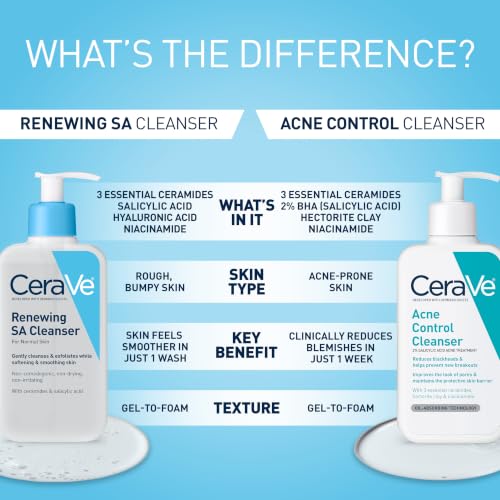
Salicylic acid is a beta-hydroxy acid (BHA) — an oil-soluble exfoliant that penetrates into pores rather than just exfoliating the surface. This is the defining difference from AHAs like glycolic acid: salicylic acid can dissolve the sebum and dead cell buildup that physically blocks pores. It also has mild anti-inflammatory properties through its relationship to aspirin (both are salicylates).
Salicylic acid is most effective for:
- Blackheads and whiteheads (comedonal acne)
- Congested, clogged pores without active inflammation
- Oily skin types prone to ongoing pore blockage
- Mild, non-inflammatory breakouts and texture irregularities
Concentration guidance: At 0.5–1%, salicylic acid is gentle enough for daily use in a cleanser or toner. At 2%, it becomes a more targeted treatment — use on affected areas only, not all over the face, especially if your skin is on the drier side. Korean BHA toners typically formulate around 0.5–1% for daily use.




As an Amazon Associate we earn from qualifying purchases. Product prices and availability are accurate as of the date/time indicated.
Head-to-Head: Which Is Better for Your Acne Type?
| Acne Concern | Winner | Why |
|---|---|---|
| Blackheads and whiteheads | ✅ Salicylic acid | Penetrates pores, dissolves plugs that BPO cannot reach |
| Red, inflamed pimples | ✅ Benzoyl peroxide | Kills the bacteria driving inflammation |
| Sensitive or dry skin | ✅ Salicylic acid (low %) | Lower irritation profile; easier to tolerate long-term |
| Body acne (back/chest) | ✅ Benzoyl peroxide | More effective at penetrating thicker body skin |
| Daily maintenance | ✅ Salicylic acid | Can be used daily in a cleanser; lower cumulative irritation |
| Spot treatment | ✅ Benzoyl peroxide (5–10%) | More aggressive spot action when applied directly to a blemish |
| Combination (clog + bacteria) | ✅ Both together | SA in cleanser/toner AM, BPO spot treatment or wash PM |
Can You Use Both Together?
Yes — and using both strategically is often more effective than either alone. The key is to not apply them in the same step at the same time on the same area. Layering an AHA/BHA directly under or over benzoyl peroxide increases irritation risk without meaningful benefit.
The combination routine that works:
- AM: Salicylic acid cleanser (0.5–1%) → rinse → regular routine + SPF
- PM: Gentle non-acid cleanser → benzoyl peroxide spot treatment (2.5–5%) → moisturizer
This approach uses salicylic acid to prevent clogs forming (preventive) and benzoyl peroxide to treat active bacteria-driven breakouts (curative). Korean skincare brand COSRX makes this approach easy with their Salicylic Acid Daily Gentle Cleanser (0.5%) for daily use alongside their Acne Pimple Master Patch for spot treatment.
What Korean Skincare Uses Instead
Korean acne routines often take a gentler, layered approach to acne — focusing on prevention, barrier support, and controlled exfoliation rather than aggressive topical treatments:
- COSRX BHA Blackhead Power Liquid — 4% betaine salicylate (a gentler BHA cousin) for daily blackhead treatment without over-drying
- Some By Mi AHA BHA PHA 30 Days Miracle Toner — low-percentage multi-acid toner for overall resurfacing and clarity
- TIRTIR Milk Cleanser — gentle daily cleanser that does not strip the barrier, used alongside dedicated acne treatments
- COSRX Acne Pimple Master Patch — hydrocolloid patches that drain and protect active pimples, reducing the need for harsh topical treatments
Frequently Asked Questions
Q: Can I use benzoyl peroxide with retinol?
A: Use them on separate nights or at different times of day — not layered on top of each other. Benzoyl peroxide can oxidize retinol and reduce its effectiveness. A common approach: retinol on alternate nights, BPO on other nights.
Q: Is salicylic acid safe during pregnancy?
A: Low-concentration (0.5–2%) topical salicylic acid is generally considered safe. High-concentration peels (above 2%) or oral forms are not recommended. Always consult your OB-GYN before using any acne treatment during pregnancy.
Q: Why is my skin getting worse with benzoyl peroxide?
A: An initial flare (purging) can occur in the first 2–4 weeks as BPO accelerates the shedding of plugged follicles. If it continues beyond 4–6 weeks or causes severe peeling and redness, you may be reacting to the ingredient or the concentration is too high. Try dropping to 2.5%.
Q: Which is better for hormonal acne?
A: Neither directly targets hormonal acne, which is driven by androgen fluctuations affecting oil production. Hormonal acne around the chin and jawline typically requires a combination approach: salicylic acid to manage pore congestion + benzoyl peroxide for inflamed nodules + possible prescription options (spironolactone, birth control) for severe cases.
Ready to decide? Our #1 pick for 2026 is the Mechanism.
Live price & availability on Amazon.