TL;DR: Korean ferulic acid products deliver photoprotective antioxidant action by quenching ROS generated by UV, IR, and pollution exposure. Ferulic acid stabilises vitamin C and E formulas, dramatically extending their efficacy half-life. Key formulation markers: pH 2.5–3.5, 0.5–1% concentration, combined with L-Ascorbic Acid 10–20% and Tocopherol for synergistic photoprotection.
Korean Ferulic Acid: INCI Guide to Antioxidant Skincare in 2026
Korean ferulic acid products occupy a specialised and high-value position in the antioxidant skincare tier. Ferulic acid (Ferulic Acid, INCI) is a hydroxycinnamic acid derivative found naturally in the cell walls of grasses and grains, where it functions as a photostabiliser for plant polyphenols. In Korean cosmetic formulations, it serves the same photostabilising function for vitamin C (L-Ascorbic Acid) and vitamin E (Tocopherol) — a role confirmed by landmark photobiology research showing that the combination of 15% L-Ascorbic Acid + 1% Tocopherol + 0.5% Ferulic Acid provides roughly four times the photoprotection of L-Ascorbic Acid alone.
As an Amazon Associate we earn from qualifying purchases at no extra cost to you.






Beyond stabilisation, ferulic acid is itself a potent reactive oxygen species (ROS) scavenger. Its phenolic hydroxyl groups donate hydrogen atoms to neutralise superoxide anion, hydroxyl radical, and singlet oxygen — the primary ROS species generated by UVA and UVB exposure. This makes ferulic acid both a direct antioxidant and a force-multiplier for co-formulated vitamin C and E, addressing photoageing and pollution-induced oxidative damage through complementary mechanisms.
Top Picks at a Glance




As an Amazon Associate we earn from qualifying purchases. Product prices and availability are accurate as of the date/time indicated.


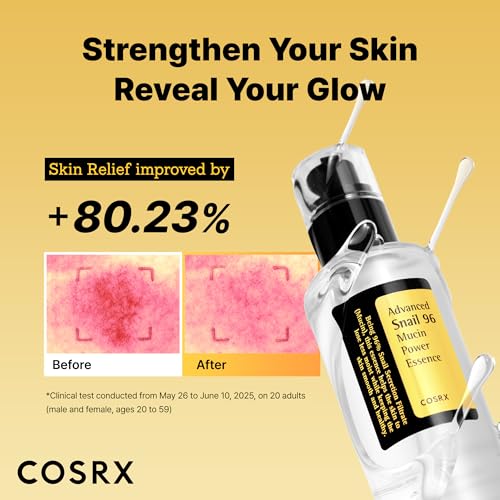


As an Amazon Associate we earn from qualifying purchases. Product prices and availability are accurate as of the date/time indicated.
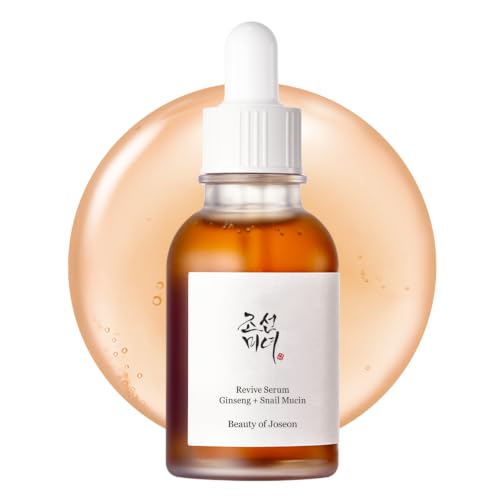


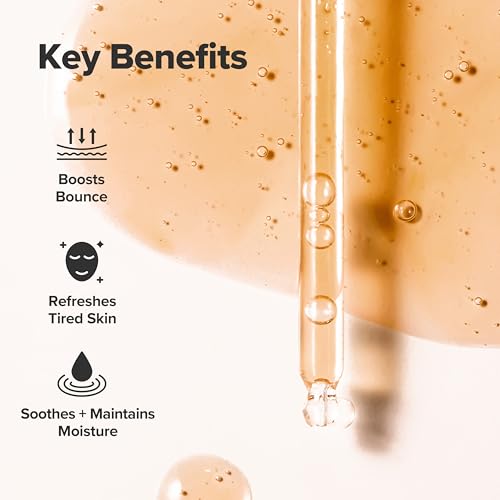


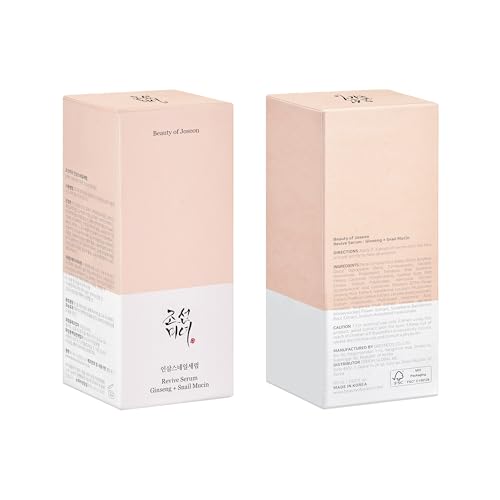
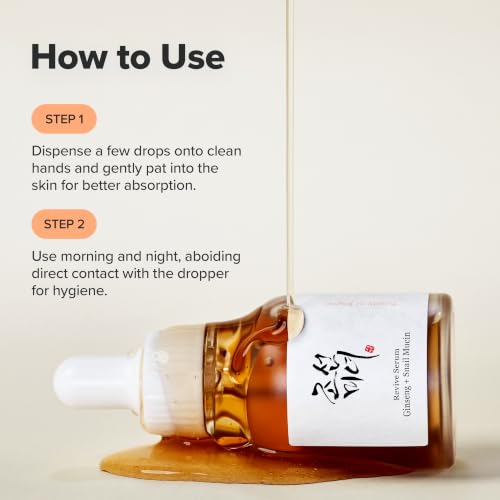

As an Amazon Associate we earn from qualifying purchases. Product prices and availability are accurate as of the date/time indicated.
The Ferulic Acid Stabilisation Mechanism at INCI Level
L-Ascorbic Acid is the gold-standard topical vitamin C form — it has the most clinical data and the highest bioavailability — but it oxidises rapidly when exposed to light, air, and metal ions. Oxidised ascorbic acid (dehydroascorbic acid and diketogulonic acid) not only loses antioxidant activity but can generate pro-oxidant species that counteract the product’s intended effect. Ferulic acid prevents this oxidation chain by acting as a reducing co-antioxidant: it regenerates ascorbic acid molecules that have donated an electron to a ROS, restoring them to active antioxidant status.
Tocopherol (vitamin E) undergoes an identical regeneration — ferulic acid reduces oxidised tocopheryl radicals back to active tocopherol. This creates a self-reinforcing antioxidant network where ferulic acid continuously recycles both vitamin C and E, extending the functional lifespan of all three molecules well beyond what any single antioxidant achieves alone. Korean anti-ageing serums built on this triple-antioxidant architecture consistently outperform single-active formulations in both in vitro stability testing and clinical photoageing outcomes.
INCI and Specification Reference Table
| Specification | Value / INCI Name | Function |
|---|---|---|
| Primary Active | Ferulic Acid | ROS scavenging, antioxidant network stabiliser |
| Concentration Range | 0.5–1% | Photostabilisation effective above 0.5% |
| Target pH | 2.5–3.5 | Required for L-Ascorbic Acid stability and activity |
| Vitamin C Partner | L-Ascorbic Acid (10–20%) | Primary photoprotective antioxidant |
| Vitamin E Partner | Tocopherol (1%) | Lipid-phase ROS quencher, ferulic acid substrate |
| Secondary Antioxidants | Resveratrol, Phloretin, Epigallocatechin Gallate | Extended ROS spectrum coverage |
| Brightening Synergy | Niacinamide (if separate product), Alpha-Arbutin | Melanin transfer inhibition alongside antioxidant action |
| Stability Packaging | Airless pump, amber or opaque glass | Prevents photo-oxidation of L-Ascorbic Acid |
Korean Ferulic Acid vs. Vitamin C Derivative Formulas
Not all vitamin C serums are equal, and ferulic acid’s role changes depending on the vitamin C derivative used. With L-Ascorbic Acid (the most active but least stable form), ferulic acid is essential — it prevents oxidation and doubles the formula’s effective photoprotective dose. With stable vitamin C derivatives such as Ascorbyl Glucoside, Sodium Ascorbyl Phosphate, or Ascorbyl Tetraisopalmitate, ferulic acid’s stabilisation role is less critical since these derivatives are inherently oxidation-resistant. However, ferulic acid’s independent ROS-scavenging activity remains valuable in any antioxidant formula regardless of the vitamin C form used.
Korean formulators who use vitamin C derivatives instead of L-Ascorbic Acid typically include ferulic acid as a standalone antioxidant rather than a stabiliser — often pairing it with Resveratrol and Phloretin for a polyphenol-rich ROS-quenching complex. This approach allows formulation at higher pH (4.5–6.0), making it compatible with sensitive skin that cannot tolerate the pH 2.5–3.5 required for L-Ascorbic Acid efficacy. For the complete picture of Korean vitamin C options, the Korean anti-ageing for 30s guide compares each derivative’s bioavailability and stability profile.
AM Routine Integration: Ferulic Acid and Sunscreen
Ferulic acid-containing vitamin C serums belong exclusively in the AM routine — their function is photoprotective and they provide no benefit at night when UV exposure is absent. Apply after cleansing and toner, before SPF. The low pH of L-Ascorbic Acid + ferulic acid serums can interact with SPF active filters if applied too quickly — wait 3–5 minutes for the serum to absorb before applying sunscreen. This also allows the acid pH to neutralise slightly, reducing the risk of destabilising mineral filter particles in physical SPF formulas.
Do not layer a ferulic acid serum over niacinamide in the same step — the dramatic pH difference (niacinamide is typically formulated at pH 5.5–7.0; ferulic acid serums at pH 2.5–3.5) can cause transient skin flushing when mixed on-skin. Apply the ferulic acid serum first, wait 5–10 minutes, then apply niacinamide if desired. For PM routine antioxidant support, consider a Korean fermented essence — galactomyces filtrate and similar fermented actives provide indirect antioxidant benefit via barrier-strengthening mechanisms at skin-compatible pH.
Pollution Defence: Ferulic Acid Beyond UV Protection
UV is not the only source of skin-ageing ROS. Particulate matter (PM2.5), ozone, and nitrogen dioxide from urban air pollution generate iron-mediated Fenton reactions on the skin surface, producing hydroxyl radicals that cause DNA strand breaks, lipid peroxidation, and melanogenesis activation independent of UV exposure. Ferulic acid’s iron-chelating capacity specifically inhibits this Fenton pathway — iron chelation by ferulic acid’s catechol-adjacent structure prevents Fe2+ from catalysing hydroxyl radical generation, providing an anti-pollution antioxidant mechanism that standard UV-targeting antioxidants miss.
Frequently Asked Questions
Why do Korean ferulic acid serums require such a low pH?
The low pH (2.5–3.5) is required for the stability and activity of L-Ascorbic Acid, the vitamin C form most commonly co-formulated with ferulic acid. L-Ascorbic Acid oxidises rapidly above pH 3.5, converting to dehydroascorbic acid and losing its antioxidant activity. Ferulic acid itself is stable across a wider pH range, but since its primary function in these formulas is to stabilise L-Ascorbic Acid, the whole formula must be formulated at the vitamin C’s stability pH. Serums using stable C derivatives (Ascorbyl Glucoside) can include ferulic acid at higher pH.
Can I use a Korean ferulic acid serum with retinol?
Not in the same step — ferulic acid serums are AM products (photoprotective function); retinol is a PM active (photosensitising, degrades in UV exposure). They should be used in completely separate routine slots: ferulic acid + vitamin C in the morning before SPF, retinol in the evening. This separation is also chemically appropriate — the very low pH of a ferulic acid serum can accelerate retinol-to-retinoic acid conversion if the two are layered in sequence without adequate wait time.
How do I know if my Korean ferulic acid serum has oxidised?
Visual oxidation indicators for L-Ascorbic Acid + ferulic acid serums: the formula changes from clear or pale yellow to orange, amber, or brown. Oxidised serum should be discarded — not because it is harmful, but because oxidised ascorbic acid generates pro-oxidant activity that counteracts the product’s photoprotective intent. To maximise shelf life, store in a cool, dark location (not the bathroom); use within 3 months of opening; and always reseal the airless pump immediately after dispensing.
Is ferulic acid in Korean skincare safe for sensitive skin?
Ferulic acid at 0.5–1% is well-tolerated by most skin types. The irritation risk in ferulic acid serums comes primarily from the co-formulated L-Ascorbic Acid at pH 2.5–3.5, not from ferulic acid itself. Sensitive skin types who cannot tolerate L-Ascorbic Acid at this pH can access ferulic acid’s antioxidant benefits through formulas using stable vitamin C derivatives at higher pH, or through polyphenol antioxidant complexes (Resveratrol + Phloretin + Ferulic Acid) formulated at skin-compatible pH 4.5–6.0.
Does ferulic acid help with hyperpigmentation?
Indirectly, yes. Ferulic acid inhibits tyrosinase activity (the enzyme central to melanin synthesis) and reduces UV-stimulated melanogenesis by neutralising the ROS that upregulate melanocyte-stimulating hormone pathways. When combined with L-Ascorbic Acid — which directly reduces dopaquinone back to DOPA in the melanin pathway — and applied under SPF50+, ferulic acid-containing serums are among the most evidence-supported topical approaches to UV-induced and PIH hyperpigmentation. Results on established hyperpigmentation require consistent use over 8–16 weeks. For broader brightening options, see the Korean tone-up cream guide.