TL;DR: Kojic acid chelates copper in the tyrosinase active site, rendering the enzyme inactive — one of the most direct tyrosinase inhibition mechanisms available in cosmetics. Korean kojic acid lightening products typically use 1–2% concentrations, often stabilized with ferulic acid or encapsulated to prevent oxidation.
Korean Kojic Acid Lightening: Complete INCI Guide to Tyrosinase Inhibition
Kojic acid is one of the oldest brightening actives in Korean skincare — and also one of the most technically misunderstood. Derived from fungal fermentation (primarily Aspergillus oryzae, the same organism used in sake and miso production), kojic acid’s mechanism is distinctly different from arbutin, niacinamide, or tranexamic acid. Understanding exactly how it works — and where its formulation limitations lie — is the difference between buying a product that actually lightens and one that oxidizes on your shelf before you finish it.
As an Amazon Associate we earn from qualifying purchases at no extra cost to you.


Top Korean Kojic Acid Lightening Products


As an Amazon Associate we earn from qualifying purchases. Product prices and availability are accurate as of the date/time indicated.


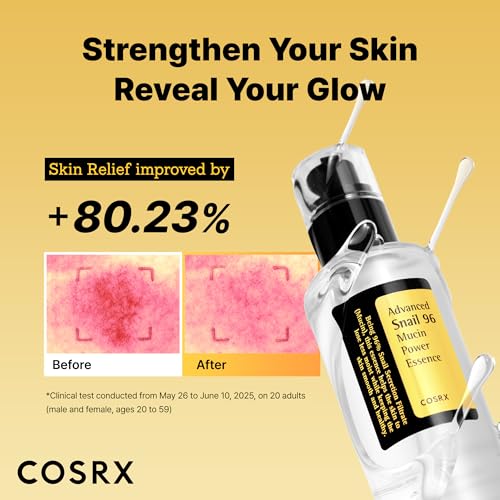


As an Amazon Associate we earn from qualifying purchases. Product prices and availability are accurate as of the date/time indicated.


As an Amazon Associate we earn from qualifying purchases. Product prices and availability are accurate as of the date/time indicated.
The Chemistry: How Kojic Acid Inhibits Tyrosinase
Tyrosinase is the rate-limiting enzyme in melanin biosynthesis. It requires two copper ions in its active site to catalyze the hydroxylation of L-tyrosine to L-DOPA, and the subsequent oxidation of L-DOPA to dopaquinone — the first committed step in melanin production.
Kojic acid (5-hydroxy-2-(hydroxymethyl)-4H-pyran-4-one) is a competitive chelating agent. Its 4-pyranone ring system coordinates with the copper ions in tyrosinase’s active site, effectively disabling the enzyme’s catalytic function. This is direct, mechanism-specific tyrosinase inhibition — not a downstream effect or a melanocyte stress response.
The practical implication: kojic acid addresses both basal and stimulated melanin production. Unlike tranexamic acid (which primarily blocks UV-induced signaling), kojic acid inhibits ongoing melanin synthesis regardless of the trigger — UV, hormonal, or inflammatory. This makes it broadly useful across pigmentation types. For a comparison of brightening mechanisms, see our guide to Korean brightening ingredients compared.
The Formulation Challenge: Stability
Kojic acid’s primary commercial limitation is oxidative instability. The same chelating chemistry that makes it effective at binding copper in melanocytes also makes it reactive with trace metals in water and packaging. Exposed to air, light, or metal contamination, kojic acid oxidizes to a yellowish-brown compound that is both less effective and potentially sensitizing.
Korean formulators address this through several strategies:
- Kojic acid dipalmitate (INCI: Kojic Acid Dipalmitate) — lipophilic ester form; more stable, but requires enzymatic hydrolysis in skin to release active kojic acid; lower peak activity than free acid
- Antioxidant pairing — ferulic acid, tocopherol (vitamin E), or ascorbyl glucoside in the same formulation to quench oxidative degradation
- Encapsulation — microencapsulated kojic acid in some advanced formulations delays oxidation and improves controlled release
- Opaque, airless packaging — practical quality signal; if a kojic acid product is in a clear jar, question the brand’s formulation literacy
A product that smells slightly metallic or has yellowed is degraded kojic acid — discontinue use.
INCI & Specification Reference Table
| Parameter | Detail |
|---|---|
| INCI Name | Kojic Acid |
| CAS Number | 501-30-4 |
| Molecular Weight | 142.11 g/mol |
| Functional Class | Tyrosinase inhibitor, skin lightening agent |
| Typical Cosmetic Concentration | 1–2% w/w (free acid); up to 4% as dipalmitate ester |
| pH Stability | Optimal 4–6; instability and yellowing above pH 7 |
| Solubility | Water-soluble; 550 g/L at 25°C |
| Mechanism | Copper chelation in tyrosinase active site |
| Oxidation Risk | High; requires antioxidant stabilization and opaque packaging |
| Sensitization Potential | Low–moderate; patch test recommended for reactive skin |
| Regulatory Status | Restricted in EU (1% max leave-on); unrestricted in KR/US |
Korean Kojic Acid Pairings That Amplify Results
Kojic acid combines well with actives that work at different steps in the pigmentation cascade or that address the inflammatory component of PIH:
- Niacinamide (5–10%) — inhibits melanosome transfer to keratinocytes; complementary to kojic acid’s synthesis inhibition. See our deep dive on Korean niacinamide benefits for skin.
- Alpha-arbutin (1–2%) — glycosylated hydroquinone precursor; also inhibits tyrosinase via competitive substrate binding; different binding site from kojic acid
- Centella asiatica (CICA) — reduces inflammation that drives PIH; supports barrier repair alongside kojic acid lightening
- Lactic acid (5–10%) — AHA exfoliation accelerates removal of melanin-loaded corneocytes; synergistic surface brightening
Avoid combining kojic acid with high-concentration L-ascorbic acid in the same step — both chelate metals and the combination can accelerate oxidation of kojic acid.
Application and Routine Integration
Apply Korean kojic acid treatments to clean, dry skin before lighter serums. The low molecular weight (142 g/mol) means it penetrates relatively well even without a delivery enhancer. Consistent daily use is more important than high frequency of application — twice daily is optimal; once daily still produces results.
Daily broad-spectrum SPF 50+ is mandatory. Kojic acid does not cause photosensitization, but the pigmentation it is treating is UV-driven. Unprotected UV exposure will restimulate melanocytes faster than kojic acid can suppress them. Our best Korean sunscreens SPF 50 guide covers finishing-step options that won’t disrupt your brightening routine.
FAQ
Is kojic acid safe for long-term daily use?
At cosmetic concentrations (1–2%), kojic acid is considered safe for long-term use by major regulatory bodies including Korea’s MFDS. The main long-term concern is contact sensitization in a minority of users — estimated at less than 5% of regular users in cosmetic dermatology literature. If redness, itching, or a burning sensation develops, discontinue and switch to a less reactive brightener such as tranexamic acid or arbutin.
How does kojic acid compare to alpha-arbutin for lightening?
Both are tyrosinase inhibitors, but via different mechanisms. Alpha-arbutin acts as a competitive substrate — it occupies the tyrosinase active site in place of L-tyrosine. Kojic acid inactivates the enzyme by chelating its copper cofactors. Alpha-arbutin has a lower sensitization profile and is more stable, making it a good choice for sensitive skin. Kojic acid has stronger direct tyrosinase inhibition but requires stabilization. Both can be used together at standard concentrations without interaction issues.
Why is my kojic acid serum turning yellow?
Yellowing indicates oxidative degradation of the kojic acid molecule. This is caused by exposure to air, light, heat, or metal contamination. An oxidized kojic acid product has reduced efficacy and may contain degradation byproducts that increase sensitization risk. Store kojic acid products in a cool, dark location with the cap tightly closed, and prioritize products in opaque, airless pump packaging over open jars.
Can I use Korean kojic acid on body skin, not just face?
Yes. Body application — for darkened knees, elbows, underarms, or inner thighs — is a common K-beauty use case. Body skin is generally less reactive than facial skin and tolerates higher concentrations. Korean kojic acid body lotions and soaps (the latter using kojic acid dipalmitate for stability) are specifically formulated for these applications. Allow longer timelines for body pigmentation: 16–24 weeks vs. 8–12 weeks for facial pigmentation.
Does the EU restriction on kojic acid mean it’s dangerous?
The EU’s 1% concentration limit for leave-on products reflects a precautionary regulatory stance informed primarily by animal sensitization studies. Human clinical data at cosmetic concentrations (1–2%) does not support a safety concern for the general population. Korea and the US do not impose concentration limits, and Korean cosmetic dermatology routinely uses 2% kojic acid formulations without safety flags. The EU restriction is a regulatory conservatism, not evidence of hazard at typical use concentrations.
Frequently Asked Questions
When should I apply the Korean Kojic Acid Lightening in my routine?
After cleansing and toner, before heavier creams. Use it consistently morning or night as directed, and always layer SPF over active serums during the day.
Can I layer this with other actives?
Introduce one active at a time and avoid clashing strong actives (like retinol with vitamin C) in the same routine to prevent irritation.
How long does a bottle last?
Most serums last one to three months with daily use. Store it away from heat and light, and replace it if the texture or colour changes noticeably.