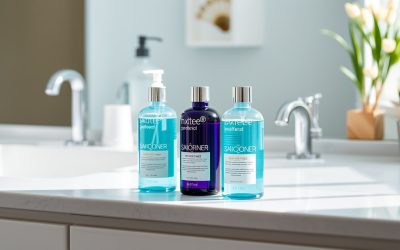
- Top Pick: NEOGEN Dermalogy Real Ferment Micro Essence, 5.07 oz (150ml)
- Best Value: Anua Rice 70 Glow Milky Toner, Non Comedogenic, Korean Skincare, 8.45 fl.oz
- Premium Choice: SKINFOOD Rice Brightening Toner, Korean Skincare Toner for Face with 48 Hours Fermented Rice Water for Healthy Glow Glass Skin, Pore Minimizing, Hydrating, Vegan, 160ml/5.4fl.oz.
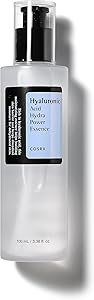
TL;DR: Korean sake toner uses Sake (rice wine) ferment rich in kojic acid precursors, amino acids, and FGF-stimulating peptides for luminosity, hydration, and gentle exfoliation — without alcohol-induced barrier damage.
Korean Sake Fermented Toner: INCI Deep Dive into Rice Wine Brightening Technology
Sake — rice fermented by Aspergillus oryzae — has been used in Japanese and Korean skincare for centuries based on the observation that sake brewers had remarkably smooth, bright hands. Modern INCI analysis confirms why: the fermentation process generates kojic acid (a direct tyrosinase inhibitor), alpha-hydroxy acids (primarily lactic acid), FGF-like peptide fragments that stimulate cell renewal, and a full complement of amino acids that function as natural moisturising factors (NMF). Korean brands have refined sake fermentation protocols to produce high-purity filtrates with reproducible active concentrations, elevating the ingredient from folk remedy to evidence-backed cosmetic active.
As an Amazon Associate we earn from qualifying purchases at no extra cost to you.


Top Korean Sake Fermented Toners: Comparison


As an Amazon Associate we earn from qualifying purchases. Product prices and availability are accurate as of the date/time indicated.




As an Amazon Associate we earn from qualifying purchases. Product prices and availability are accurate as of the date/time indicated.


As an Amazon Associate we earn from qualifying purchases. Product prices and availability are accurate as of the date/time indicated.
INCI Breakdown and Active Profile
| INCI Name | Function | Notes |
|---|---|---|
| Sake (Oryza Sativa Ferment Filtrate) | Kojic acid precursor, lactic acid, amino acids | Core brightening active |
| Kojic Acid | Direct tyrosinase inhibitor, melanin suppression | Max 1% per EU/KFDA |
| Lactic Acid | AHA exfoliation, NMF component, pH correction | Dual function |
| Glycerin | Humectant, osmotic hydration | Workhorse moisturiser |
| Niacinamide | Melanosomes transfer inhibition, sebum regulation | Often 2–5% in premium SKUs |
| Sodium PCA | NMF component, hygroscopic humectant | High water-binding capacity |
| Centella Asiatica Extract | Madecassoside/asiaticoside — anti-inflammatory, collagen I synthesis | Soothing counterbalance to acids |
| Xanthan Gum | Rheology modifier, skin feel | Non-comedogenic thickener |
Kojic Acid from Fermentation vs Synthetic: Why It Matters
Sake-derived kojic acid is produced in a fermentation matrix alongside organic acids that buffer its pH and stabilise the active, reducing the instability problems (yellowing, oxidation) common in synthetic kojic acid formulations. The co-presence of lactic acid also creates a mild synergistic exfoliation effect that enhances kojic acid’s penetration to the melanosome-rich stratum granulosum. This combination is more effective per molecule than isolated kojic acid at equivalent concentration — a key reason sake-based toners are increasingly preferred over stand-alone kojic acid serums for hyperpigmentation management.
For intensified hyperpigmentation results, combine your sake toner with a tranexamic acid treatment in the PM routine — tranexamic acid targets plasminogen-to-plasmin conversion upstream of kojic acid’s tyrosinase inhibition, creating a multi-pathway approach.
Layering Protocol
Sake fermented toner sits at step 2 in a Korean routine (after cleanser, before essence and serum). Dispense 3–5ml onto palms or a cotton pad and press gently across the face — avoid wiping, which disrupts the freshly cleansed acid mantle. Allow 60 seconds for absorption before layering a galactomyces ferment essence or niacinamide serum.
At pH 5.0–5.5, most sake toners prime the skin optimally for subsequent actives without the pH-drop required for dedicated AHA treatments. Do not apply immediately before a retinol step — allow 20 minutes to prevent irritation from acid-retinoid stacking.
Brightening Timelines and Realistic Expectations
Week 1–2: Improved surface texture, reduced dullness from lactic acid’s gentle corneocyte shedding. Week 3–4: Visible pore refinement as built-up sebum-oxidation debris clears. Week 6–8: Measurable melanin index reduction in post-inflammatory hyperpigmentation spots. For melasma-depth pigmentation, combine with a dedicated licorice root extract melasma treatment and strict daily SPF 50+.
FAQ: Korean Sake Fermented Toner
What makes a sake toner different from a regular hydrating toner?
A sake fermented toner delivers kojic acid, lactic acid, and ferment-derived amino acids that actively brighten and resurface, whereas a basic hydrating toner focuses solely on moisture delivery. Sake toners are multi-functional: they hydrate, gently exfoliate, and inhibit melanin production simultaneously, making them a more efficient single step.
Is sake toner safe for sensitive skin?
Generally yes, when the formulation uses fermentation-buffered kojic acid (not isolated high-concentration kojic acid) and includes centella asiatica or allantoin to counterbalance the mild lactic acid exfoliation. Start with every-other-day application and monitor for redness. If sensitivity persists, reduce frequency or switch to a galactomyces-only essence.
Does sake toner contain real alcohol?
Fermented sake contains ethanol as a byproduct, but quality cosmetic sake filtrates are processed to reduce or eliminate free alcohol. Always check the INCI list — “Alcohol Denat.” appearing in the top half of the list is a red flag for barrier-disrupting formulation. Most reputable Korean brands remove residual ethanol during the filtration and purification stage.
Can you use sake toner with vitamin C serum?
Yes, with caution on timing. The lactic acid in sake toner can destabilise ascorbic acid (L-AA) if pH mismatch is significant. Apply sake toner, wait 60 seconds, then layer a pH-stable vitamin C derivative (ascorbyl glucoside, sodium ascorbyl phosphate) — these tolerate higher pH environments better than L-AA and still deliver brightening synergy.
How does sake toner compare to a dedicated kojic acid serum for dark spots?
A sake toner provides lower-concentration, broad-coverage kojic acid activity alongside lactic acid and amino acids, making it gentler and suitable for full-face daily use. A dedicated kojic acid lightening serum delivers targeted, higher-concentration treatment for stubborn spots. The two are complementary rather than interchangeable in a comprehensive brightening protocol.
Frequently Asked Questions
When should I apply the Korean Sake Fermented Toner?
Right after cleansing, before serums. Pat it into the skin or sweep with a cotton pad, then continue with the rest of your routine.
Is this toner alcohol-free?
Choose alcohol-free, hydrating formulas to avoid dryness. If the toner exfoliates, follow with moisturiser and always wear daily SPF.
Can sensitive skin use this?
Patch-test first. Hydrating, soothing toners suit sensitive skin; introduce any exfoliating toner gradually to avoid irritation.