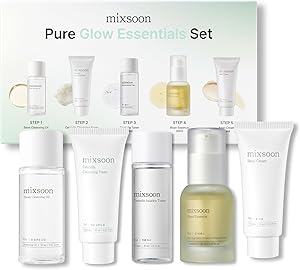
- Top Pick: Anua Niacinamide 10 + TXA 4 Serum, Korean Skincare, 1.01 fl.oz
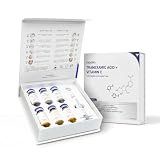
- Best Value: Tranexamic Acid Serum, Gold Vitamin C, Dark Spots, Pigmentation serum, Improves the Appearance, Anti-Aging Serum, Suitable for All Skin Types, Skincare, Repairs and Comforts, Reduces Wrinkles (1PC)
- Premium Choice: DR.Melaxin TX Tranexamic Acid CREAM | Skin freckle Cream, Blemishes, Anti-pigmetation korean skin care | Korean Cosmetics | 1.7 fl oz (50 ml)
TL;DR: Tranexamic acid (TXA) blocks the plasminogen-keratinocyte interaction that triggers UV-induced melanogenesis — making it one of the most targeted brightening actives available. Korean TXA formulations typically use 2–5% concentrations, far more tolerable than hydroquinone, with strong clinical evidence for melasma and PIH.
- Top Korean Tranexamic Acid Serums & Treatments
- The Mechanism: Why TXA Is Different From Other Brighteners
- Effective Concentrations in Korean Formulations
- INCI & Specification Reference Table
- Best Ingredient Pairings With Korean TXA Serums
- Who Should Use Korean Tranexamic Acid?
- FAQ
- Frequently Asked Questions
Korean Tranexamic Acid for Pigmentation: INCI Analysis and Top Picks
Tranexamic acid has quietly become the ingredient dermatologists and K-beauty formulators reach for when hydroquinone is too aggressive and niacinamide isn’t enough. Originally a pharmaceutical hemostatic agent, TXA’s mechanism of action in skin pigmentation is specific, well-documented, and — crucially — gentle enough for daily use on reactive skin types. Here’s what the INCI science actually says, and which Korean tranexamic acid products deliver on that promise.
As an Amazon Associate we earn from qualifying purchases at no extra cost to you.




Top Korean Tranexamic Acid Serums & Treatments


As an Amazon Associate we earn from qualifying purchases. Product prices and availability are accurate as of the date/time indicated.




As an Amazon Associate we earn from qualifying purchases. Product prices and availability are accurate as of the date/time indicated.


As an Amazon Associate we earn from qualifying purchases. Product prices and availability are accurate as of the date/time indicated.
The Mechanism: Why TXA Is Different From Other Brighteners
Most brightening actives work by inhibiting tyrosinase — the enzyme that catalyzes melanin production. Tranexamic acid’s mechanism is upstream of that. TXA is a synthetic lysine analogue that competitively inhibits the binding of plasminogen to keratinocytes. When plasminogen activators (particularly tissue plasminogen activator, tPA) are blocked from interacting with keratinocytes, the arachidonic acid cascade that UV radiation triggers is interrupted — and that cascade is precisely what signals melanocytes to produce excess pigment.
In plain terms: TXA prevents the UV-triggered conversation between keratinocytes and melanocytes from happening in the first place. This makes it particularly effective for UV-induced pigmentation (melasma, sun spots) and post-inflammatory hyperpigmentation (PIH), both of which involve keratinocyte-melanocyte cross-talk.
This mechanism also explains why TXA stacks well with tyrosinase inhibitors. It blocks pigmentation from a different angle, creating an additive brightening effect without ingredient conflict. For combination brightening routines, see our guide to Korean brightening serum layering.
Effective Concentrations in Korean Formulations
Clinical studies on topical TXA have used concentrations ranging from 2% to 5%. Korean formulations typically land in the 2–3% range for leave-on products (serums, essences) and may use higher concentrations in rinse-off formats. Unlike some actives where “more is better,” TXA appears to have a relatively flat dose-response curve above 3% — meaning 5% doesn’t necessarily outperform 2% for most users, but does increase the cost of formulation.
Unlike hydroquinone, which is restricted or banned in many markets, tranexamic acid has no regulatory concentration ceiling in cosmetic use across major markets including Korea, the EU, and the US. Korean brands can therefore formulate at clinically relevant concentrations without regulatory obstacles.
INCI & Specification Reference Table
| Parameter | Detail |
|---|---|
| INCI Name | Tranexamic Acid |
| CAS Number | 1197-18-8 |
| Molecular Weight | 157.21 g/mol |
| Functional Class | Skin brightening, depigmenting agent |
| Typical Cosmetic Concentration | 2–5% w/w |
| pH Stability | Stable across broad pH range; optimal 4.5–6.5 |
| Solubility | Freely water-soluble; 165 g/L at 25°C |
| Primary Mechanism | Plasminogen-keratinocyte binding inhibition |
| Secondary Mechanism | Partial tyrosinase inhibition at higher concentrations |
| Irritation Profile | Low; suitable for sensitive and rosacea-prone skin |
| Regulatory Status | Cosmetic ingredient (unrestricted); pharmaceutical at systemic doses |
Best Ingredient Pairings With Korean TXA Serums
TXA is one of the more stack-friendly brightening actives. It does not chelate metals (unlike kojic acid, which can destabilize certain formulations), does not require a low pH to be active (unlike vitamin C ascorbic acid), and does not sensitize skin to UV (unlike some AHAs at high concentrations).
- Niacinamide (4–10%) — inhibits melanosome transfer; different step in the pigmentation cascade; excellent stack
- Arbutin or kojic acid — tyrosinase inhibitors that complement TXA’s upstream block
- Centella asiatica extract — anti-inflammatory effect reduces the keratinocyte UV stress response that TXA also targets
- Broad-spectrum SPF 50+ — non-negotiable; TXA addresses existing pigmentation but cannot replace UV protection
For full-face brightening protocols that incorporate TXA, our Korean anti-pigmentation routine guide covers AM and PM sequencing in detail.
Who Should Use Korean Tranexamic Acid?
TXA is particularly well-suited to skin types that find standard brightening actives difficult: post-acne PIH in melanin-rich skin tones, melasma exacerbated by hormonal fluctuations, and hyperpigmentation on reactive or sensitized skin. The ingredient’s anti-inflammatory properties mean it can be used during the same period as active breakouts — unlike some exfoliating brighteners that aggravate inflammation.
It is one of the few brightening actives considered appropriate for use during pregnancy by some dermatologists (systemic TXA is used medically during pregnancy), though individual medical consultation is always warranted. Check our overview of pregnancy-safe Korean skincare actives for broader context.
FAQ
How long does Korean tranexamic acid take to visibly reduce pigmentation?
Most clinical studies report visible reduction in melanin index at 8–12 weeks of consistent twice-daily use. TXA prevents new pigment formation more rapidly than it can fade existing deposits — so results depend partly on your skin’s natural cell turnover rate. Using a gentle AHA (lactic or mandelic acid) 2–3 nights per week can accelerate surface pigment clearance while TXA prevents new formation.
Can Korean tranexamic acid be used on dark skin tones?
Yes — TXA is one of the most recommended brightening actives for darker Fitzpatrick types (IV–VI) precisely because it lacks the cytotoxic or post-inflammatory risk associated with hydroquinone. Its mechanism doesn’t damage melanocytes; it merely reduces their stimulation. This makes it safe for long-term use without risk of paradoxical hyperpigmentation or ochronosis.
Is tranexamic acid the same as the medical tranexamic acid used for bleeding?
Same molecule, different application route and dose. Systemic (oral/IV) TXA works as a hemostatic by blocking plasminogen throughout the body. Topical cosmetic TXA at 2–5% works locally in the skin epidermis. The dose absorbed transdermally from a leave-on serum is orders of magnitude below systemic therapeutic levels, so the hemostatic mechanism is not meaningfully activated topically.
Can I use Korean TXA serum with vitamin C?
Yes, but formulation matters. L-ascorbic acid (vitamin C) requires a pH below 3.5 for stability and absorption — applying it before a TXA serum (typically pH 5–6) can partially neutralize the vitamin C’s activity. Sequence L-ascorbic acid vitamin C first on clean skin, allow full absorption (10–15 minutes), then apply TXA serum. Alternatively, use a vitamin C derivative (ascorbyl glucoside, ethyl ascorbic acid) that is pH-neutral and can be mixed in the same step.
Does Korean tranexamic acid treat melasma as effectively as hydroquinone?
Head-to-head studies show TXA at 3–5% is comparable to hydroquinone 2% for melasma reduction over 12 weeks, with significantly fewer adverse events (erythema, ochronosis, contact dermatitis). TXA is not as fast-acting as prescription-strength hydroquinone 4%, but it is safer for long-term maintenance use after a hydroquinone course — which is a common Korean dermatological protocol.
Frequently Asked Questions
How do I use the Korean Tranexamic Acid for Pigmentation?
Apply a few drops after cleansing and toning, before moisturiser, once or twice daily as directed. Pat gently into slightly damp skin and follow with SPF in the morning if it contains brightening or exfoliating actives.
How long until I see results?
Hydration is immediate, but brightening, anti-ageing, or texture results typically take four to six weeks of consistent use as the skin renews.
Is this serum suitable for sensitive skin?
Introduce it slowly and patch-test first. If it contains potent actives, start a few times a week and build up, following with a soothing moisturiser.