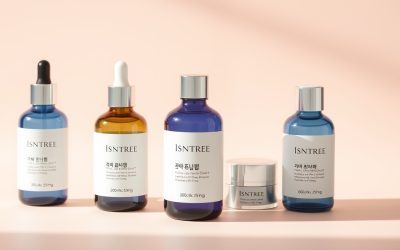
- Top Pick: SeoulCeuticals 97.5% Snail Mucin Korean Face Moisturizer Day & Night Cream
- Best Value: Tree of Life PDRN Serum for Face with Salmon DNA & CICA, 1 Fl Oz
- Premium Choice: Sooryehan Hyobidam Fermented Skincare Gift Set with Wild Ginseng – Premium Korean Anti-Aging Skin Care Kit for Intense Hydration, 13.53 fl oz (Full Size Toner & Emulsion + Mini Cream, Eye Cream, Mask)

TL;DR: Korean anti-aging skincare for your 30s targets three concurrent processes: declining collagen synthesis, early photoaging accumulation, and beginning barrier thinning. The most effective ingredient stack in this decade combines retinol or bakuchiol, peptides, niacinamide, and a stable antioxidant — sequenced correctly within a barrier-supportive base.
Korean Anti Aging 30s Skincare: INCI-Level Strategy for Your Most Important Decade
Your 30s represent the most strategically important decade for skin aging intervention. Collagen synthesis begins declining at approximately 1% per year after age 20, but the visible acceleration — fine lines at expression points, subtle loss of facial volume, first appearance of uneven tone — typically becomes noticeable between 28 and 35. Korean cosmetic formulation has developed a sophisticated, layered approach to this decade that differs from Western anti-aging strategy in both ingredient selection and routine architecture.
As an Amazon Associate we earn from qualifying purchases at no extra cost to you.


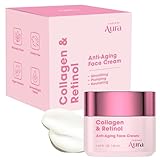


Where Western anti-aging products often rely on high-concentration retinoids as a single-molecule solution, Korean anti-aging for the 30s takes a multi-pathway approach: stimulate collagen via retinol or bakuchiol, inhibit MMP (matrix metalloproteinase) degradation via peptides, reduce oxidative damage via stable antioxidants, control pigmentation via niacinamide or alpha-arbutin, and maintain the barrier simultaneously. This redundancy means results are often more consistent and less irritating than aggressive monotherapy.
Top Picks at a Glance


As an Amazon Associate we earn from qualifying purchases. Product prices and availability are accurate as of the date/time indicated.


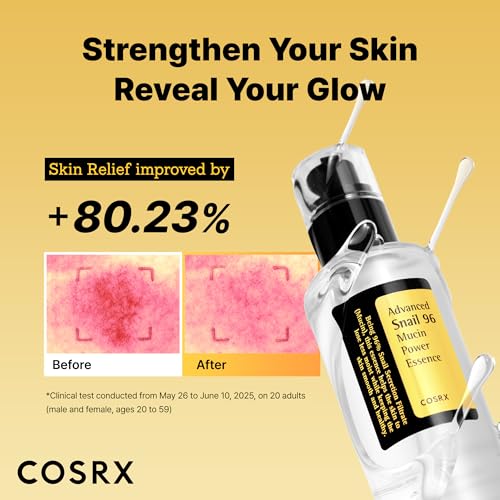


As an Amazon Associate we earn from qualifying purchases. Product prices and availability are accurate as of the date/time indicated.


As an Amazon Associate we earn from qualifying purchases. Product prices and availability are accurate as of the date/time indicated.
The Four-Pathway Korean Anti-Aging Framework for Your 30s
Effective Korean anti-aging in the 30s requires addressing four concurrent biological processes rather than one. Each pathway responds to specific ingredient classes:
- Collagen stimulation: Retinol (0.025–0.1% to start), bakuchiol (0.5–1%), or peptides with TGF-β-like activity (Palmitoyl Pentapeptide-4, Palmitoyl Tripeptide-1). Retinol is the evidence leader; bakuchiol is a valid alternative for retinol-sensitive skin.
- MMP inhibition: Copper peptides (Copper Tripeptide-1) and genistein-containing soy extracts slow the enzymes that degrade existing collagen and elastin. This is where Korean serums outperform Western equivalents — copper peptides appear more frequently and at higher positions in Korean INCI lists.
- Oxidative stress reduction: Ascorbic acid (Vitamin C, ideally L-ascorbic acid at pH 2.5–3.5 for penetration, or a stable derivative like Ascorbyl Glucoside, 3-O-Ethyl Ascorbic Acid), Vitamin E (Tocopherol), and ferulic acid in a combined formula for synergistic antioxidant effect.
- Barrier maintenance: Ceramide NP/AP/EOP blend, cholesterol, and fatty acids in roughly a 3:1:1 ratio — the formulation approach Korean labs pioneered for barrier-mimetic moisturizers and which makes anti-aging actives more effective by reducing transepidermal water loss.
INCI and Specification Reference Table
| Anti-Aging Category | Key INCI Actives | Effective Concentration | Best Product Format | Timing |
|---|---|---|---|---|
| Collagen stimulation | Retinol, Bakuchiol, Palmitoyl Pentapeptide-4 | Retinol 0.025–0.1%; Bakuchiol 0.5–1% | Serum or ampoule | PM only (retinol); AM/PM (bakuchiol, peptides) |
| MMP inhibition | Copper Tripeptide-1, Palmitoyl Tripeptide-1 | Copper peptide 0.1–1% | Serum or essence | AM or PM |
| Antioxidant defence | L-Ascorbic Acid, Ascorbyl Glucoside, Tocopherol, Ferulic Acid | Vitamin C 10–20% | Serum (AM) | AM before SPF |
| Barrier support | Ceramide NP, Ceramide AP, Cholesterol, Fatty Acids | Ceramide blend 0.5–1%+ | Moisturizer or cream | AM and PM, final step |
| Pigmentation control | Niacinamide, Alpha-Arbutin, Tranexamic Acid | Niacinamide 4–10% | Toner, serum, or moisturizer | AM and PM |
How to Layer Korean Anti-Aging Products in Your 30s
Routine architecture determines whether actives work synergistically or compete. The Korean layering principle — thinnest to thickest, water-soluble before oil-soluble — applies strictly to anti-aging routines in the 30s. The AM routine should prioritize antioxidant protection (Vitamin C serum) followed by hydration (hyaluronic acid or fermented essence) and finish with a barrier cream and SPF 50+ PA++++.
The PM routine is where most corrective work happens. After cleansing, apply niacinamide toner or essence, then the peptide or bakuchiol serum, then retinol (if using — start two nights per week and increase frequency over 8 weeks). Finish with a ceramide moisturizer as an occlusive layer. Do not use retinol and Vitamin C in the same step — apply them in separate routines (Vitamin C AM, retinol PM) to avoid potential instability and irritation synergy.
For more on building a complete routine architecture for this decade, see our Korean skincare beginner guide — the layering logic applies regardless of skin age.
Fermented Actives: The Korean Differentiation Factor
Korean anti-aging formulations for the 30s consistently outperform comparable Western products in one specific area: fermented bioactives. Galactomyces Ferment Filtrate — the brightening workhorse in products like SK-II Facial Treatment Essence — delivers a complex of amino acids, organic acids, vitamins, and minerals that improve skin texture, luminosity, and early pigmentation. Bifida Ferment Lysate (as in Estee Lauder Advanced Night Repair, but pioneered in Korean cosmetics) enhances DNA repair enzyme activity in skin cells, directly addressing photoaging accumulation.
These fermented ingredients appear in the first three to five INCI positions in premium Korean anti-aging essences — a stark contrast to Western products where they appear near the bottom as marketing additions. The functional difference is significant: a Galactomyces Ferment Filtrate in position two of the INCI list delivers measurable results; the same ingredient in position 20 does not. For a deeper look at fermented ingredient profiles, see our guide on Korean fermented essence and galactomyces products.
SPF: The Non-Negotiable Anti-Aging Active
No anti-aging serum or cream compensates for daily UV exposure without SPF. Photoaging accounts for approximately 80% of visible facial skin aging, and the 30s represent the decade when cumulative UV damage from the 20s begins expressing visibly. Korean sunscreens formulated with Bis-Ethylhexyloxyphenol Methoxyphenyl Triazine (Tinosorb S) or Methylene Bis-Benzotriazolyl Tetramethylbutylphenol (Tinosorb M) provide broad-spectrum UVA/UVB protection — filter combinations not available in US OTC sunscreens, which is why Korean SPF formulas at equivalent SPF ratings offer superior UVA protection.
Apply SPF 50+ PA++++ as the absolute final AM step, after all serums and moisturizers have absorbed. Reapply every 2 hours of UV exposure. No Korean anti-aging ingredient investment delivers its full return without this baseline.
Frequently Asked Questions
When in your 30s should you start an anti-aging Korean skincare routine?
The best time to start is before you see changes rather than in response to them. Preventive collagen support — low-dose retinol or bakuchiol, a stable Vitamin C serum, and consistent SPF — started at 28–30 significantly reduces the rate of visible change over the next decade. By 35, a corrective layer (higher-concentration retinol, copper peptides) is appropriate for most skin types. The 30s are the highest-ROI decade for anti-aging investment because collagen fibers are still present and remodeling is feasible — unlike the 50s when significant structural loss has already occurred.
What is the difference between bakuchiol and retinol in Korean anti-aging products?
Bakuchiol (Bakuchiol, derived from Psoralea corylifolia seeds) activates some retinoid receptor pathways and upregulates collagen gene expression, but via a different molecular mechanism than retinol. It is not photosensitizing, compatible with pregnancy (unlike retinol), and well-tolerated by sensitive skin. Clinical studies show bakuchiol at 0.5% produces comparable fine-line reduction to retinol 0.5% with significantly less irritation. Retinol remains the evidence leader for structural remodeling at confirmed concentrations; bakuchiol is an excellent first step into anti-aging actives or a permanent replacement for retinol-intolerant skin.
Can I use niacinamide and Vitamin C together in a Korean anti-aging routine?
Yes — the long-held concern that niacinamide and Vitamin C form niacin (causing flushing) has been disproven at normal cosmetic use temperatures and concentrations. Both are highly effective in the 30s anti-aging context — Vitamin C provides antioxidant protection and collagen co-factor support; niacinamide addresses pigmentation, pore appearance, and sebum regulation. The most efficient approach: apply Vitamin C serum first in the AM, allow 60 seconds for partial absorption, then apply a niacinamide toner or moisturizer over it.
What Korean anti-aging ingredients are safe during pregnancy in your 30s?
Safe and effective pregnancy-compatible Korean anti-aging actives include: bakuchiol (retinol alternative), niacinamide (pigmentation and barrier), azelaic acid (pigmentation, safe at cosmetic concentrations), Vitamin C (antioxidant), hyaluronic acid, and all peptide classes. Avoid: retinol and retinoids (all forms), salicylic acid at high concentrations, and hydroquinone. Korean brands have responded to demand with formulas specifically built around the bakuchiol + niacinamide + Vitamin C stack, which covers the primary 30s anti-aging concerns without contraindicated actives.
How long does it take Korean anti-aging products to show results in your 30s?
Collagen synthesis timelines follow the skin’s natural remodeling cycle — 28 days for surface cell turnover, 3–6 months for measurable collagen fiber density changes. Expect surface improvements (texture, hydration, early fine lines) within 4–8 weeks of consistent use. Deeper structural changes (nasolabial depth, crow’s foot severity) require 3–6 months of daily use before clinically measurable improvement. Pigmentation responds faster — niacinamide and alpha-arbutin typically show visible brightening at 4–8 weeks. Set expectations around these biological timelines rather than marketing claims.
Final Verdict
Korean anti-aging for the 30s works because it addresses the biology of this specific decade — modest collagen decline that is still highly responsive to stimulation, early pigmentation that is easier to prevent than reverse, and a barrier that needs support rather than rescue. The multi-pathway approach (retinol or bakuchiol, peptides, Vitamin C, niacinamide, ceramides, SPF) delivers more consistent outcomes than any single-ingredient strategy, and Korean formulations deliver these actives at functional concentrations within barrier-compatible vehicle systems.
For targeted pore and texture concerns common in the 30s, pair this routine with our guide on Korean pore-minimizing products.
Ready to decide? Our #1 pick for 2026 is the Collagen stimulation.
Live price & availability on Amazon.