Last updated: October 12, 2026
- Korean Essence 101: Definition and Purpose
- Essence vs Toner vs Serum: What Is the Difference?
- Do You Actually Need an Essence?
- Types of Korean Essences
- Is Essence in Korean Skincare Worth It? Pros and Cons
- How to Choose a Korean Essence: A Simple Buying Guide
- Best Korean Essences to Try
- Best Korean Essences by Budget and Skin Need
- How to Use a Korean Essence
- Common Essence Mistakes to Avoid
- More Korean Essence Questions
- Frequently Asked Questions
- Conclusion
- Related Articles
- Related Guides

Beauty of Joseon Ginseng Essence Water Hydrating Face Toner for Dry, Dull Skin. Korean Moisturizing Skin Care for Men and Women 150ml, 5.07 fl.oz.
Included for 'What Is a Korean Essence? The Complete Beginner's Guide' as a representative home product in this roundup; selection reflects the product set returned for this topic.
View on Amazon
Pyunkang Yul PKY Essence Toner for Barrier Rebuilding, Highly Concentrated Essence Facial Toner, Minimal Ingredients, Zero-Irritation, Korean Skincare (6.8 Fl. Oz, 200ml)
Included for 'What Is a Korean Essence? The Complete Beginner's Guide' as a representative home product in this roundup; selection reflects the product set returned for this topic.
View on Amazon
VT COSMETICS PDRN 100 Essence, Intensive Glow Serum, 1.01 fl. Oz.
Included for 'What Is a Korean Essence? The Complete Beginner's Guide' as a representative home product in this roundup; selection reflects the product set returned for this topic.
View on Amazon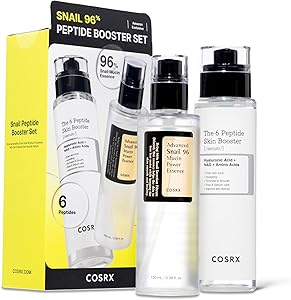
What Is a Korean Essence? The Complete Beginner’s Guide
If you have been exploring Korean skincare, you have probably encountered the word “essence” and wondered what exactly it does — and whether it is just another word for toner or serum dressed up in different packaging.
The short answer: it is neither. A Korean essence occupies a specific place in the skincare routine that nothing else quite replicates. Understanding what it does — and who actually benefits from using one — can meaningfully change how effective your routine is.
This guide covers everything you need to know about Korean essences, from how they work and what distinguishes them from other products, to the best options to try.
Updated October 2026 — What is essence in Korean skincare? It is a lightweight, watery-to-slightly-viscous hydrating step that goes after cleansing and toner and before serum or moisturizer. It prepares skin for the products that follow and adds moderate hydration, usually with humectants or fermented ingredients. Our top starter picks, by exact name: COSRX Advanced Snail 96 Mucin Power Essence, Missha Time Revolution The First Treatment Essence and Beauty of Joseon Glow Serum: Propolis + Niacinamide.
Korean Essence 101: Definition and Purpose
A Korean essence is a lightweight, concentrated liquid product applied after toner and before serum in a K-beauty routine. Its primary role is hydration delivery and skin preparation — it softens the skin, improves its ability to absorb subsequent products, and often delivers a moderate concentration of active ingredients.
Similar watery treatment products are common in both Japanese and Korean skincare, and essences became a staple of K-beauty routines through the 2010s. The Missha Time Revolution Essence is one of the best-known examples.
What Makes an Essence Different?
Three things define a true Korean essence:
- Consistency: Thinner than a serum, slightly more substantial than a watery toner. It often has a slippery, almost viscous quality without being thick or gel-like.
- Purpose: Its primary job is to increase skin receptivity. Think of it as a hydration vehicle that also carries beneficial ingredients deep into the skin.
- Ingredient focus: Most essences emphasize fermented ingredients (galactomyces, bifida ferment), humectants (hyaluronic acid, glycerin), or a combination of both. High active concentrations are more typical of serums.
Essence vs Toner vs Serum: What Is the Difference?
This is the most common question about essences — and the most useful one to answer clearly.
| Feature | Toner | Essence | Serum |
|---|---|---|---|
| Consistency | Very watery | Watery to slightly viscous | Varies (watery to gel-like) |
| Primary Purpose | pH balance, initial hydration | Hydration delivery, skin prep | Targeted treatment |
| Active Concentration | Low | Low to moderate | High |
| When to Apply | First, after cleansing | After toner, before serum | After essence, before moisturizer |
The blurriest line is between toner and essence — especially in K-beauty, where toners are already much more hydrating than Western astringent-style toners. Some products are marketed as “essence toners” and can do double duty. The practical rule: if a product feels more like water, use it in the toner step; if it has more slip and weight, use it in the essence step.
The clearer line is between essence and serum. Serums are targeted treatments with high concentrations of actives (vitamin C, niacinamide, retinol). Essences are not trying to do heavy lifting — they are preparing the skin and layering in hydration, not treating specific concerns at high potency.
Do You Actually Need an Essence?
Honest answer: not everyone does.
An essence is a meaningful addition to a routine if:
- Your skin tends to feel tight, dry, or dehydrated after cleansing
- You want to improve your skin’s texture and radiance over time without adding aggressive actives
- You use multiple serums and want to improve absorption between steps
- Your skin barrier is compromised or sensitive and you need gentle, hydrating support
- You are interested in the long-term benefits of fermented ingredients (brightening, anti-aging, microbiome support)
An essence is less necessary if:
- Your skin is already well-hydrated and not prone to dryness
- You are running an intentionally minimal routine (cleanser, moisturizer, SPF)
- You are already using a hydrating toner that is doing similar prep work
For most people building out a K-beauty routine, an essence is a worthwhile step. But it is the step most easily skipped without significant consequence — unlike cleanser, moisturizer, and SPF, which are non-negotiable.
Types of Korean Essences
Not all essences are formulated the same way. Understanding the main types helps you choose the right one for your skin concerns.
Fermented Essences
These are the classic K-beauty essences. They use fermented ingredients — most commonly galactomyces ferment filtrate (the active in the famous Missha Time Revolution) or bifida ferment lysate — that have been shown to brighten skin tone, improve texture, and support the skin barrier. Fermentation also increases ingredient bioavailability, meaning the skin can use these ingredients more efficiently than their unfermented equivalents.
Best for: dull skin, uneven tone, general anti-aging
Hydrating Essences
Formulated around humectants — primarily hyaluronic acid in multiple molecular weights, glycerin, or beta-glucan. These essences prioritize deep moisture delivery without the fermented ingredient profile. Lighter and often more tolerated by very sensitive skin.
Best for: dehydrated skin, sensitive skin, dry skin types
Treatment Essences
A hybrid category that bridges the gap between essence and serum. Treatment essences include moderate concentrations of actives like niacinamide, centella asiatica, or peptides alongside hydrating ingredients. They are doing more work than a pure hydrating essence but are still lighter than a full serum.
Best for: skin concerns that benefit from consistent, moderate active ingredient exposure
First Essences
A subcategory inspired by the “first treatment essence” concept popularized by SK-II (a Japanese brand). These are very watery — almost like water — and are applied as the very first step after cleansing, before even toner. They typically rely on high concentrations of ferment filtrate. The Missha Time Revolution Essence falls into this category.
Best for: brightening, anti-aging, early barrier repair
Is Essence in Korean Skincare Worth It? Pros and Cons
An essence is rarely essential, but it can make a routine feel more comfortable. Here is a balanced look.
Pros
- Adds a layer of lightweight hydration without a heavy feel, which suits dehydrated skin.
- Can deliver ferment filtrates, humectants or soothing plant extracts in a form that layers well.
- Works as an easy “bridge” between a toner and a serum.
- Many are fragrance-free and priced at an accessible level for beginners.
Cons
- Benefits are mostly about comfort and hydration, not dramatic treatment results.
- An extra step means extra cost and time.
- Naming is inconsistent: some “essences” are marketed as toners or serums, so you cannot always tell from the label.
- Some ferment- or acid-containing essences can irritate sensitive skin.
If you have eczema, rosacea, active acne or a damaged skin barrier, check with a dermatologist before adding a new product, and always patch-test on the inner forearm first.
How to Choose a Korean Essence: A Simple Buying Guide
Use these rules instead of chasing trends:
- Match the base to your skin. Dry or dehydrated skin often prefers hyaluronic acid, glycerin or beta-glucan. Dull skin may like ferment filtrates such as galactomyces. Easily upset skin may prefer centella asiatica or ceramides.
- Check the ingredient list, not the front label. Look for the INCI list on the box or the maker’s website, and note where the headline ingredient sits. Ingredients listed first are present in larger amounts.
- Know your fragrance tolerance. If fragrance bothers you, pick a fragrance-free formula and confirm it on the packaging.
- Pick a texture you will actually use. Very watery first essences work well with cotton pads. Thicker, gel-like essences are easier to pat in with hands.
- Start with one product. Add a single essence for at least a few weeks before changing anything else, so you can tell what is helping or bothering your skin.
Keep your expectations realistic: an essence supports hydration and comfort. It does not treat medical skin conditions.
Best Korean Essences to Try
These four essences span different types and price points, and represent strong starting points for any skin type.
1. Missha Time Revolution The First Treatment Essence
The product that put Korean essences on the global map — a more affordable essence in the same first-treatment-essence category as SK-II Facial Treatment Essence (the formulas are not identical). The star ingredient is 80%+ galactomyces ferment filtrate, which brightens, tightens pores, and improves overall skin texture with consistent use. Apply like a toner (it is that watery) as your very first step after cleansing.
Best for: dull, aging, or uneven skin. One of the best-value essences in K-beauty.
2. COSRX Advanced Snail 96 Mucin Power Essence
Ninety-six percent snail secretion filtrate in a lightweight, slightly gel-textured essence. Snail mucin is one of the most well-studied ingredients in K-beauty — it is mainly valued for hydration and for supporting a comfortable, soft-feeling skin barrier. The COSRX formula is fragrance-free, gentle enough for sensitive skin, and delivers visible results in weeks.
Best for: damaged skin, acne scars, hyperpigmentation, dehydrated skin.
3. Numbuzin No.3 Skin Softening Serum
Technically marketed as a serum, Numbuzin No.3 functions as an excellent first essence or treatment essence step. It features galactomyces ferment filtrate alongside niacinamide and various botanical extracts for brightening and softening. The texture is watery enough to use early in the routine. A strong performer for skin that looks tired or dull.
Best for: dullness, brightening, uneven tone.
4. Beauty of Joseon Glow Serum: Propolis + Niacinamide
A lightweight, dual-action formula combining Korean propolis extract (60%) with niacinamide (2%). Propolis is a natural antibacterial and antioxidant ingredient derived from beehives, with strong research supporting its role in soothing, repairing, and brightening skin. At 2% niacinamide, this formula is gentle enough for daily use without the flushing risk of higher concentrations. Works well as a treatment essence step.
Best for: brightening, calming, acne-prone skin with hyperpigmentation.
Best Korean Essences by Budget and Skin Need
Beyond the four classics above, these three cover other needs. Each uses ingredient lists from the makers or ingredient databases, and formulas can change by market, so check your own bottle. The price tier for all three is budget (under $25).
SKIN1004 Madagascar Centella Probio-Cica Essence Toner: Best for Easily Irritated Skin

SKIN1004 Probio-Cica Essence Toner 7.10 fl.oz, 210ml, Korean Hydrating Face Toner with Fermented Centella Asiatica & 5 Types of Hyaluronic Acid, Soothing Facial Toner Essence, Daily Korean Skin Care
Included for 'What Is a Korean Essence? The Complete Beginner's Guide' as a representative home product in this roundup; selection reflects the product set returned for this topic.
View on Amazon- Size: 210 ml (7.10 fl oz) · Centella asiatica extract listed first · fermented centella filtrate · ceramide NP · five forms of hyaluronic acid (per retailer and database listings)
Pros: centella-led, soothing-minded formula; generous bottle; fits both the toner and essence step. Cons: retailer ingredient lists differ, so confirm on the pack; thin texture is less “bouncy” than snail mucin.
Skip it if you want a high-active treatment essence.
haruharu wonder Black Rice Probiotics Barrier Essence: Best for a Barrier-Focused Routine

haruharu wonder Black Rice Probiotics Barrier Essence, 4.05 fl. oz
Included for 'What Is a Korean Essence? The Complete Beginner's Guide' as a representative home product in this roundup; selection reflects the product set returned for this topic.
View on Amazon- Size: 120 ml (4.05 fl oz) · fermented black rice extract (2,000 ppm) · galactomyces and bifida ferment filtrates (1,000 ppm each) · ceramide NP · fragrance-free
Pros: milky, lotion-like feel that suits dry skin; combines ferments with skin-barrier lipids. Cons: richer than a classic watery essence; contains oils and cetearyl alcohol, which some oily skin types find heavy.
Skip it if you want a thin, watery first essence.
mixsoon Bean Essence: Best Simple Ferment Essence

mixsoon Bean Essence Korean Skin Care, Gentle AHA Exfoliating Essence for Glass Skin Glow, Hydrating Face Serum with Fermented Bean, Smooth Skin, 30ml / 1.01 fl.oz. Korean Glass Skin Care
Included for 'What Is a Korean Essence? The Complete Beginner's Guide' as a representative home product in this roundup; selection reflects the product set returned for this topic.
View on Amazon- Key ingredients: lactobacillus/soybean ferment extract · lactobacillus/pomegranate ferment extract · saccharomyces/barley seed ferment filtrate · lactobacillus/pear juice ferment filtrate (INCI per the maker)
Pros: very short ingredient list, with four ferments after water and humectants. Cons: the label gives no concentration for the ferments, so the amount is unknown; some people who react to ferment ingredients may want to patch-test first.
Skip it if you have known sensitivity to fermented ingredients.
How to Use a Korean Essence
Where in Your Routine
Essence always goes after toner and before serum. If you use a first essence (very watery, galactomyces-based), apply it as the very first step immediately after cleansing — before even toner. For all other essence types, the standard post-toner position applies.
How Much to Use
2–5 drops for a very lightweight essence, or about half a teaspoon for slightly thicker formulas. Essences are not products you should use sparingly — they are designed to be applied in sufficient quantity to properly saturate the skin.
Application Technique
There are two common methods:
- Hands: Pour product into the palm of one hand, rub palms together briefly to warm the essence, then press both palms into the face using a cupping and pressing motion. Work from center outward. This method maximizes product contact and absorption.
- Cotton pad: Soak a cotton pad and swipe gently across the face. This method can also provide gentle exfoliation but uses more product. Best for first essences and very watery formulas.
How Often
Many essences are used morning and evening, but check the directions on your product. Exceptions: treatment essences with moderate concentrations of actives like niacinamide may perform best once daily if your skin is sensitive.
Common Essence Mistakes to Avoid
- Using too little. A few drops on one finger will not cover your face. Use the amount the maker suggests and press it in with palms.
- Applying essence after moisturizer. Water-based layers go on first, thicker creams last.
- Layering several active products at once. Introduce new products one at a time.
- Skipping sunscreen. Brightening or exfoliating essences make daily sunscreen more important.
- Ignoring irritation. If you feel burning, stinging or see redness that does not fade, stop and consult a dermatologist.
More Korean Essence Questions
What is essence in Korean skincare in simple terms?
It is a lightweight hydrating liquid used after toner and before serum. Think of it as a supporting step that adds moisture and prepares your skin for the rest of your routine.
Is a Korean essence the same as a toner?
No, but they overlap. Toners are usually thinner and used to refresh and prep skin; essences are slightly richer and more focused on hydration or gentle ingredients. Some products are sold as “essence toners” and can do both jobs.
How do I use a Korean tone-up or brightening essence?
Use it after cleansing and toner, in the amount the maker recommends, and follow with moisturizer and daily sunscreen. These products are about even-looking, brighter-looking skin, not about changing your natural skin color, and they should be patch-tested first.
Can I use a Korean essence with retinol or vitamin C?
Often yes, because hydrating essences are mild. A simple approach is to apply the essence first and your active serum after it. If you notice irritation, reduce how often you use the active and ask a dermatologist for advice.
Frequently Asked Questions
Is a Korean essence absolutely necessary in a skincare routine?
No — it is a beneficial addition, not a requirement. If you are running a minimal routine or your skin is already well-hydrated, an essence adds incremental benefit. For most people building a K-beauty routine, it is worth including, but it is the most skippable step compared to cleanser, moisturizer, and SPF.
What is a “first essence” and how is it different from a regular essence?
A first essence (also called first treatment essence) is applied as the very first step after cleansing — before toner. It is extremely watery and typically relies on high concentrations of galactomyces ferment filtrate. Regular essences are applied after toner and may have a slightly heavier texture with a broader ingredient profile.
How long does it take to see results from a Korean essence?
For hydration benefits, you may notice softer, more supple skin within a few days. For the brightening and texture-improving benefits of fermented essences, most users report visible changes within 4–8 weeks of consistent daily use. Like most skincare, consistency is more important than any single application.
What is the shelf life of a Korean essence after opening?
Most Korean essences are formulated to last 12 months after opening (look for the open-jar symbol on packaging with the number 12M). Galactomyces-based essences in particular can be sensitive to contamination — always use clean hands or a spatula, and store away from direct sunlight and heat.
Conclusion
A Korean essence is a lightweight hydration vehicle that lives between your toner and serum — priming the skin, delivering fermented or humectant ingredients, and meaningfully improving how your subsequent products absorb.
It is not the flashiest step in K-beauty and it is not doing the heavy lifting that a retinol or vitamin C serum does. But for skin that looks tired, dull, or dehydrated, or for anyone who wants to strengthen their barrier and improve product penetration, an essence earns its place in the lineup.
The COSRX Snail Mucin Essence and Missha Time Revolution are the most proven starting points — both widely available, well-tolerated across skin types, and genuinely effective with consistent use.
Related K-Beauty Guides
- Skincare Routine for Beginners: The Complete Step-by-Step Guide
- Best Face Steamers for Skincare: Deep Cleanse and Hydrate Your Skin
- Best Face Massage Rollers: Sculpt, Depuff, and Boost Glow
- Best Jade Rollers for Face: Cooling, Depuffing, and Skin-Boosting Benefits
- Best Gua Sha Face Tools: Ancient Ritual for Modern Skin Benefits