Last updated: October 4, 2026
As an Amazon Associate we earn from qualifying purchases at no extra cost to you.


📣 Disclosure: This post contains Amazon affiliate links. We may earn a small commission at no extra cost to you. Learn more.
Best Non-Comedogenic Sunscreens for Acne-Prone Skin 2026: Won’t Clog Pores
Finding a sunscreen that does not break you out is one of the most frustrating challenges in acne-prone skincare. Many sunscreens — even ones labeled “non-comedogenic” — contain silicones, heavy emollients, or pore-clogging oils that cause breakouts in acne-prone skin. The good news: Korean sunscreen formulation has advanced dramatically, producing lightweight, genuinely non-pore-clogging SPF products that acne-prone skin tolerates well. Here are the best picks for 2026.
What Makes a Sunscreen Non-Comedogenic?
The “non-comedogenic” label is unregulated — any brand can use it regardless of formulation. For acne-prone skin, you need to look beyond the label at actual ingredients:
Ingredients to avoid in sunscreens (comedogenic risk):
- Isopropyl myristate, isopropyl palmitate, isopropyl isostearate
- Coconut oil, cocoa butter
- Heavy silicones (dimethicone in large amounts can trap debris)
- Lanolin and its derivatives
- Acetylated lanolin alcohol
- Myristyl myristate, octyl stearate
Ingredients that are safe for acne-prone skin:
- Niacinamide (actively helps acne)
- Zinc oxide (antibacterial, anti-inflammatory)
- Hyaluronic acid, glycerin (humectants only — no pore-clogging)
- Centella asiatica, heartleaf (anti-inflammatory)
- Cyclomethicone, cyclopentasiloxane (volatile silicones — evaporate, do not clog)
Best Non-Comedogenic Sunscreens 2026
1. EltaMD UV Clear Broad-Spectrum SPF 46 — Best for Acne + Sensitive Skin
The dermatologist favorite for acne-prone skin. EltaMD UV Clear combines SPF 46 with niacinamide (5%) and zinc oxide — an active combination that provides sun protection while simultaneously treating active acne, controlling sebum, and calming redness. The formula is oil-free, fragrance-free, and silica-based for a skin-like finish that does not aggravate pores. Consistently the most recommended medical-grade SPF for acne-prone skin by US dermatologists.
- SPF 46; niacinamide 5% + zinc oxide
- Oil-free; fragrance-free; silica-based finish
- Available in tinted and untinted versions
- Dermatologist-recommended for acne + rosacea
Rating: 4.8/5
2. Beauty of Joseon Relief Sun: Rice + Probiotics SPF 50+ PA++++ — Best Korean Option
Already reviewed in detail on this site — the Beauty of Joseon Relief Sun’s probiotic + rice bran + niacinamide formula is one of the most well-tolerated Korean sunscreens for acne-prone skin. The lightweight texture, absence of pore-clogging ingredients, and probiotic support for skin microbiome health make it a standout. Fragrance-free, alcohol-free, and consistently rated non-breaking-out by acne community testers.
- SPF 50+ PA++++; probiotics + niacinamide + rice bran
- Fragrance-free; alcohol-free
- Lightweight skin-like finish
Rating: 4.8/5
3. ISNTREE Hyaluronic Acid Watery Sun Gel SPF 50+ PA++++ — Best for Oily Acne-Prone Skin
ISNTREE’s watery gel formula is one of the lightest-textured SPF 50+ sunscreens available — a nearly water-like gel that leaves skin dewy without any oiliness or heaviness. The hyaluronic acid-based formula provides hydration without emollients, making it ideal for oily acne-prone skin that breaks out from any form of oil or heavy silicone in SPF. Zero white cast, zero stickiness, zero pore-clogging ingredients.
- SPF 50+ PA++++; hyaluronic acid base
- Ultra-lightweight watery gel — best for oily skin
- No emollients or heavy silicones
- Zero white cast
Rating: 4.7/5
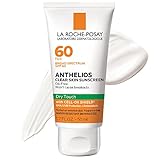
4. La Roche-Posay Anthelios Clear Skin SPF 60 — Best Matte Finish for Oily Skin
La Roche-Posay’s Anthelios Clear Skin is specifically formulated for oily and acne-prone skin with an oil-absorbing formula and SPF 60 — the highest in this roundup. Cell-Ox Shield technology provides broad-spectrum protection while the formula actively absorbs excess sebum throughout the day. The finish is matte, not dewy — the best choice for very oily skin that wants shine control alongside sun protection. Oil-free, fragrance-free, non-comedogenic tested.
- SPF 60; oil-absorbing formula
- Matte finish — ideal for very oily skin
- Oil-free; fragrance-free; non-comedogenic tested
- Cell-Ox Shield broad-spectrum technology
Rating: 4.6/5
5. Purito Daily Go-To Sunscreen SPF 50+ PA++++ — Best Budget Korean Option
Purito’s Daily Go-To Sunscreen delivers clean, minimal-ingredient SPF 50+ PA++++ at an accessible price. The formula is free from alcohol, fragrance, and known comedogenic ingredients — a rare clean-label K-beauty sunscreen with verified broad-spectrum protection and a comfortable lightweight finish. Centella asiatica extract provides anti-inflammatory support for reactive skin.
- SPF 50+ PA++++; centella asiatica
- Fragrance-free; alcohol-free; minimal ingredients
- Budget-friendly Korean option
- Lightweight cream texture; no white cast
Rating: 4.5/5
How to Apply Sunscreen Over Acne-Prone Skin
- Always last in AM routine: Apply SPF after moisturizer has fully absorbed — never mix into moisturizer
- Apply enough: Use about half a teaspoon (2–2.5ml) for the face — most people use 50–70% less than needed, which halves effective SPF
- Pat, do not rub: Patting application reduces friction and minimizes the risk of disturbing any active breakouts
- Reapply every 2 hours outdoors: Use a setting spray SPF or SPF cushion compact for practical midday reapplication over makeup
- Remove properly at night: Double cleanse to fully remove SPF — residual sunscreen on skin overnight is a significant contributor to clogged pores
Frequently Asked Questions
Q: Should I use mineral or chemical sunscreen for acne?
A: Both work — the key is formulation, not filter type. Zinc oxide (mineral) has mild anti-inflammatory and antibacterial benefits that make it particularly acne-friendly. However, many chemical filter Korean sunscreens are lighter-textured and easier to wear daily without the white cast of mineral options. If tolerance is your priority, start with EltaMD UV Clear (hybrid mineral-chemical) or Beauty of Joseon Relief Sun (chemical).
Q: My sunscreen is breaking me out. What should I do?
A: Check the ingredient list for isopropyl myristate, isopropyl palmitate, coconut oil, or heavy lanolin. These are the most common sunscreen-related pore-cloggers. Switch to a formula from this list and allow 4–6 weeks to assess — some initial breakouts after switching SPF are purging (existing congestion being cleared), not a reaction to the new product.
Q: Can I skip sunscreen if my moisturizer has SPF?
A: Moisturizer-SPF combos rarely provide adequate protection — they are formulated for moisturization first, and the SPF film is typically disrupted by moisturizer emollients. Use a dedicated SPF as the final step for real protection. The one exception: if the formula is designed as an SPF-primary product (like a tinted SPF) rather than a moisturizer with SPF added.