Last updated: October 4, 2026
Oily skin and sunscreen have a famously rocky relationship. Too many SPF formulas sit on top of excess sebum, sliding around by lunchtime or leaving a greasy sheen that makes touch-ups feel pointless. The fix isn’t skipping sunscreen (never an option) but choosing a formula built for oil control: mattifying finishes, oil-free or gel-based textures, and ingredients like niacinamide or salicylic acid that double as breakout support.
We rounded up six sunscreens for 2026 that consistently perform well on oily and acne-prone skin, from budget-friendly drugstore lotions to a targeted acne-calming formula. Here’s what to know before you buy, plus our detailed picks.
As an Amazon Associate we earn from qualifying purchases at no extra cost to you.




⚡ Save on Your Next PC — Amazon Prime
Prime members get fast free shipping on the systems above, plus early access to Prime Day & Black Friday PC deals. New members get a 30-day free trial.
Watch: Best Sunscreens for Oily Skin: Non-Greasy Formulas on Amazon — Video Review
How to Choose
- Finish: Look for “matte,” “dry-touch,” or “oil-free” on the label. These formulas absorb excess sebum instead of adding to it.
- SPF level: SPF 30 blocks about 97% of UVB rays and SPF 50 blocks about 98%; anything higher offers marginal extra protection, so don’t overpay chasing SPF 100.
- Texture: Gel and fluid formulas tend to feel lighter than creamy lotions, which matters more the oilier your skin runs by midday.
- Comedogenic risk: Choose “non-comedogenic” formulas, and if you’re breakout-prone, prioritize ones with niacinamide or salicylic acid.
- White cast: Chemical (organic) filters generally blend in clearer than mineral filters, which can matter if you have deeper skin tones or wear makeup over sunscreen.
The Best Picks Reviewed
Eucerin Clear Skin Face Sunscreen Lotion SPF 50
Eucerin built this specifically for oily and blemish-prone skin, and it shows. The lightweight lotion absorbs in seconds and leaves a genuinely matte finish rather than the dewy look some “hydrating” SPFs promise. SPF 50 covers daily outdoor exposure, and the formula skips heavy oils that could clog pores, making it a solid everyday pick for anyone tired of shiny midday skin.
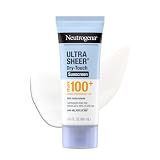
Neutrogena Ultra Sheer Dry Touch Sunscreen SPF 100+
If you want maximum UV coverage without a greasy afterthought, this is the one to grab. The Dry-Touch technology is the real draw here: it applies almost like a primer, drying down matte within a minute. SPF 100+ is overkill for most days, but it’s a smart buffer for long outdoor stretches, sports, or days you know reapplication will slip.
Neutrogena Hydro Boost Water Gel Sunscreen SPF 50
This one splits the difference between hydration and oil control. The water-gel texture feels closer to a lightweight moisturizer than a traditional sunscreen, using hyaluronic acid to keep skin from feeling stripped while still setting to a non-greasy finish. It’s a good option for oily skin that’s also dehydrated, a combo that’s more common than people think, especially with acne treatments that dry out the surface.
Auravedic Acne Calming Sunscreen SPF 50 PA++++
Auravedic’s formula is the most targeted pick on this list for acne-prone, oily skin. With 5% niacinamide and 2% salicylic acid built in, it works double duty as sun protection and light breakout maintenance, all while staying oil-free and non-comedogenic. The matte finish holds up well, and it’s formulated to avoid the white cast that mineral-leaning sunscreens often leave, a common complaint on medium to deep skin tones.
Mario Badescu Oil Free Moisturizer SPF 30
This is less a heavy-duty sunscreen and more a daily moisturizer with SPF 30 baked in, which makes it appealing for anyone who wants to cut a step from their routine. Green tea and aloe vera give it a calming, slightly cooling feel, and the oil-free base keeps shine in check through most of the day. SPF 30 is fine for typical indoor-outdoor days, though it’s not the pick for extended sun exposure.
Frequently Asked Questions
Do people with oily skin still need sunscreen every day?
Yes. Oily skin isn’t more resistant to UV damage, and skipping sunscreen accelerates hyperpigmentation and post-acne marks, which are already harder to manage on oily, acne-prone skin.
Will sunscreen make my oily skin worse?
Not if you choose the right formula. Oil-free, non-comedogenic, gel or fluid sunscreens are designed to sit on top of sebum-prone skin without adding extra shine or clogging pores.
Is a higher SPF always better for oily, acne-prone skin?
Not necessarily. SPF 30 to 50 covers most daily needs; higher SPFs like 100+ mainly help during long, intense sun exposure and don’t offer proportionally more protection for typical days.
Can niacinamide and salicylic acid sunscreens replace a separate acne treatment?
They can support your routine but shouldn’t fully replace targeted acne treatment. Think of formulas like Auravedic’s as a helpful assist, not a substitute for a dedicated salicylic acid cleanser or spot treatment.
Final Thoughts
For most people with oily skin, the Eucerin Clear Skin SPF 50 is the safest everyday pick thanks to its purpose-built matte finish. If breakouts are a bigger concern than shine alone, the Auravedic Acne Calming Sunscreen earns its spot with niacinamide and salicylic acid baked into the formula. And for anyone who also deals with dehydration under the oil, the Neutrogena Hydro Boost Water Gel strikes the best balance between lightweight hydration and a non-greasy finish.