Last updated: October 22, 2026
The standard rule is to apply skincare from the thinnest, most watery product to the thickest, and to finish with sun protection in the morning or a richer cream or oil at night. In practice that usually means cleanser, then any toner or essence, then treatment serums, then eye cream, then moisturizer, then sunscreen in the daytime. Active ingredients slot into this order depending on their texture and the time of day. Below you will find a clear morning and evening sequence, a worked example, and the common mix-ups that make a routine feel sticky, irritating or ineffective.
The one principle behind every layering order
Skincare layering is mostly about texture and penetration. Thin, water-based products can spread and absorb easily when applied to clean skin. If you cover them with a thick cream or oil first, they have a harder time getting through, which is why the lightest items go on first and the heaviest go on last.
A second principle is purpose. Cleansing comes first because everything else works better on clean skin. Treatment products, which are the ones aimed at a specific concern, go before moisturizer. Moisturizer then helps hold in water and soften skin. Sunscreen is last in the morning because it needs to sit as an even layer on the surface.
There are exceptions, and labels sometimes give specific instructions. When a product says to apply in a certain order, follow the product label.
Morning routine order
Mornings are about protection and light hydration. A typical sequence, with every step optional apart from sunscreen, looks like this.
| Step | Product type | Notes |
|---|---|---|
| 1 | Gentle cleanser or just water | Skip harsh foaming formulas if skin feels tight |
| 2 | Toner or essence | Optional; look for hydrating, not stripping |
| 3 | Antioxidant serum | Often a vitamin C type, if it suits your skin |
| 4 | Eye cream | Optional; a small amount is enough |
| 5 | Moisturizer | Lighter texture is common for the daytime |
| 6 | Broad-spectrum sunscreen | Last skincare step before makeup |
If you wear makeup, let sunscreen settle for a few minutes before applying it, so that foundation does not drag or pill.
Evening routine order
Nights are for cleaning and repair. If you wear sunscreen or makeup, many people double cleanse, using an oil or balm cleanser first and a water-based cleanser second. Otherwise a single gentle cleanser is enough.
After cleansing, the evening order generally runs as follows: toner or essence, then a treatment such as a retinoid or an exfoliating acid on nights you use them, then a hydrating or barrier-supporting serum, then eye cream, then moisturizer, and finally a facial oil or balm if you use one. Notice that the treatment step comes early because it tends to be most effective on clean, dry skin, while the moisturizer helps cushion the effects.
Many people like to buffer a strong active by applying moisturizer before it on sensitive nights, which is a personal adjustment and not a rule. If you are unsure, begin with the simpler order and adjust slowly.
Where active ingredients fit
Actives are the ingredients doing specific work, such as vitamin C, retinoids, exfoliating acids, niacinamide or zinc PCA. The general approach is to keep their placement logical and their number small.
- Vitamin C or other antioxidants: most often used in the morning, under moisturizer and sunscreen.
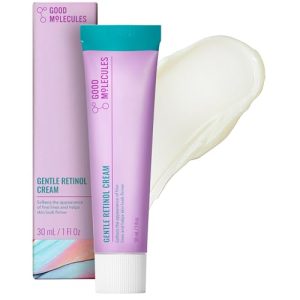
- Retinoids: typically used in the evening, because they can make skin sun-sensitive. Expect a gradual adjustment period when starting one.
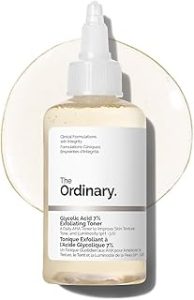
- Exfoliating acids: usually evenings, a few times a week at most, and not on the same night as a retinoid for many skin types.
- Niacinamide: often flexible, and frequently tolerated either morning or night.
- Zinc PCA: commonly found in oil-control products and used in the morning or evening; the zinc PCA guide explains how it is generally used.
Water-based actives usually go before cream-based ones. If two actives are both watery, apply the thinner or lower-pH one first, though this is a minor point compared with simply not overloading skin.
A worked example: one week of layering
Here is a sample plan with stated assumptions. Assume normal to combination skin, one vitamin C serum, one retinoid, one hydrating serum, one moisturizer and one sunscreen, with no known sensitivities.
- Every morning: cleanse or rinse, vitamin C serum, moisturizer, sunscreen. That is four steps and takes about three minutes.
- Monday and Thursday evenings: cleanse, retinoid, wait a few minutes, moisturizer.
- Tuesday and Friday evenings: cleanse, hydrating serum, moisturizer.
- Wednesday, Saturday and Sunday evenings: cleanse and moisturizer only, as recovery nights.
This approach keeps the retinoid on two evenings, spaces out strong products, and leaves room to skip steps if skin feels reactive. If your skin handles it well after a month, you can add a night. Watch for signs of overload such as tightness, flaking, stinging or small bumps that were not there before, and scale back if they appear. A compact version of this idea appears in the travel capsule skincare routine, which shows how few products you really need.
Mistakes that make layering backfire
- Too many layers. More steps do not mean better results; each added product raises the chance of irritation.
- Oil before water-based products. It can block lighter products from absorbing.
- Using too much. Excess product often rolls into small pills on the skin, especially under sunscreen or makeup.
- Stacking strong actives. Retinoids, acids and scrubs together can overwhelm the skin barrier.
- Skipping sunscreen. Many treatment products make skin more sun-sensitive, so daytime protection matters.
- Changing everything at once. If skin reacts you will not know which product caused it.
How long to wait, and how to adjust for your skin
For most products, wait until the surface feels dry to the touch, often somewhere between thirty seconds and a couple of minutes. Waiting longer is usually a comfort choice, not a requirement. Apply water-based layers to slightly damp skin if you find that helps with comfort, but avoid soaking skin before irritating actives, since damp skin can absorb them more readily.
Dry skin often does well with an extra hydrating layer and a richer cream at night. Oily or combination skin may prefer gels and lightweight lotions with fewer layers. Sensitive skin should keep the routine as short as possible. If you have a skin condition or are using prescription treatments, ask a qualified professional how to fit new products around them.
Finally, give any new routine several weeks before deciding whether it works. Skin responds slowly, and frequent changes make it harder to learn what helps.
A last practical tip: apply products with clean hands, press them in rather than rubbing, and give the neck the same care as the face. If a product feels uncomfortable on its own, layering it under others will not fix that, so check the individual product first.
Related guides
- Sunscreen For Oily Acne-Prone Skin Under Makeup
- Barrier Repair Cream For Eczema-Prone Face
- Retinol Cream For Beginners With Dry Skin
Frequently asked questions
Do I really need to wait between layers?
Not always. Many routines work fine if you simply let each product settle for a short moment until it no longer feels wet or tacky. Waiting longer can matter more with strong actives, because some people find it reduces stinging. Follow any directions on the label, and if a layer pills or rubs off, you may be applying too much or stacking too many products.
Does sunscreen go before or after moisturizer?
In the morning, sunscreen is generally the last skincare step, applied after moisturizer and before makeup. Applying it on top keeps the protective film intact and unmixed. Use the amount recommended on the label, and reapply during the day if you are outdoors. Some moisturizers include SPF, but check whether the amount and coverage meet your needs.
Where does an oil or balm go in the routine?
Face oils and thick balms usually go near the end of an evening routine, after water-based serums and moisturizer, because they tend to seal in what is underneath. Water-based products often cannot pass through an oil layer well. If you like a few drops of oil in the morning, apply them before sunscreen, and keep the amount light.
Can I use all my active ingredients in one routine?
It is possible, but it is often too much for skin to handle at once. Many people separate stronger actives such as retinoids and exfoliating acids onto different evenings, and keep mornings simple with an antioxidant and sunscreen. Introduce one new active at a time, watch how skin responds, and stop if you notice stinging, swelling or lasting redness.
Is the order different for dry or oily skin?
The basic order stays the same, but the products and amounts can change. Dry skin may benefit from an extra hydrating layer and a richer moisturizer, while oily or combination skin may do well with lighter textures and fewer layers. Pay attention to how skin feels hours later, and adjust one step at a time instead of rebuilding everything.