Last updated: November 23, 2026
Disclosure: As an Amazon Associate, I earn from qualifying purchases.
A moisturizer that felt perfect in September can feel useless by January. Cold air holds little moisture, indoor heating dries it further, and wind strips your skin’s surface faster than a light lotion can compensate. The result: tightness after washing, flaking around the nose and chin, makeup clinging to dry patches, and a barrier that stings at products that never bothered you before.
Winter moisturizers answer with what light formulas leave out: richer occlusives that slow water loss, ceramides that support the barrier, and humectants to hold water in the surface layers. The five creams below range from a fragrance-free ceramide workhorse to an ultra-rich plant balm used like a spot treatment.
One honest note: a richer cream helps, but habits matter just as much. Long hot showers, overheated bedrooms, and waiting until skin is fully dry to moisturize will undo a good cream. And no moisturizer treats eczema or dermatitis — persistent redness, cracking, or itching is a reason to see a clinician, not to buy a thicker jar.
How to Choose
Match richness to your skin, not to the calendar. Very dry and mature skin usually needs a true cream or balm in winter. Combination skin often does better with a medium cream on the cheeks and less on the T-zone. Oily skin still loses water in winter, but heavy petrolatum creams can feel suffocating — look for squalane or ceramide formulas with a less greasy finish.
Read the barrier ingredients. Ceramides, cholesterol, and fatty acids mimic the lipids your barrier is made of, which is why ceramide creams dominate winter recommendations. Petrolatum is the most effective occlusive available. Humectants like glycerin and hyaluronic acid pull water in, but in dry air they work best sealed under an occlusive layer.
Decide on fragrance honestly. Fragrance-free formulas are the safer default for reactive winter skin, because a compromised barrier tolerates scent poorly. Rich natural balms often carry essential-oil fragrance; patch test first if your skin is currently stinging or flaking badly.
Think about format and size. Large face-and-body tubs or pumps are practical if your hands and shins are also dry. A small tube of ultra-rich balm is not an all-over face cream for most people — it earns its place as a targeted layer over the driest spots.
The 5 Best Winter Moisturizers
1. CeraVe Moisturizing Cream

Specs
- Size: 19 oz tub
- Key ingredients: Three ceramides and hyaluronic acid
- Fragrance status: Fragrance free and oil free
- Skin types: Dry to very dry skin, face and body
- Texture: Thick cream, non-comedogenic
CeraVe Moisturizing Cream is the default winter recommendation for a reason. It pairs three ceramides with hyaluronic acid in a thick, fragrance-free cream that works on face and body, so one tub covers cheeks, hands, and shins. The brand’s MVE delivery approach releases moisturizing ingredients gradually over hours rather than all at once.
For winter, the appeal is reliability: it layers well over serums, does not pill under sunscreen, and rarely irritates reactive skin. The texture is substantial without being as greasy as a pure ointment. Combination skin may prefer it as a night cream, or just around the drier perimeter of the face.
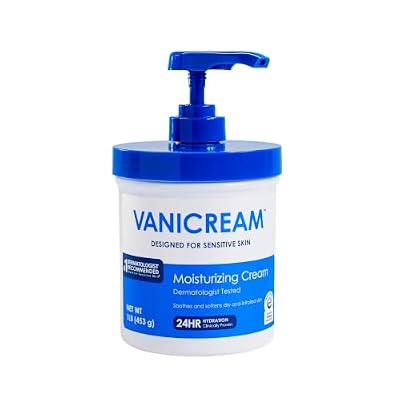
2. Vanicream Moisturizing Cream with Pump
Specs
- Size: 16 fl oz (1 lb) with pump dispenser
- Key ingredients: Petrolatum-based rich cream
- Fragrance status: Free of fragrance, dyes, lanolin, parabens, and formaldehyde releasers
- Skin types: Sensitive skin, face and body
- Texture: Thick, occlusive cream
Vanicream is the pick for skin that reacts to almost everything. The brand formulates without common irritants — no fragrance, dyes, masking fragrance, lanolin, or parabens — and the cream carries the kind of deliberately short, functional ingredient list that dermatologists reach for when a barrier is in trouble.
The base is petrolatum-rich, making it one of the most effective water-loss blockers here. The trade-off is weight: on the face it can feel heavy by day, so many people use it as a night cream or press a thin layer over a lighter moisturizer on the driest areas. The pump keeps the large tub hygienic.
3. La Roche-Posay Lipikar AP+ Triple Repair Moisturizing Cream

Specs
- Size: 13.5 fl oz (400 ml)
- Key ingredients: Shea butter, niacinamide, glycerin, and La Roche-Posay thermal water
- Fragrance status: Fragrance free
- Skin types: Dry, rough, and sensitive skin, face and body
- Texture: Rich balm-cream
Lipikar AP+ is built for very dry, rough skin on the face and body, and it behaves like it. Shea butter gives it a cushioning richness, niacinamide supports the barrier, and the formula is designed for skin that gets itchy and uncomfortable in cold weather. It is a common recommendation for people whose winter dryness goes beyond simple tightness into persistent roughness.
The texture sits between a cream and a balm — more substantial than CeraVe, less waxy than a pure ointment. It absorbs better than expected for its richness, though oily skin may find it too much for daytime facial use. Used at night, or on the driest zones, it is one of the strongest winter options here. It is a cosmetic moisturizer for dry-skin comfort, not a treatment for eczema flare-ups.
4. Kiehl’s Ultra Facial Cream

Specs
- Size: 1.7 fl oz (50 ml) jar
- Key ingredients: 4.5% squalane and glacial glycoprotein
- Fragrance status: Fragrance free
- Skin types: All skin types, including sensitive
- Texture: Lightweight cream with a rich finish
Kiehl’s Ultra Facial Cream is the winter pick for people who dislike heavy creams. Its 4.5% squalane — an emollient your skin already produces — gives it a cushioned, comfortable finish without the waxy drag of petrolatum-heavy formulas, and glacial glycoprotein is included to help skin retain moisture in cold, dry conditions.
This is the most face-specific product here: a small jar, a texture designed for facial skin, and a finish that sits well under makeup and sunscreen. Combination and normal skin types that find tub creams too much often do well with it all winter. Very dry skin may still want something heavier at night.
5. Weleda Skin Food Original Ultra-Rich Cream

Specs
- Size: 2.5 fl oz tube
- Key ingredients: Pansy, chamomile, and calendula extracts with sunflower oil and beeswax
- Fragrance status: Contains natural fragrance from essential oils
- Skin types: Dry to very dry skin, face and body
- Texture: Very thick, dense balm-cream
Skin Food is the richest formula here and the oldest — the recipe dates back decades and has barely changed. It is a dense, almost ointment-like cream built on plant oils, beeswax, and lanolin, with extracts of pansy, chamomile, and calendula. A pea-sized amount warmed between your palms is enough for the driest patches.
Treat it as a winter tool rather than a daily all-over moisturizer. It excels pressed over your regular cream on flaking cheeks, around the nose, on cracked knuckles, and on rough elbows. The essential-oil fragrance is noticeable and the finish is shiny, so most people reserve it for nighttime or spot use. If your skin is sensitive to fragrance or lanolin, patch test first — the fragrance-free picks above are safer defaults for reactive skin.
Usage Notes
Apply moisturizer to slightly damp skin, within a few minutes of washing. Humectants hold onto that surface water and the occlusive layer slows its escape; waiting until skin is bone dry wastes the easiest hydration you get all day.
Layer in order: water-based serums first, cream second, facial oil or balm last. A popular winter technique is sealing everything with a thin layer of rich balm at night — often called slugging. It helps some very dry skin wake up less tight, but it can break out acne-prone skin and trap strong actives against it, so skip it over retinoids or exfoliating acids and stop if congestion appears.
Support the cream with habits: lukewarm rather than hot water, a gentle cleanser once a day if twice leaves you tight, and a bedroom humidifier if indoor air is very dry. Sunscreen still applies in winter — a rich moisturizer is not a substitute.
Finally, know when a cream is not the answer. Spreading redness, deep cracks, oozing, or sleep-disrupting itching points to eczema or dermatitis, not simple dryness. Moisturizers support comfort alongside treatment; they do not treat those conditions.
FAQ
Can I use the same winter moisturizer on my face and body?
Often, yes. CeraVe, Vanicream, and Lipikar AP+ are all formulated for face and body, which simplifies a winter routine. The exception is very rich balms like Skin Food, which most people prefer as a targeted layer on the face rather than an all-over application.
How is a winter moisturizer different from my regular one?
Mainly in occlusive weight and lipid content. Winter formulas carry more petrolatum, shea butter, ceramides, or waxes to slow water loss in cold, dry air. If your regular moisturizer still keeps you comfortable all day in January, there is no rule that you must switch.
Should I apply moisturizer before or after sunscreen?
Moisturizer first, sunscreen last, in the morning. Let the cream settle for a minute or two so the sunscreen can form an even film on top. At night there is no sunscreen step, so your cream — or a balm layered over it — is the final layer.
Why does my skin still feel dry an hour after applying cream?
Usually either the layer is too thin for current conditions, the skin was fully dry when you applied it, or indoor heating is pulling moisture out faster than the formula can hold it. Apply to damp skin, use a slightly thicker layer at night, and consider sealing with a richer balm on the driest areas.
Can a richer moisturizer cause breakouts?
It can, especially if you are acne-prone and switch to a heavy petrolatum or balm formula all over the face. Choose non-comedogenic creams, keep the richest products to the driest zones, and introduce one new product at a time so you can identify the culprit if congestion appears.
Conclusion
Winter asks more of a moisturizer: more occlusion, more barrier lipids, less fragrance risk. CeraVe is the versatile default, Vanicream the safest bet for reactive skin, Lipikar AP+ the most intensive face-and-body option, Kiehl’s the pick for faces that dislike heavy tubs, and Skin Food a targeted balm over everything else. Pair any of them with damp-skin application and gentler habits, and winter dryness becomes a manageable routine rather than a season-long problem.