Last updated: November 23, 2026
Disclosure: As an Amazon Associate, I earn from qualifying purchases.
Winter changes what your skin needs from a serum. Cold air holds very little moisture, and heated air inside pulls water from your skin all day. A lightweight summer gel can leave your face tight by mid-afternoon, with flakes around the nose, brows, and mouth.
The best winter serums bring water into the upper layers of skin and help it stay there long enough for moisturizer to seal it in. That means humectants such as hyaluronic acid, glycerin, and panthenol, paired in stronger formulas with barrier lipids such as ceramides and squalane. None of these picks is meant to be used alone. In winter, a hydrating serum under cream is the pattern that works — serum first on damp skin, then a richer moisturizer on top. Used alone in dry, heated air, even a good hyaluronic acid serum can leave skin tighter, because hyaluronic acid pulls water from its surroundings and from the cream over it. If there is no cream, it has little to hold onto.
This guide focuses on fragrance-free, layerable serums, from simple hyaluronic acid formulas to ceramide barrier serums for skin that stings when the weather turns.
How to Choose
Start with the humectant base. Formulas using several forms of hyaluronic acid at different molecular weights aim to hydrate at more than one surface level and tend to feel less tacky. Glycerin and panthenol (vitamin B5) are quieter workhorses — panthenol suits winter because it hydrates and feels soothing on skin irritated by wind and indoor heat.
Next, look for barrier support if your skin is reactive. Ceramides, cholesterol, fatty acids, and squalane do not add water, but they reduce how fast water leaves. If your cheeks sting when you apply products you normally tolerate, a ceramide serum is usually a better winter choice than a plain hyaluronic acid gel.
Texture matters too. A winter serum should sit under moisturizer and sunscreen without pilling. Watery gels layer well but offer the least cushion; milky serums add more comfort for very dry skin. Apply to slightly damp skin and follow within a minute or two with cream.
Finally, be honest about your other actives. Winter is when strong retinoids and exfoliating acids often need dialing back. If your skin is flaking, adding a gentle hydrating serum and reducing acid or retinoid frequency for a few weeks usually helps more than pushing through. A winter serum is support, not a replacement for adjusting the rest of your routine.
The 5 Best Winter Serums
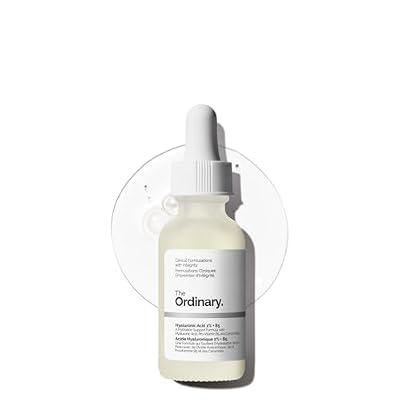
1. The Ordinary Hyaluronic Acid 2% + B5 (with Ceramides)
Specs
- Size: 1 fl oz (30 ml)
- Key actives: Hyaluronic acid 2%, vitamin B5 (panthenol), ceramides in the current formula
- Formula note: Five forms of hyaluronic acid for multi-depth surface hydration, as stated by the brand
- Texture: Lightweight gel serum
- Fragrance: Fragrance free
This is the straightforward winter hydrator for people who want hyaluronic acid without a lot of extras. It centers on 2% hyaluronic acid with panthenol, and the current version adds ceramides and skin-like lipids, making it more winter-appropriate than the original simple gel. On damp skin it spreads easily, gives an immediate plumped feel, and layers cleanly under cream. It suits normal, combination, and mildly dry skin that mainly needs more water. If your barrier is already sore and stinging, a dedicated ceramide pick below will feel more comforting. Seal it with moisturizer right away, especially in heated rooms.
2. CeraVe Hydrating Hyaluronic Acid Serum

Specs
- Size: 1 oz (30 ml)
- Key actives: Hyaluronic acid, three essential ceramides, vitamin B5
- Texture: Smooth gel-cream serum
- Fragrance: Fragrance free, non-comedogenic
- Technology: MVE delivery technology, as stated by the brand
CeraVe pairs hyaluronic acid with its signature ceramides, making this a natural winter step up from a plain gel. The smooth gel-cream texture feels more substantial on dry cheeks and does not disappear as you spread it. Vitamin B5 adds to the calm feel, and the fragrance-free formula suits sensitive skin. It is designed to be layered under moisturizer, exactly how a winter serum should be used. Choose it if you want one no-fuss product that both hydrates and supports the barrier, morning and night.
3. Vichy Mineral 89 Booster

Specs
- Size: 1.01 fl oz
- Key actives: Pure hyaluronic acid, polyglutamic acid, 89% Vichy volcanic water
- Texture: Lightweight, oil-free gel, non-sticky
- Fragrance: Fragrance free
- Use: Daily booster serum, first serum step after cleansing
Mineral 89 is built around mineral-rich Vichy volcanic water with hyaluronic acid. The current United States listing also highlights polyglutamic acid, another water-holding humectant. The clear, bouncy gel feels refreshing rather than rich, absorbs quickly, and works well under makeup and sunscreen. That lightness is both its strength and its limit: for oily, combination, or slightly dry skin it adds hydration without weight, but for very dry or wind-chapped skin it works best as a first layer under a ceramide serum or heavy cream, not as your only winter change.
4. La Roche-Posay Hyalu B5 Serum

Specs
- Size: 1.0 fl oz (30 ml)
- Key actives: Two types of hyaluronic acid, vitamin B5, madecassoside, glycerin
- Texture: Hydrating gel serum
- Fragrance: Oil-free formula, made for sensitive skin
- Focus: Hydration and replumping the look of dry, tired skin
Hyalu B5 suits winter skin that looks as tired as it feels. Alongside two types of hyaluronic acid and vitamin B5, it includes madecassoside, used in the brand’s sensitive-skin formulas. The texture has more body than the thinnest gels here, so dry skin finds it more satisfying in cold weather, while still layering well under moisturizer. It is positioned for sensitive skin and for fine lines that look worse when dehydrated — a common winter complaint, since dry lines soften when the surface is hydrated and sealed. Let it settle for a minute before cream to reduce pilling.
5. Cocokind Ceramide Barrier Serum

Specs
- Size: 1 fl oz
- Key actives: Five ceramides (NP, NS, AP, EOS, EOP), squalane, beta-glucan, cholesterol and fatty acids
- Texture: Milky, lightweight lotion-serum
- Fragrance: Fragrance free
- Use: 2 to 3 drops after cleansing and toning, up to twice daily
When winter has moved past simple dryness and your skin feels raw and easily irritated, this is the most barrier-focused serum in the group. Instead of leading with hyaluronic acid, Cocokind builds around five ceramides plus squalane and cholesterol, with beta-glucan for hydration and comfort. The milky texture feels more nourishing than a clear gel and is designed to reduce transepidermal water loss — the slow leak of moisture heated air makes worse. It layers well over a hyaluronic acid serum and is a sensible anchor if you are dialing back retinoids or acids while your barrier recovers.
Usage Notes
Apply hydrating serums to damp, not dry, skin. Leave a little water on your face after cleansing, press the serum in, and follow promptly with moisturizer. In the morning, sunscreen goes on last. In the evening, add a richer cream, and on the driest areas only, a thin occlusive layer as the final step.
Use one serum consistently before adding a second. Layering two can help very dry skin, thinnest first, but raises the chance of pilling. Give each layer a moment to become tacky rather than wet.
Judge results over two to three weeks, not two days. Hydration improves quickly, but barrier comfort builds gradually. If stinging increases, simplify: pause acids, reduce retinoid frequency, and keep to cleanser, serum, cream, and sunscreen. Persistent cracking, weeping, or eczema-like patches are a reason to see a clinician rather than buy another serum.
FAQ
Can I use a hyaluronic acid serum alone in winter?
Not well. Hyaluronic acid attracts and holds water, but in dry winter air there is little moisture to pull from the environment. On its own it can evaporate and leave skin feeling tighter. Always apply it to damp skin and seal it with a moisturizer.
Which is better for winter, a hyaluronic acid serum or a ceramide serum?
It depends on your skin. If you are mainly dehydrated, a hyaluronic acid serum under cream is usually enough. If your skin stings, feels thin, or reacts to products it normally tolerates, a ceramide serum is the better winter choice because it focuses on reducing water loss.
Should I stop retinol and exfoliating acids in winter?
You do not have to stop them completely, but many people need to reduce frequency in winter. If you are flaking or sensitive, using acids or retinoids fewer nights per week and adding a hydrating serum on the other nights is a sensible, plain adjustment.
How often should I apply a winter serum?
Once or twice daily is typical. Morning use helps skin stay comfortable under heating and makeup, and evening use supports overnight recovery under a richer cream. Consistency matters more than using a large amount at once.
Why does my serum pill under moisturizer or sunscreen?
Pilling usually comes from applying too much product, layering over skin that is still very wet, or mixing formulas that do not sit well together. Use a thin layer, let it become just tacky, then apply cream gently without rubbing hard.
Conclusion
The best winter serum is the one that matches what winter is actually doing to your skin. Choose The Ordinary or Vichy Mineral 89 for light, watery hydration, CeraVe or La Roche-Posay Hyalu B5 for hydration with more barrier support and comfort, and Cocokind when your barrier itself feels compromised. Whichever you pick, the winter rules stay the same: apply to damp skin, seal it with cream, and dial back strong actives if your skin is struggling. That simple pattern does more for winter skin than any single ingredient claim.