Last updated: September 25, 2026
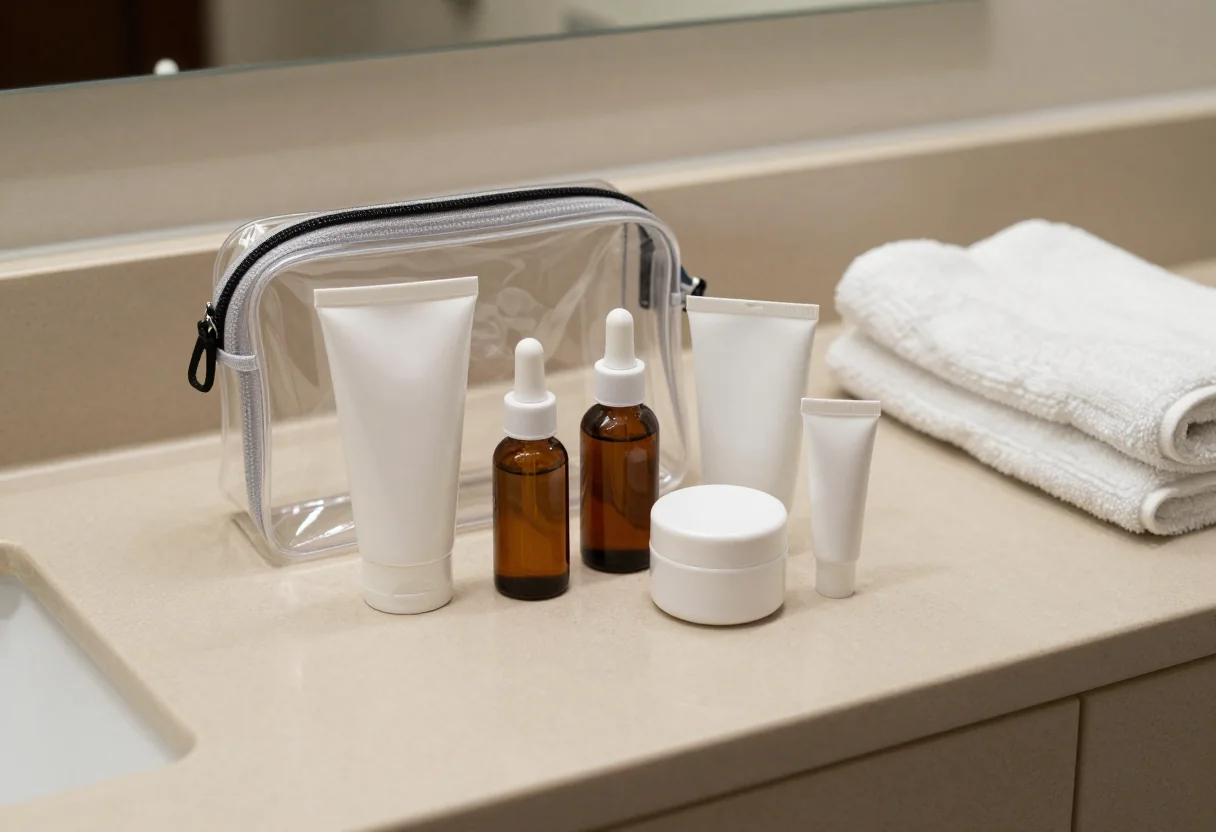
A travel capsule routine is the skincare version of packing only clothes that mix and match. Instead of shrinking your full bathroom shelf into tiny bottles, you choose four or five products that each do more than one job, fit inside a single quart-size liquids bag, and still keep your skin steady through time zones, dry cabin air and hotel water. The goal is not to get perfect skin on vacation. It is to come home without a breakout, a sunburn or a flaky, irritated barrier, while leaving space in your bag for everything else.
Why skin misbehaves on trips
Airplane cabins commonly sit around 10% to 20% relative humidity, lower than most deserts. Long flights draw water out of the skin, then a humid destination or a heavy hotel duvet can trigger congestion. Changes in water hardness, sleep, diet and sun exposure all stack on top. The capsule approach reduces the number of new variables you introduce, which is often what keeps a trip breakout-free.
The five-piece capsule
1. A cleanser that doubles as makeup remover
A cleansing balm or a gentle cream cleanser removes sunscreen and makeup in one step. Solid balms in tins avoid liquid limits entirely. If you prefer foam, a mild gel cleanser works, but pair it with micellar wipes on nights you wear heavy makeup.
2. A multitasking serum
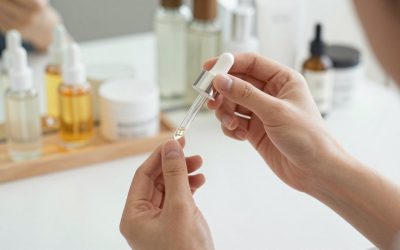
Choose one serum based on the trip. Niacinamide suits humid, oily-skin weather. A hyaluronic acid serum suits dry climates and long flights. Leave strong acids and new retinoids at home; sun and travel make irritation more likely.
3. A moisturizer that works day and night
A medium-weight cream with ceramides handles both. On overnight flights, a thicker layer acts as an in-flight mask.
4. Sunscreen you will actually reapply
This is the one step not to downsize. A stick or a 50 ml tube of SPF 30 to 50 is easier to reapply at the beach or between museums. Beach trips may justify a separate water-resistant body sunscreen.
5. A balm for everything else
A small tube of an ointment such as Aquaphor or a similar petrolatum balm handles chapped lips, dry cuticles, windburned cheeks and small scrapes.
What fits in the liquids bag
Airport security rules in the US and many other countries allow containers up to 100 ml (3.4 oz) inside one quart-size bag, although some airports with newer scanners have relaxed this. Rules differ by country and change, so check the airline and airport before you fly.
| Capsule item | Typical travel size | Counts as liquid? | Lasts roughly |
|---|---|---|---|
| Cleansing balm (tin) | 20-50 g | Often screened as a gel | 2-3 weeks |
| Serum | 15-30 ml | Yes | 3-6 weeks |
| Moisturizer | 30-50 ml | Yes | 2-4 weeks |
| Sunscreen stick | 15-25 g | Usually no (solid) | 1-2 weeks of daily reapplication |
| Multi-use balm | 7-15 g | Varies by airport | Whole trip |
Adjusting the capsule by destination
Tropical and humid: lighten the moisturizer to a gel-cream, keep niacinamide, and prioritize a sunscreen that does not feel greasy in sweat. Cold or high altitude: swap to a richer cream, add hyaluronic acid under it, and use the balm on cheeks and nose; UV at altitude is stronger, so do not skip SPF on the slopes. City break: the core five are enough, plus blotting papers if you run oily.
In-flight routine for long hauls
Board with clean, moisturized skin rather than a full face of makeup. Mid-flight, mist-free methods work better than facial sprays, which can evaporate and leave skin drier. Instead, press on a thin layer of serum followed by moisturizer after a few hours. Drink water steadily and limit alcohol. If you wear contact lenses, the dry air can make eyes gritty, so pack glasses.
Common capsule mistakes
Decanting a product you have never used is the most common error; a new cleanser or sunscreen on day one of a trip leaves no room to recover if it reacts. Another mistake is bringing too little sunscreen. A face needs about a quarter teaspoon per application, so a two-week beach trip easily uses a full 50 ml tube for the face alone.
FAQ
Should I bring retinol on vacation?
If your skin is fully used to it and you are not spending long days in the sun, you can keep it at a reduced frequency. For beach or ski trips, most people are better off pausing it.
Are sheet masks worth packing?
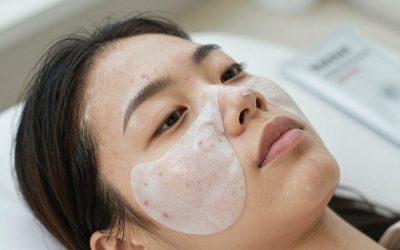
They are flat and light, so one or two for after the flight are reasonable. They are a comfort step, not a necessity.
Bottom line
A travel capsule skincare routine that actually works has five dependable pieces: a cleanser that removes sunscreen, one serum matched to the climate, a day-and-night moisturizer, plenty of sunscreen and a multi-use balm. Pack familiar products, respect the liquids limits, and let the routine stay simple so your skin can handle everything else the trip throws at it.