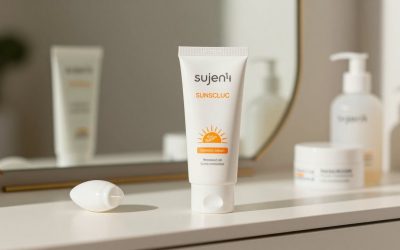
- Top Pick: Neutrogena Beach Defense Sunscreen Stick SPF 50, 1.5 oz
- Best Value: Cetaphil Sheer Mineral Sunscreen Stick, Face & Body, SPF 50, 0.5oz
- Premium Choice: BLUE LIZARD Sensitive Mineral Sunscreen Stick with Zinc Oxide, SPF 50+, Water Resistant, UVA UVB Protection Easy to Apply, Fragrance Free, 0.5 Oz
Last updated: October 4, 2026
The Short Answer
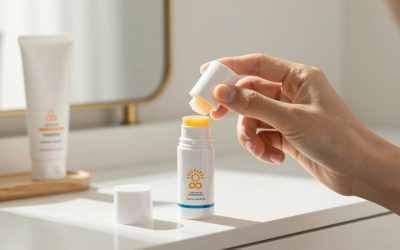
For most trips, the best sunscreen stick size is between 0.47 and 0.5 ounces. These compact sticks usually measure about 3 to 4 inches long and 0.75 to 1 inch wide, making them easy to pack in a toiletry bag, purse, daypack, or personal item. They provide a practical amount for the face, ears, nose, shoulders, and other exposed areas that need touch-ups.
Choose a 1.5-ounce stick if you are traveling for several days, sharing sunscreen, or reapplying often at the beach. It is still reasonably portable, but it takes up more space than a face-size stick. In general, a smaller stick is better for short urban trips and carry-everywhere convenience, while a larger stick is better for outdoor vacations and family use.
As an Amazon Associate we earn from qualifying purchases at no extra cost to you.


For a 2026 packing list, check three measurements before buying: the product’s total height, its widest diameter, and its net weight in ounces. Net weight tells you how much sunscreen is inside; the physical dimensions determine whether it fits your storage compartment.
Standard Sizes
Sunscreen sticks do not use a universal size system. A product labeled “travel size” may refer to its weight, its compact packaging, or simply its suitability for a carry-on. The dimensions below are practical approximate product measurements based on common retail stick formats. Caps, twist bases, and slight packaging changes can alter the final measurement by a fraction of an inch.
| Typical size | Net weight | Approximate physical dimensions | Best for | Typical price range |
|---|---|---|---|---|
| Mini face stick | 0.47–0.5 oz | 3.0–3.5 in tall × 0.75–0.9 in diameter (7.6–8.9 × 1.9–2.3 cm) | Face, ears, nose, short trips, everyday carry | $7–$12 |
| Standard compact stick | 0.5–0.75 oz | 3.25–4.0 in tall × 0.8–1.0 in diameter (8.3–10.2 × 2.0–2.5 cm) | Face and limited body touch-ups | $8–$15 |
| Large beach stick | 1.0–1.5 oz | 4.0–5.0 in tall × 1.0–1.2 in diameter (10.2–12.7 × 2.5–3.0 cm) | Beach days, frequent reapplication, multiple travelers | $9–$18 |
Common examples illustrate the range. Neutrogena Beach Defense Sunscreen Stick SPF 50 comes in a relatively generous 1.5-ounce format and is listed around under $10. It is a sensible choice when you want more product for arms, shoulders, and other exposed body areas. By comparison, Cetaphil Sheer Mineral Sunscreen Stick and BLUE LIZARD Sensitive Mineral Sunscreen Stick are both 0.5 ounces, with example prices of about under $10 and under $10, respectively. These smaller sizes are easier to fit into a small toiletry case.
Neutrogena Ultra Sheer Face Sunscreen Stick SPF 60 is listed at 0.47 ounces and about under $20. Its smaller fill makes it especially suitable for targeted facial application and compact travel storage. Prices can vary by retailer, promotions, multipacks, and formula, so treat these figures as a shopping range rather than a guaranteed shelf price.
A sunscreen stick is usually a solid personal-care product rather than a liquid, gel, or aerosol. Even so, pack it where it can be removed easily if airport security wants to inspect it. The container’s physical size matters more than its ounce weight when you are trying to fit it into a narrow pocket.
How to Measure Your Space
- Measure the opening, not just the interior. Use a ruler or tape measure to find the height and width of the pocket, pouch, cup holder, or organizer where the stick will go. A narrow zipper opening may be smaller than the compartment behind it.
- Measure in three directions. Record the maximum height, width, and depth available. For a round sunscreen stick, width and depth are essentially the same measurement: its diameter.
- Leave clearance for the cap. Allow at least 0.125 to 0.25 inch of extra room around the diameter so the stick slides in and out without catching. In centimeters, that is about 0.3 to 0.6 cm.
- Account for the twist base. Some sticks are wider at the bottom or have a ridged turning mechanism. Measure the widest part of the complete package, not only the sunscreen barrel.
- Check the travel container’s usable height. A 4-inch pouch may have only 3.5 inches of usable vertical space once the zipper seam and lining are considered. If your compartment is tight, select a stick shorter than the stated height.
- Compare with the capped dimensions. Never measure a product with the cap removed. The cap is part of the travel footprint and protects the sunscreen from rubbing against clothing or toiletries.
By Room or Use Case
Carry-on toiletry bag
A 0.47- to 0.5-ounce stick is usually the easiest fit. Look for a package no more than 4 inches tall and approximately 1 inch in diameter. This size leaves room for lip balm, moisturizer, medication, and other small essentials. A face stick is also less likely to press against the zipper than a larger beach format.
Personal item or handbag
For a purse, sling bag, or seat-back personal item, choose a compact stick around 3 to 3.5 inches tall. The smaller size is easier to reach during a walk, sightseeing stop, or outdoor meal. A 0.5-ounce stick is typically enough for targeted reapplication, but it is not the most economical choice if you plan to cover large areas of the body.
Beach and pool bag
A 1 to 1.5-ounce stick makes more sense for repeated outdoor use. It generally measures about 4 to 5 inches long and up to 1.2 inches wide. The larger surface area can make it faster to swipe over shoulders, forearms, and the tops of feet. Pack it in a zippered pouch because heat and sand can make the cap or twist mechanism messy.
Family travel
One 0.5-ounce stick is convenient for each person’s face, but it may not be enough as the only sunscreen for a family. A better arrangement is a larger stick for shared touch-ups plus separate small sticks for personal bags. Keep in mind that sunscreen sticks are generally best for targeted areas; applying sunscreen to an entire adult body can use a substantial amount.
Hiking, cycling, and outdoor day trips
Choose the smallest stick that you will actually reapply. A 0.47- to 0.75-ounce format is compact enough for a hip pack or jacket pocket while offering more product than a tiny sample. Select packaging with a secure cap and a twist base that does not extend the sunscreen too far above the rim, where it can break during travel.
Common Sizing Mistakes
- Confusing net weight with dimensions: Two 0.5-ounce sticks can have different heights and diameters because their packaging and formulas differ.
- Buying a body-size stick for a tiny organizer: A 1.5-ounce format may be affordable, but its wider barrel can crowd a compact toiletry pouch.
- Choosing a mini stick for full-body coverage: Small sticks are convenient for touch-ups, not necessarily efficient for covering large areas.
- Ignoring the cap: The capped height is the measurement that matters in a bag. A stick that fits without its cap may not fit securely when ready to travel.
- Measuring only the pouch’s center: Zippers, seams, elastic loops, and interior dividers can reduce usable space by several millimeters.
- Assuming all “travel size” labels mean the same thing: Compare the ounce amount and the package dimensions before ordering.
FAQ
What is the best sunscreen stick size for a carry-on?
A 0.47- or 0.5-ounce stick is the most versatile choice for a carry-on toiletry bag. Most are approximately 3 to 4 inches tall and less than 1 inch wide. Choose a 1-ounce or larger stick if you expect frequent outdoor reapplication and have room in your personal item.
Is a 1.5-ounce sunscreen stick too big for travel?
No. A 1.5-ounce stick is portable, but it is better suited to a beach bag, checked luggage, or a roomy carry-on pouch than a small purse. Expect an approximate length of 4 to 5 inches and a diameter of 1 to 1.2 inches.
How long does a travel-size sunscreen stick last?
There is no reliable universal number of applications because usage depends on the area covered, swipe thickness, reapplication frequency, and whether the stick is shared. A 0.5-ounce stick should be viewed as a targeted touch-up product, while a 1.5-ounce stick provides more flexibility for repeated use.
Should I buy one large stick or several small ones?
Buy one large stick for value and shared beach use, or several small sticks for convenience and separate bags. Multiple 0.5-ounce sticks work well when each traveler wants personal access or when you want one in a purse, one in a daypack, and one in your main toiletry kit.
Ready to decide? Our #1 pick for 2026 is the Mini face stick.
Live price & availability on Amazon.