Last updated: October 4, 2026
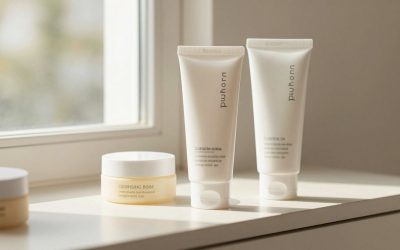
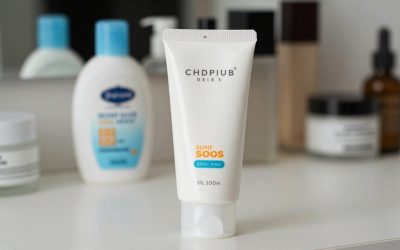
Quick answer: Our top pick in 2026 is the Drugstore broad-spectrum lotion, 5–6 oz — our #1 rated choice. See the full ranked comparison, alternatives and buying advice below.
The Short Answer
Yes, sunscreen powder is worth reapplying—but only as a convenient touch-up over a properly applied lotion or cream sunscreen. It is not the best stand-alone sunscreen for a full day outdoors because most people do not brush on enough powder to achieve the labeled SPF.
For everyday errands, commuting, lunch outside, or refreshing sunscreen over makeup, powder can be useful. For swimming, hiking, sports, prolonged sun exposure, or easily burned skin, use a broad-spectrum liquid, cream, or stick sunscreen as your main layer and reapply it generously every two hours, or sooner after sweating or swimming. Powder is best treated as a backup tool, not your entire sun-protection plan.
As an Amazon Associate we earn from qualifying purchases at no extra cost to you.

What You Actually Get
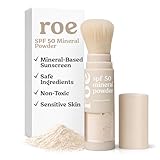
Powder sunscreen typically comes in a small brush applicator. Mineral filters, usually zinc oxide, titanium dioxide, or both, sit in a reservoir and dispense through bristles as you sweep the brush across the skin. The format is lightweight, dry, portable, and relatively tidy compared with a lotion.
The appeal is obvious: you can apply it to a shiny forehead without adding wetness, brush it over makeup without smearing foundation, and carry it in a purse or beach bag. It can also be helpful for areas that are easy to overlook, including the part line, hairline, ears, nose, and the backs of hands.
However, the labeled SPF assumes a specific amount of product is applied evenly. A few quick passes may leave a soft veil rather than a reliable protective layer. Because powder is difficult to see on the skin, it is hard to tell whether you have applied enough. The brush may also dispense unevenly, especially when new, nearly empty, or clogged with oil and makeup.
Consider the product sizes. Hawaiian Tropic Mineral Powder Sunscreen Brush SPF 30 contains 0.15 ounce and costs about $15. Roe Wellness SPF 50 Powder Sunscreen is listed for under $30 and is marketed for the scalp, face, and body. Those compact sizes are convenient, but they are not comparable to a full 5- to 6-ounce bottle of body sunscreen. If you are covering your shoulders, chest, legs, and arms, a powder brush can become expensive and impractical quickly.
Mineral powder also creates an inhalation concern. Keep the brush away from the nose and mouth, do not deliberately inhale the dust, and use extra care around children. A product’s “non-toxic” or “reef safe” marketing language does not make inhaling loose powder desirable, and those labels do not replace reading the active ingredients and directions.
Pros
- Easy over makeup: A light brushing usually disturbs less makeup than rubbing in a cream or lotion.
- Less shine and stickiness: The dry finish can feel more comfortable on oily skin, humid days, and the scalp.
- Convenient for touch-ups: A compact brush fits in a purse, desk drawer, or car console and avoids leaking bottles.
- Useful for exposed details: It can reach a part line, hairline, ears, and other small areas that need a refresh.
- Mineral-filter option: Zinc oxide and titanium dioxide are physical UV filters that suit shoppers who prefer mineral sunscreen.
- Travel-friendly: A 0.15-ounce compact is lighter and less messy than carrying a larger liquid container.
- Comfortable for some sensitive-skin users: The dry, fragrance-free formula may be preferable to a lotion, although individual reactions vary.
Cons
- Hard to apply enough: The biggest problem is an invisible, uneven layer that may provide less protection than expected.
- Not ideal for full-body coverage: Reaching the recommended amount on arms, legs, torso, and shoulders would use a great deal of product.
- Can miss textured areas: Hair, facial contours, eyebrows, and stubble can interrupt coverage.
- May create airborne dust: Avoid breathing the powder and be cautious when applying it to children.
- Less reliable in water: Powder can wear away with swimming, heavy sweating, towel drying, or friction from hats and clothing.
- Higher cost per ounce: A roughly $16 compact containing 0.15 ounce costs substantially more per ounce than many conventional lotions.
- Messy when overused: Too much can settle into fine lines, look chalky, or leave residue on dark hair and clothing.
- Limited visual feedback: You may not notice an empty reservoir or blocked brush until you are already outside.
Who Should Buy It
Buy sunscreen powder if you already use a conventional broad-spectrum sunscreen and want a practical reapplication product. It makes the most sense for people who wear makeup, dislike greasy textures, work near windows or outdoors intermittently, or need quick protection for the scalp and face.
It is also a reasonable secondary product for adults who understand its limitations and will apply it deliberately. Start with clean, dry skin when possible. Tap or brush until product is visibly dispensing, then make multiple slow passes over each area rather than waving the brush once. Pay attention to the forehead, nose, cheeks, ears, neck, and part line. Follow the package directions, and do not assume a higher SPF makes a thin application equivalent to a full one.
Between the two example products, the Hawaiian Tropic compact is the lower upfront-cost choice at about $15, with SPF 30 and a 0.15-ounce fill. The Roe Wellness option costs about $25 and lists SPF 50, which may appeal to shoppers who prefer a higher labeled SPF or want a product marketed for face, body, and scalp. Neither price alone proves better real-world protection; application quality matters more.
Who Should Skip It
Skip powder as your primary sunscreen if you burn easily, are treating hyperpigmentation, take medications that increase sun sensitivity, or will spend hours in intense sun. It is also a poor main choice for beach days, pool days, cycling, running, skiing, gardening, and other situations involving sweat, water, or frequent towel contact.
Parents should be cautious about using loose powder around babies and young children, particularly near the face. Babies generally need shade, protective clothing, and age-appropriate sunscreen advice from a pediatrician. Adults with respiratory sensitivities may also prefer a lotion or stick to avoid airborne particles. Anyone who wants a simple, measurable application will usually find cream easier to use correctly.
Cheaper Alternatives
| Option | Cost | Trade-off |
|---|---|---|
| Drugstore broad-spectrum lotion, 5–6 oz | About $8–$18 | Much cheaper per ounce and easier for generous body coverage, but wet, scented, or slower to absorb. |
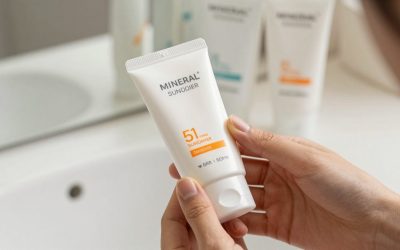
| Generic mineral face sunscreen, 1.5–3 oz | About $10–$20 | Usually more economical for the face than powder, but may leave shine or a white cast. |
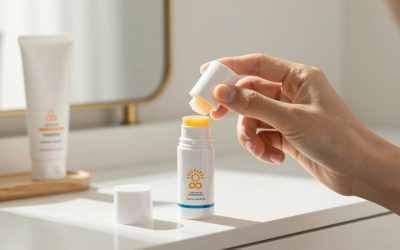
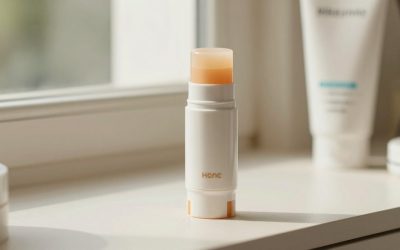
| Sunscreen stick, 0.5–1.5 oz | About $8–$16 | Portable and less messy than lotion, but easy to under-apply unless you make several passes. |
| UPF 30–50 hat or clothing | About $15–$60 per item | Provides no coverage on uncovered skin, but reduces how much sunscreen you need to apply and reapply. |
| Powder sunscreen compact | About $16–$25 | Fast and makeup-friendly, but the smallest amount of product and the greatest risk of under-application. |
FAQ
How often should you reapply sunscreen powder?
Use it about every two hours when you are outdoors, and reapply sooner after heavy sweating, swimming, towel drying, or wiping your face. If powder is being layered over makeup, apply it carefully to all exposed areas rather than only the places that look shiny.
Can sunscreen powder replace liquid sunscreen?
Usually no. Liquid, cream, or stick sunscreen is easier to apply in a sufficient, even layer, especially on the body. Powder is most reliable as a maintenance layer after an initial application of broad-spectrum sunscreen.
Is SPF 50 powder automatically better than SPF 30 powder?
Not necessarily. SPF 50 offers a higher labeled level of protection when applied as directed, but a thin, patchy layer of SPF 50 powder may protect less effectively than a generous, even layer of SPF 30 lotion. Application amount, reapplication, shade, clothing, and avoiding peak sun all matter.
Is sunscreen powder worth buying in 2026?
Yes, if convenience is the reason you avoid reapplying sunscreen. A brush-on powder can make touch-ups more realistic, particularly over makeup or along the scalp. Buy it as a portable supplement, not a replacement for a generously applied sunscreen base, protective clothing, sunglasses, and shade.
Ready to decide? Our #1 pick for 2026 is the Drugstore broad-spectrum lotion, 5–6 oz.
Live price & availability on Amazon.