Last updated: October 4, 2026
Choosing between sunscreen lotion and a sunscreen stick sounds like a skincare question, but for most households it is really a daily-routine decision. It affects how much product you go through each summer, how much cabinet space you dedicate to sun protection, how quickly you can reapply on kids, and how much you spend per season. A lotion bottle and a stick both deliver SPF 50 protection, but they behave very differently in real use—one rewards thoroughness, the other rewards speed. This guide breaks down the tradeoffs so you can stock the right option (or both) for your home in 2026.
Quick Verdict
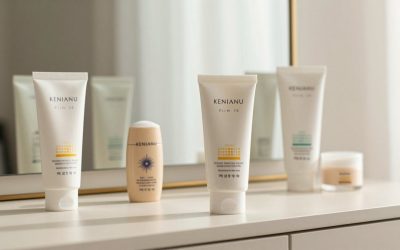
For most families, lotion is the better primary sunscreen: it covers large body areas evenly, costs less per ounce, and is easier to apply to squirmy kids without missing spots. Sticks win as a secondary tool—perfect for faces, ears, around the eyes, and on-the-go touch-ups. A practical setup is one family-size lotion bottle as your workhorse (roughly $10–$20) plus one stick ($8–$12) for faces and bags. If your household only buys one, buy lotion; if you struggle with eye sting, greasy hands, or reapplication compliance, add a stick.
As an Amazon Associate we earn from qualifying purchases at no extra cost to you.


Side by Side
| Factor | Sunscreen Lotion | Sunscreen Stick |
|---|---|---|
| Comfort on skin | Even, thin layer; can feel greasy until absorbed | Waxy balm texture; no drip, minimal residue |
| Durability / water resistance | Typically 80-minute water resistance when applied properly | Comparable 80-minute ratings, but thin swipes often under-apply |
| Price range | $8–$20 per bottle (8–12 fl oz) | $6–$12 per stick (0.5–1.5 oz) |
| Cost per ounce | Roughly $1–$2 per fl oz | Roughly $5–$15 per oz |
| Maintenance | Needs rubbing in; washes hands after | No hands needed; twist-up tube, no spills |
| Space needed | Bottle footprint ~2–3 in diameter, 6–8 in tall | Pocket-sized, roughly 1 x 3 in |
| Look/finish on skin | Natural matte or satin finish once dry | Slight shine on face; can look heavy if over-applied |
| Application speed | 2–4 minutes for full body | 30–60 seconds for face and spot areas |
| Travel/leak risk | Can leak in bags; check TSA liquid limits (3.4 oz) | Solid format; carry-on friendly, no leaks |
| Best for | Full-body coverage, beach days, families | Face, ears, kids’ touch-ups, purses and cars |
Where Sunscreen Lotion Wins
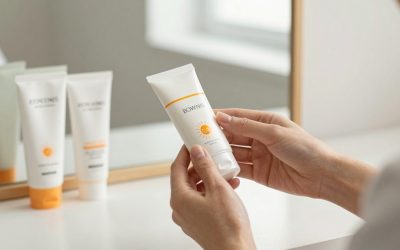
Coverage area and cost. A single 10–12 fl oz bottle covers dozens of full-body applications for an adult. At typical prices—around $10 for a 12 fl oz family-size Banana Boat Sport SPF 50 lotion, or under $20 for a twin pack of 10 oz bottles—your cost per application is pennies. Sticks simply cannot compete on volume; a 0.5–1.5 oz stick is largely spent on faces and shoulders within a few weeks of heavy use.
Reliable dosage. Dermatologists recommend about one ounce (a shot glass) of sunscreen per full adult body. With lotion, it is easy to see whether you have applied enough. With sticks, studies of consumer behavior consistently show people swipe far too little, which is why stick labels still instruct you to make multiple passes and rub it in. Lotion makes correct dosing visible and repeatable.
Better for full-body use. Rubbing lotion over legs, backs, and torsos is faster than drawing a stick over every square inch, and it distributes more evenly across hair-bearing or uneven skin.
Where Sunscreen Stick Wins
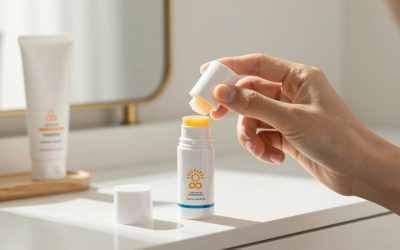
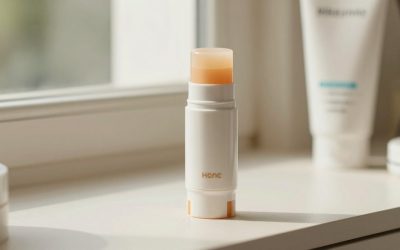
Face, ears, and eye area. Sticks give you precise control without drips into eyes—critical for kids who melt down when lotion stings. A swipe across the cheekbones, nose, and ears takes seconds. The Neutrogena Beach Defense Sunscreen Stick SPF 50 (1.5 oz, around $10) is a common pick for exactly this use, and the Blue Lizard Sensitive Mineral Sunscreen Stick SPF 50+ (0.5 oz, fragrance-free, zinc oxide, about $10) suits sensitive or reactive skin.
No-mess application. No greasy palms, no dripping bottle at the beach, no need for a second person to reach a mid-back. Kids can self-apply a stick starting around age four or five with reasonable supervision.
Portability. A stick fits in a purse, glove box, diaper bag, or golf bag. Solid formats pass TSA limits with no concern, and they will not leak in a hot car the way a capped bottle sometimes can.
Cost Over 5 Years
Assume a household of two adults applying sunscreen roughly 60 days per year (weekends and vacations). One full-body application per adult per day at one ounce each means about 7.5 fl oz per person per season, or 15 fl oz annually for the household—75 fl oz over five years.
Lotion-only household: At roughly $1 per fl oz for value formats (family-size bottles in the $10–$12 range), that is about $75–$110 over five years.
Stick-only household: If sticks (~$8–$10 each) substitute for even half of applications, you will burn through 25–40 sticks over five years, totaling roughly $200–$400. Sticks also expire faster in practice—they dry out and get contaminated at the tip—so you may replace an opened stick mid-season.
Hybrid household (recommended): Lotion for body plus 1–2 sticks per season for faces lands around $110–$150 over five years. The stick premium is real but modest, and the compliance gain—people actually reapplying—arguably makes it worth it.
Which One for Your Home
Small Apartment / Single Professional
Space and budget are not major constraints, but routine is. Keep one lotion bottle in the bathroom for weekend outdoor time and one stick in your everyday bag for commuting and lunchtime walks. Total investment: under $25. Prioritize a fragrance-free mineral stick if you also wear it under makeup—the Blue Lizard stick’s 0.5 oz size slips into even a small crossbody bag.
Family with Kids or Pets
Buy the big lotion—the 12 fl oz family-size format exists for households like yours. One bottle per floor of the house plus one in the beach bag. Add a stick per child for faces; letting kids handle their own face sunscreen dramatically cuts application battles. With pets, store lotions in closed cabinets—common filter ingredients like zinc can upset a dog’s stomach if a bottle gets chewed open, and sticks are easier to keep out of reach.
Rental or Vacation Property
Guests forget sunscreen constantly, and open bottles are a hygiene question. Stock one stick per bathroom (they are shareable in a way open lotions are not, since the tip can be wiped) and one inexpensive lotion bottle per stay. Budget roughly $15–$25 per refresh at the start of each season.
Long-Term Home
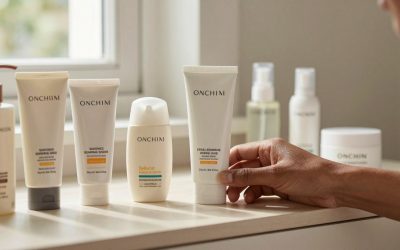
Think in systems: lotion stationed at every exit point (back door, garage, pool area) and a stick in every bag and vehicle. Twin-pack lotion pricing around $15 for two 10 oz bottles makes it cheap to duplicate. Check expiration dates each spring—most sunscreens carry a two-to-three-year shelf life unopened, roughly twelve months once opened.
FAQ
Can I use a sunscreen stick on my whole body?
Technically yes, but you will under-apply. You would need to make four passes per area and rub it in, which takes longer than lotion and consumes the stick within days. Use sticks for face, ears, hands, and spot touch-ups.
Do sticks provide real SPF 50 protection?
The formulation does, but only at adequate dosage. Multiple swipes with visible sheen, then rubbed in, are needed. Sticks excel on small, high-exposure zones like the nose and ear rims rather than full-body coverage.
Which is better for acne-prone or sensitive skin?
Mineral sticks with zinc oxide and no fragrance are generally well tolerated on the face, and the solid format avoids some comedogenic spread factors. For the body, lotions labeled non-comedogenic are fine; test any new product on a small patch first.
How long do lotion and sticks last once opened?
Most manufacturers stamp an expiration date; plan on about twelve months after opening for both formats. Store them below roughly 77°F—a hot car or poolside shelf degrades active ingredients faster, so replace anything that smells off or has separated.