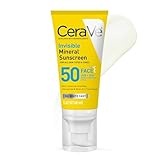
- Top Pick: CeraVe Invisible Mineral Sunscreen SPF 50, Face Sunscreen, 1.62oz
- Best Value: Blue Lizard Sensitive Mineral SPF 50 Sunscreen Lotion, 100% Mineral Sunscreen, UVA/UVB Protection, Infused with organic Aloe Vera, Soothes and Hydrates, 5 fl oz
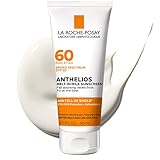
- Premium Choice: La Roche-Posay Anthelios Melt-In Milk Sunscreen for Face & Body SPF 60
Last updated: October 4, 2026
Choosing between mineral sunscreen and chemical sunscreen is less about finding one universal winner and more about matching the formula to the people, routines, and storage realities in your home. A sunscreen that feels comfortable on one family member may leave another looking chalky, greasy, or irritated. Likewise, a compact face tube may suit a small apartment, while a household with children, pets, and outdoor gear may need several larger bottles.
The basic distinction is straightforward. Mineral sunscreen uses active ingredients such as zinc oxide or titanium dioxide to sit on the skin and help block and scatter ultraviolet radiation. Chemical sunscreen uses organic UV filters that absorb ultraviolet radiation before it can damage skin. Both can provide broad-spectrum protection when properly formulated and applied, and both require reapplication.
As an Amazon Associate we earn from qualifying purchases at no extra cost to you.


For 2026, shoppers also have more texture and finish options than the old “thick white lotion versus invisible gel” comparison suggests. Mineral formulas can be sheer or tinted, while chemical formulas can range from lightweight fluids to rich milk textures. The right choice depends on comfort, sensitivity, activity level, budget, and how easily the product fits into daily life.
Quick Verdict
Choose mineral sunscreen if sensitive skin, ingredient simplicity, or avoiding chemical UV filters is your priority. It is also a practical option for people who dislike stinging around the eyes or want a formula that begins working as soon as it is evenly applied.
Choose chemical sunscreen if you want a lightweight, often transparent finish that layers easily under makeup or over facial moisturizer. It can be especially convenient for daily wear, sports, and larger areas of exposed skin where a white cast would be frustrating.
Neither category is automatically safer or more effective for every person. Look for broad-spectrum protection and SPF 30 or higher, apply enough, and reapply after swimming, sweating, towel drying, or prolonged outdoor exposure.
Side by Side
| Consideration | Mineral sunscreen | Chemical sunscreen |
|---|---|---|
| Comfort | Can feel thicker or more moisturizing; newer formulas may be lightweight. | Often spreads easily and feels thinner, though some formulas may sting. |
| Durability | Neither type is waterproof; water- and sweat-resistant versions still need reapplication. | Can be comfortable during activity, but sweat and rubbing reduce protection for both types. |
| Price range | About $10–$35 for common 1.5- to 6-ounce products. | About $10–$40 for common face and body products. |
| Maintenance | Shake or mix as directed; remove thoroughly at the end of the day. | Apply evenly and allow the product to set; cleanse thoroughly at night. |
| Space needed | Face tubes may be around 1.5–2 ounces; body bottles commonly use 4–6 ounces. | Face tubes and fluid bottles commonly range from 1.5–3 ounces; body sizes are often 5–6 ounces. |
| Look | May leave a white cast, especially on deeper skin tones, unless tinted or sheer. | Usually dries clear, though some formulas can leave shine or a film. |
| Resale | No meaningful effect on a home’s resale value; storage and expiration matter more. | No meaningful effect on a home’s resale value; keep products organized and in date. |
| Best for | Sensitive skin, children who tolerate it well, and shoppers seeking mineral-only actives. | Daily face wear, makeup layering, and people who prioritize a clear, fluid finish. |
Where Mineral Sunscreen Wins
Mineral sunscreen is often the first category considered by people with reactive skin. Zinc oxide and titanium dioxide are not designed to soak into the skin in the same way as chemical UV filters, which can make mineral formulas a comfortable starting point for those who experience burning or redness with other sunscreens. Still, any sunscreen can cause irritation, so patch-testing a new product is sensible.
Mineral sunscreen also offers a simple shopping filter: look for zinc oxide and/or titanium dioxide as the active ingredients. This can make ingredient-label decisions easier for families trying to avoid specific chemical filters. A formula such as CeraVe Invisible Mineral Sunscreen SPF 50, priced for under $20 for 1.62 ounces, is sized for a bathroom cabinet, travel bag, or everyday face routine rather than whole-body use.
For body coverage, Blue Lizard Sensitive Mineral SPF 50 comes in a 5-fluid-ounce bottle priced for under $20. A larger bottle is more practical for shoulders, arms, legs, and other exposed areas, although the exact amount needed varies by body size and clothing. Mineral sunscreen should be spread thoroughly; a thin, rushed application can leave uncovered patches regardless of the product category.
The main drawback is appearance. Zinc oxide can leave a visible cast, particularly when a thick layer is applied or when the formula is not designed to be sheer. Tinted mineral products may reduce that issue on the face, but tint can transfer to collars, towels, or light upholstery. At home, store mineral sunscreen in a small tray or washable bin near the entryway so the family can apply it before heading outside without risking spills on furniture.
Where Chemical Sunscreen Wins
Chemical sunscreen typically wins on cosmetic elegance. Many formulas spread quickly, disappear into the skin, and work well under makeup or over a lightweight moisturizer. That convenience matters because the best sunscreen is one people will apply generously and consistently.
Chemical formulas can also be useful for covering larger areas. La Roche-Posay Anthelios Melt-In Milk Sunscreen for Face and Body SPF 60 is an example of a product positioned for both face and body use, which can reduce the need to keep separate formulas in the bathroom. Its price is under $30, placing it above many basic drugstore options but within the typical range for a larger or specialty sunscreen.
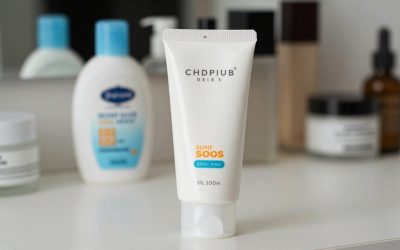
For a lighter facial option, Anua Zero-Cast Moisturizing Sunscreen SPF 50 is priced for under $20 for 1.69 ounces. A compact face product like this can fit in a medicine cabinet, desk drawer, or small travel pouch. Chemical sunscreen is often appealing in apartments where every shelf and countertop matters, because one small product can be easier to integrate into a morning routine than a bulky body bottle.
There are tradeoffs. Some chemical sunscreens cause eye watering or stinging, especially when applied close to the eyelids or during heavy sweating. “Chemical” also does not mean automatically harsh, and “mineral” does not mean irritation-proof. Fragrance, preservatives, alcohol, and other formula components may matter just as much as the sunscreen category for an individual user.
Cost Over 5 Years
A five-year sunscreen budget depends more on how many people use it and how much skin is exposed than on whether the formula is mineral or chemical. For a single adult using a 1.5- to 2-ounce face product daily, a reasonable planning estimate is one tube every four to eight weeks. At approximately $13–$26 per tube, that equals about $100–$340 over five years.
That estimate covers a face routine only. A household using sunscreen on arms, legs, shoulders, and faces will spend considerably more. If one adult uses about one 5- to 6-ounce body bottle each month during a six-month outdoor season, annual use could be six bottles. At roughly $15–$26 each, the five-year body-sunscreen cost would be about $450–$780, before adding face products.
Families may use more because children need frequent reapplication and bottles can be lost in cars, beach bags, or sports equipment. To control costs, keep one clearly labeled bottle at home and one in the outdoor gear bin, check expiration dates, and avoid buying more large bottles than the household can use while the product is still fresh. Price per ounce is useful for body sunscreen, while texture and tolerance may justify a higher price for a daily face product.
Which One for Your Home
Small apartment
Prioritize one comfortable face sunscreen and one versatile body formula rather than accumulating multiple half-used bottles. A 1.62- to 1.69-ounce face product fits easily in a medicine cabinet or entryway drawer. Choose chemical sunscreen if a clear, fast-spreading finish helps you apply it every morning; choose mineral sunscreen if sensitivity is the deciding factor. A small washable basket prevents bottles from crowding a bathroom counter.
Family with kids or pets
Keep sunscreen in a high, cool storage area away from direct sunlight, but place it where adults can grab it before outdoor play. A 5-ounce body bottle is more practical than a face-size tube for shoulders, arms, and legs. Mineral sunscreen can appeal to families seeking mineral-only actives, while a fragrance-free chemical option may be easier to spread quickly over several people. Sunscreen is for human skin; do not apply it to pets unless directed by a veterinarian.
Rental
Choose formulas that will not create avoidable messes on shared surfaces. A product that spreads cleanly and does not leave a strong cast may be easier around light-colored countertops, entryway benches, and rented upholstery. Use a lidded plastic caddy for sunscreen, hats, and sunglasses, and keep bottles upright to reduce leaks. The choice between mineral and chemical sunscreen will not affect the rental’s value, but stains and damaged finishes can create an unnecessary maintenance problem.
Long-term home
Build a repeatable sunscreen station near the primary exit: a tray, drawer, or cabinet stocked with face and body sizes. Consider mineral sunscreen for household members with sensitive skin and chemical sunscreen for those who prefer a clear daily finish. Label products by person if several formulas are in use, and review the collection at the start of each outdoor season. The best long-term setup is the one that makes broad-spectrum SPF 30 or higher easy to apply before leaving the house.
FAQ
Is mineral sunscreen better than chemical sunscreen?
Not universally. Mineral sunscreen may be better for someone with sensitive skin or a preference for zinc oxide and titanium dioxide. Chemical sunscreen may be better for someone who wants a transparent, lightweight finish. Application amount, reapplication, and broad-spectrum labeling matter more than the category alone.
Does mineral sunscreen leave a white cast?
It can, particularly in thicker formulas or on deeper skin tones. Tinted and newer sheer mineral formulas may reduce the appearance, but the finish varies by product and skin tone. Apply evenly and check the result in natural light before leaving home.
Can I use chemical sunscreen on sensitive skin?
Some people with sensitive skin tolerate chemical sunscreen well, while others experience stinging or redness. Choose a fragrance-free formula, avoid applying it directly to irritated or broken skin, and patch-test a small area before regular use. Mineral sunscreen is another option if a chemical formula is uncomfortable.
How much sunscreen should a household buy?
Buy enough for consistent use without creating a stockpile. Face products commonly come in 1.5- to 2-ounce packages, while body products are often 4–6 ounces. One adult may need a face product every one to two months with daily use, and body sunscreen can be used much faster during swimming, vacations, or outdoor work. Check the label and expiration guidance rather than relying on price alone.
Ready to decide? Our #1 pick for 2026 is the Comfort.
Live price & availability on Amazon.