- Top Pick: Relief Sun Organic Korean sunscreen SPF50+, PA++++ Riceand Probiotics | Korean Skin Care Solution for All Skin TypesNourishing Skin Protection and UV Def
- Best Value: d'alba Piedmont Waterfull Tone-Up Sunscreen Serum (1.69 fl oz), SPF 50+
- Premium Choice: mixsoon Bean Sunscreen-Lightweight Airy Texture SPF 50 No Pilling Korean Sunscreen for Face, No White Cast, Non-Sticky Stocking Stuffers 50ml / 1.69 fl.oz. Korean Glass Skin Care (Bean, 1.69)
Last updated: October 4, 2026
As an Amazon Associate we earn from qualifying purchases at no extra cost to you.


Korean SPF Sunscreen Review Guide 2026: Everything You Need to Know
Korean sunscreens have earned their global reputation for a reason: they protect effectively, feel like skincare, and vanish into the skin without the thick white cast that plagues many Western formulas. But navigating the Korean sunscreen market — with its unfamiliar PA rating system, hybrid formulas, and dozens of beloved brands — can be overwhelming for newcomers.
This guide cuts through the noise. We explain what every rating and label means, compare the two main formula types, and review the most highly rated Korean SPF sunscreens you can buy on Amazon right now.
🛒 Best Price Today on Amazon
Prime members get fast, free shipping on everything above, plus member-only deals. New members get a 30-day free trial — cancel anytime.
Understanding Korean SPF: SPF vs PA Rating System
Most US sunscreens display only an SPF number, which measures protection against UVB rays — the rays that cause sunburn. Korean sunscreens add a second metric: the PA rating, which measures protection against UVA rays.
UVA rays penetrate deeper into the skin than UVB. They don’t cause sunburn, but they are the primary driver of premature aging, wrinkles, collagen breakdown, and long-term DNA damage. They also worsen hyperpigmentation and make post-inflammatory marks darker. This is why dermatologists consistently emphasize “broad-spectrum” protection — you need both UVB and UVA coverage.
What the PA Rating Means
| PA Rating | UVA Protection Level | PPD Range |
|---|---|---|
| PA+ | Some protection | PPD 2–3 |
| PA++ | Moderate protection | PPD 4–7 |
| PA+++ | High protection | PPD 8–15 |
| PA++++ | Extremely high protection | PPD 16+ |
PPD (Persistent Pigment Darkening) is the measurement standard used across Asia and Europe to quantify UVA protection. A sunscreen with PA++++ and SPF50+ offers what dermatologists consider optimal daily broad-spectrum coverage.
When shopping for Korean sunscreens, always aim for PA+++ or PA++++ — particularly if you’re concerned about aging, dark spots, or hyperpigmentation.
Chemical vs Mineral Korean Sunscreens: Which Is Right for You?
| Feature | Chemical Sunscreen | Mineral Sunscreen |
|---|---|---|
| Active Ingredients | Tinosorb S/M, Uvinul A Plus, Mexoryl (not available in US OTC) | Zinc oxide, titanium dioxide |
| How It Works | Absorbs UV and converts it to heat | Reflects UV off the skin surface |
| Texture | Lightweight, serum-like, no white cast | Thicker; may leave white cast on deeper skin tones |
| Best For | Normal, oily, combination skin; darker skin tones | Sensitive, reactive skin; rosacea |
| Wait Time After Application | 15–20 minutes before UV exposure | Effective immediately upon application |
| Reef Safety | Some filters are reef-toxic (oxybenzone, octinoxate) | Generally reef-safe |
| Finish | Dewy, natural, or matte depending on formula | Often matte; can look chalky |
Key advantage of Korean chemical sunscreens: Korea and Europe have access to next-generation UV filters (Tinosorb S, Tinosorb M, Uvinul A Plus) that are not yet approved by the FDA for US OTC products. These newer filters offer superior UVA protection with lighter textures and better photostability. When you buy a Korean sunscreen on Amazon, you’re often getting access to these better-performing filters.
Top Korean SPF Sunscreens Reviewed
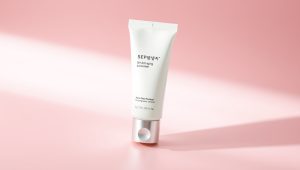
1. Beauty of Joseon Relief Sun Rice + Probiotics SPF50+ PA++++
Rating: 4.9/5
The single most popular Korean sunscreen on the global market right now, and deservedly so. Beauty of Joseon’s Relief Sun combines rice extract (brightening, soothing) with probiotics (barrier support) in a chemical-filter formula that applies like a serum and disappears into skin without any white cast or greasy residue. The finish is a soft, slightly luminous natural skin look that works beautifully as a makeup base.
At SPF50+ PA++++, it offers maximum-category protection on both UVB and UVA. The formula is fragrance-free, non-comedogenic, and suitable for most skin types including sensitive. This is the go-to recommendation for SPF beginners and skeptics who claim they “hate sunscreen.”
Best for: All skin types, especially those who avoid sunscreen due to texture issues
Finish: Soft natural/dewy
2. COSRX Aloe Soothing Sun Cream SPF50 PA+++
Rating: 4.6/5
COSRX built this formula around aloe vera — over 50% aloe barbadensis leaf juice — making it one of the most soothing sun creams in the K-beauty lineup. It’s ideal for skin that turns red easily, whether from sensitivity, mild rosacea, or post-procedure recovery. The lightweight cream texture absorbs quickly without the tackiness common in some aloe-heavy formulas. At SPF50 PA+++, protection is strong, though one PA+ below the maximum UVA tier. A reliable, honest workhorse sunscreen at an accessible price point.
Best for: Sensitive, reactive, redness-prone skin
Finish: Natural, non-greasy
3. Purito Daily Soft Touch Sunscreen SPF50+ PA++++
Rating: 4.7/5
Purito’s Daily Soft Touch is a cult favorite for its feather-light texture and cosmetically elegant finish. This is a mineral-dominant hybrid formula (zinc oxide + chemical filters) that manages to avoid the typical heavy white cast of pure mineral sunscreens while still catering to sensitive skin. The “soft touch” matte finish makes it particularly popular among those who find most Korean sunscreens too dewy. It layers invisibly under makeup and sits comfortably through a full workday without pilling. SPF50+ PA++++ puts it in the top tier for protection on both UVA and UVB.
Best for: Oily skin, those wanting a matte finish, sensitive skin that prefers mineral
Finish: Soft matte
4. Round Lab Birch Juice Moisturizing Sun Cream SPF50+
Rating: 4.5/5
Round Lab’s Birch Juice Sun Cream stands out for its dual role as a sunscreen and intense moisturizer. Birch sap (used in place of water as the base) delivers beta-glucan, minerals, and amino acids that actively hydrate while you’re protected. This makes it an exceptional choice for dry skin types who find most sunscreens drying or stripping. The texture is a lightweight milky cream that blends smoothly without greasiness. A morning step that genuinely pulls double duty — SPF protection plus visible skin plumping throughout the day.
Best for: Dry and dehydrated skin, winter months, those looking to simplify routine steps
Finish: Dewy, moisturized
5. Missha All Around Safe Block Essence Sun SPF45 PA+++
Rating: 4.3/5
Missha’s Essence Sun is one of the longest-standing and most trusted Korean sunscreens on the market. The lightweight essence-like texture absorbs instantly — almost like a toner — making it suitable for layering under multiple skincare products and makeup without congestion. SPF45 PA+++ provides solid protection, though a notch below the SPF50+ PA++++ top tier. Its ultra-thin consistency makes it the preferred choice for people who do extensive morning layering (multiple serums, moisturizers) and need a sunscreen that won’t add drag or thickness to the stack.
Best for: Complex morning routines, humid climates, those who prioritize ultra-light textures
Finish: Invisible, skin-like
How Much Sunscreen Should You Apply?
This is where most people unknowingly underprotect themselves. Sunscreen SPF ratings are determined using 2mg of product per cm² of skin — a standardized laboratory measurement. In practice for the average adult face, this translates to:
- Approximately 1/4 teaspoon (1.25ml) for the face alone
- Approximately 2 finger lengths of product squeezed onto the index and middle fingers
- A nickel-sized amount for face and neck combined
Studies consistently show that most people apply only 20–50% of the recommended amount. This means that an SPF50 sunscreen applied at half the correct dose delivers roughly SPF7 protection in practice — far below what you think you’re getting.
The solution: measure deliberately until you’ve trained your eye, or use two lighter application layers to reach the full 2mg/cm² dose. Both approaches work.
Korean Sunscreen Application Tips
Apply as the Last AM Step
Sunscreen should be the final product in your morning routine — after cleanser, toner, serum, and moisturizer. Applying anything on top can dilute or disrupt the UV filter film. Exception: setting powder or tinted SPF products specifically designed for reapplication over makeup.
Reapplication Is Critical
Chemical sunscreens degrade with UV exposure. Reapply every 2 hours when outdoors, after sweating heavily, or after swimming. Indoors with minimal window exposure, once in the morning is generally sufficient.
Applying Over Makeup
The most practical method: use a sunscreen spray, cushion compact, or SPF setting powder for reapplication over a full makeup look. Patting rather than rubbing minimizes disruption to the makeup underneath. Some Korean brands specifically formulate cushion refills with SPF50+ PA++++ for exactly this use case.
Don’t Skip the Neck and Ears
The neck, ears, and back of the hands are among the first areas to show UV-related aging and are frequently missed during sunscreen application. Apply to these areas daily, not just the face.
FAQ
Are Korean sunscreens reef-safe?
It depends on the formula. Mineral-only sunscreens (zinc oxide, titanium dioxide) are generally considered reef-safe. Many Korean chemical sunscreens use next-generation UV filters like Tinosorb S and M, which are believed to be less harmful to marine ecosystems than oxybenzone and octinoxate — but definitive reef-safety research on these newer filters is still emerging. If reef safety is a priority, choose a mineral or mineral-hybrid formula.
What is the difference between SPF50 and SPF50+?
SPF50 blocks approximately 98% of UVB rays. SPF50+ (the “+” designation used in Korea and internationally) indicates protection beyond the measurable SPF50 threshold — often equivalent to SPF60–70 by US standards. For daily use, the practical difference is minimal. Both provide excellent UVB protection when applied correctly.
Can I use Korean sunscreen under makeup?
Yes — Korean sunscreens are specifically formulated to layer well under foundation and BB creams. Apply, let it set for 1–2 minutes, then apply makeup as usual. The beauty of Joseon Relief Sun and Purito Daily Soft Touch are particularly well-regarded as makeup primers due to their smooth, gripping finish.
Do I need sunscreen if I’m indoors all day?
UVA rays penetrate glass windows, so if you sit near a window, UVA exposure is real and cumulative. UVB rays are mostly blocked by standard glass. If you’re working near windows, daily sunscreen is still recommended — particularly for hyperpigmentation concerns. If your office has no windows and you won’t be going outside, a strict daily SPF is less critical — though most dermatologists still recommend it as a habit.
Conclusion
Korean sunscreens represent the best daily sun protection available to US consumers today — thanks to next-generation UV filters, skin-friendly formulas, and honest PA ratings that tell you exactly how much UVA coverage you’re getting. Whether you prioritize maximum protection (Beauty of Joseon Relief Sun, Purito Daily Soft Touch), soothing care (COSRX Aloe), or deep hydration (Round Lab Birch Juice), there’s a Korean SPF on this list that will make daily sunscreen something you look forward to rather than dread.
Apply the right amount, reapply when outdoors, and make it the last step of your morning routine. That single habit is one of the highest-return investments you can make in your long-term skin health.
Frequently Asked Questions
What makes Korean skincare different?
K-beauty focuses on gentle ingredients, thin layered hydration, barrier health, and prevention, especially diligent sun protection, rather than harsh, aggressive treatments.
Do I need a 10-step routine?
No. A simple, consistent routine of cleanser, moisturiser, and SPF is the effective foundation; extra steps are optional and added based on your goals.
How do I build a routine from these picks?
Start with the essentials and introduce one new product or active at a time, giving your skin a few weeks to adjust, and keep daily sunscreen non-negotiable.
Related K-Beauty Guides
- Skincare Routine for Beginners: The Complete Step-by-Step Guide
- Best Sunscreen Reapplication Sprays: On-the-Go UV Protection Refresh
- Best Face Steamers for Skincare: Deep Cleanse and Hydrate Your Skin
- Best Derma Rollers for Microneedling: Stimulate Collagen at Home
- Best Face Massage Rollers: Sculpt, Depuff, and Boost Glow
- Best Jade Rollers for Face: Cooling, Depuffing, and Skin-Boosting Benefits
- Best Gua Sha Face Tools: Ancient Ritual for Modern Skin Benefits
Ready to decide? Our #1 pick for 2026 is the PA+.
Live price & availability on Amazon.