Last updated: October 4, 2026
Shopping for mineral sunscreen can look simple until every bottle makes the same promises: broad-spectrum protection, a high SPF number, a lightweight finish, and “gentle” ingredients. The common mistake is choosing by SPF alone. A product labeled SPF 50 may still be a poor purchase if it leaves a white cast, pills under makeup, irritates the eyes, or comes in a tube too small for regular use.
Another mistake is treating all mineral formulas as interchangeable. Zinc oxide and titanium dioxide behave differently on skin, while tints, moisturizers, silicones, and water-resistant ingredients can dramatically change the experience. The best choice is the one you will apply generously and reapply consistently. Use the guide below to compare what actually matters when buying mineral sunscreen in 2026.
As an Amazon Associate we earn from qualifying purchases at no extra cost to you.


Decide These 3 Things First
- Where will you use it? A face sunscreen needs a comfortable finish and should layer well with moisturizer or makeup. A body formula can prioritize a larger size and water resistance. A stick is convenient for touch-ups but usually costs more per ounce.
- Do you need a tint? Untinted zinc formulas can leave a visible cast, especially on medium to deep skin tones. Tinted formulas often look more natural, and those containing iron oxides may be preferable for people concerned about the appearance of dark spots.
- How much protection and wear time do you need? For everyday commuting, broad-spectrum SPF 30 or higher may be suitable when applied correctly. For beach days, outdoor work, sports, or high sun exposure, choose broad-spectrum SPF 50 or higher and a water-resistant formula.
Size and Format
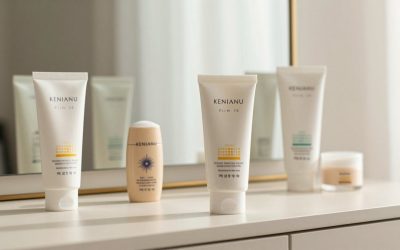
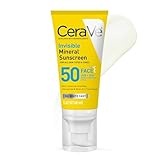
Size affects both value and whether you will have enough product to use the recommended amount. A typical face tube holds 1.5 to 2 ounces, while a body sunscreen commonly contains 3 to 8 ounces. A 1.62-ounce tube, such as CeraVe Invisible Mineral Sunscreen SPF 50, is convenient for a purse or bathroom cabinet but may be used up quickly if it also covers your neck, ears, and hands.
For the face, use approximately two finger lengths of sunscreen, or about 1/4 teaspoon, for the face and neck. For exposed body areas, roughly 1 ounce—about a shot-glass amount—is the commonly recommended quantity. A 3-ounce tube, such as Blue Lizard Sensitive Mineral Sunscreen SPF 50+, therefore provides only about three full-body applications if used generously. That makes a larger 5- to 8-ounce bottle more practical for frequent outdoor use.
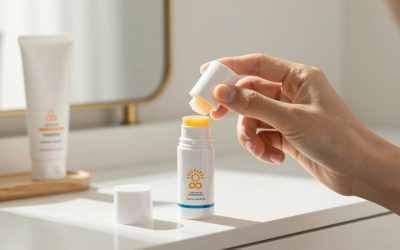
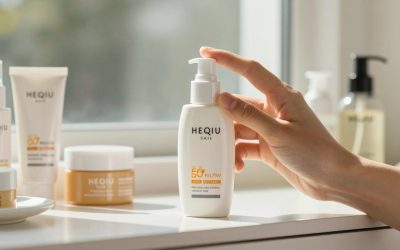
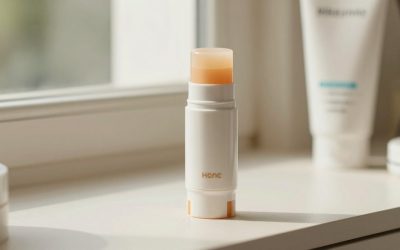
Choose a tube for portability and hygiene, a pump for quick body application, and a stick for the nose, cheeks, ears, and around the eyes. Sticks are useful for reapplication but should be swiped back and forth several times over each area rather than applied with one quick pass.
Active Ingredients and “Material”
Mineral sunscreen relies on zinc oxide, titanium dioxide, or both. Zinc oxide offers broad-spectrum protection across UVA and UVB ranges and is commonly used in sensitive-skin formulas. Titanium dioxide is also an effective mineral filter, but many modern formulas combine the two or use zinc oxide as the primary active ingredient.
Check the active-ingredient panel rather than relying on front-label language. “Mineral,” “physical,” and “reef-friendly” claims do not tell you the exact level of protection. Look for:
- Broad spectrum: Indicates protection against both UVA and UVB radiation.
- SPF 30 to 50+: SPF measures primarily UVB protection; a higher number does not mean you can apply less or stay outside indefinitely.
- Zinc oxide and/or titanium dioxide: These are the mineral UV filters to identify.
- Water resistance: The label should specify either 40 or 80 minutes. No sunscreen is waterproof.
People with sensitive skin may also want fragrance-free formulas and a short ingredient list. “Mineral” does not automatically mean irritation-free; preservatives, botanical extracts, and fragrance can still cause problems.
Formula Construction
The texture is determined by more than the active ingredients. Look for a formula that uses moisturizing ingredients such as glycerin, ceramides, or squalane if your skin is dry. Silicones can help a sunscreen spread smoothly and reduce tackiness, while lightweight emollients may be more comfortable on normal or combination skin.
Consider the finish you prefer. Invisible or sheer formulas typically use a blend of finely dispersed mineral particles and cosmetic ingredients designed to reduce whitening. They may feel smoother but can be more expensive. Traditional zinc formulas may provide a thicker, more protective-feeling layer but require more rubbing and can leave a cast.
Tinted mineral sunscreens use pigments to offset the white appearance. La Roche-Posay Anthelios Tinted Mineral Sunscreen SPF 50 in Light is an example of a face-focused tinted product. CeraVe Tinted Sunscreen SPF 30 in Medium is another option, priced around $15 in the example comparison. Match the tint to your skin in daylight; a shade that looks acceptable indoors can appear orange, gray, or too pale outside.
Comfort and Performance
The best sunscreen is one you can apply in the correct amount without avoiding it because of texture. Before buying a full-size bottle, assess four practical qualities: spreadability, cast, eye comfort, and layering.
Spreadability: A formula that dries immediately may be difficult to distribute evenly. One that remains greasy for several minutes may be unpleasant under clothing. Apply sunscreen in two thin layers if a single thick layer pills or drags.
White cast: Untinted mineral formulas are more likely to show on deeper skin tones, facial hair, or dry patches. A tinted option can help, though no single shade works for everyone.
Eye comfort: Mineral formulas are often chosen by people who find chemical sunscreen irritating around the eyes, but individual responses vary. Apply carefully around the orbital bone and allow the product to set before sweating.
Layering: Test the sunscreen over your usual moisturizer and under makeup. Roll-up, pilling, or separation can result from incompatible product textures, too much skincare underneath, or insufficient drying time. Give each layer about 1 to 2 minutes to settle before adding the next.
For outdoor use, select water resistance for 40 or 80 minutes, then reapply after swimming, toweling off, or heavy sweating. Reapply at least every two hours during continued exposure. Clothing, shade, hats, and sunglasses remain important because sunscreen should not be the only line of defense.
Price Tiers
Budget mineral sunscreens generally cost about $8 to $16 for 3 to 4 ounces, or $10 to $18 for a 1.5- to 2-ounce face tube. Blue Lizard Sensitive Mineral Sunscreen SPF 50+ is listed for under $20 for 3 ounces, making it a useful benchmark for a basic fragrance-free body formula. CeraVe’s face options in the example set are about $15 for roughly 1.6 to 1.7 ounces.
Midrange products typically cost $16 to $30 per 1.5 to 2 ounces. They may offer a more elegant finish, improved tint, added skincare ingredients, or packaging designed for daily facial use.
Premium face sunscreens generally run $30 to $45 or more for 1.5 to 2 ounces. La Roche-Posay Anthelios Tinted Mineral SPF 50, listed for under $40, falls into this range. The higher price may reflect cosmetic elegance, shade development, or a formula that layers better—not automatically stronger protection. Compare the price per ounce and confirm that the finish solves a problem you actually have.
Shelf Life and Packaging
Sunscreen is a regulated product with an expiration date, so check the package before purchasing and again before using it. If there is no visible expiration date, look for the batch or lot information and follow the manufacturer’s guidance. Replace sunscreen after the expiration date or if the texture, color, or smell changes.
Store it away from direct sun and excessive heat. A hot car, sunny windowsill, or beach bag left in the sun can damage the formula. Tubes are usually practical because they limit air exposure and allow you to squeeze out a controlled amount. Pumps are convenient for the body but can become difficult to use when the product level gets low.
Delivery and Packaging
When buying online, inspect the product on arrival. The seal should be intact, the cap should close securely, and the tube should not be swollen, leaking, or unusually warm. Avoid ordering more sunscreen than you can reasonably use before its expiration date. For a household that applies sunscreen daily, a 3- to 8-ounce body bottle and a separate 1.5- to 2-ounce face tube are generally more practical than several small specialty products.
Travel-size containers of 1 to 2 ounces are useful for carry-on bags and reapplication, but they may not provide enough product for a family or a full day outdoors. If you decant sunscreen, use a clean, compatible container and label it with the product name and expiration information.
Spec Checklist
| Spec | Budget | Mid | Premium |
|---|---|---|---|
| Typical price | $8–$16 | $16–$30 | $30–$45+ |
| Typical size | 1.5–4 oz | 1.5–3 oz | 1.5–2 oz |
| Protection | Broad-spectrum SPF 30–50+ | Broad-spectrum SPF 30–50+ | Broad-spectrum SPF 40–50+ |
| Water resistance | None to 40 minutes | 40 or 80 minutes | 40 or 80 minutes |
| Finish | May be thicker or visibly white | Sheer, moisturizing, or tinted | Usually optimized for layering and makeup |
| Best use | Body, family, everyday errands | Daily face and outdoor use | Frequent facial wear and cosmetic finish |
Red Flags
- The product says “mineral” but does not clearly list zinc oxide or titanium dioxide as active ingredients.
- There is no broad-spectrum claim or no visible expiration information.
- The product promises to be waterproof, sweatproof, or permanent.
- The tube is dramatically smaller than competing products but costs the same or more.
- A tint is sold in only one shade without enough information to judge the undertone or depth.
- The sunscreen pills, separates, or stings consistently during a patch or wear test.
- The packaging appears damaged, overheated, leaking, or previously opened.
FAQ
Is mineral sunscreen better than chemical sunscreen?
Neither category is universally better. Mineral sunscreen can be a good choice for sensitive skin or for shoppers who prefer zinc oxide or titanium dioxide. The best formula is the one that offers broad-spectrum protection and that you will apply generously and reapply as directed.
What SPF should I buy?
Choose broad-spectrum SPF 30 or higher for routine use, and consider SPF 50 or higher for prolonged outdoor exposure, high-altitude trips, sports, or very sun-sensitive skin. SPF does not replace shade, protective clothing, or reapplication.
How much mineral sunscreen should I apply to my face?
Use about two finger lengths, or approximately 1/4 teaspoon, for the face and neck. Apply in sections if the formula is thick, and do not forget the ears, hairline, and tops of the hands.
Is tinted mineral sunscreen worth the extra cost?
It can be, especially if an untinted formula leaves a noticeable cast or if you want a finish that resembles light makeup. Compare the shade in daylight and remember that tint improves appearance but does not eliminate the need for the labeled amount and regular reapplication.
Ready to decide? Our #1 pick for 2026 is the Typical price.
Live price & availability on Amazon.