Last updated: October 4, 2026
Finding a sunscreen that stays on a squirming four-year-old, doesn’t sting their eyes, and actually lives up to its SPF label is one of the most frustrating purchases a parent makes. The kids’ sunscreen market is crowded with brands that look identical on the shelf but differ sharply in mineral content, water resistance, application format, and how well they tolerate pool water and sand. A lotion that reads as clean on the ingredient list can still feel chalky and heavy on small skin, while a spray that applies effortlessly may evaporate before it forms a protective film.
This roundup pulls together eight products that consistently appear in parent recommendation threads and retailer review data for 2026. We compared published spec sheets, ingredient disclosures, container sizes, per-ounce pricing, and aggregated owner feedback to separate genuinely reliable formulas from those that look protective on paper but underperform in real beach or playground conditions.
As an Amazon Associate we earn from qualifying purchases at no extra cost to you.





Quick Picks
| Product | Best for | Price |
|---|---|---|
| Blue Lizard Kids Mineral Lotion (5 fl oz) | Overall mineral protection | under $20 |
| Banana Boat Sport Kids Spray | Active kids who hate lotion | under $20 |
| Sun Bum Kids Clear Body Spray | Non-white-cast coverage | under $20 |
| Sun Bum Kids Clear Face Stick | On-the-go face reapplication | under $10 |
| Blue Lizard Australian Kids Lotion (3 fl oz) | Budget mineral lotion | under $10 |
| Neutrogena Beach Defense Kids Stick | High SPF stick format | under $20 |
| Blue Lizard Kids Mineral Spray | Mineral spray application | under $20 |
| Thinkbaby Baby Sunscreen | Infants and sensitive skin | under $20 |
How We Picked
We filtered these products on four criteria that matter most for children’s sun protection: broad-spectrum coverage verified on the label, water-resistance duration, formula type (mineral versus chemical versus hybrid), and practical application format. Owner feedback weighted toward durability through swimming and reapplication frequency, plus whether the product caused eye irritation or left a visible cast on younger skin. Price-per-ounce was used to assess value across container sizes.
The 8 Best Sunscreen For Kids in 2026
Blue Lizard Kids Mineral Lotion, 5 fl oz
This is the default recommendation for parents who want a straightforward mineral formula with no fragrance or parabens. The 100% mineral base uses zinc oxide as its active ingredient, which means it works immediately on contact rather than needing absorption time. Owners highlight its water-resistant formula as genuinely holding up through multiple swimming sessions. The 5 fl oz bottle covers a full body application for smaller children with room to spare. The main drawback is the white cast it leaves on darker skin tones, a common tradeoff with pure mineral formulas. Skip this if your child has deeper skin and you prioritize a cosmetically invisible finish over chemical-free protection.
- Pros: 100% mineral with zinc oxide; paraben-free and fragrance-free; water-resistant formula.
- Con: White cast on deeper skin tones.
Banana Boat Sport Kids Sunscreen Spray SPF 50 (2 Pack)
For a parent dealing with a child who screams at the mere sight of lotion, this two-pack spray is the pragmatic solution. At 6 oz per bottle, you get a generous supply, and the per-pack price of under $20 makes it one of the best value options here. The spray format means reapplication after swimming takes seconds rather than minutes. Owner feedback praises the non-greasy feel and quick absorption. The tradeoff is that sprays require more product per application to achieve equivalent coverage, and windy days can make even distribution unreliable. Skip this if you need a reef-safe formula or if your child is young enough that inhalation risk matters.
- Pros: Two-pack value for under $20; fast spray application; non-greasy finish.
- Con: Higher product consumption per use; wind complicates even coverage.
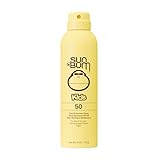
Sun Bum Kids Clear Sunscreen Body Spray
The “clear” in the name is the selling point here: Sun Bum’s formulation dries without leaving a white residue, making it a strong choice for families with varied skin tones. SPF 50 and broad-spectrum labeling are consistent across the line. For under $20 for 6 oz, pricing sits in the middle range. Owners appreciate the lightweight feel and that it layers well over moisturizer or bug spray without pilling. The con is that some reviewers note the water resistance doesn’t last as long as mineral competitors, meaning more frequent reapplication at the pool. Skip this if your child is an avid swimmer and you want the longest possible interval between applications.
- Pros: Dries clear with no white cast; lightweight texture; layers well.
- Con: Water resistance duration trails mineral alternatives.
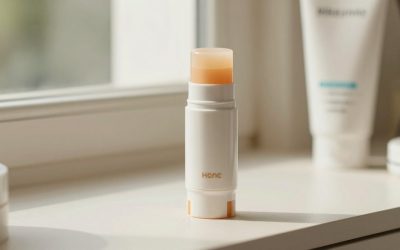
Sun Bum Kids Clear Face Stick Sunscreen
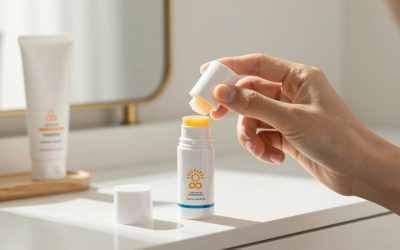
A face stick solves one specific problem: reapplying sunscreen on a face that’s already covered in sand, sweat, or tears without making a mess. For under $10 for 0.53 oz, the per-ounce cost is high, but you’re paying for a targeted tool, not a full-body solution. The clear formula avoids the white streak across the nose that mineral lotions leave behind. Owners like throwing it into a diaper bag or school backpack for teacher-reapplication. The limitation is straightforward size—a stick this small won’t last a full summer of daily school use. Skip this as your primary sunscreen and treat it purely as a reapplication companion to a body lotion or spray.
- Pros: Clear finish; portable and mess-free for face reapplication; low entry price.
- Con: Small volume means it runs out quickly with daily use.
Blue Lizard Australian Kids Mineral Sunscreen Lotion, 3 fl oz
This is essentially the same mineral formula as the 5 fl oz Blue Lizard above, packaged smaller for a lower sticker price of under $10. It’s the right call if you want to trial the brand before committing to a full-size bottle, or if your child only needs sunscreen for school recess rather than all-day beach trips. Zinc oxide provides the broad-spectrum shield, and the fragrance-free base keeps irritation risk low. The math on per-ounce pricing works out higher than the larger bottle, so it isn’t a value play. Skip this if you need a full summer’s worth of coverage and instead go for the larger container to improve cost per application.
- Pros: Same trusted mineral formula at a lower entry cost; fragrance-free.
- Con: Higher per-ounce price than the 5 fl oz version.
Neutrogena Beach Defense Kids Sunscreen Stick SPF 60+
SPF 60+ puts this stick at the top of the protection scale on paper, and the stick format means zero mess for parents applying sunscreen to a wiggling toddler’s nose and ears. For under $20 for 1.5 oz, it’s the priciest stick here per unit. Owners note the glide is smooth without dragging, which matters when a child is uncomfortable and pulling away. The significant caveat is that SPF numbers above 50 offer diminishing returns in actual protection, and this is a chemical formula rather than mineral, which some parents actively avoid. Skip this if you prefer zinc-based ingredients or if the SPF 60+ number is your sole reason for selecting it.
- Pros: Highest labeled SPF in this group; smooth glide stick format.
- Con: Chemical formula; premium price for small container size.
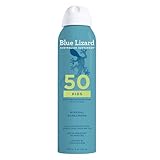
Blue Lizard Kids Mineral Sunscreen Spray, 5 fl oz
This entry occupies an unusual space: a mineral-based spray rather than the chemical sprays most competitors offer. Zinc oxide does the work, and the spray format makes application to a moving child practical. For under $20 for 5 fl oz, it’s the most expensive product in this roundup, which reflects the engineering difficulty of suspending mineral particles in a sprayable vehicle. Owners report the spray delivers a more even coat than the lotion version for hard-to-reach spots like shoulders and backs. The con echoes the lotion—expect a visible mineral haze on darker skin. Skip this if cosmetic elegance is a priority or if budget is tight.
- Pros: Mineral protection in spray format; even coat on tricky areas.
- Con: Highest price point; visible mineral haze on deeper skin tones.
Thinkbaby Baby Sunscreen SPF 50+, 6 Oz
Thinkbaby’s formula is built specifically for the youngest and most reactive skin, which is why it consistently earns recommendations from pediatric dermatologists in published guides. The mineral base with zinc oxide and titanium dioxide avoids the chemical actives that can trigger rashes on infant skin. For under $20, it’s the highest-priced item in this list, justified partly by the broader safety testing the brand advertises. Owners with eczema-prone children report the least irritation of any product they’ve tried. The downside is a thick, paste-like texture that takes real effort to rub in evenly. Skip this if your child is older and you’re looking for a lighter, faster-absorbing option.
- Pros: Designed for sensitive and infant skin; mineral actives only.
- Con: Thick texture slows application and can feel heavy.
Buying Guide
Mineral vs. Chemical: Which Formula Suits Your Child
Mineral sunscreens sit on the skin’s surface and deflect UV rays physically, meaning they work instantly and are less likely to cause irritation on reactive or eczema-prone skin. Chemical sunscreens absorb into the upper skin layer and convert UV into heat; they tend to apply more transparently but require about 15-20 minutes of absorption time before sun exposure. For toddlers and children with known skin sensitivities, mineral is the safer default. For older kids who resist the white cast, a chemical or hybrid formula may improve compliance.
SPF and Water Resistance: What the Numbers Actually Mean
SPF 50 blocks roughly 98% of UVB rays; SPF 60+ adds less than one percentage point. Beyond SPF 50, the practical benefit is marginal, and higher numbers can create a false sense of security that leads to skipped reapplication. Water resistance is the label that matters more for active kids: FDA-regulated claims allow either 40 or 80 minutes of protection before reapplication is required. Check which duration each product claims and plan accordingly.
Format Matters: Lotion, Spray, and Stick Compared
Lotions give the most even coverage and are the easiest to audit visually, but they require a cooperative child and clean hands. Sprays win on speed and parent sanity but can result in underapplication if wind is a factor. Sticks are ideal for face and spot reapplication without mess but cover small areas at a time. Most families benefit from owning one lotion or spray for full-body first application and one stick for school-day face touchups.
Our Verdict
The Blue Lizard Kids Mineral Lotion in 5 fl oz is the top pick overall: it combines verified mineral protection, water resistance, fragrance-free formulation, and fair pricing for under $20. For budget-conscious families, the Banana Boat Sport Kids Spray two-pack for under $20 delivers reliable coverage at the lowest per-use cost. If your child has eczema or exceptionally reactive skin, Thinkbaby for under $20 justifies its premium because owner feedback consistently reports zero irritation where other formulas fail.
FAQ
Is SPF 50 enough for kids, or should I buy higher?
SPF 50 is sufficient for the vast majority of pediatric sun-exposure scenarios when reapplied correctly. Numbers above 50 provide negligible additional UVB blocking and do not reduce how often you need to reapply. Broad-spectrum labeling and water resistance duration matter more than the SPF number alone.
Can I use the same sunscreen on my child’s face and body?
Yes, as long as the formula is fragrance-free and labeled non-comedogenic. Mineral lotions are generally safe for both areas. The reason face sticks exist is purely practical—reapplying on a sandy or tear-streaked face without a mess is easier with a solid format than with a lotion or spray.
How often should I reapply sunscreen on a child?
Every two hours under dry conditions, and immediately after swimming or heavy sweating regardless of the labeled water-resistance time. Children’s skin is thinner and more prone to burning, so erring on the side of more frequent application is wise even if the label claims 80-minute water resistance.
Are mineral sunscreens better than chemical ones for kids?
For children under six or those with sensitive or eczema-prone skin, mineral formulas are generally preferred because they sit on the skin’s surface and are less likely to cause irritation. For older kids who prioritize a cosmetically invisible finish and have no sensitivity issues, chemical formulas offer easier compliance without sacrificing protection.