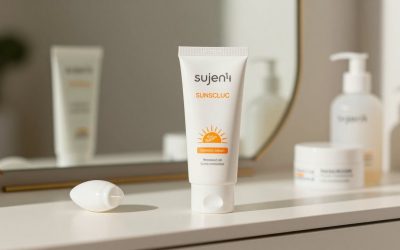
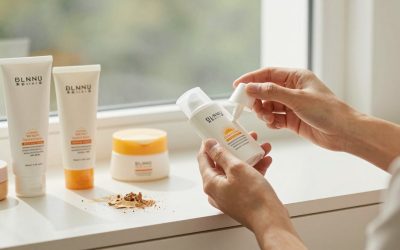
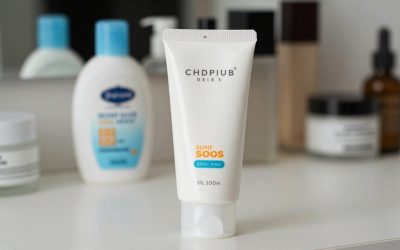
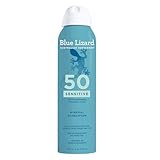
- Top Pick: Blue Lizard Sensitive Mineral SPF 50 Sunscreen Lotion, 100% Mineral Sunscreen, UVA/UVB Protection, Infused with organic Aloe Vera, Soothes and Hydrates, 5 fl oz
- Best Value: Blue Lizard SENSITIVE Mineral Sunscreen with Zinc Oxide, SPF 50+, Water Resistant, UVA/UVB Protection with Smart Cap Technology – Fragrance Free, 3 oz. Tube
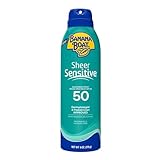
- Premium Choice: Banana Boat Sheer Sensitive Sunscreen Lotion SPF 50, 6 Fl Oz
Last updated: October 4, 2026
Finding a sunscreen that doesn’t trigger a breakout, sting, or burning sensation is one of the most frustrating shopping experiences in skincare. Sensitive skin reacts unpredictably to fragrance, alcohol, chemical filters, and even certain preservatives, so the wrong bottle can leave your face redder than the sun did. The problem is compounded by marketing: dozens of products claim to be “gentle” or “for sensitive skin” while still containing the exact ingredients that provoke flare-ups.
What separates a genuinely sensitive-skin-safe sunscreen from a mediocre one comes down to a handful of concrete specs: the filter type (mineral versus chemical), the presence or absence of fragrance and common irritants like parabens, the SPF level and spectrum coverage, and whether the formula adds soothing ingredients like aloe or oat rather than just avoiding harm. This roundup compares eight sunscreens that consistently earn positive owner feedback from people with reactive skin, ranked across price, formulation approach, and real-world usability for body and face.
As an Amazon Associate we earn from qualifying purchases at no extra cost to you.




Quick Picks
| Product | Best for | Price |
|---|---|---|
| Blue Lizard Sensitive Mineral Lotion 5 oz | Overall best mineral lotion | under $20 |
| Blue Lizard Sensitive Mineral Tube 3 oz | Best value mineral option | under $10 |
| Banana Boat Sheer Sensitive Lotion | Best budget chemical lotion | under $10 |
| Banana Boat Sheer Sensitive Spray | Best budget spray application | under $10 |
| Aveeno Protect + Hydrate SPF 60 | Best hydrating face-and-body formula | under $20 |
| Neutrogena Ultra Sheer Dry Touch SPF 70 | Best no-shine sunscreen for oily skin | under $10 |
| Blue Lizard Sensitive Mineral Spray 5 oz | Best mineral spray for large areas | under $20 |
| CeraVe Invisible Mineral SPF 50 | Best dedicated face sunscreen | under $20 |
How We Picked
We narrowed candidates using four criteria drawn from published ingredient lists, spec sheets, and aggregated owner reviews. First, formulation safety: products must be fragrance-free or explicitly designed for sensitive skin with minimal irritant load. Second, filter credibility: mineral (zinc oxide, titanium dioxide) formulas scored higher for reactive-skin suitability, while chemical filters were included only where owners reported no stinging. Third, price-per-use: smaller tubes with higher concentrations can be less economical per application than larger bottles. Fourth, real-world usability: texture, white cast, and whether the formula works under makeup or on large body areas matter to owners more than marketing claims.
The 8 Best Sunscreen For Sensitive Skin in 2026
Blue Lizard Sensitive Mineral Lotion (5 fl oz)
This is the formula most often recommended by owners with rosacea and eczema-prone skin who want a generous-size body lotion without breaking the bank. The 100% mineral filter system means no chemical absorbers to trigger reactions, and the organic aloe vera infusion provides a layer of immediate hydration that keeps the zinc oxide from feeling drying over long days outdoors. At five fluid ounces, it offers substantially more product per dollar than the competing mineral tubes in this group.
- Pro: Zinc oxide formula with added aloe that owners describe as genuinely soothing on freshly irritated skin.
- Pro: Largest mineral lotion volume here relative to its price, making it the most economical mineral option for daily full-body use.
- Con: As a mineral lotion, it can leave a visible white cast on deeper skin tones, which some owners note is harder to blend on the face.
Skip it if you need a face-first formula that layers invisibly under makeup.
Blue Lizard Sensitive Mineral Tube (3 oz)
A travel-friendly counterpart to the larger Blue Lizard lotion, this SPF 50+ tube packs zinc oxide into a fragrance-free base with water resistance built in. Owners frequently buy this for gym bags, beach trips, and diaper-bag rotations because the smart cap mechanism lets them apply with one hand while the tube seals without dripping. The price under $9 makes it the cheapest mineral option on this list.
- Pro: One-handed smart cap design earns repeated praise from parents and commuters who apply sunscreen in transit.
- Pro: Lowest price for a certified mineral formula with SPF 50+ and water resistance among all eight products compared.
- Con: Three ounces disappears quickly if you use it beyond spot-application; owners covering their full face and neck report finishing a tube within a few weeks of daily use.
Skip it if you need a product that will last a full season on your face without frequent repurchasing.
Banana Boat Sheer Sensitive Lotion (6 fl oz)
This is the pick for someone who wants SPF 50 without the mineral white cast and whose sensitive skin tolerates chemical filters. Banana Boat’s Sheer Sensitive line omits the added fragrance found in their standard formulas, and the lotion texture spreads thinner than most drugstore alternatives. Owners with mild reactive skin call it the easiest “regular sunscreen” to upgrade to without worrying about stinging around the eyes.
- Pro: Sheer texture with no white residue makes it a practical option for deeper skin tones and daily wear under clothing.
- Pro: Six-ounce bottle for under $9 delivers one of the best volume-to-cost ratios in the sensitive-skin category.
- Con: Still uses chemical filters, so owners with severe reactivity or those who have been told by a dermatologist to avoid oxybenzone-type absorbers will find it triggers flare-ups.
Skip it if you have been diagnosed with a chemical sunscreen allergy or have had reactions to oxybenzone.
Banana Boat Sheer Sensitive Spray (6 oz)
The spray format addresses the most common complaint about lotion application: the friction and time it takes to rub sunscreen onto hard-to-reach back and shoulder areas. Owners report that the mist distributes evenly without saturating the skin, which means less reapplication in hot, humid conditions. The formula matches the lotion’s chemical-filter base and SPF 50 rating, so it carries the same caveat for severely reactive skin.
- Pro: Even mist coverage makes it practical for solo back and shoulder application without a partner or awkward mirror angles.
- Pro: Dries quickly on the skin, reducing the sticky residue that owners associate with lotion-based sunscreens on arms and legs.
- Con: Aerosol sprays are harder to gauge for adequate dose per application; owners note it is easy to under-apply compared to a measured lotion pump.
Skip it if you need a product for the face or sensitive neck area, where spray drift into eyes and mouth is a practical risk.
Aveeno Protect + Hydrate SPF 60 (3 fl oz)
This hybrid chemical formula earns its spot through a specific owner demographic: people with sensitive skin who also deal with dryness and whose dermatologist cleared them for chemical filters. The prebiotic oat base is the differentiator—owners with eczema-prone skin describe it as the first sunscreen that doesn’t worsen dry patches by midday. At SPF 60 with 80-minute water and sweat resistance, it covers active outdoor use without the white cast of zinc.
- Pro: Prebiotic oat formulation actively supports the skin barrier rather than simply sitting on top; owners report fewer dry-tight feelings by evening.
- Pro: 80-minute water and sweat resistance rating means reapplication is less frequent during exercise or swimming compared to non-water-resistant formulas.
- Con: The chemical filter system means it is not suitable for anyone who needs to avoid chemical absorbers entirely due to diagnosed reactions.
Skip it if you require a 100% mineral formula or have had stinging episodes with any non-zinc sunscreen.
Neutrogena Ultra Sheer Dry Touch SPF 70 (3 fl oz)
For oily and combination sensitive skin that breaks out from anything that leaves a film, this is the standard recommendation in owner forums. The Dry Touch finish absorbs rapidly without the pilling or greasy sheen that owners associate with heavier moisturizing sunscreens. SPF 70 places it at the higher end of this roundup, and the paraben-free, oil-free label gives sensitive-skin shoppers confidence about the ingredient list before they buy.
- Pro: Owners with oily, acne-prone sensitive skin consistently cite this as the only sunscreen that does not cause breakouts under their moisturizer or foundation.
- Pro: Highest SPF rating among all eight products here, providing maximum UVB protection without increasing formula heaviness.
- Con: Chemical-filter based and lacking added soothing or hydrating ingredients, so it may feel tight or drying over a long day for anyone whose sensitivity includes dryness.
Skip it if you have dry or mature sensitive skin that needs humectants and barrier-supporting ingredients in the sunscreen step.
Blue Lizard Sensitive Mineral Spray (5 oz)
This spray exists to solve the one legitimate complaint about mineral sunscreens: spreading thick zinc cream across large body areas is tedious and uneven. Owners who want mineral-only protection on their backs, legs, and shoulders without the friction of a lotion call this the most practical compromise. The five-ounce size at $18 is the priciest product in this roundup, but the convenience and dermatologist-recommended brand backing make it a staple for families with children or reactive adults who need to cover large areas fast.
- Pro: Mineral-only zinc oxide spray is rare at this price point and volume, making it a unique option for families needing quick, broad application.
- Pro: Water resistance and broad-spectrum UVA/UVB coverage from a brand explicitly positioned as dermatologist-recommended give confidence for daily outdoor routines.
- Con: Highest per-bottle price in this group, and spray delivery of mineral particles is inherently less efficient than a cream, meaning owners report using more product per application to achieve adequate coverage.
Skip it if budget is your primary constraint and you can tolerate the white cast of a lotion for better value.
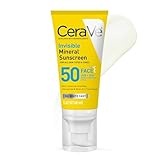
CeraVe Invisible Mineral SPF 50 Face (1.7 oz)
CeraVe built its reputation on ceramide-containing skincare, and this face-specific mineral sunscreen extends that logic to the SPF step. The “invisible” descriptor is unusual for a zinc-based formula and earns repeated praise from owners with medium and deep skin tones who otherwise avoid mineral sunscreens for aesthetic reasons. At 1.7 ounces and under $14, it is the most concentrated product here by weight, designed for daily facial application rather than body coverage.
- Pro: Owners with deep skin tones describe this as the first mineral sunscreen that blends without leaving a gray or ashy cast on the face.
- Pro: Formulated specifically as a face product, it layers cleanly under makeup and does not pill when applied over serums or moisturizers.
- Con: The small tube means a full summer of daily facial use may require a second bottle, pushing the effective cost higher than larger lotion formats.
Skip it if you need a single product for face and body; this is a dedicated facial formula in a face-specific size.
Buying Guide
Mineral vs. Chemical: Which Filter System Fits Your Sensitivity?
Mineral sunscreens use zinc oxide or titanium dioxide to physically deflect UV rays on the skin surface. They are non-absorbing, which means they rarely penetrate reactive barriers or trigger the stinging that owners associate with chemical filters like avobenzone or oxybenzone. If your skin reacts to any new topical product within minutes, mineral is the safer default. Chemical sunscreens absorb into the upper skin layer and convert UV energy to heat, which can aggravate rosacea and cause burning around the eyes in some owners. The trade-off is cosmetic: mineral formulas leave more cast and feel thicker, while chemical formulas spread sheer. If your sensitivity is limited to fragrance or preservatives rather than filters themselves, a chemical formula from a fragrance-free line like Aveeno or Neutrogena can work without compromise.
Sobering Up the Label: What to Actually Check Beyond SPF
SPF numbers tell you UVB protection level, but broad-spectrum designation (UVA plus UVB) matters more for long-term skin health and preventing the type of UV damage that triggers flare-ups in reactive skin. Beyond that, scan for three red-flag ingredients that frequently appear in “gentle” marketing without truly being so: synthetic fragrance (listed as “fragrance” or “parfum”), drying alcohols like denatured ethanol in high positions, and essential oils added for “natural” positioning that are well-documented sensitizers. Paraben-free and oil-free labels matter for those with specific diagnosed allergies, but they do not automatically mean a formula is safe for reactive skin. A good rule from owner feedback: if the ingredient list exceeds fifteen items and includes any botanical extracts, your skin may be reacting to a filler rather than the filters.
Price Per Use: Why the Cheapest Bottle Is Not Always the Cheapest Routine
A three-ounce tube at $9 and a six-ounce bottle at $9 look identical per dollar until you calculate how much product each application requires. Mineral zinc oxide is thick and occlusive; owners applying adequate doses to a full face and neck report using more product per application than they would with a sheer chemical lotion. Conversely, spray formats deliver a thinner dose per second, which means covering large areas costs less per use but risks under-application. To compare honestly, divide the price by the estimated number of face-and-neck applications listed by owners in reviews. The Blue Lizard 5-ounce lotion and Banana Boat 6-ounce formats tend to offer the best cost per face-covering application across a season, while small travel tubes serve occasional or spot use better.
Our Verdict
The top pick is the Blue Lizard Sensitive Mineral Lotion in the 5-ounce size: it offers the most generous volume, a 100% mineral formula suitable for the broadest range of sensitivities, and added aloe that addresses dryness during wear. For a budget-conscious buyer who tolerates chemical filters, the Banana Boat Sheer Sensitive Lotion for under $10 for six ounces delivers SPF 50 without the white cast and at the lowest volume price on this list. If your priority is a facial sunscreen that works under makeup on deeper skin tones without pilling, the CeraVe Invisible Mineral SPF 50 earns its premium through that specific performance niche that neither Blue Lizard nor any chemical option on this list fully matches.
FAQ
Is SPF 50 enough for sensitive skin, or do I need higher?
SPF 50 blocks roughly 98% of UVB rays, and the incremental protection gained by moving to SPF 60 or 70 is marginal. For sensitive skin, adequate and even application of SPF 50 matters far more than the difference between 50 and 70. Consistency and quantity applied are the variables that determine actual protection.
Why does my mineral sunscreen leave a white cast and can I do anything about it?
Zinc oxide and titanium dioxide are white powders that sit on the skin surface, which is why they appear on darker tones. Rubbing in a generous amount and allowing a few minutes to set can reduce visibility. The CeraVe Invisible formula specifically addresses this with micronized zinc and a tinted carrier that owners with deep skin tones report blends clean within seconds.
Can I use a body sunscreen on my face?
Physically you can, but body formulas are often thicker, more occlusive, and contain ingredients chosen for durability rather than cosmetic elegance. Many owners with sensitive facial skin find that body sunscreens cause congestion or stinging around the eyes because they are not formulated with facial barrier compatibility in mind. Dedicated face formulas like CeraVe or Aveeno’s hybrid tend to use lighter vehicles that suit reactive facial skin better.
How often do I need to reapply sunscreen with sensitive skin?
The general guideline is every two hours and immediately after water exposure or heavy sweating, regardless of SPF level. Water resistance claims (like the 80-minute rating on Aveeno) indicate how long protection persists while swimming, not a replacement interval. If your sensitive skin tolerates reapplication without irritation, mineral formulas are often gentler on repeated daily contact than chemical ones, which some owners find builds up a mild sting over successive layers throughout the day.