Last updated: October 4, 2026
A dry, tight, or flaky complexion is not a cosmetic annoyance—it is a signal that your skin barrier is compromised, letting moisture escape and irritants seep in. The right skin moisturizer seals that gap with the correct balance of humectants, emollients, and occlusives for your specific condition. The wrong one either suffocates acne-prone pores or evaporates within an hour, leaving you back where you started.
What separates a worthwhile bottle from a shelf collector is less about brand prestige and more about whether the formulation matches your skin type and the body area you are treating. A face lotion that feels weightless under makeup might be entirely inadequate for cracked heels. A thick cream that rescues winter-dry arms could trigger breakouts on an oily T-zone. This roundup sorts eight widely recommended formulas by what they actually do well and where they fall short, using published ingredient lists, container sizes, street prices, and aggregated owner reports.
As an Amazon Associate we earn from qualifying purchases at no extra cost to you.




Quick Picks
| Product | Best for | Price |
|---|---|---|
| CeraVe Daily Moisturizing Lotion 12oz | Everyday face and body combo | under $20 |
| La Roche-Posay Toleriane Double Repair | Sensitive, reactive skin | under $30 |
| CeraVe Moisturizing Cream 19oz | Very dry or eczema-prone skin | under $20 |
| The Ordinary NMF + Hyaluronic Acid | Layering under other actives | under $10 |
| Aveeno Daily Moisturizing Body Lotion | Fragrance-free body maintenance | under $10 |
| CeraVe Daily Moisturizing Lotion 19oz | Bulk value for the whole family | under $30 |
| Vanicream Daily Facial Moisturizer | Minimalist routines, contact dermatitis | under $20 |
| NIVEA Intense Healing Body Lotion | Emergency rough patches on a budget | under $10 |
How We Picked
We narrowed the field using four criteria that consistently drive satisfaction or disappointment in owner reviews: barrier-repair ingredient profile (ceramides, humectants, and occlusive agents listed near the top of the INCI), absence of common irritants like fragrance and essential oils for sensitive-skin picks, price-per-ounce value given the container size, and versatility across face or body use without requiring a second product.
The 8 Best Skin Moisturizer in 2026
CeraVe Daily Moisturizing Lotion (12 oz)
This is the default recommendation for anyone wanting one pump bottle that handles face and body without drama. Three essential ceramides plus hyaluronic acid rebuild the barrier while the lotion-light texture absorbs fast enough for morning routines. Owners praise its lack of fragrance and the MVE delivery technology that extends hydration beyond the initial application. The 12-ounce pump makes travel and gym bags manageable.
- Pros: Fragrance-free formula suits reactive skin; absorbs without a greasy film on oily areas.
- Con: Some dry-skin users find it too thin for elbows, knees, and heels in winter.
Skip it if you need heavy-duty occlusion for severe dryness or fissures.
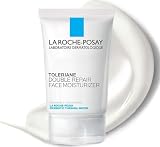
La Roche-Posay Toleriane Double Repair Face Moisturizer
Built around prebiotic thermal water and niacinamide, this formula targets the specific irritation cycle that derms see in patients with rosacea-prone or post-procedure skin. The ceramide-3 complex supports barrier recovery while niacinamide calms visible redness over consistent use. Owners with fragrance sensitivity repeatedly call this their “safe” moisturizer. The 3.38-ounce tube is compact for a purse or vanity drawer.
- Pros: Clinically associated with reduced redness; texture layers cleanly under sunscreen and makeup.
- Con: The smallest tube in this roundup makes the cost per ounce the highest.
Skip it if you want body coverage or a budget-friendly staple; the price point only makes sense for targeted facial use.
CeraVe Moisturizing Cream (19 oz)
Same ceramide trio and hyaluronic acid as the lotion, but suspended in a richer cream base that holds moisture on rough, cracked, or eczema-affected skin for longer stretches. The tub format makes scooping generous amounts practical for arms, legs, and feet. Owners in cold climates report this as their winter rescue. The 19-ounce tub delivers a competitive price per ounce among premium barrier creams.
- Pros: Deeply occlusive without petrolatum greasiness; fragrance-free and accepted by the National Eczema Association.
- Con: The tub encourages bacterial transfer if you scoop with unwashed hands.
Skip it as a daily facial moisturizer if you are combination or oily; the heavier base can feel suffocating by midday.
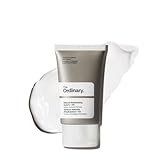
The Ordinary Natural Moisturizing Factors + Hyaluronic Acid
At the lowest price per ounce in this group, this travel-size hydrator focuses on replenishing the skin’s own amino acids, fatty acids, and triglycerides. The lightweight gel-cream texture makes it an ideal base layer under serums, retinoids, or sunscreens without pilling. Owners appreciate the minimalist ingredient list and the small tube that slips into any toiletry bag.
- Pros: Extremely affordable; layers under actives without disrupting their absorption.
- Con: The 1-ounce tube runs out quickly with daily face use, and it lacks ceramides for serious barrier repair.
Skip it if your main concern is eczema-grade dryness or compromised barrier; this is a hydration top-up, not a reconstruction project.
Aveeno Daily Moisturizing Body Lotion
Colloidal oatmeal and prebiotic oat define this formula, giving it a soothing, anti-itch quality that owners with mild keratosis pilaris or post-shower tightness report noticing within days. The fragrance-free version is explicitly non-comedogenic, so it does not clog pores on the chest or back. An 18-ounce bottle at under ten dollars makes whole-body coverage effortless.
- Pros: Oat-derived actives calm itch without steroids; large volume per dollar.
- Con: Takes slightly longer to absorb than thinner lotions, leaving a brief tacky stage.
Skip it if you need a face moisturizer with proven ceramide or niacinamide data; this is formulated primarily for body skin.
CeraVe Daily Moisturizing Lotion (19 oz)
Identical formulation to the 12-ounce version above, packaged in a larger pump for households where multiple family members share one bottle. For under $30 the cost per ounce is lower than buying two smaller pumps, and the dispensing mechanism remains hygienic. Owners cite it as the “buy in bulk and forget” option for normal to dry skin maintenance.
- Pros: Best value in the CeraVe lotion line; same barrier-supporting formula owners already trust.
- Con: The 19-ounce pump is bulky on a narrow bathroom shelf.
Skip it if you only need occasional targeted use; the volume may expire before you finish it solo.
Vanicream Daily Facial Moisturizer
Vanicream built its reputation on eliminating the most common allergens and irritants, and this facial lotion carries that philosophy forward: free of fragrance, dyes, lanolin, parabens, and formaldehyde releasers. Ceramides and hyaluronic acid provide real barrier support rather than just slip. Owners with allergic contact dermatitis or multiple-sensitivity profiles consistently return to it because few other moisturizers pass their tolerance trials.
- Pros: Shortest irritant exclusion list in the category; lightweight finish suitable under sunscreen.
- Con: The 3-ounce tube runs out faster than competitors at a similar price point.
Skip it if your skin tolerates standard formulations well; you are paying a modest premium for an exclusion list you may not need.
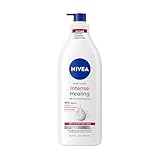
NIVEA Intense Healing Body Lotion
Panthenol (provitamin B5) and glycerin drive the healing claim, targeting rough patches on hands, elbows, knees, and shins that feel like they need more than a standard lotion but less than a prescription ointment. Owners describe it as a “first-aid” body cream that visibly softens flaky areas overnight. The 16.9-ounce bottle under eight dollars positions it as a stocking stuffer that overdelivers.
- Pros: Panthenol adds a genuine reparative signal beyond basic hydration; very accessible price.
- Con: Contains fragrance, which rules it out for sensitive or compromised facial skin.
Skip it for facial use or any area where you have open irritation; the scent and heavier body-lotion base are not designed for reactive skin.
Buying Guide
Match the Texture to the Area
Face skin produces more sebum and is thinner than body skin, so a moisturizer engineered for arms may feel pore-clogging on the T-zone. Look for labels specifying “non-comedogenic” when the bottle will touch your face, and reserve richer creams for hands, feet, elbows, and shins where occlusion is an advantage rather than a liability.
Read the First Five Ingredients
Ceramides, hyaluronic acid, glycerin, niacinamide, and colloidal oatmeal are the active categories that consistently appear in positive owner feedback for barrier repair and lasting hydration. If a product lists water, dimethicone, and fragrance in the top three slots with no humectant or lipid restorer nearby, it will feel slippery for ten minutes and do little long-term.
Calculate Cost Per Ounce, Not Sticker Price
A $25 tube covering 3.4 ounces and a $7 bottle covering 17 ounces serve different needs, but if you only need body coverage, the larger container is almost always the rational purchase. Before comparing prices, convert to a per-ounce figure so that the La Roche-Posay face formula and the Aveeno body lotion are not judged by the same yardstick.
Our Verdict
The CeraVe Moisturizing Cream in the 19-ounce tub is our top overall pick for anyone whose primary skin concern is dryness, because it delivers ceramide-based barrier repair at a per-ounce cost that undercuts most competitors while remaining fragrance-free. For the budget-conscious buyer, The Ordinary Natural Moisturizing Factors + Hyaluronic Acid for under $10 per ounce is the most affordable way to add a reliable hydration layer to an existing routine. That said, if you have diagnosed eczema or allergic contact dermatitis, the Vanicream Daily Facial Moisturizer wins on exclusivity alone—its near-total absence of potential irritants makes it the safest choice for skin that has been burned before by everything else.
FAQ
How many times a day should I apply a skin moisturizer?
Most dermatologist-aligned owner guidance points to at least twice daily, typically after bathing and again before bed. If your skin feels tight or ashy between applications, adding a midday layer or switching to a richer cream formulation is more effective than applying the same lotion more frequently.
Do I need separate face and body moisturizers?
Not strictly, but the practical difference is texture and comedogenicity. A formula like CeraVe Daily Moisturizing Lotion is explicitly labeled for both face and body, while a heavier cream like the NIVEA Intense Healing option is better kept off the face because its fragrance and thicker base can congest pores.
When should I replace my moisturizer?
Check the period-after-opening symbol on the packaging; most lotions and creams remain stable six to twelve months after first use. If the texture separates, smells noticeably different, or causes new irritation that was absent when the product first opened, discard it regardless of the printed date.
Is fragrance always harmful in a moisturizer?
Not for every person, but it is the single most common contact allergen in skincare. If you have never experienced redness, stinging, or flaking after applying a scented product, the risk is low. However, anyone managing eczema, rosacea, or post-procedure skin should stick to fragrance-free formulas like the options from CeraVe, Vanicream, or Aveeno highlighted above.