- Top Pick: Illiyoon Ceramide Ato Concentrate Cream | Moisturizer for Dry & Sensitive Skin, 100hr Lasting Hydration, For Face & Body, Gentle for Infants, Moisture Barrier Repair, Vegan Certified, 6.76 fl.oz.
- Best Value: Illiyoon Ceramide Ato Concentrate Cream | Moisturizer for Dry & Sensitive Skin, 100hr Lasting Hydration, For Face & Body, Gentle for Infants, Moisture Barrier Repair, Vegan Certified, 2.53 fl.oz.
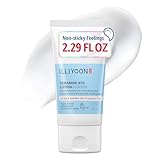
- Premium Choice: Illiyoon Ceramide Ato Lotion | Lightweight Moisturizer for Dry & Sensitive Skin, Barrier Repair for Face & Body, Mild for Babies, Vegan Certified, Korean Skin Care, 11.83 fl.oz.

TL;DR: Korean ceramide moisturisers rebuild the stratum corneum’s lamellar lipid matrix using a biomimetic ceramide blend — ideally Ceramide NP, AP, EOP, NS, and AS in a ratio mirroring the skin’s own 1:1:1 ceramide-cholesterol-fatty acid profile. Best for dry, dehydrated, compromised, or post-exfoliation skin. Key INCI markers: Ceramide NP + Cholesterol + Fatty Acid triad, Phytosphingosine, Sphingosine.
Korean Ceramide Moisturizer: INCI Guide to the Best Barrier-Repair Formulas in 2026
Korean ceramide moisturisers represent the most scientifically grounded category in the barrier-repair segment. Ceramides are the dominant lipid class in the stratum corneum’s lamellar lipid matrix — accounting for approximately 50% of the total intercellular lipid composition by mass — and their structural role in creating the bilayer seal between corneocytes is irreplaceable. When ceramide content is depleted by over-exfoliation, harsh cleansing, environmental stress, or age-related decline, the stratum corneum loses its water-retention capacity, becomes permeable to irritants, and exhibits the tight, itchy, or flaky texture associated with barrier dysfunction.
As an Amazon Associate we earn from qualifying purchases at no extra cost to you.


Korean cosmetic chemists have advanced ceramide moisturiser formulation significantly beyond the early single-ceramide products. Modern K-beauty ceramide moisturisers use a biomimetic lipid complex — typically a curated blend of multiple ceramide types (NP, AP, EOP, NS, AS) with cholesterol and fatty acids — in proportions designed to mirror the skin’s own lamellar lipid architecture. This approach, validated in multiple Korean and Japanese cosmetic dermatology studies, produces superior barrier restoration compared to single-ceramide formulations or ceramide-free occlusive moisturisers.
Top Picks at a Glance


As an Amazon Associate we earn from qualifying purchases. Product prices and availability are accurate as of the date/time indicated.





As an Amazon Associate we earn from qualifying purchases. Product prices and availability are accurate as of the date/time indicated.
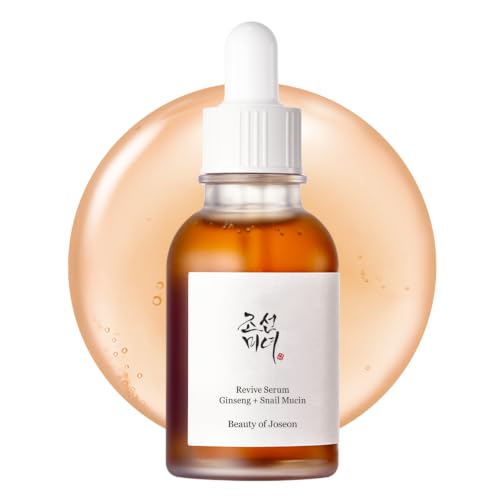
Beauty of Joseon Revive Snail Mucin Ginseng Serum


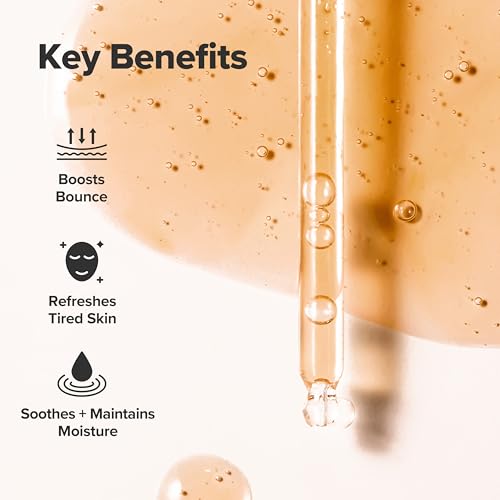


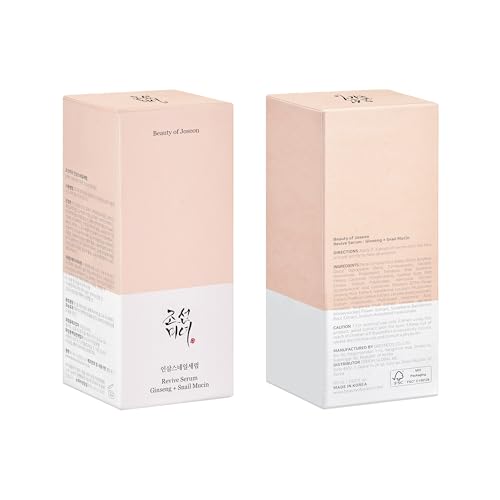
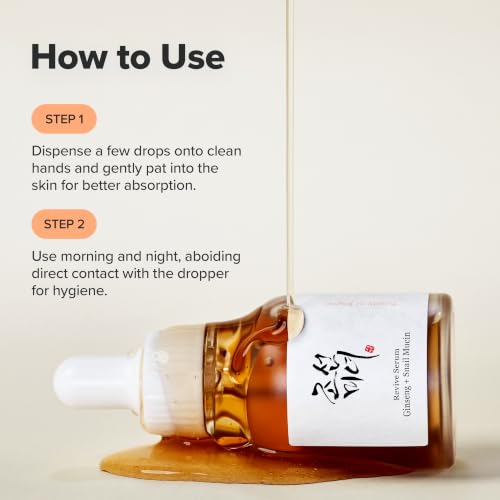

As an Amazon Associate we earn from qualifying purchases. Product prices and availability are accurate as of the date/time indicated.
Understanding Ceramide Types in INCI Nomenclature
The INCI naming system for ceramides uses two classification approaches: the older “Ceramide 1, 2, 3” numbering and the newer EOP, NP, AP, NS, AS alphanumeric system. The alphanumeric system is now standard and encodes the ceramide’s head-group and sphingoid base structure: the first letter indicates the fatty acid type (N = non-hydroxy, A = alpha-hydroxy, E = ester-linked omega-hydroxy), and the second indicates the sphingoid base (P = phytosphingosine, S = sphingosine). This distinction matters because different ceramide subtypes integrate into different lamellar lipid positions and have different structural roles in barrier function.
Ceramide NP (formerly Ceramide 3) is the most studied and most commonly included ceramide — it is the dominant ceramide species in healthy stratum corneum and the primary driver of barrier repair in clinical studies. Ceramide AP (formerly Ceramide 6-II) and Ceramide EOP (formerly Ceramide 1) play structural roles in the long-periodicity lamellar phase, the more complex lipid architecture responsible for the stratum corneum’s water-impermeability over long diffusion distances. A Korean ceramide moisturiser that lists at least three ceramide types (NP + AP + EOP minimum) in combination with cholesterol and a fatty acid is formulated to restore both phases of the lamellar lipid structure.
INCI and Specification Reference Table
| INCI Name | Former Name | Lamellar Role | Barrier Function |
|---|---|---|---|
| Ceramide NP | Ceramide 3 | Short-periodicity lamellar phase | Primary water retention, barrier integrity |
| Ceramide AP | Ceramide 6-II | Both lamellar phases | Structural support, TEWL reduction |
| Ceramide EOP | Ceramide 1 | Long-periodicity lamellar phase | Long-range water impermeability |
| Ceramide NS | Ceramide 2 | Short-periodicity lamellar phase | Corneocyte cohesion |
| Ceramide AS | Ceramide 6-I | Both lamellar phases | Supplementary barrier lipid |
| Cholesterol | — | All lamellar phases | Fluidity regulation, lamellar spacing |
| Fatty Acids (e.g. Palmitic, Stearic) | — | Lamellar gap-filling | Prevents lipid phase separation |
| Phytosphingosine / Sphingosine | — | Ceramide precursors | Upregulate endogenous ceramide synthesis |
Biomimetic Ratio: Why It Matters
The stratum corneum’s lamellar lipids self-assemble in a precise molar ratio of approximately 1:1:1 ceramide:cholesterol:fatty acid. Disrupting this ratio — even with high ceramide concentrations — impairs lamellar assembly. Early single-ceramide moisturisers sometimes worsened barrier metrics because excess ceramide without corresponding cholesterol and fatty acid disrupted the lamellar phase ratio. Korean cosmetic dermatology research, drawing heavily on work by Elias and colleagues at UCSF later extended by Korean academic dermatologists, established that a pseudo-ceramide or biomimetic lipid complex in the correct ratio outperforms high-ceramide single-ingredient approaches.
When evaluating a Korean ceramide moisturiser, look for cholesterol and at least one saturated fatty acid (Palmitic Acid, Stearic Acid, or Behenic Acid) listed alongside the ceramide entries. Their position in the INCI list indicates relative concentration — all three should appear before preservatives to confirm functional, not trace, inclusion. This same principle underlies the formulation rationale in the broader Korean barrier repair guide.
When to Use a Korean Ceramide Moisturiser
Korean ceramide moisturisers are indicated for any skin state or routine that involves barrier stress. The highest-priority use cases: post-exfoliation recovery (after AHA, BHA, or retinol use), winter skin care where cold and low humidity accelerate ceramide depletion, atopic-prone or eczema-adjacent skin, and skin recovering from over-exfoliation. If you are using Korean glycolic acid pads or other strong exfoliants, a ceramide moisturiser is the non-negotiable final PM step — it seals the temporarily compromised barrier and supports overnight lamellar lipid replenishment.
For non-compromised skin in a standard AM routine, a ceramide moisturiser before SPF provides a water-impermeable underlayer that reduces UV filter penetration into the epidermis — a secondary photoprotective benefit documented in Korean photodermatology literature. Apply after all actives have absorbed, before SPF. In the PM, apply as the penultimate step before any occlusive (e.g. petroleum jelly for slugging), or as the final step if no occlusive is used. See the full routine integration strategy in the Korean skincare for oily skin guide for oil-type and skin-type-specific layering sequences.
Ceramide Moisturisers vs. Hyaluronic Acid Moisturisers
Ceramides and hyaluronic acid operate via entirely different mechanisms and are complementary, not competing. Hyaluronic acid (Sodium Hyaluronate) is a humectant — it binds water in the epidermis and dermis by osmosis. Ceramides are structural lipids — they form the physical barrier that prevents that water from evaporating through the stratum corneum (TEWL). Hyaluronic acid without a ceramide seal can paradoxically increase TEWL in low-humidity environments by pulling water to the skin surface where it then evaporates. Korean moisturisers that combine both — Sodium Hyaluronate for humectancy and a ceramide complex for occlusion — are the formulation ideal for dehydrated and dry skin types.
Frequently Asked Questions
How many ceramide types should a Korean ceramide moisturiser contain?
A minimum of three ceramide types is the threshold for meaningful biomimetic lamellar restoration: Ceramide NP (the dominant skin ceramide), plus at least one of Ceramide AP or EOP to address both lamellar phase structures. Five ceramide types (NP, AP, EOP, NS, AS) is the gold standard matching the full diversity of the skin’s native ceramide pool. Single-ceramide formulas (Ceramide NP only) provide partial benefit but cannot restore the long-periodicity lamellar phase that requires Ceramide EOP. Always verify the full ceramide listing in the INCI; marketing claims do not substitute for label transparency.
Can I use a Korean ceramide moisturiser over retinol?
Yes — applying ceramide moisturiser over retinol is a standard practice for managing retinol-induced barrier sensitivity. The ceramide layer does not block retinol absorption; retinol penetrates the lipid matrix before the ceramide complex can fully integrate into the stratum corneum. This sandwich method (moisturiser → retinol → moisturiser, or retinol → ceramide moisturiser) is recommended for retinol beginners and anyone experiencing retinol-associated dryness or peeling. The ceramide moisturiser reduces TEWL during the retinol acclimatisation period without diminishing efficacy.
What is the difference between Ceramide NP and Ceramide EOP?
Ceramide NP (non-hydroxy fatty acid / phytosphingosine) is the most abundant ceramide in human stratum corneum and the primary contributor to basic barrier integrity and water retention in the short-periodicity lamellar phase. Ceramide EOP (ester-linked omega-hydroxy fatty acid / phytosphingosine) is a trace but structurally critical ceramide that anchors the long-periodicity lamellar phase — the bilayer arrangement responsible for barrier function over the full depth of the stratum corneum. Without Ceramide EOP, the lamellar structure is incomplete regardless of Ceramide NP concentration. Both are required for full-spectrum barrier restoration.
Is a Korean ceramide moisturiser suitable for oily skin?
Yes — oily skin is not immune to ceramide depletion and can have a compromised barrier despite excess sebum production. Sebum does not substitute for ceramide; it is a surface lipid with a different composition and function. For oily skin, choose a ceramide moisturiser in a gel-cream or lightweight lotion form rather than a rich cream — these textures deliver the ceramide complex without the occlusive emollient density that can feel heavy on oily skin. Gel-type ceramide moisturisers using carbomer or xanthan gum as the rheology modifier rather than petrolatum or mineral oil are the standard Korean formulation approach for this skin type.
How long does it take for a Korean ceramide moisturiser to repair the skin barrier?
Acute barrier disruption (from a single over-exfoliation session or environmental insult) shows measurable TEWL improvement within 24–72 hours of consistent ceramide moisturiser application. Full lamellar lipid matrix restoration — confirmed by normalised TEWL, TEWL variation, and corneometer hydration readings — typically requires 2–4 weeks of daily use. Chronic barrier dysfunction associated with atopic dermatitis or long-term over-exfoliation may require 6–12 weeks. Pair with the Korean barrier cream guide for a complete barrier recovery protocol alongside ceramide moisturiser selection.
Ready to decide? Our #1 pick for 2026 is the Ceramide NP.
Live price & availability on Amazon.