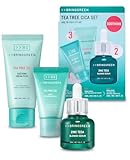
- Top Pick: Anua 3-Step Glass Skin Beginner Kit
- Best Value: SOME BY MI AHA BHA PHA 30 Days Miracle Acne Clear Foam – 3.38oz, 100ml – Korean Acne Face Wash for Smooth & Clear Skin – Salicylic Acid Cleanser for Exfoliation & Sebum Control – Korean Skin Care
- Premium Choice: The Crème Shop Korean Skin Care | What Acne? – Hydrating & Healing Vitamin C Serum for Acne Treatment, Dull Skin, irritation, Restoring, Calming, Pore Tightening

TL;DR: Korean skincare for oily acne-prone skin targets sebum regulation and pore clarity without stripping the barrier. Key actives: Niacinamide, BHA (Salicylic Acid), Centella, and lightweight water-based moisturizers. Hydration — not drying — is the core principle.
Korean Skincare for Oily Skin and Acne: A Science-Backed Sebum Control Guide
Oily, acne-prone skin is the most mismanaged skin type in Western beauty — it is over-dried, over-stripped, and under-hydrated. Korean skincare for oily skin challenges that paradigm: regulate sebum by restoring barrier function, not by eliminating it. This guide delivers INCI-grounded product picks and layering sequences for people dealing with chronic shine, clogged pores, and breakouts.
As an Amazon Associate we earn from qualifying purchases at no extra cost to you.




🛒 Best Price Today on Amazon
Prime members get fast, free shipping on everything above, plus member-only deals. New members get a 30-day free trial — cancel anytime.
Start 30-Day Prime Free Trial →See Today’s Amazon DealsTop Picks at a Glance


As an Amazon Associate we earn from qualifying purchases. Product prices and availability are accurate as of the date/time indicated.




As an Amazon Associate we earn from qualifying purchases. Product prices and availability are accurate as of the date/time indicated.


As an Amazon Associate we earn from qualifying purchases. Product prices and availability are accurate as of the date/time indicated.
The Science Behind Oily, Acne-Prone Skin
Sebum overproduction is driven by androgen receptor activation in sebaceous glands, producing excess Squalene, wax esters, and triglycerides. When Squalene oxidizes (triggered by UV or air pollution), it becomes comedogenic — the real culprit behind clogged pores, not oil volume alone. A disrupted skin barrier also triggers an inflammatory cascade that activates C. acnes colonization.
Korean dermatology’s solution: hydrate to normalize barrier function, apply BHA to dissolve oxidized sebum inside follicles, and use Niacinamide to suppress sebocyte activity without disrupting the acid mantle.
Morning Routine for Oily Acne Skin
- Low-pH gel cleanser — pH 4.5–5.5, primary surfactant Sodium Laureth Sulfate (low irritancy) or Cocamidopropyl Betaine. Avoid Sodium Lauryl Sulfate (SLS) — high irritancy, disrupts acid mantle.
- Exfoliating toner (2–3x/week AM) — 2% BHA or a low-pH AHA/BHA blend. This step clears follicular debris and controls bacterial overgrowth. See our dedicated guide on Korean BHA/AHA exfoliating toners.
- Niacinamide serum — 5–10% Niacinamide inhibits melanosome transfer (targets post-acne marks) and reduces sebum excretion rates. Pair with niacinamide Korean skincare products from our reviews.
- Oil-free gel moisturizer — Water, Glycerin, Niacinamide, Panthenol base. Avoid heavy emollients (Shea Butter, Mineral Oil) in the daytime formula.
- Lightweight SPF 50 PA++++ — Korean chemical sunscreens (Tinosorb M/S, Uvinul A Plus) sit invisibly on oily skin. A mattifying SPF with Silica or Dimethicone extends wear time.
Evening Routine for Oily Acne Skin
- Micellar water or cleansing oil — counterintuitively, cleansing oils dissolve excess sebum more effectively than foaming washes. Caprylic/Capric Triglyceride base emulsifies on contact with water. Learn more: Korean double cleansing method.
- Low-pH foaming cleanser — second cleanse removes water-soluble impurities.
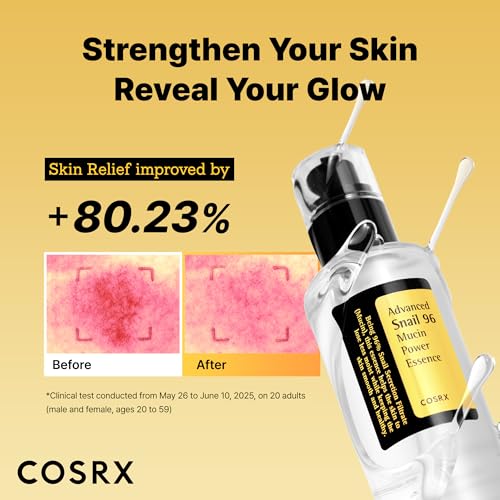
- Chemical exfoliant (alternating nights) — 2% BHA (Salicylic Acid) on odd nights; on even nights, a calming essence with Centella Asiatica or Snail Filtrate 96%.
- Spot treatment — Benzoyl Peroxide 2.5% or Tea Tree Leaf Oil (concentrated) on active cysts. Hydrocolloid patches (COSRX Master Patch) are covered in our COSRX Master Patch review.
- Light gel moisturizer — even oily skin needs moisture at night to prevent transepidermal water loss (TEWL) and barrier degradation.
INCI Guide: Best Ingredients for Oily Acne Skin
| Ingredient (INCI) | Mechanism | Ideal Concentration |
|---|---|---|
| Niacinamide | Sebum suppression, anti-inflammatory | 5–10% |
| Salicylic Acid (BHA) | Keratolytic, pore-clearing, anti-bacterial | 1–2% |
| Centella Asiatica Extract | Anti-inflammatory, barrier repair | 0.1–5% |
| Zinc PCA | Sebum regulation, antimicrobial | 0.5–2% |
| Glycerin | Humectant — prevents TEWL without adding oil | 5–10% |
| Madecassoside | Calms acne inflammation | 0.1–1% |
| Tea Tree Leaf Oil | Antibacterial (spot use only) | 1–5% topical |
For cica-based calming options, our Korean cica skincare guide for sensitive skin covers Centella-heavy formulas that double as anti-acne treatment.
Pore Minimizing Add-Ons
Enlarged pores are partly genetic, but chronic sebum oxidation stretches follicle openings. After 8–12 weeks of consistent BHA use, pairing with a clay-based mask (Kaolin, Bentonite) 1–2x per week physically adsorbs sebum from follicular openings. See our full guide on Korean pore minimizing products for mask and toner recommendations.


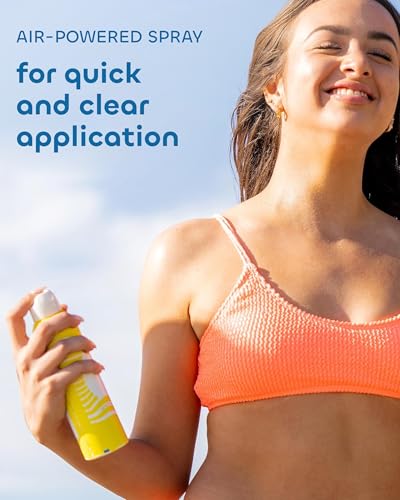


As an Amazon Associate we earn from qualifying purchases. Product prices and availability are accurate as of the date/time indicated.
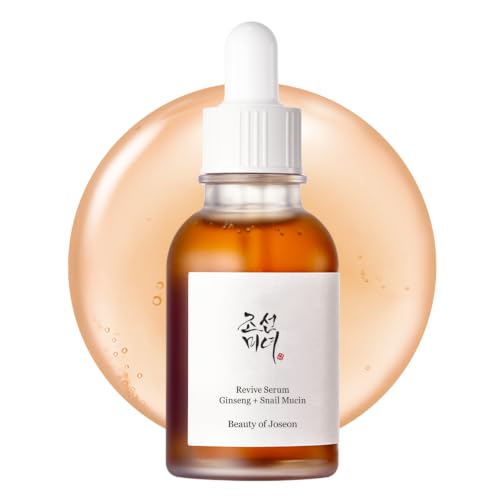


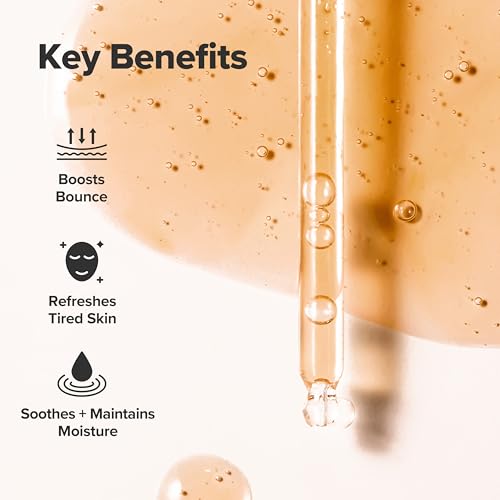


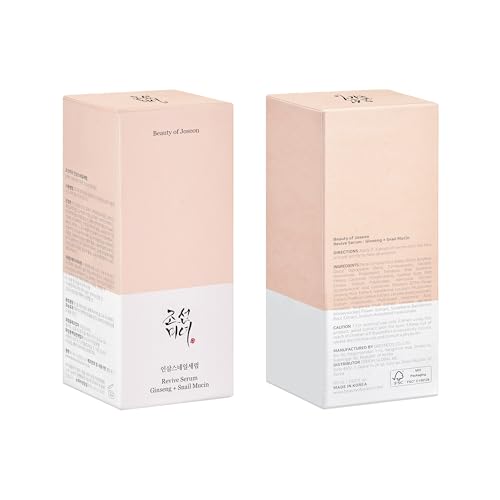
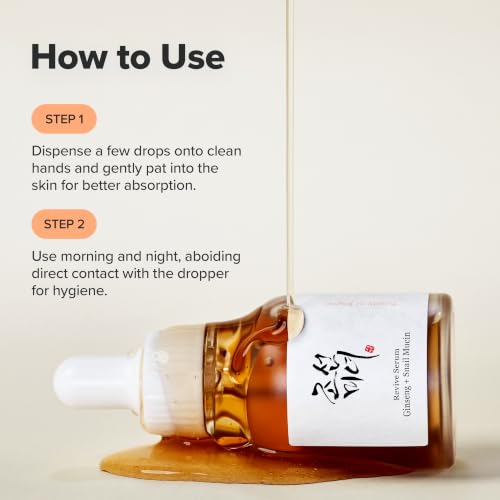

As an Amazon Associate we earn from qualifying purchases. Product prices and availability are accurate as of the date/time indicated.
Frequently Asked Questions
Does Korean skincare really help with oily skin and acne?
Clinical evidence supports the K-beauty approach for oily acne skin: hydration-first protocols reduce TEWL, and maintaining an intact barrier prevents the inflammatory cascade that feeds acne. Studies on 2% Niacinamide show significant reductions in sebum excretion within 4 weeks, comparable to topical Clindamycin in mild-moderate acne.
What Korean moisturizer is best for oily acne-prone skin?
Gel or water-gel formulas with Glycerin, Sodium Hyaluronate, and Niacinamide are optimal. Avoid occlusive-heavy creams (Petrolatum, Mineral Oil) during active breakout phases. Our best Korean moisturizer guide includes oily skin-specific picks with full INCI notes.
How often should oily skin use BHA in a Korean routine?
Start at 2–3x per week to assess tolerance. Most oily skin types tolerate daily 1% BHA application after a 4-week adjustment period. Always follow with Panthenol or Ceramide-containing moisturizer to counteract mild dryness from Salicylic Acid’s keratolytic activity.
Is snail mucin good for oily acne-prone skin?
Yes — Snail Secretion Filtrate (Helix Aspersa Muller Glycoconjugates) is non-comedogenic and lightweight. It delivers Glycoproteins, Hyaluronic Acid, and Zinc — all beneficial for acne-prone skin. Full layering guidance is in our snail mucin layering routine post.
What should oily skin avoid in Korean skincare?
Avoid: heavy silicones (Dimethicone as second/third INCI), Coconut Oil (highly comedogenic — comedogenicity index 4/5), alcohol-based toners that strip the barrier and trigger rebound oiliness, and thick Shea Butter-based night creams during active breakout phases. For summer-specific adjustments, see our Korean skincare summer routine guide.
Related K-Beauty Guides
- Skincare Routine for Beginners: The Complete Step-by-Step Guide
- Best Sunscreen Reapplication Sprays: On-the-Go UV Protection Refresh
- Best Face Steamers for Skincare: Deep Cleanse and Hydrate Your Skin
- Best Derma Rollers for Microneedling: Stimulate Collagen at Home
- Best Face Massage Rollers: Sculpt, Depuff, and Boost Glow
- Best Jade Rollers for Face: Cooling, Depuffing, and Skin-Boosting Benefits
- Best Gua Sha Face Tools: Ancient Ritual for Modern Skin Benefits