- Top Pick: Bioré Original Blackhead Remover Strips, Deep Cleansing Nose Strips With Instant Pore Unclogging, Features C-Bond Technology, Oil-Free, Non-Comedogenic Use, 14 Count
- Best Value: Peach Slices – Nose Pore Patches (7 ct) – Overnight Blackhead Remover – Pore Strips – Absorbs Gunk – Thin, Flexible & Painless – Hydrocolloid Patches – Vegan & Cruelty Free – Korean Skin Care & Beauty
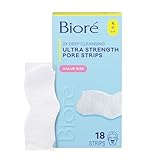
- Premium Choice: Biore Witch Hazel Ultra Strength Blackhead Remover Pore Strips, 18 ct

TL;DR: Korean pore strips and blackhead removers use PVA polymer adhesion, salicylic acid pre-treatment, and botanical astringents to mechanically extract oxidized sebum plugs (comedones) while conditioning the pore lining — a more targeted approach than traditional Western adhesive strips, which often remove healthy sebum along with blackheads.
Korean Pore Strips & Blackhead Remover: INCI Guide to Cleaner Pores Without Damage
The Korean approach to blackhead removal starts with understanding what a blackhead actually is. A comedo is not dirt — it is a sebum plug (primarily squalene, triglycerides, and wax esters) that has oxidized at the follicular opening, turning dark brown-black through a lipid peroxidation reaction with ambient oxygen. Removing it requires either dissolving the lipid matrix (BHA approach) or mechanically extracting the solidified plug (adhesive strip approach). K-beauty pore strips apply both, layering a BHA pre-treatment step that softens the plug before the adhesive polymer delivers targeted extraction. The result is cleaner removal with less follicular trauma than cold-application adhesive strips used without preparation.
As an Amazon Associate we earn from qualifying purchases at no extra cost to you.




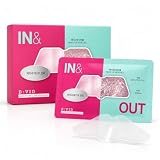
The Science of Korean Pore Strip Formulations
Three functional layers define the Korean pore strip system:
- Adhesive polymer system — PVA (Polyvinyl Alcohol): The strip’s aqueous PVA solution cures to a flexible film as water evaporates. On removal, the cured PVA adheres to the superficial portion of the sebum plug exposed at the follicular opening. Korean formulations optimize PVA molecular weight and cross-linker concentration for controlled adhesion — strong enough to extract softened plugs, weak enough to avoid stripping the intercellular lipid layer of the surrounding stratum corneum. Over-adhesion (as in some Western strips) causes epidermal trauma detectable under dermoscopy as post-strip erythema and TEWL elevation.
- BHA pre-treatment — Salicylic Acid 0.5–2%: Applied as a liquid or toner step before strip placement. Salicylic acid’s lipophilicity allows it to penetrate the sebum-rich follicular canal and hydrolyze the ester bonds in the plug’s outer lipid shell, softening the interface between plug and follicular wall. This dramatically reduces the extraction force required — and therefore the mechanical stress applied to the follicle.
- Botanical pore-toning actives — Witch Hazel, Green Tea, Centella: Hamamelis virginiana (witch hazel) provides gallic acid and hamamelitannin — mild astringents that transiently tighten the follicular opening post-extraction, reducing the appearance of open pores while the follicle reseals with fresh sebum. Green tea EGCG inhibits sebocyte 5α-reductase, mildly reducing sebum secretion rate post-treatment.
Korean nose strips frequently incorporate charcoal (Activated Charcoal / Charcoal Powder) as an adsorbent that binds sebum components to the strip surface during the wet-cure phase, supplementing mechanical extraction with chemical adsorption.
Top 3 Korean Pore Strips & Blackhead Removers


As an Amazon Associate we earn from qualifying purchases. Product prices and availability are accurate as of the date/time indicated.





As an Amazon Associate we earn from qualifying purchases. Product prices and availability are accurate as of the date/time indicated.
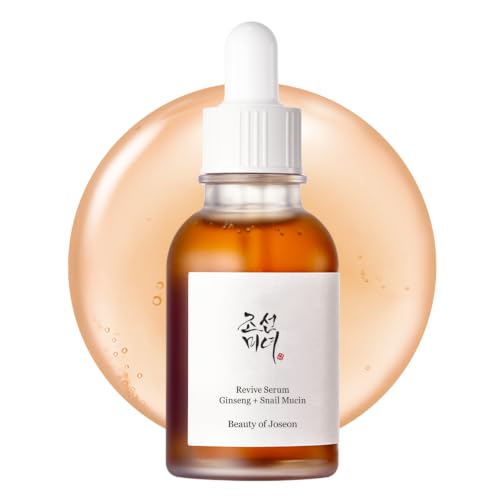


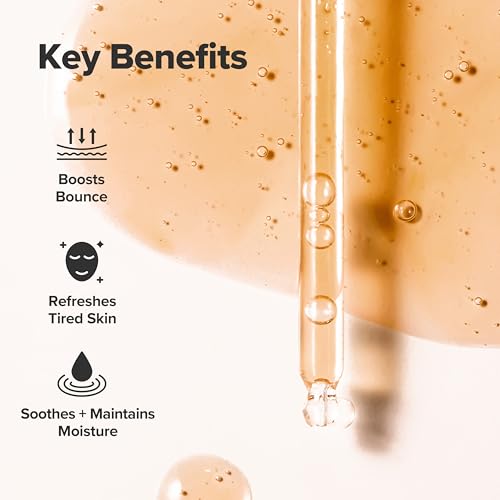



As an Amazon Associate we earn from qualifying purchases. Product prices and availability are accurate as of the date/time indicated.
INCI & Formulation Specs
| Component | INCI / Detail | Function |
|---|---|---|
| Primary adhesive | Polyvinyl Alcohol (PVA), MW-optimized | Mechanical extraction via adhesive film |
| Pre-treatment BHA | Salicylic Acid 0.5–2%, pH 3.0–4.5 | Softens plug lipid matrix; follicular penetration |
| Adsorbent | Activated Charcoal, Kaolin Clay | Binds sebum components to strip surface |
| Astringent botanicals | Hamamelis Virginiana Extract, Camellia Sinensis Leaf Extract | Post-extraction pore tightening |
| Sebum regulation | Niacinamide 2–5%, Zinc PCA | Reduces post-treatment sebocyte activity |
| Soothing actives | Centella Asiatica Extract, Panthenol, Allantoin | Reduces post-strip follicular irritation |
| Application frequency | Max 1–2× weekly (nose); 1× weekly (chin, forehead) | Prevents follicular trauma and rebound sebum overproduction |
Korean 3-Step Pore Strip Protocol
The K-beauty pore strip protocol treats blackhead removal as a multi-step process, not a single product application:
- Step 1 — Cleanse and steam (3–5 min): Double cleanse to remove surface sebum and sunscreen. Steam the T-zone using a warm damp towel or face steamer for 3–5 minutes. Warmth increases follicular opening diameter by 15–20% and softens the plug, maximizing extraction efficacy.
- Step 2 — BHA pre-treatment (5–10 min): Apply a 1–2% salicylic acid toner or solution to the treatment zone. Allow 5–10 minutes contact time for lipid softening. This step differentiates the Korean protocol — Western instructions typically skip BHA pre-treatment entirely.
- Step 3 — Strip application (10–15 min cure): Apply moistened strip to the treatment zone (nose, chin, or forehead). Press firmly to ensure full adhesion, paying attention to the curved nasal edges. Allow 10–15 minutes for PVA to cure fully. Remove slowly from edge to center against hair growth direction to maximize plug extraction and minimize epidermal trauma.
- Step 4 — Post-strip soothing (immediate): Apply a centella asiatica essence or aloe-based toner immediately post-removal to reduce follicular redness. Follow with niacinamide serum to begin sebum regulation and prevent rapid re-comedogenesis.
- Step 5 — Barrier seal (final): Apply a lightweight ceramide moisturizer. The post-strip follicular opening is temporarily more permeable — a non-comedogenic, ceramide-rich occlusive layer seals the barrier without reblocking the now-clean pore.
For the foundational role of BHA in Korean pore care, our Korean blackhead remover guide covers oil-cleansing and BHA toner approaches as alternatives to physical strips. The charcoal mask approach is covered in detail in our Korean charcoal mask guide — an excellent complement to monthly strip treatments for comprehensive pore management.
Frequently Asked Questions
Do Korean pore strips actually remove blackheads or just sebaceous filaments?
Both — and this distinction matters. True blackheads (open comedones with oxidized sebum) are extracted by the adhesive. Sebaceous filaments — the thin, grey-tan structures visible in nose pores that are actually normal follicular content (not blackheads) — also adhere to the strip. Sebaceous filaments will re-form within 2–4 weeks regardless of extraction; they are a normal part of follicular anatomy and cannot be permanently removed by any topical treatment. If what you are extracting looks like thin grey columns (not dark bumps), those are sebaceous filaments. BHA toners used regularly are more effective than strips for managing sebaceous filament appearance.
Can Korean pore strips enlarge pores with repeated use?
Used correctly and at appropriate frequency (max 1–2× weekly), well-formulated Korean strips do not cause pore enlargement. Over-adhesive strips used too frequently can cause repeated mechanical trauma to the follicular opening, reducing its elasticity over time and causing apparent pore dilation. The risk is highest with dry-applied strips, strips left on longer than directed, and strips used daily. K-beauty strip formulations with optimized PVA molecular weight and mandatory BHA pre-softening significantly reduce this risk relative to traditional Western adhesive strips.
Are Korean pore strips suitable for sensitive or rosacea-prone skin?
Exercise caution. The mechanical adhesion of any pore strip involves a degree of epidermal stress. For rosacea-prone skin, avoid nose strips during flares — capillary fragility in rosacea increases the risk of post-strip petechiae (small bruises). For sensitive skin without rosacea, the BHA-containing Korean format is preferable to plain adhesive strips, as the pre-softened extraction requires less force. Patch test the adhesive layer on the inner arm before first use if you have known PVA or fragrance sensitivities.
How do I prevent blackheads from coming back after using Korean pore strips?
Blackhead prevention requires ongoing regulation of the sebum production rate and follicular keratinization, not periodic extraction alone. After each strip treatment, maintain the cleared pores with a daily niacinamide serum (5%) and a 2× weekly salicylic acid toner or BHA essence to prevent plug reformation. Double cleansing with an oil cleanser removes excess sebum from follicular openings nightly without disrupting the skin barrier. Monthly strip treatments combined with daily BHA maintenance reduce blackhead density by approximately 70% versus strip use alone. For our full salicylic acid framework, see the chemical exfoliant toner guide.
What is the difference between Korean pore strips and pore vacuum devices?
Korean pore strips extract via adhesive adhesion — the cured polymer bonds to the oxidized sebum plug surface and physically pulls it out on removal. Pore vacuum devices apply negative pressure (suction) to the follicular opening. At clinical suction levels, vacuums can extract softened plugs effectively but carry a higher risk of broken capillaries (petechiae) and skin bruising, particularly on cheek and nose skin with underlying redness. At consumer device suction levels, efficacy is typically insufficient for firm blackheads without BHA pre-softening. The Korean strip protocol — BHA pre-treatment + adhesive extraction + post-soothing — remains the most evidence-supported at-home approach for periodic deep-follicular clearance.
Related K-Beauty Guides
- Skincare Routine for Beginners: The Complete Step-by-Step Guide
- Best Sunscreen Reapplication Sprays: On-the-Go UV Protection Refresh
- Best Face Steamers for Skincare: Deep Cleanse and Hydrate Your Skin
- Best Derma Rollers for Microneedling: Stimulate Collagen at Home
- Best Face Massage Rollers: Sculpt, Depuff, and Boost Glow
- Best Jade Rollers for Face: Cooling, Depuffing, and Skin-Boosting Benefits
- Best Gua Sha Face Tools: Ancient Ritual for Modern Skin Benefits