Last updated: October 4, 2026
Cleansing balm looks simple: scoop, massage, rinse. Yet shoppers often buy the wrong one because they focus on scent, packaging, or a long ingredient list instead of how the formula behaves on their skin. A balm can remove sunscreen and makeup beautifully but leave a waxy film. Another may rinse clean but sting around the eyes. A large jar may seem like better value, but a small amount can last longer if the texture spreads easily.
The best choice depends on your makeup habits, skin type, rinsing preferences, and tolerance for fragrance. Use this guide to compare what is actually important, from texture and packaging to price and practical details.
As an Amazon Associate we earn from qualifying purchases at no extra cost to you.


Decide These 3 Things First
- How much do you need to remove? For light sunscreen and everyday makeup, nearly any well-formulated balm can work. Waterproof mascara, long-wear foundation, and mineral sunscreen require a balm that melts quickly and emulsifies thoroughly with water.
- Do you want a one-step cleanser? Some people like a balm that rinses clean on its own. Others prefer to follow it with a water-based cleanser. If you routinely double-cleanse, a little remaining slip may not bother you; if not, prioritize a clean-rinsing formula.
- What ingredients do you need to avoid? Fragrance, essential oils, and certain rich plant oils can be problematic for reactive or acne-prone skin. Look for a short, clearly labeled ingredient list and patch-test before using a new product around the eyes.
Size and Amount
Compare the net weight, not the visual size of the jar. Cleansing balms commonly range from about 1.3 ounces to 4.2 ounces. A 1.3-ounce container is convenient for travel or occasional use, while a 3- to 4-ounce jar is usually more practical for nightly cleansing.
Most people need approximately a pea- to dime-size amount, roughly 1 to 2 grams, for the face. Heavy makeup may require closer to 2 to 3 grams. At one use per day, a 3-ounce jar could last roughly two to four months, depending on how generously you scoop. That is an estimate rather than a guaranteed usage claim, since texture and personal habits vary.
Consider the opening, too. A wide-mouth jar makes it easier to remove a thick balm but exposes the product to repeated contact with wet fingers. A tube or pump can be more hygienic and less messy, although thick formulas may be harder to dispense as the container empties.
Material and Ingredient Design
In a cleansing balm, “material” means the oils, waxes, emulsifiers, and supporting ingredients that determine how the product melts and rinses. Oils and esters dissolve makeup and sunscreen; waxes give the balm its solid texture; emulsifiers help it turn milky when water is added.
Look for an emulsifier high enough on the ingredient list to support a complete rinse. The label may describe this behavior with phrases such as “rinses clean” or “turns milky with water,” but marketing language is not a substitute for testing the product yourself. A formula that remains oily after rinsing may be better suited to someone who follows with a second cleanser.
Jojoba oil, squalane, glycerin, and hyaluronic acid are common supporting ingredients. They can contribute to a comfortable after-feel, but the presence of one “hydrating” ingredient does not make a balm suitable for every skin type. Fragrance and essential oils may make a product smell luxurious while increasing the chance of irritation for sensitive users.
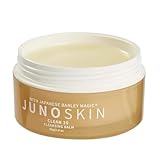
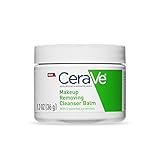
Examples span a wide range of formulas. CeraVe’s cleansing balm highlights jojoba oil, while Garnier’s Erase It All includes hyaluronic acid. JUNO & Co. Clean 10 emphasizes a 10-ingredient formula. ELEMIS Pro-Collagen Cleansing Balm is positioned as a richer, multi-use product. Compare the complete ingredient lists rather than choosing based on one featured ingredient.
Construction and Packaging
Good construction means the balm stays stable in the container, softens predictably between your fingers, and does not leak during storage. A firm surface that develops a small depression after repeated use is normal. Excessive separation, liquid pooling, a cracked surface, or a sharp change in smell is not a good sign.
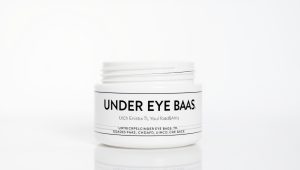
Check whether a spatula is included. It is a small detail, but it helps you measure a consistent 1- to 2-gram portion and reduces the need to dip wet hands into the jar. Keep the lid tightly closed and store the balm away from direct heat. A bathroom shelf near a hot shower can soften the formula and make dispensing untidy.
For travel, a screw-top jar with an inner seal is generally more dependable than a loose snap lid. Pack containers of 3.4 ounces or less if you are flying with carry-on liquids, and check the carrier’s current rules because balm classifications and security requirements can vary.
Comfort and Performance
Texture is one of the most important buying factors. A good balm should spread over dry skin without tugging, dissolve when massaged, and emulsify when water is added. Massage gently for about 30 to 60 seconds; more pressure is not better, especially around the eyes.
For eye makeup, close your eyes and allow the balm to sit for 10 to 20 seconds before lightly massaging. A product that causes immediate burning, persistent redness, or blurred vision is not a suitable match. Do not judge performance solely by how quickly foundation disappears. Check whether mascara, eyeliner, and sunscreen residue also rinse away.
Pay attention to the after-feel. “Comfortably soft” is different from “coated.” If your skin feels tight within a few minutes, the balm may not be cleansing gently enough for you. If it feels greasy after a thorough rinse, use less product, emulsify longer, or consider a lighter formula and a second cleanser.
Price Tiers and Value
Budget cleansing balms generally cost about $10 to $18 for 1.3 to 4.2 ounces. Examples include JUNO & Co. Clean 10 for under $20, CeraVe Cleansing Balm for under $20, and Garnier Erase It All for under $20. These prices make it easier to test a balm without committing to a luxury-size purchase.
Mid-range options commonly fall between $18 and $35, often offering a larger jar, a more distinctive texture, or additional packaging features. Premium balms typically cost $40 to $70 or more. ELEMIS Pro-Collagen Cleansing Balm is listed at $60, placing it firmly in the premium tier.
Calculate cost per ounce before deciding. A $60, 3.5-ounce balm costs about $15 per ounce, while a $12, 4.2-ounce balm costs about $2.86 per ounce. That does not determine quality, but it clarifies what you are paying for. A premium product may be worth it for a texture or sensory experience you genuinely prefer, not simply because the jar is heavier or the label sounds more advanced.
Warranty, Returns, and Product Freshness
Cosmetics rarely come with a conventional warranty. Instead, check the retailer’s return policy, expiration guidance, and procedure for reporting a damaged or defective product. A return window of 30 days is common, but policies differ, and opened beauty products may be excluded.
Inspect the seal, lot information, and packaging when the balm arrives. Do not use a product if the container is cracked, the seal is broken, or the formula has an unusual odor or texture. If irritation occurs, stop using it and keep the packaging so you can identify the ingredients and contact the seller or manufacturer.
Delivery and Assembly
There is no assembly in the furniture sense, but practical setup still matters. A cleansing balm should arrive sealed, upright when possible, and protected from extreme heat. During warm weather, it may soften in transit. Let it return to room temperature before judging the texture, and avoid leaving it in a hot mailbox or car.
Check delivery costs before comparing prices. A $12 balm with a $6 shipping charge is effectively an $18 purchase. If you are ordering more than one item, verify that the retailer is shipping from an authorized source and that the product is not listed as closeout or clearance without a stated expiration policy.
Spec Checklist
| Spec | Budget | Mid | Premium |
|---|---|---|---|
| Typical price | $10–$18 | $18–$35 | $40–$70+ |
| Typical size | 1.3–4.2 oz | 2–4 oz | 3–4.5 oz |
| Amount per use | 1–3 g | 1–2 g | 1–2 g |
| Best for | Testing, light makeup, regular sunscreen | Daily makeup and double cleansing | Richer texture and elevated experience |
| Packaging to seek | Secure lid and inner seal | Spatula or hygienic wide-mouth jar | Sturdy jar, seal, and measured scoop |
| Formula priority | Reliable emulsification | Emulsification plus skin comfort | Texture, fragrance choice, and finish |
Red Flags
- No complete ingredient list: Avoid products that provide only a few highlighted ingredients.
- Heavy fragrance with eye-use claims: Fragrance is not automatically bad, but it can be a poor match for sensitive eyes or reactive skin.
- Persistent burning or redness: Cleansing should not cause ongoing discomfort.
- Extreme claims: Be skeptical of promises to permanently shrink pores, erase wrinkles, or replace every other skincare step.
- Unsealed or leaking packaging: Do not use a product that arrives contaminated or visibly altered.
- Price based only on branding: A higher cost does not guarantee better makeup removal or a better skin feel.
FAQ
Is cleansing balm suitable for oily or acne-prone skin?
It can be. Choose a balm that emulsifies and rinses thoroughly, use a modest 1- to 2-gram amount, and follow with a water-based cleanser if needed. “Oil-based” does not automatically mean pore-clogging, but individual responses vary.
Should I use cleansing balm before or after water?
Apply it to dry hands and dry skin first. Massage until makeup and sunscreen loosen, then add lukewarm water to emulsify. Rinse thoroughly and pat dry. Using it on wet skin can dilute the formula before it has dissolved makeup.
Can cleansing balm remove waterproof mascara?
Many can, but results depend on the formula and the mascara. Hold the balm over closed eyes for 10 to 20 seconds, massage gently, and rinse without scrubbing. Stop if it stings or leaves your vision blurred.
How do I choose between a $12 balm and a $60 balm?
Start with texture, ingredient tolerance, size, and cost per ounce. A budget balm may offer excellent basic removal, while a premium option may provide a more luxurious texture or fragrance experience. Choose the higher-priced product only if those differences matter to your routine.
Ready to decide? Our #1 pick for 2026 is the Typical price.
Live price & availability on Amazon.