Last updated: October 4, 2026
A facial roller can collect skin oil, moisturizer, makeup, sweat, and dead skin cells after only a few uses. If it is put away damp or cleaned with the wrong product, bacteria and mildew can build up around the roller head, seams, or handle. Reusing a contaminated tool may contribute to clogged pores, irritation, or breakouts—and harsh cleaners can damage stone, metal finishes, adhesive, and internal bearings.
The safest routine is simple: clean visible residue with mild soap and water, disinfect compatible nonporous surfaces when needed, dry the roller completely, and store it away from bathroom moisture. The steps below work for jade, quartz, stainless steel, coated metal, and most plastic facial rollers, with material-specific cautions noted along the way. This 2026 guide also explains when a tool is no longer worth saving.
As an Amazon Associate we earn from qualifying purchases at no extra cost to you.

Quick answer: Our top pick in 2026 is the Clean, soft microfiber cloths — our #1 rated choice. See the full ranked comparison, alternatives and buying advice below.
What You Need
| Item | Why | Optional? |
|---|---|---|
| Clean, soft microfiber cloths | Wipe away oil and moisture without scratching polished surfaces | No |
| Mild, fragrance-free liquid soap | Breaks down sunscreen, facial oil, and skincare residue | No |
| Lukewarm water | Rinses away soap without exposing stone, glue, or bearings to heat | No |
| 70% isopropyl alcohol | Provides an extra disinfecting step for compatible, nonporous surfaces | Yes |
| Soft cotton swabs or a clean, soft toothbrush | Reaches around brackets, grooves, and axle areas | Yes |
| Small drying rack or clean towel | Allows air to circulate while the tool dries fully | Yes |
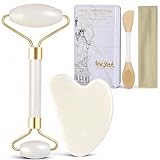
For a replacement or second tool, a stainless-steel option such as Ice Globes for Facials Unbreakable Steel Cooling Roller (listed for under $20) is generally easier to wipe down than porous or cracked stone. A lower-cost Real Perfection jade roller and gua sha set (listed for under $10) can also be convenient, but inspect stone, seams, and metal fittings carefully before and after cleaning.
Step-by-Step
1. Check the material and construction (1 minute)
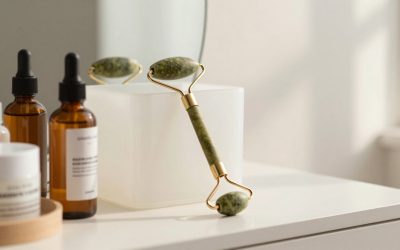
Before adding water or alcohol, identify what you are cleaning. Stainless steel, glass, sealed stone, and hard plastic are nonporous and usually tolerate careful surface cleaning. Unsealed stone, wood, leather, fabric, and tools with visible cracks require extra caution.
Look for the manufacturer’s care instructions. If the roller contains a motor, battery compartment, lights, or charging port, do not immerse it. Keep liquid away from electrical openings. If the rolling head is attached with visible adhesive, avoid hot water and prolonged soaking, which can loosen the bond.
2. Remove makeup and product residue (2 minutes)
Use a dry microfiber cloth to wipe off oil, cream, and loose debris. Pay attention to the ends of the roller head and the narrow spaces where the head meets its frame. Removing this layer first helps soap reach the actual surface.
Do not scrape residue with a knife, pin, or metal nail tool. Scratches create tiny areas where product and microorganisms can collect.
3. Wash with mild soap (2 to 3 minutes)
Mix a small amount of fragrance-free liquid soap—about 1 teaspoon in 2 cups of lukewarm water. Dampen a clean cloth or soft toothbrush with the solution and gently wipe every part of the tool. For a fully sealed, all-metal or hard-plastic roller, you may briefly rinse the rolling surface under running water.
Do not leave a jade or quartz roller submerged. Water can enter around metal fittings, and repeated soaking may weaken adhesive or contribute to staining. Keep water below roughly 100 to 110°F; hot water is unnecessary and may damage finishes or joints.
4. Clean crevices and moving parts (1 to 2 minutes)
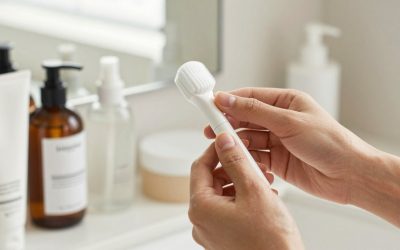
Use a barely damp cotton swab or soft toothbrush around axles, brackets, grooves, and handles. Roll the head slowly while wiping so you can reach its full circumference. If the tool squeaks after washing, do not add household oil unless the manufacturer specifically recommends it; oil can transfer to skin and trap dust.
For a double-ended roller, clean the large and small heads separately. The smaller head often touches the under-eye area and can collect eyeliner or concealer residue that is easy to miss.
5. Rinse away soap (30 seconds)
Wipe the tool with a second cloth dampened with clean lukewarm water. For water-safe stainless steel or plastic, a brief rinse is acceptable. Continue wiping until no slippery film remains. Soap left on the surface can irritate sensitive skin.
6. Disinfect compatible surfaces, if needed (1 minute)
For an extra level of hygiene after illness, a shared tool, or heavy product buildup, lightly apply 70% isopropyl alcohol to a cloth—not directly into the roller’s joints. Wipe only smooth, nonporous surfaces, then allow the alcohol to evaporate completely.
Spot-test first in an inconspicuous area. Alcohol may dull some coatings, affect painted lettering, dry certain plastics, or damage finishes on porous stone and wood. Never mix alcohol with bleach, ammonia, or another cleaner. Disinfection does not replace washing; visible oil and residue should be removed first.
7. Dry completely (at least 10 to 15 minutes)
Pat the roller dry with a clean towel, then leave it uncovered on a dry towel or rack. Position it so air can reach the underside and the areas around the brackets. Wait until it is completely dry before placing it in a pouch, drawer, or cabinet.
Do not use a hair dryer, radiator, oven, or direct high heat. Rapid heating can stress stone, soften adhesive, or damage plastic components.
8. Store it away from moisture (1 minute)
Keep the clean roller in a breathable fabric pouch or a clean, ventilated drawer—not loose on a wet bathroom counter. Avoid sealed plastic bags while any moisture remains. Store it separately from used washcloths, makeup sponges, and toothbrushes.
Mistakes to Avoid
- Do not share an uncleaned roller. Skin oils, active breakouts, and eye-area residue can transfer between users.
- Do not soak stone, wood, or adhesive-assembled tools. Brief wiping is safer than immersion.
- Do not use bleach, hydrogen peroxide mixtures, acetone, or household disinfectant sprays. These can damage finishes and leave irritating residues.
- Do not clean only the rolling surface. Handles, axles, brackets, and storage cases also collect residue.
- Do not put a facial roller in the dishwasher or washing machine. Heat, detergent strength, and agitation may cause cracks or loosen parts.
- Do not refrigerate a damp tool. Cold storage does not replace cleaning, and condensation can develop as the roller warms.
- Do not continue using a rough or chipped head. A sharp edge can scratch or irritate skin.
How Often
Wipe the roller immediately after every use, even if it looks clean. Wash it with mild soap at least once a week when used by one person, or after every use if it touches makeup, acne medication, sunscreen, or broken skin.
Disinfect compatible nonporous surfaces after someone else uses the tool, after an illness, or when it contacts an active breakout. Clean a storage pouch weekly and replace it if it develops an odor, visible staining, or mildew.
When to Call a Pro or Replace
Most facial rollers are inexpensive enough that replacement is safer than attempting a repair. Replace the tool if the stone or glass is cracked, chipped, pitted, or shedding fragments; if rust appears; if a seam opens; or if the rolling head remains gritty after cleaning.
Stop using an electric or heated roller if it becomes unusually hot, smells like burning, swells, sparks, or allows moisture near its charging port. Contact the manufacturer for battery or electrical service rather than opening the device yourself.
If using the tool causes persistent redness, swelling, pain, itching, or a worsening rash, stop using it and contact a dermatologist or other qualified medical professional. Seek prompt medical care for signs of infection, such as spreading warmth, pus, or significant tenderness.
FAQ
Can I use rubbing alcohol on a jade facial roller?
Only if the manufacturer says the stone and finish are alcohol-compatible. Alcohol is best reserved for smooth, sealed, nonporous surfaces. For uncertain jade or quartz, use mild soap on a damp cloth, wipe away residue, and dry immediately.
Can I clean a facial roller with baby wipes?
A fragrance-free wipe can be useful for removing fresh residue when traveling, but it should not replace regular washing. Wipes may leave moisturizers or preservatives behind, so follow with a clean damp cloth and dry the roller fully.
How do I sanitize a roller after using it on acne?
Wash away oil and treatment residue with mild soap first. If the surface is sealed, nonporous, and alcohol-safe, wipe it with 70% isopropyl alcohol and let it air-dry. Never roll over open, bleeding, or oozing lesions.
Is a facial roller safe to put in the freezer?
Follow the product instructions. Cooling a sealed stainless-steel roller may be acceptable, but freezing can make stone brittle, create condensation, and cause discomfort or cold injury. Clean and dry the tool before any cooling method, and never apply an extremely cold roller directly to skin for a prolonged period.
Ready to decide? Our #1 pick for 2026 is the Clean, soft microfiber cloths.
Live price & availability on Amazon.