Last updated: October 4, 2026
Knowing how much eye cream to use can make the difference between a comfortable, effective routine and a greasy film that migrates into your eyes. Eye products are concentrated, and the skin around the eyes is a small application area. More product does not necessarily mean better results; it can increase pilling, irritation, and morning puffiness.
The Short Answer
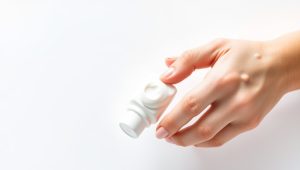
For both eyes, use approximately one rice-grain-sized amount in total—about 0.05 to 0.1 gram, or a thin line measuring roughly 1/8 inch (3 millimeters). Divide that amount between the two eyes. If you prefer to measure per eye, use a piece about half that size, approximately 1/16 inch (1.5 millimeters) long.
As an Amazon Associate we earn from qualifying purchases at no extra cost to you.


Apply the product along the orbital bone, not directly on the eyelids or right against the lash line. Gently tap it from the inner corner beneath the eye toward the outer corner, then distribute any remaining product above the orbital bone. Retinol eye creams may require an even smaller amount, especially when you are introducing them.
A 0.5-ounce eye cream can last approximately three to six months when used once daily, depending on the formula, dispenser, and amount applied. Always follow the product label if it gives a different direction. For 2026, the most useful buying rule remains simple: choose the smallest package that fits your routine and replace it when its texture, smell, or color changes.
Standard Sizes
Eye creams are commonly sold in tubes, jars, pumps, and balm sticks. The package size tells you how much product you are buying, but it does not tell you how much to apply at one time. The table below translates common sizes into practical use quantities.
| Package size | Metric equivalent | Typical daily amount | Approximate uses | Best for |
|---|---|---|---|---|
| 0.25 oz | 7 g | 0.05–0.1 g for both eyes | 70–140 applications | Travel, testing a new active ingredient |
| 0.35 oz | 10 g | 0.05–0.1 g for both eyes | 100–200 applications | Sticks and compact balm formulas |
| 0.50 oz | 14–15 g | 0.05–0.1 g for both eyes | 140–300 applications | Standard daily eye creams |
| 1.00 oz | 28–30 g | 0.05–0.1 g for both eyes | 280–600 applications | Frequent users or shared routines |
The application dimensions in this guide are visual estimates rather than laboratory measurements. A rice-grain-sized portion is usually about 1/8 inch (3 mm) long and 1/16 inch (1.5 mm) wide. A small pea-sized amount is about 1/4 inch (6 mm) across, but that is generally more than most people need for both eyes. Because formulas vary in density, a thick balm and a lightweight serum may look different even when they weigh the same amount.
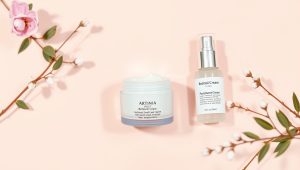
Examples of common retail sizes include the 0.5-ounce CeraVe Eye Repair Cream, which is often priced around $14 to $16, and the 0.5-ounce RoC Retinol Correxion Under Eye Cream, commonly around $20 to $24. The 0.35-ounce Salmon DNA PDRN Eye Cream Balm Stick is often priced around $9 to $12. A medicube eye serum may have a different net weight depending on the version and packaging, with typical prices around $18 to $25. Check the label for the exact net quantity before comparing value.
How to Measure Your Space
- Wash and dry your hands. Clean hands reduce the chance of transferring makeup, dirt, or bacteria to the eye area and product container.
- Start with half of the usual amount. Dispense or scoop a portion roughly 1/16 inch (1.5 mm) long for one eye. It is easier to add a little than to remove excess.
- Divide the product evenly. Place matching dots beneath each eye. If one side receives more product, the finish may feel heavier or look shinier on that side.
- Stay on the orbital bone. Apply small dots under the eye and along the outer corner, keeping approximately 1/4 inch (6 mm) away from the lash line. Body heat will help the formula spread.
- Tap instead of rubbing. Use your ring finger or a clean applicator to pat the product until it forms a very thin layer. Pulling the skin can cause discomfort and may worsen temporary redness.
- Wait before layering. Allow the eye cream to settle for one to two minutes before applying concealer, sunscreen, or another treatment. If makeup pills, reduce the amount first.
- Adjust for the formula. A serum usually needs less than a dense cream, while a balm stick should be swiped lightly once under each eye rather than repeatedly dragged across the skin.
By Room or Use Case
Morning routine
Use a thin layer in the morning, particularly if you plan to apply concealer. Hydrating creams containing ingredients such as hyaluronic acid can sit comfortably under makeup when applied sparingly. For both eyes, begin with 0.05 gram or a narrow 1/8-inch (3-mm) portion. Follow with sunscreen on the surrounding face; an eye cream does not replace broad-spectrum sun protection.
Night routine
Nighttime is often the easiest opportunity to use a richer formula because there is no makeup to disturb. Even so, a rice-grain-sized amount for both eyes is usually sufficient. Apply after cleansing and before or after moisturizer according to the product instructions. Keep retinol products away from the lash line and start two or three nights per week if your skin is sensitive.
Retinol eye cream
Retinol formulas require restraint. Use approximately half the amount you would use for a basic moisturizer—about 0.025 to 0.05 gram for both eyes. Avoid applying it to irritated, peeling, or freshly exfoliated skin. If dryness or stinging develops, reduce frequency rather than compensating with a larger amount of moisturizer directly on top.
Eye serum
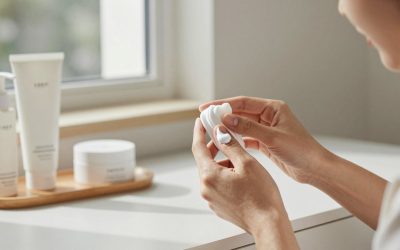
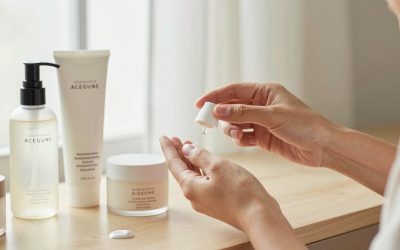
Serums spread more easily than creams, so one small drop can be enough for both eyes. Place the drop on a fingertip, split it between the ring fingers, and tap around the orbital bone. A watery serum may require a moisturizer over it to prevent tightness, while a silicone-rich serum may pill if too much is layered underneath makeup.
Balm stick
With a stick, one light pass beneath each eye is generally enough. Do not press hard or make several repeated swipes. The warmth of the skin melts the product and allows you to tap it into place. If the stick leaves a visible waxy line, you have applied too much; remove the excess with a clean fingertip or tissue.
Puffiness or dry skin
For puffiness, adding more cream will not create a faster result and may make the area look heavier. Use a thin layer and allow it to absorb. For dryness, apply the normal amount first, then add a tiny dot only to visibly flaky areas. A humidifier, gentle cleanser, and face moisturizer may help more than increasing the eye cream dose.
Common Sizing Mistakes
- Using a full pea-sized amount per eye: This is usually excessive and can lead to creasing, pilling, or product migration.
- Applying directly to the lash line: Cream can travel into the eyes as it warms. Leave a small buffer around the lashes.
- Rubbing until the area feels dry: Eye cream should leave a comfortable, nearly invisible film. Excessive rubbing can create friction.
- Ignoring the dispenser: Pumps and droppers may release different amounts. Dispense onto a fingertip first so you can control the dose.
- Sharing jars or sticks: Contact with fingers and skin can introduce contamination. Keep the applicator clean and do not share eye products.
- Judging value by ounces alone: A 0.35-ounce stick may last longer than expected if each application is very small, while a jar can lose product to residue around the lid.
FAQ
How much eye cream do I need for both eyes?
Start with one rice-grain-sized amount, approximately 0.05 to 0.1 gram total. Split it evenly between the eyes and add only if the skin still feels dry after the product settles.
Can I use too much eye cream?
Yes. Excess product can migrate into the eyes, cause watering, make concealer crease, or leave the area puffy and greasy. More cream also does not make active ingredients work faster.
How long should a 0.5-ounce eye cream last?
Used once daily in the recommended amount, a 0.5-ounce, or roughly 14- to 15-gram, product may last about three to six months. The exact duration depends on whether you use it once or twice daily and how much the dispenser releases.
Should I use less eye cream with retinol?
Usually, yes. Begin with about half a rice-grain-sized amount for both eyes and use it two or three nights per week. Follow the label, avoid the lash line, and stop or reduce use if you develop persistent burning, redness, or peeling.
Ready to decide? Our #1 pick for 2026 is the 0.25 oz.
Live price & availability on Amazon.