Last updated: October 4, 2026
Quick answer: Our top pick in 2026 is the Clean fingertips — our #1 rated choice. See the full ranked comparison, alternatives and buying advice below.
The Short Answer
Yes, a silicone cleansing brush can be worth buying—if you want a low-maintenance tool that adds gentle surface exfoliation to a basic face-washing routine. It is not a replacement for a good cleanser, sunscreen, acne treatment, or professional care, and it will not automatically deliver “deep cleaning” simply because it vibrates.
For most shoppers, the main appeal is convenience. A silicone brush is easier to rinse and dry than a traditional bristle brush, and its soft, nonporous surface is less likely to hold onto makeup, oil, and cleanser residue. The trade-off is that results are usually subtle, especially if you already wash your face effectively with your hands.
As an Amazon Associate we earn from qualifying purchases at no extra cost to you.

What You Actually Get
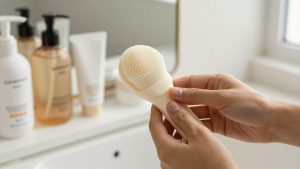
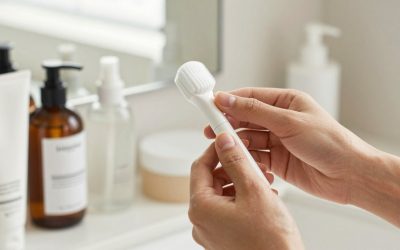
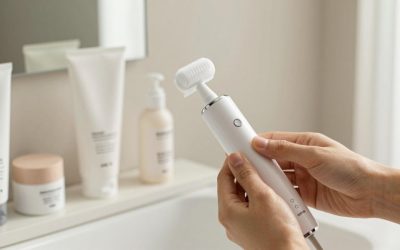
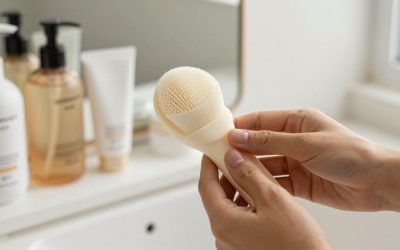
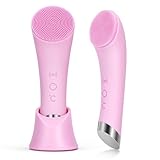
A typical rechargeable silicone cleansing brush combines a handheld body, flexible silicone touchpoints, a vibration motor, a charging cable, and a power button or control panel. Some models have separate zones: finer silicone nubs for everyday cleansing and larger ridges for massage or more targeted exfoliation.
The two PRITECH models referenced here are priced for under $10 each. One is listed in green and the other in pink; both are described as rechargeable, waterproof silicone face scrubbers with a heat massage end and vibrating exfoliation. At this price, think of them as budget personal-care gadgets rather than precision skincare devices. The important buying questions are whether the brush feels comfortable, whether the charging system is convenient, and whether the waterproofing instructions are clear.
“Waterproof” still requires sensible use. Do not assume every charging port can be submerged, and do not charge the device while it is wet. Follow the manufacturer’s instructions for rinsing, drying, and charging. Because battery capacity, brush dimensions, weight, vibration strength, and charging time can vary by model or production run, check the current product listing or package before treating those figures as fixed specifications.
Pros
- More hygienic than many bristle brushes. Silicone is nonporous and does not have densely packed fibers that can stay damp between uses. It still needs to be rinsed and dried, but cleanup is generally simple.
- Easy to use with a normal cleanser. Add cleanser to damp skin, move the brush in small circles without pressing hard, and rinse. There is no need to buy a special soap or replacement brush head.
- Gentle surface exfoliation. Flexible silicone tips can loosen some surface oil, sunscreen, and flakes. This can leave skin feeling smoother, although a smoother feeling does not necessarily mean the pores have been “deep cleaned.”
- Rechargeable convenience. A rechargeable model avoids disposable batteries and is easier to keep ready at the sink or in a travel bag. It is also less wasteful over time than replacing brush heads every few months.
- Massage may make cleansing feel more enjoyable. Vibration and a heated or massage end can turn a quick wash into a relaxing routine. That is a comfort feature, not proof of better skincare results.
- Affordable entry point. For under $10, the PRITECH options cost less than many branded electronic cleansing tools. That makes them reasonable for someone curious about silicone cleansing without making a large investment.
- Useful for people who dislike wet washcloths. A silicone surface is compact, quick to rinse, and less likely to develop the musty odor that can occur when a cloth is left damp.
Cons
- It can irritate sensitive skin. Vibration, repeated rubbing, and frequent exfoliation may cause redness, tightness, or stinging. “Soft silicone” does not mean every face will tolerate daily use.
- More scrubbing is not better cleansing. Pressing down to chase a cleaner feeling can damage the skin barrier. Use light contact and let the cleanser do most of the work.
- Benefits are easy to oversell. A cleansing brush cannot permanently shrink pores, remove every blackhead, or guarantee clearer skin. It also cannot compensate for leaving makeup or sunscreen on for too long.
- Battery maintenance is part of ownership. Rechargeable devices eventually lose capacity. A low-cost brush may also have a less polished charging setup, less obvious battery feedback, or a shorter useful life than a premium device.
- Water resistance has limits. A brush may be suitable for use at a sink or in the shower without being designed for prolonged submersion. Water damage may not be covered if the charging port is left exposed or the device is cleaned incorrectly.
- Heat is not essential. A heated massage end may feel pleasant, but warmth is not required to cleanse the face. People with easily flushed or reactive skin may prefer a model without heat.
- It takes an extra step to clean the tool. Rinsing the brush, wiping off residue, and storing it where it can dry adds a small chore to an already simple routine.
- It may not suit active breakouts. Rubbing over inflamed pimples can be uncomfortable and may worsen irritation. A clean fingertip and a gentle cleanser are often the safer choice in those areas.
Who Should Buy It
Buy a silicone cleansing brush if you enjoy skincare gadgets, want a rechargeable tool under about $10 to $25, and prefer a brush that rinses clean quickly. It is also a sensible choice for people who want a mild exfoliating sensation without buying replaceable bristle heads.
The PRITECH models are most appealing to a budget shopper who wants to experiment with vibration, silicone touchpoints, and a massage feature for under $10. Choose based on the current listing, color preference, return policy, and care instructions rather than assuming the two colors perform differently.
Who Should Skip It
Skip it if your skin is very sensitive, eczema-prone, visibly irritated, sunburned, or recovering from a cosmetic treatment. You should also skip it if you are likely to use maximum pressure or scrub every day in pursuit of instant results. People who already have a routine that works well with their hands may notice little improvement.
If persistent acne, painful bumps, unusual dryness, or ongoing redness is your concern, a cleansing brush is not the right first-line solution. Consider discussing the issue with a qualified dermatologist instead of adding more friction to your routine.
Cheaper Alternatives
| Option | Cost | Trade-off |
|---|---|---|
| Clean fingertips | $0 | Lowest irritation and no charging, but no vibration or massage sensation. |
| Soft cotton or microfiber washcloth | About $2–$10 | Inexpensive and reusable, but it must be washed and dried thoroughly after each use. |
| Manual silicone cleansing pad | About $3–$10 | Easy to rinse and battery-free, but it requires hand movement and offers no vibration. |
| Basic gentle cleanser used alone | About $5–$15 | Often all most people need, but it does not provide the gadget-like feel of a brush. |
| Budget rechargeable silicone brush | About $10–$25 | Adds vibration and convenience, but introduces charging, waterproofing, and battery concerns. |
FAQ
Can you use a silicone cleansing brush every day?
Some people can, but daily use is not automatically better. Start with two or three uses per week, light pressure, and a short cleansing session. If your skin feels tight, hot, itchy, or unusually red afterward, reduce use or stop. Avoid using it over broken, peeling, or inflamed skin.
Does a silicone cleansing brush remove blackheads?
It may help remove surface oil and loosen some debris, but it cannot reliably extract blackheads. Blackheads form deeper in a pore, and aggressive scrubbing can irritate the surrounding skin without solving the problem. Do not press harder or use the tool for an extended session to force a result.
How do you clean and store one?
Rinse the silicone surface thoroughly after each use, remove cleanser residue, and shake or wipe away excess water. Store the brush upright or in a ventilated spot where it can dry completely. Keep the charging port closed when required, and never charge the unit while wet. Replace the device if the silicone cracks, peels, or becomes difficult to clean.
Is the PRITECH brush worth under $10?
It can be, if you want an inexpensive introduction to rechargeable silicone cleansing and understand that the result will be a cleaner-feeling routine—not a dramatic skincare transformation. For under $10, the risk is relatively low, but inspect the return terms and current specifications before buying. If you have reactive skin, the cheaper alternative of using clean fingertips may be the better decision.
Ready to decide? Our #1 pick for 2026 is the Clean fingertips.
Live price & availability on Amazon.