Last updated: October 4, 2026
Choosing between retinol serum and retinol cream is less about finding a universally superior formula and more about matching the product to your skin, routine, storage space, and willingness to manage irritation. A serum may feel lighter and fit neatly into a minimalist bathroom setup, while a cream can combine treatment with moisturizing support and simplify a nighttime routine. The right choice also depends on how often you will use it, whether you share a bathroom with children or pets, and how much you want to spend over time.
As you compare retinol serum vs retinol cream in 2026, look beyond the front-label percentage. Texture, supporting ingredients, packaging, frequency of use, and your existing moisturizer can matter just as much as the retinol itself. Retinol can cause dryness, peeling, redness, and increased sun sensitivity, so introduce either format gradually and follow the product directions. Use sunscreen during the day, and ask a medical professional whether retinol is appropriate for you, especially during pregnancy or breastfeeding.
As an Amazon Associate we earn from qualifying purchases at no extra cost to you.



Quick Verdict
Choose a retinol serum if you want a lightweight layer, already use a separate moisturizer, or need a formula that disappears quickly under other nighttime products. Serums are often a good fit for oily or combination skin, although the formula—not just the word “serum”—determines how drying it feels.
Choose a retinol cream if your skin is dry, sensitive, or easily irritated, or if you prefer a simpler routine with treatment and hydration in one step. Creams are also convenient for a shared household because they reduce the number of bottles on the counter. Neither format is automatically stronger or safer. Check the retinol concentration, directions, packaging, and supporting ingredients before buying.
Side by Side
| Factor | Retinol Serum | Retinol Cream |
|---|---|---|
| Comfort | Light, fluid feel; may need moisturizer afterward | More cushioned feel; usually better for dry or tight skin |
| Durability | Often 1-ounce bottles; liquid texture can be messier if over-poured | Often 1 to 1.7 ounces; thicker texture may be easier to control |
| Price range | About $10 to $35 for an entry-level to midrange product | About $8 to $30 for an entry-level to midrange product |
| Maintenance | Usually paired with moisturizer and possibly other calming products | May reduce the need for a separate nighttime moisturizer |
| Space needed | Typically a 1-ounce bottle, about 1 to 2 inches wide and 3 to 5 inches tall | Typically a 1- to 1.7-ounce tube or jar, about 2 to 3 inches wide |
| Look | Clean, streamlined, often suited to a minimalist shelf | More substantial packaging; tubes are practical for cabinets |
| Resale | Not a meaningful resale category; opened skincare should not be resold | Not a meaningful resale category; unopened products are the only reasonable exception |
| Best for | Layering, oily or combination skin, and established routines | Dry or sensitive skin, beginners, and simplified routines |
| Storage | Cool, dry cabinet away from direct sunlight; keep the cap tightly closed | Same storage needs; a tube can be convenient in a crowded cabinet |
Where Retinol Serum Wins
Serum is the better format when you want flexibility. A few drops can be applied after cleansing and before a moisturizer, allowing you to adjust the rest of your routine according to the season. You might use a richer cream in winter and a lighter lotion in summer without replacing the retinol product.
The texture is another advantage. A serum generally spreads in a thin layer and does not add much weight to the face. That can be appealing if you dislike the feeling of a rich cream, live in a humid climate, or already use several products at night. It also works well for people who want to apply retinol only to selected areas rather than use a heavier product across the entire face.
Serums can be a practical choice for a small bathroom. A 1-ounce bottle takes up little shelf space, and products such as The Ordinary Retinol 1% in Squalane, listed for under $20, or CeraVe Resurfacing Retinol Face Serum with Niacinamide, listed for under $20, illustrate how the category includes both very affordable and moderately priced options. These are reference points, not a guarantee that every serum will suit your skin or provide the same experience.
The trade-off is that a serum may require more planning. If your skin becomes dry, you may need a moisturizer before or after it, or you may need to use the “sandwich” method: moisturizer, retinol, then another thin layer of moisturizer. A high-strength product is not automatically a better starting point, so beginners should pay close attention to directions and frequency.
Where Retinol Cream Wins
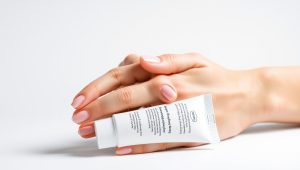
Cream is the more convenient option when comfort and simplicity come first. Its richer base can help reduce the tight, dry feeling that some people experience when beginning retinol. That does not eliminate irritation, but it can make the routine easier to tolerate. A cream may be especially useful if your existing cleanser or climate already leaves your skin feeling dry.
A retinol cream can also consolidate steps. Instead of keeping a serum, moisturizer, and several backup products on the counter, you may need only cleanser, retinol cream, and daytime sunscreen. This matters in a small apartment bathroom or a household where everyone shares one medicine cabinet. A tube is also easy to place in a drawer, travel toiletry bag, or six-compartment organizer measuring roughly 12 by 8 inches.
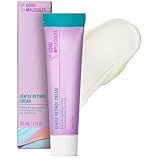
Budget shoppers can find accessible options. Good Molecules Gentle Retinol Cream is listed for under $10, while SimplyVital Face Moisturizer Retinol Collagen Hyaluronic Acid Cream is listed for under $30. Their names and prices demonstrate the broad range available, but packaging language should not replace checking the full ingredient list and usage instructions.
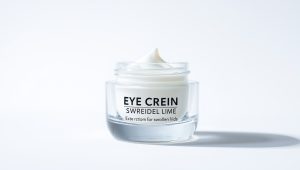
The main limitation is that cream can feel too heavy for some users, particularly when layered over several other products. A jar may also expose more of the formula to air and repeated contact than a well-designed tube or pump. Whatever the container, close it promptly and store it away from heat and direct light.
Cost Over 5 Years
The purchase price is only part of the cost. For a realistic household budget, assume one 1-ounce container lasts about three to four months when used two or three nights per week. Actual use varies considerably: applying a larger amount, using the product nightly, or sharing it is likely to shorten that period.
| Format | Typical price | Estimated containers over 5 years | Estimated product cost |
|---|---|---|---|
| Budget serum | $10–$18 | 15–20 | $150–$360 |
| Midrange serum | $18–$35 | 15–20 | $270–$700 |
| Budget cream | $8–$18 | 15–20 | $120–$360 |
| Midrange cream | $18–$30 | 15–20 | $270–$600 |
These are planning ranges, not a promise of product life or results. You may spend less by using retinol twice weekly, buying larger containers, or choosing a cream that replaces a separate night moisturizer. You may spend more if irritation leads you to buy barrier-support products. Sunscreen is a separate daily expense and should be included in any complete skincare budget.
Which One for Your Home
Small apartment
Pick a serum if counter space is extremely limited and you already own a moisturizer. A narrow bottle can fit in a 2-inch-wide cabinet section or a small drawer. Pick a cream if reducing clutter matters more than minimizing the container itself. One treatment moisturizer may be simpler than coordinating two bottles.
Family with kids or pets
Choose whichever format can be stored most securely. Retinol products should not be left on an accessible counter, beside a sink, or near a nightstand. A closed cabinet at least 5 feet above the floor, or a latched drawer, is a better location. A cream in a tightly closed tube may be easier to handle, but packaging is not a substitute for safe storage.
Rental
A serum suits renters who want a low-commitment routine that fits into a portable toiletry kit. Keep the bottle in a small, leak-resistant pouch rather than on a bathroom windowsill. Cream works well if you move frequently and want fewer separate products to pack. In either case, avoid storing retinol beside a radiator, heater, or sunny window.
Long-term home
Choose based on skin needs rather than storage. If you have room for a dedicated skincare drawer, a serum gives you more layering options. If you value a consistent routine, a cream may be easier to keep using. Add a small tray—about 10 by 6 inches—for nighttime products, and keep sunscreen in a separate daytime location to prevent routine confusion.
FAQ
Is retinol serum stronger than retinol cream?
Not necessarily. Strength depends on the retinol concentration, formula, stability, and how often you apply it—not simply whether it is a serum or cream. Compare the labeled percentage when provided, follow directions, and begin gradually.
Can I use retinol serum and retinol cream together?
Usually, layering two retinol products is unnecessary and may increase irritation. If you need additional moisture, apply a plain, non-retinol moisturizer before or after your retinol product. Ask a dermatologist before combining active treatments.
Which is better for beginners?
A gentle retinol cream may be easier for beginners who are prone to dryness because it can simplify moisturizing. A low-strength serum can also work if you plan to use a separate moisturizer. Start two nights per week, apply a small amount to dry skin, and increase only if your skin tolerates it.
Should retinol be stored in the bathroom?
A cool, dark cabinet is preferable to an open shelf or sunny windowsill. Bathrooms can become warm and humid, so keep the container tightly closed and away from showers, heaters, and direct light. Always follow the storage instructions printed on the package.
Ready to decide? Our #1 pick for 2026 is the Comfort.
Live price & availability on Amazon.