Last updated: October 4, 2026
Quick answer: Our top pick in 2026 is the Orange, kiwi, or cup of strawberries — our #1 rated choice. See the full ranked comparison, alternatives and buying advice below.
The Short Answer
Yes—if your diet does not reliably provide enough vitamin C, taking a modest daily supplement can be worthwhile. For most healthy adults who regularly eat fruits and vegetables, however, daily vitamin C is optional rather than essential. It is a nutritional backup, not a cure-all, immune shield, or replacement for a balanced diet.
Vitamin C is a water-soluble vitamin involved in collagen production, wound healing, iron absorption, and normal immune function. The recommended daily amount is 90 milligrams for adult men and 75 milligrams for adult women. People who smoke need an additional 35 milligrams per day. The tolerable upper limit for adults is 2,000 milligrams daily from food and supplements combined.
As an Amazon Associate we earn from qualifying purchases at no extra cost to you.
![NatureWise Vitamin C 1000mg Capsules - Extra Strength Vegan Vitamin C for Daily Antioxidant & Immune Support - Non-GMO, USA Manufactured - 60 Capsules[60-Day Supply]](https://m.media-amazon.com/images/I/41EFnRtJ5bL._SL160_.jpg)
That makes the practical decision fairly simple in 2026: a low- or moderate-dose supplement may fill a genuine gap, while a high-dose product is usually unnecessary for someone eating well.
What You Actually Get
A vitamin C tablet or capsule gives you a predictable dose of ascorbic acid, the most common supplemental form. Unlike food, it does not provide fiber, water, potassium, folate, or the wide range of plant compounds found in oranges, peppers, strawberries, broccoli, and similar foods.
Food can cover your daily requirement surprisingly easily. One medium orange contains roughly 70 milligrams of vitamin C. A half-cup of red bell pepper can provide more than 90 milligrams, while a cup of strawberries supplies about 85 milligrams. Even a diet that includes only a few servings of produce may meet the target without a pill.
The two example products illustrate the usual trade-off:
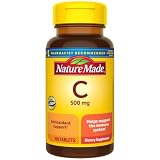
- Nature Made Vitamin C 500 mg Tablets: 100 tablets for about $10, or approximately 8 cents per tablet. This is more than five times the daily recommendation for many adults, but still well below the 2,000-milligram upper limit.
- NatureWise Vitamin C 1000 mg Capsules: 60 capsules for about $5, or approximately 12 cents per capsule. This is a high supplemental dose and is generally more than most people need on a routine basis.
Neither price is high, but dose matters more than the difference of a few dollars. A 1,000-milligram capsule is not automatically better than a 500-milligram tablet. Your body regulates vitamin C levels, and excess is excreted in urine. Taking more can also increase the chance of stomach upset, loose stools, or heartburn.
Pros
- It can close a dietary gap. People who eat few fruits and vegetables, have limited food choices, or struggle with appetite may find a daily supplement convenient.
- The cost is low. At roughly $7 to $8 per bottle, these products can cost only a few cents per day. That is inexpensive compared with many wellness products.
- The dose is consistent. A tablet or capsule provides a measured amount, unlike produce, where vitamin content varies with size, freshness, and storage.
- It supports normal collagen production. Vitamin C is required for collagen formation, which contributes to healthy skin, blood vessels, cartilage, bones, gums, and wound healing.
- It improves absorption of plant-based iron. Taking vitamin C with beans, lentils, tofu, spinach, or fortified grains can help the body absorb non-heme iron more efficiently.
- It may modestly shorten a cold for some people. Regular vitamin C does not reliably prevent colds in the general population, but research suggests it may slightly reduce cold duration or severity for some users. This is a modest effect, not a guarantee.
- It is easy to add to a routine. A small bottle is simple to store, travel with, and take with a meal.
Cons
- Many people already get enough. If your meals routinely include produce, supplementation may add little practical value.
- More is not necessarily better. The 500-milligram and 1,000-milligram examples substantially exceed the daily recommendation. A larger number on the label does not mean stronger everyday protection.
- Digestive side effects are possible. High doses can cause nausea, stomach cramps, diarrhea, or heartburn. Taking vitamin C with food may help, but reducing the dose is often the better solution.
- It may increase kidney stone concerns for some people. People with a history of kidney stones, particularly certain calcium oxalate stones, should ask a clinician before taking high-dose vitamin C.
- It can complicate some medical situations. Anyone with kidney disease, iron-overload disorders such as hemochromatosis, or medications affected by supplements should check with a healthcare professional.
- It cannot compensate for a poor overall diet. Vitamin C does not replace protein, fiber, sleep, vaccinations, exercise, or treatment for an underlying illness.
- Tablets and capsules may be inconvenient. Some people dislike swallowing pills, and acidic vitamin C can be irritating when taken on an empty stomach.
Who Should Buy It
A daily vitamin C supplement makes the most sense for an adult who has a consistent, identifiable gap in their diet. That may include someone who rarely eats produce, has a restricted diet, travels frequently, or wants an inexpensive nutritional safety net. It can also be useful when a clinician has identified a deficiency risk.
If you choose one of the example products, the 500-milligram Nature Made tablet is the more conservative everyday option. At roughly 8 cents per tablet, it offers a substantial amount without jumping to a 1,000-milligram dose. Some people may not need a full tablet daily; splitting a tablet is only appropriate if the label indicates it can be split and your clinician or pharmacist agrees.
People who take vitamin C to support iron absorption may prefer using it alongside an iron-containing meal rather than treating it as a standalone “immune” product. Anyone who is pregnant, breastfeeding, managing a chronic condition, or taking prescription medication should discuss regular supplementation with a healthcare professional.
Who Should Skip It
Skip a routine supplement if you already meet your needs through food and have no particular reason to add one. There is little benefit in buying a 1,000-milligram capsule simply because it is marketed as extra strength.
You should also avoid self-prescribing high doses if you have kidney disease, a history of kidney stones, an iron-storage disorder, or a medical condition requiring careful supplement management. If vitamin C consistently causes diarrhea, cramps, or reflux, stop or reduce it rather than pushing through the symptoms.
Cheaper Alternatives
| Option | Cost | Trade-off |
|---|---|---|
| Orange, kiwi, or cup of strawberries | About $0.40-$1.50 per serving | Provides vitamin C plus fiber and other nutrients, but costs more per day than a tablet and requires shopping and storage. |
| Frozen bell peppers or broccoli | About $0.15-$0.60 per serving | Often economical and long-lasting, but requires preparation and cooking. |
| Store-brand vitamin C, 250-500 mg | About $3-$8 per 100-count bottle | Usually the lowest supplement cost, but check the serving size, form, expiration date, and quality controls. |
| Nature Made Vitamin C, 500 mg | About $10 for 100 tablets | Affordable and moderate compared with a 1,000-milligram product, but still much higher than the daily requirement. |
| NatureWise Vitamin C, 1,000 mg | About $5 for 60 capsules | Low upfront price and a high dose, but more likely to be excessive for routine use and more expensive per day than the 500-milligram bottle. |
FAQ
Does taking vitamin C every day prevent colds?
Not reliably for most people. Regular use may slightly shorten a cold or reduce symptom severity in some cases, but it does not provide guaranteed prevention. Taking a large dose after symptoms begin is also not a dependable treatment.
Is 1,000 milligrams of vitamin C too much?
It is below the adult upper limit of 2,000 milligrams per day, but it is far above the recommended daily amount. Some healthy adults tolerate it, while others develop stomach upset or diarrhea. For routine use, a lower dose—or food alone—is usually more sensible.
When should I take vitamin C?
There is no universally superior time of day. Take it with a meal if it bothers your stomach, and consider pairing it with a plant-based iron source if that is your goal. Consistency matters more than morning versus evening.
Should I choose a tablet, capsule, or gummy?
Choose the form you will take consistently, while checking the dose and added ingredients. Tablets are often the least expensive. Capsules may be easier for some people to swallow, and gummies may contain added sugar. “Easier to take” does not mean more effective, so compare the actual vitamin C amount rather than the format.
Ready to decide? Our #1 pick for 2026 is the Orange, kiwi, or cup of strawberries.
Live price & availability on Amazon.