Last updated: October 4, 2026
Quick answer: Our top pick in 2026 is the Fragrance-free moisturizer applied to damp skin — our #1 rated choice. See the full ranked comparison, alternatives and buying advice below.
The Short Answer
Facial mist is worth buying only if you will use it as a convenient step in a routine—not as a replacement for moisturizer, sunscreen, or a properly formulated hydrating serum. For most people, it is a pleasant but optional purchase. A mist can cool skin, add temporary water-based hydration, refresh makeup, and make a dry airplane cabin or heated office feel more comfortable. It cannot permanently hydrate skin on its own, and plain water sprayed onto your face may evaporate quickly and leave skin feeling tighter.
In other words, buy one for convenience and sensory appeal, not because you expect dramatic changes in fine lines, acne, redness, or dehydration. In 2026, the best facial mist is still the one that fits a specific habit you will actually keep.
As an Amazon Associate we earn from qualifying purchases at no extra cost to you.


What You Actually Get
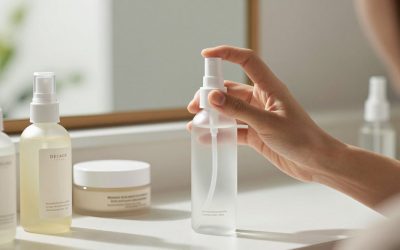
A facial mist is a liquid packaged in a fine-spray bottle. Formulas range from simple mineral or thermal water to products containing humectants, soothing ingredients, botanical extracts, electrolytes, or fragrance. The spray mechanism is part of the appeal: it distributes a thin layer across the face in seconds without requiring cotton rounds or rinsing.
With a simple thermal-water product, you are mainly buying convenience. La Roche-Posay Thermal Spring Water Face Mist, for example, is sold in a 10.1-ounce can and is designed for quick, lightweight application. Evian Facial Spray comes in a 1.7-ounce TSA-approved mini, making it more practical for a purse, desk drawer, gym bag, or flight. The larger can offers more applications per ounce, while the small bottle prioritizes portability.
What happens after spraying depends on what you do next. If you apply moisturizer while skin is still slightly damp, the moisturizer can help slow water loss. If you let the mist dry completely in a low-humidity environment, the cooling sensation may last only briefly. A facial mist therefore works best as a supporting step: mist, apply a hydrating serum if desired, then seal with moisturizer.
Some mists are also marketed for makeup. A light spray may soften a powdery finish or make skin look less dry, but it is not the same as a true setting spray. A setting spray is formulated specifically to help makeup wear longer; a plain mineral-water mist generally is not.
Pros
- Fast and easy to use. A mist takes a few seconds and does not require clean hands, a sink, or a complicated routine.
- Provides temporary refreshment. The cooling effect can be useful after exercise, during travel, or in warm weather.
- Can support a moisturizing routine. Applying moisturizer to slightly damp skin is often more useful than spraying and stopping there.
- Works well for on-the-go use. A 1.7-ounce mini is compact enough for many travel situations and takes up little room in a work bag.
- May feel comfortable on sensitive skin. A simple, fragrance-free formula can be appealing when you want to avoid a long ingredient list. However, “gentle” is not a guarantee for every individual.
- Can improve the look of powder makeup. A fine mist may reduce a dry, overly matte appearance without adding another thick product.
- Offers a small self-care benefit. If the ritual encourages you to moisturize, reapply sunscreen, or take a break from a hot environment, it can be useful even without dramatic skincare results.
Cons
- It is easy to overpay for water. A simple mist may contain few functional ingredients, so the price often reflects packaging, branding, and portability rather than a transformative formula.
- Hydration is usually temporary. Water on the surface of skin evaporates. In dry air, that evaporation can leave some people feeling tighter unless they follow with moisturizer.
- It does not replace moisturizer. A mist typically lacks the blend of humectants, emollients, and occlusives needed to provide lasting moisture.
- Results may be subtle. You may notice comfort and a fresher appearance, but a mist is unlikely to correct persistent dryness, eczema, acne, or visible signs of aging by itself.
- Spraying over makeup can be unpredictable. Too much liquid can disturb foundation, mascara, concealer, or powder, especially when the nozzle produces larger droplets.
- Fragrance and extracts can irritate some users. “Natural” ingredients can still trigger sensitivity. Check the ingredient list if your skin reacts easily.
- It creates extra packaging. An aerosol can or small plastic spray bottle is less economical and less minimal than using a moisturizer you already own.
Who Should Buy It
A facial mist makes sense for someone who values convenience and enjoys refreshing skincare throughout the day. It is particularly practical if you spend time in heated or air-conditioned rooms, travel frequently, exercise away from home, or dislike the feel of heavier products.
It can also be worthwhile for people with normal, combination, or mildly dry skin who want a brief cooling step before moisturizer. Makeup wearers may appreciate a light mist to take the edge off a powdery finish. In that case, spray from about 8 to 12 inches away, use a small amount, and allow it to settle rather than soaking the face.
If you are comparing the two reference products, La Roche-Posay’s 10.1-ounce size is the more sensible choice for regular home use at about $15. Evian’s 1.7-ounce, approximately $9 mini is more expensive per ounce, but its compact format is useful for travel and occasional use. Neither should be judged as a complete moisturizer.
Who Should Skip It
Skip facial mist if your main goal is lasting relief from severe dryness, flaking, irritation, or a compromised skin barrier. Your budget will usually go further with a fragrance-free moisturizer containing ingredients such as glycerin, ceramides, or petrolatum. If you already have a hydrating toner or serum that you use consistently, adding a mist may simply duplicate a step.
You may also want to skip it if you dislike frequent repurchasing, are trying to reduce packaging, or expect a mist to tighten pores, erase wrinkles, treat acne, or replace sunscreen. People with very reactive skin should patch-test any new formula, particularly one containing fragrance, essential oils, or multiple plant extracts. Finally, if plain sprays leave your skin tight, do not force the product into your routine; that is a sign to use a richer, more complete formula or abandon the step.
Cheaper Alternatives
| Option | Cost | Trade-off |
|---|---|---|
| Fragrance-free moisturizer applied to damp skin | About $7–$18 for 3–16 ounces | Usually offers more lasting hydration, but is less cooling and not as convenient to spray. |
| Hydrating toner in a reusable spray bottle | About $8–$20 for 4–8 ounces | May contain more functional ingredients, but the formula must be chosen carefully and the bottle cleaned regularly. |
| Plain water from clean hands, followed by moisturizer | Nearly free | Provides the damp-skin step without the portable packaging, cooling spray, or fine mist. |
| Glycerin-based hydrating serum | About $10–$25 for 1–2 ounces | Often more effective for dehydration, but it is a treatment step rather than a quick refreshment product. |
| Reusable continuous-mist bottle filled with water | About $6–$15 for a 2–5-ounce bottle | Lower ongoing cost, but water and the bottle can become contaminated if stored or cleaned improperly. |
The most economical alternative depends on what you want. For lasting comfort, choose moisturizer. For a cooling sensation, choose a spray. For travel, compare the total cost per ounce rather than only the shelf price: a under-$20 10.1-ounce can costs substantially less per ounce than a $9 1.7-ounce mini, while the mini may still be the better buy if you value its size.
FAQ
Does facial mist actually hydrate skin?
It can add water to the surface of skin temporarily, but a basic mist does not usually provide lasting hydration by itself. For a more useful effect, spray lightly and apply moisturizer while skin is still damp. Look for formulas with humectants if you want more than a brief refreshing sensation.
Can I use facial mist instead of moisturizer?
Usually, no. A mist generally does not form the protective layer needed to slow water loss. If your skin is oily and you only want a quick refresh, you may prefer mist alone during the day, but it should not replace moisturizer when your skin feels dry, tight, or irritated.
Is facial mist good for dry or sensitive skin?
It may feel soothing, especially when the formula is simple and fragrance-free, but comfort varies. Spray a small amount first and follow with a gentle moisturizer. Stop using it if you experience stinging, redness, itching, or increased tightness. Persistent dryness or irritation calls for a more complete skincare product and, when necessary, professional advice.
How often should I use facial mist?
There is no required schedule. Use it when you want a refresh, such as once or twice during the day, or before applying moisturizer. Avoid repeatedly soaking your face and letting the water evaporate in very dry air. Keep the nozzle clean, do not share the product, and follow the package directions for storage.
Ready to decide? Our #1 pick for 2026 is the Fragrance-free moisturizer applied to damp skin.
Live price & availability on Amazon.