Last updated: October 4, 2026
A good serum for face should deliver measurable improvement in skin texture, hydration, or tone without leaving a film that disrupts the rest of your routine. The problem most buyers face is not a shortage of options but a surplus of nearly identical claims at wildly different price points. Hyaluronic acid serums, niacinamide formulas, retinol blends, and peptide concentrates all promise plumper or smoother skin, yet their real-world performance depends heavily on concentration, formulation vehicle, and compatibility with your existing regimen.
This roundup compares eight widely reviewed options using published specs, current pricing, and aggregated owner feedback. What separates the strong performers from the underwhelming ones comes down to three things: whether the active ingredients are present at concentrations that matter, whether the base formula layers cleanly under sunscreen or moisturizer without pilling, and whether the price reflects the actual delivery system or simply the brand premium. The following ranking addresses those points directly.
As an Amazon Associate we earn from qualifying purchases at no extra cost to you.


Quick Picks
| Product | Best for | Price |
|---|---|---|
| The Ordinary HA 2% + B5 (with Ceramides) | All-around hydration and barrier support | under $10 |
| The Ordinary Niacinamide 10% + Zinc 1% | Blemish-prone and oily skin | under $10 |
| medicube PDRN Pink Peptide Serum | Repair-focused, texture-improving routines | under $20 |
| Good Molecules Hyaluronic Acid Serum | Simple hydration on the tightest budget | under $10 |
| COSRX Snail Mucin 96% Repairing Serum | Soothing, hydrating, and improving skin bounce | under $20 |
| CeraVe Resurfacing Retinol Serum | Post-acne marks and visible pores | under $20 |
| CeraVe Retinol Serum with Niacinamide & HA | Beginners introducing retinol for aging skin | under $30 |
| La Roche-Posay Hyalu B5 Serum | Premium hydration with anti-aging focus | under $40 |
How We Picked
We weighed four criteria: active ingredient identity and stated concentration, price per ounce relative to comparable formulas, owner-reported layering behavior (pilling, tackiness, or interference with other products), and breadth of skin types the formula suits without causing irritation. Products that scored well on three or more of these factors earned a place in the ranking; those that excelled on only one were noted with appropriate caveats.
The 8 Best Serum For Face in 2026
The Ordinary Hyaluronic Acid 2% + B5 (with Ceramides)
This version upgrades the original formula by adding ceramides, addressing the common complaint that HA alone leaves skin feeling tight once ambient humidity drops. Owners with combination skin report it works year-round without a heavy occlusive on top. The dropper dispenses a thin, watery texture that absorbs in seconds and layers under sunscreen without pilling.
- Ceramides help the formula retain moisture better than plain HA serums in the same price tier.
- Neutral fragrance and minimal ingredient list reduce irritation risk for sensitive skin.
- The lightweight texture can feel insufficient for very dry skin in cold, low-humidity climates without an additional moisturizer.
Skip this if you need a single serum to also deliver anti-aging actives like retinol or peptides. It is a hydration and barrier step, not a treatment serum.
The Ordinary Niacinamide 10% + Zinc 1%
For readers whose main concern is excess sebum and recurring blemishes, this remains the most cost-effective entry point. The high niacinamide concentration targets pore appearance and surface oil, while zinc adds an antimicrobial layer. Owner feedback consistently praises the matte finish it leaves behind, which doubles as a light primer before makeup.
- Lowest price in this list per application, making it easy to use generously.
- Noticeable reduction in shine reported by oily-skin owners within a few weeks of consistent use.
- At this concentration, some users experience flushing or stinging during the first week, particularly if combined with other actives.
Skip this if dryness or fine lines are your primary goals; it offers little hydration and can feel tightening on already-dehydrated skin.
medicube PDRN Pink Peptide Serum
The medicube formula combines PDRN (polydeoxyribonucleotide derived from salmon DNA) with peptides, positioning itself as a repair-oriented serum rather than a simple hydrator. Owners in the K-beauty community report improved skin elasticity and a visible glow after several weeks. The texture is slightly more viscous than water-based serums, giving a bouncy feel without stickiness.
- Peptide plus PDRN combination targets collagen support, which basic HA serums cannot replicate.
- Owners note a visible improvement in skin plumpness and evenness over time.
- The ingredient sourcing (salmon-derived DNA) may deter those who prefer plant-based or cruelty-free certifications without explicit labeling.
Skip this if you want a single product that also controls oil or exfoliates. It is best layered alongside a niacinamide or retinol step.
Good Molecules Hyaluronic Acid Serum
At the absolute lowest price point in this ranking, Good Molecules delivers a no-frills HA serum that performs comparably to mid-range hydrators for most skin types. The formula is thin, nearly water-like, and absorbs without residue. Owners with normal to oily skin find it sufficient on its own in mild climates, while drier types typically pair it with a cream.
- The lowest dollar amount for a dedicated hydration serum among all eight options.
- Minimalist ingredient list makes it easy to layer with any other active without conflict.
- Lacks added barrier-repairing ingredients like ceramides or panthenol, so it may feel underwhelming during seasonal transitions.
Skip this if your skin is mature and you need a serum that also addresses firmness. It is strictly a moisture step.
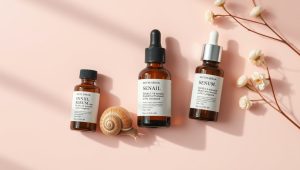
COSRX Snail Mucin 96% Repairing Serum
The 96% snail secretion filtrate concentration places this serum among the most repair-focused hydrators available. Owners report that it calms redness, improves surface texture, and gives skin a dewy bounce without greasiness. The slightly viscous, stringy texture is distinctive but absorbs fully within about a minute. In the 3.38-ounce bottle, the effective per-ounce cost is competitive with smaller Western serums.
- High snail mucin content supports skin barrier recovery, which plain HA cannot match.
- Large bottle size makes the per-use cost reasonable despite a mid-range sticker price.
- Those with shellfish or snail allergies must avoid it entirely, and the texture may feel too slimy for layering purists.
Skip this if you prefer a completely invisible texture under makeup. The initial slip can interfere with foundation application for some owners.
CeraVe Resurfacing Retinol Serum
This is CeraVe’s retinol option aimed at post-acne concerns rather than deep wrinkles. Encapsulated retinol is paired with licorice root extract and ceramides, which soften the typical retinol dryness. Owners report a gradual fading of dark marks over eight to twelve weeks with minimal peeling.
- Ceramides in the base reduce the classic retinol irritation that causes many users to quit early.
- Targets pore visibility and post-inflammatory hyperpigmentation specifically, not generic aging.
- The encapsulated delivery is gentler, so owners seeking faster visible results may find progress slow.
Skip this if you are pregnant or breastfeeding; retinol products require medical clearance during those periods.
CeraVe Retinol Serum with Niacinamide & Hyaluronic Acid
The newer CeraVe retinol formula adds niacinamide and hyaluronic acid to the base, making it more hydrating than the Resurfacing version. This makes it a better match for readers whose primary goal is fine-line reduction without the dryness that often accompanies retinol introduction. The texture is creamy and absorbs slowly, suitable for nighttime use only.
- Added niacinamide and HA counteract the barrier disruption that retinol alone can cause.
- Well-tolerated by owners who found the Resurfacing version too drying for their skin type.
- The richer texture may feel heavy in humid or summer conditions.
Skip this if oil control is your main concern; the hydrating base can add unwanted shine to already-sebum-heavy skin.
La Roche-Posay Hyalu B5 Serum
The premium option in this lineup combines two molecular weights of hyaluronic acid with panthenol (B5) and madecassoside for a multi-depth hydration approach. Owners with dull, tired-looking skin report a visible plumping effect within days. The dropper-style bottle and pharmacy-grade formulation justify its higher price for those who prioritize cosmetic elegance and consistent batch quality.
- Dual-weight HA provides surface and deeper hydration simultaneously, a spec that budget serums rarely achieve.
- Panthenol and madecassoside support skin comfort, reducing the chance of a reactive response.
- The price is roughly four times the lowest-cost hydrator here, so cost-per-ounce efficiency is poor compared to The Ordinary or Good Molecules.
Skip this if your budget is tight and your only goal is basic hydration; a less expensive HA serum will fill that role adequately.
Buying Guide
Matching the Active to Your Primary Concern
Hydration, tone correction, and firmness support are distinct goals that respond to different ingredients. If dehydration and tightness are your issues, a hyaluronic acid or snail mucin serum addresses them directly. If dark marks and uneven texture dominate, niacinamide or retinol is the better lever. Peptide and PDRN formulas target elasticity and early sagging. Buying a serum that solves the wrong problem wastes both money and routine slots.
Concentration and Formulation Vehicle
Stated percentages (such as 10% niacinamide or 96% snail mucin) matter only when paired with a compatible base. A high-concentration active in an unstable or overly occlusive vehicle may not deliver results. Look for formulas that pair actives with supporting ingredients: ceramides with HA for barrier reinforcement, niacinamide with retinol to buffer irritation, or dual-weight HA molecules for layered hydration. Single-ingredient serums work, but combination formulas reduce the total number of steps you need.
Texture and Layering Compatibility
Owner complaints most frequently cite pilling, tackiness, or interference with sunscreen and foundation. Watery, low-viscosity serums tend to layer most cleanly. Heavier or stringier textures (snail mucin, creamy retinol blends) work best as the final treatment step before a moisturizer or as a dedicated nighttime-only product. If you wear sunscreen and makeup daily, prioritize serums whose owners specifically mention smooth layering.
Our Verdict
The top overall pick is The Ordinary Hyaluronic Acid 2% + B5 with Ceramides: it balances price, compatibility, and barrier-supporting formulation better than any other option in this group. For readers who need the absolute lowest spend that still delivers a real hydration effect, Good Molecules Hyaluronic Acid Serum wins on cost-per-application without meaningful compromise for normal to oily skin. One condition changes the ranking: if your dominant concern is post-acne marks rather than hydration, The Ordinary Niacinamide 10% + Zinc 1% becomes the smarter purchase at $6, because a hydrating serum alone will not address pigmentation at this concentration level.
FAQ
Can I use more than one serum in my routine?
Yes, and many routines benefit from it. A common pairing is a hydrating serum (HA or snail mucin) followed by a treatment serum (niacinamide or retinol). Apply the thinnest, lowest-pH formula first and wait about thirty seconds between layers to reduce pilling.
Is a serum for face necessary if I already use a moisturizer?
A moisturizer primarily seals in water and supports the barrier with occlusives and emollients. A serum delivers concentrated actives at a lower viscosity, allowing penetration into the upper epidermis. They serve different functions, and a serum can target concerns that a moisturizer alone cannot address.
How long before I notice results from a facial serum?
Hydration-based serums (HA, snail mucin) often show a visible plumping effect within one to two weeks. Pigment and texture improvements from niacinamide typically require four to eight weeks of consistent use. Retinol-driven changes in fine lines or acne scarring generally take eight to twelve weeks, since they depend on cell turnover cycles.
Are expensive serums always better?
No. The price gap in this list spans from under six dollars to nearly forty, yet a under-$10 formula with ceramides can outperform a pricier one for a reader whose sole need is hydration. You are paying extra for proprietary delivery systems, dual-weight molecules, or brand positioning. Match the spec to your goal rather than assuming the highest price guarantees the best outcome for your skin.