Last updated: October 4, 2026
Quick answer: Our top pick in 2026 is the Gentle retinol serum from a budget brand — our #1 rated choice. See the full ranked comparison, alternatives and buying advice below.
The Short Answer
Yes, retinol serum can be worth buying—but only if you are willing to start slowly and use sunscreen every morning. Retinol is one of the better-studied over-the-counter ingredients for improving the appearance of fine lines, uneven texture, and some forms of acne. However, it is not a quick fix. The first few weeks can bring dryness, stinging, flaking, or breakouts, and using more product will not make results arrive faster.
For most beginners, the best decision is not choosing the strongest formula. It is choosing a concentration you can use consistently without damaging your skin barrier. That makes retinol a “depends” purchase: potentially excellent for long-term results, but a poor match for anyone who wants instant improvement or has highly reactive skin.
As an Amazon Associate we earn from qualifying purchases at no extra cost to you.


What You Actually Get
Retinol is a vitamin A derivative that gradually converts in the skin into active retinoic acid. That process is slower and generally less intense than prescription tretinoin, but it can still encourage faster skin renewal and support collagen production over time. In practical terms, users may notice smoother-feeling skin, a more even-looking tone, softened fine lines, and fewer clogged pores.
Results are measured in months, not days. Some people notice improved smoothness in four to eight weeks, while visible changes in fine lines or discoloration commonly take three to six months of regular use. The outcome depends on the formula, concentration, packaging, application habits, sun exposure, and your skin’s tolerance.
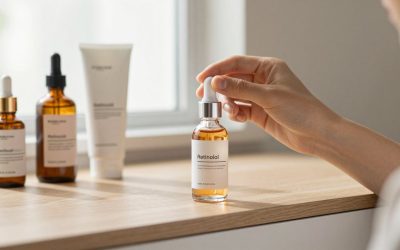
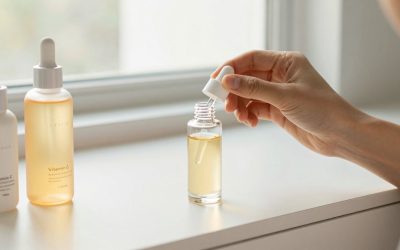
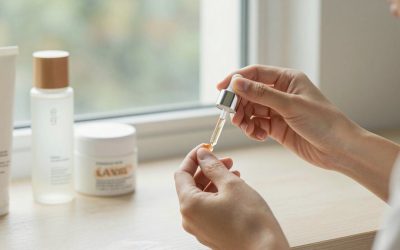
A serum is usually applied in a small amount—roughly a pea-sized quantity for the entire face—after cleansing and drying the skin. Avoid the eyelids, corners of the nose, and corners of the mouth at first because those areas are especially prone to irritation. Follow with moisturizer. Begin one or two nights per week, then increase gradually only if your skin remains comfortable.
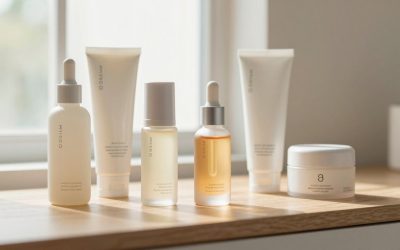
The two reference products illustrate the main shopping choice. The Ordinary Retinol 1% in Squalane is a high-strength option priced around $10 for 1 fluid ounce. It is inexpensive and may appeal to experienced retinol users, but 1% can be too aggressive for a first-timer. CeraVe Resurfacing Retinol Face Serum with Niacinamide is about $15 for 1 ounce. It is positioned as a gentler, barrier-conscious option, although the product’s exact retinol percentage is not the only factor determining how strong it feels.
Pros
- It can improve several concerns at once. Retinol may help the appearance of fine lines, rough texture, uneven tone, and congested pores, making it more versatile than a single-purpose exfoliant.
- It has a stronger track record than many trend ingredients. Retinoids have been studied for skin renewal and photoaging, so the basic ingredient is not simply a social-media fad.
- It can make skin feel smoother. With consistent use, rough patches and dull-looking texture may become less noticeable.
- It may support acne care. Retinol can help reduce pore clogging and normalize shedding inside pores. It is not a substitute for a clinician-prescribed acne treatment, but it may be useful for mild congestion.
- It is available at accessible prices. A 1-ounce bottle commonly costs about $10 to $35, depending on the concentration, brand, and supporting ingredients. One bottle can last several months when used sparingly.
- It works with a simple routine. You do not need a seven-step regimen. Gentle cleanser, retinol, moisturizer, and daytime sunscreen are enough to build a sensible starting routine.
- It can be easier to adjust than a prescription retinoid. Over-the-counter formulas come in different strengths and textures, allowing users to reduce frequency or select a lower-intensity product.
Cons
- Irritation is common during the adjustment period. Dryness, redness, peeling, burning, and tightness can appear, especially when retinol is used nightly or combined with other active ingredients.
- Results take patience. A serum cannot erase deep wrinkles, acne scars, or significant pigmentation in a few applications. Marketing claims that imply overnight transformation deserve skepticism.
- It can make a routine more complicated. You may need to pause or reduce exfoliating acids, benzoyl peroxide, scrubs, or other potentially irritating products while your skin adjusts.
- Sun protection becomes essential. Retinol users should apply a broad-spectrum sunscreen rated SPF 30 or higher every morning and reapply when outdoors for extended periods. Without sun protection, discoloration and photoaging can continue to undermine your progress.
- Strength labels are not perfectly comparable. A stated percentage, delivery system, stabilizer, and formula base all affect how a product performs. A 1% product is not automatically the right benchmark for every brand.
- Some formulas have unpleasant textures. Oil-based products may feel slippery, while water-based serums can pill under moisturizer or sunscreen if too much is applied.
- It is not appropriate for everyone. People who are pregnant or trying to become pregnant are generally advised to avoid topical retinoids unless their own clinician says otherwise. Anyone with eczema, rosacea, a damaged skin barrier, or persistent facial irritation should ask a dermatologist before starting.
- Storage matters. Retinol can degrade with light, heat, and air. Keep the container tightly closed, follow its storage directions, and do not keep it in a hot, steamy bathroom if the label advises otherwise.
Who Should Buy It
Buy a retinol serum if you have realistic expectations and want one ingredient that addresses more than one concern. It is a reasonable choice for adults noticing early fine lines, dullness, uneven texture, enlarged-looking pores, or recurring mild congestion. It also suits shoppers who can commit to a gradual schedule and a daily SPF 30 or higher.
Beginners should generally look for a lower-strength or clearly beginner-oriented formula rather than starting with the most concentrated option. If you choose a high-strength product such as a 1% serum, consider whether you already tolerate retinoids. A low price is not a bargain if irritation forces you to stop using it.
Patch testing is sensible: apply a small amount to an inconspicuous area for several nights before using it across your face. Introduce only one new active at a time so you can identify the source of a reaction.
Who Should Skip It
Skip retinol for now if your skin is actively peeling, sunburned, cracked, or inflamed. It is also a poor choice if you are unwilling to wear sunscreen or tend to abandon products after a week or two. People with persistent redness, eczema, rosacea, or a history of severe reactions should consult a dermatologist before experimenting.
Do not use it during pregnancy without medical guidance. If you are breastfeeding, ask your healthcare professional about your specific situation. Stop using the serum if you develop significant swelling, blistering, hives, or intense burning; those symptoms call for medical advice rather than a “push through” approach.
Cheaper Alternatives
| Option | Cost | Trade-off |
|---|---|---|
| Gentle retinol serum from a budget brand | $10–$18 | Lower price, but the percentage, stability, and packaging may be less transparent. |
| The Ordinary Retinol 1% in Squalane, 1 fl oz | About $10 | Strong value and high concentration; more likely to irritate a beginner and may feel oily. |
| CeraVe Resurfacing Retinol Face Serum, 1 oz | About $15 | More approachable supporting ingredients and a lighter skincare positioning, but not necessarily the fastest option for deep lines. |
| Bakuchiol serum | $15–$30 | Often gentler and retinol-free, but evidence for wrinkle improvement is more limited and results may be subtler. |
| Drugstore moisturizer with a low level of retinol | $12–$25 | Convenient and less concentrated, though the added moisturizer can make it harder to judge how much retinol you are applying. |
For a 2026 purchase, prioritize a sealed, clearly labeled product over the lowest sticker price. A 1-ounce serum used twice weekly may last several months, so tolerance and consistency matter more than saving a few dollars upfront.
FAQ
How often should a beginner use retinol serum?
Start with one or two nights per week for at least two weeks. If there is little or no irritation, move to every other night. Daily use is not required for useful results. If your skin becomes sore, very dry, or persistently red, stop until it recovers and restart less often.
Can I use retinol with vitamin C or exfoliating acids?
You can use them in the same overall routine, but not necessarily at the same time. A cautious approach is vitamin C in the morning and retinol at night, while using exfoliating acids on separate nights. Combining several strong actives increases the chance of irritation without guaranteeing faster results.
Does retinol thin the skin?
Retinol can cause temporary surface peeling and dryness, which may make skin feel thinner or more sensitive during adjustment. It does not typically “thin” healthy skin in the way the claim suggests; retinoids are associated with supporting collagen over time. Persistent irritation, however, can damage the skin barrier, so discomfort is a reason to reduce use.
Is a $12 retinol serum as good as a more expensive one?
Not necessarily better or worse. Price reflects more than the active ingredient, including packaging, texture, stabilizers, testing, and brand costs. An inexpensive serum can work well, but only if it remains stable and your skin tolerates it. The best product is the one you can apply consistently without prolonged irritation.
Ready to decide? Our #1 pick for 2026 is the Gentle retinol serum from a budget brand.
Live price & availability on Amazon.