- Top Pick: PURITO Retinol 0.1% + Retinal 0.1% Serum for Sensitive Skin, 1.01 fl.oz
- Best Value: 2 PCS Retinal Shot Tightening Booster 0.1% Retinal Retinol Essence – Anti-Wrinkle, Pore Minimizer, Firming & Hydrating Serum, Improves Skin Texture, Anti-Aging
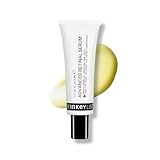
- Premium Choice: The INKEY List Advanced 0.2% Retinol Serum 0.5 fl oz
Last updated: October 4, 2026

📣 Disclosure: This post contains Amazon affiliate links. We may earn a small commission at no extra cost to you. Learn more.
Retinal vs Retinol: Which Korean Formula Is Right for You?
The retinoid conversation in skincare has evolved. For years, retinol was the gold standard — the accessible, lower-potency vitamin A derivative that smoothed wrinkles and cleared breakouts. But Korean beauty brands have been quietly advancing a superior option: retinal (retinaldehyde). Understanding the difference could be the most impactful upgrade you make to your anti-aging routine in 2026.
As an Amazon Associate we earn from qualifying purchases at no extra cost to you.




🛒 Best Price Today on Amazon
Prime members get fast, free shipping on everything above, plus member-only deals. New members get a 30-day free trial — cancel anytime.
The Science: How Retinoids Actually Work
All retinoids ultimately convert to retinoic acid — the form skin cells actually use. The difference between products lies in how many conversion steps are required:
| Retinoid Form | Conversion Steps | Potency | Irritation Risk |
|---|---|---|---|
| Retinyl Palmitate (Ester) | 3 steps | Lowest | Very Low |
| Retinol | 2 steps | Moderate | Moderate |
| Retinal (Retinaldehyde) | 1 step | High | Low-Moderate |
| Retinoic Acid (Tretinoin) | 0 steps (prescription) | Highest | High |
Retinal sits in the sweet spot: approximately 11x more potent than retinol, yet significantly less irritating than prescription tretinoin. This is precisely why Korean formulators have gravitated toward it — delivering visible results without the purging period that drives so many people away from retinoid skincare.
Retinal vs Retinol: The Key Differences
Speed of Results
Because retinal requires only one enzymatic conversion step, it works faster. Users typically see initial improvements in skin texture and tone within 4-6 weeks with retinal, versus 8-12 weeks for equivalent results with retinol.
Irritation Profile
Retinol’s two-step conversion means prolonged enzyme activity in the skin, which generates more reactive oxygen species and inflammatory byproducts. Retinal’s single step is cleaner. Korean brands amplify this advantage by pairing retinal with calming ingredients like centella asiatica, madecassoside, and ceramides.
Antibacterial Properties
Retinal has a bonus retinol lacks: demonstrated direct antibacterial activity against C. acnes, the bacteria responsible for breakouts. This makes retinal-based K-beauty formulas particularly effective for acne-prone skin seeking anti-aging benefits simultaneously.
Stability
Both forms are sensitive to light and air oxidation. Korean brands have invested heavily in airless pumps, opaque tubes, and encapsulated microparticles that preserve potency from the first drop to the last.
Top Korean Retinal Products
1. celimax Vita A Retinal Shot Tightening Concentration Booster — Best for Firming
celimax’s retinal booster combines retinaldehyde with Matrixyl synthe’6, a peptide complex targeting six skin structural proteins simultaneously. Despite its potency, the formula is designed for low irritation. The creamy-serum texture absorbs well and does not pill under moisturizer.
Best for: Firming, fine lines, mature skin
Concentration: 0.05% retinaldehyde
Pairs well with: Hyaluronic acid toner, ceramide moisturizer

celimax The Vita A Retinal Shot Tightening Booster (0.51 fl.oz)


As an Amazon Associate we earn from qualifying purchases. Product prices and availability are accurate as of the date/time indicated.
2. MEDITHERAPY Retinal Skin Booster Serum — Best Value (150ml)
MEDITHERAPY takes a clinical approach, pairing retinaldehyde with niacinamide for a brightening-plus-anti-aging combination. The standout feature is the generous 150ml size — exceptional value for a clinical-grade retinal serum. Ideal for users who have already established retinoid tolerance and want a maintenance formula.
Best for: Brightening, uneven skin tone, experienced retinoid users
Standout: 150ml — exceptional value per ml
Key pairing: Retinal + Niacinamide = brightening synergy
3. By Wishtrend Vitamin A-mazing Bakuchiol Night Cream — Best Beginner Option
By Wishtrend bridges retinal and plant-based alternatives with their bakuchiol formula — ideal for those transitioning from zero retinoid use. Bakuchiol provides retinol-like benefits with zero irritation risk, while low-dose retinal delivers measurable results as your skin acclimates.
Best for: Retinoid beginners, sensitive skin, zero purge period
Which Is Right for You?
| Your Situation | Recommended Choice | Top Pick |
|---|---|---|
| Retinoid beginner, sensitive skin | Low-dose Retinal | By Wishtrend Bakuchiol + Retinal |
| Intermediate user, firming focus | Retinal (0.05%) | celimax Vita A Retinal Booster |
| Experienced, brightening priority | Retinal + Niacinamide | MEDITHERAPY Retinal Serum |
| Acne-prone and anti-aging | Retinal (antibacterial benefit) | celimax Vita A Retinal Booster |
| Budget-conscious, value-focused | Low-dose Retinal | MEDITHERAPY 150ml |
How to Introduce Retinal Into Your Routine
- Week 1-2: Apply every third night. Buffer over a thin moisturizer layer if sensitivity is a concern.
- Week 3-4: Move to every other night if no significant irritation occurs.
- Week 5+: Progress to nightly use as tolerated.
Always apply SPF 30+ the following morning. Retinoids increase photosensitivity — this is non-negotiable.
Retinal vs Retinol: Head-to-Head Comparison
| Retinal | Retinol | |
|---|---|---|
| Potency | Higher (1 conversion step) | Moderate (2 conversion steps) |
| Irritation | Lower than retinol at equivalent results | Moderate; varies by concentration |
| Speed of visible results | 4-6 weeks | 8-12 weeks |
| Antibacterial activity | Yes (C. acnes) | No |
| Availability OTC | Yes (Korean brands lead) | Yes (widely available) |
| Price | Higher | Lower to moderate |
Frequently Asked Questions
Can I use retinal every night?
Once your skin has acclimated over 4-6 weeks, nightly use is appropriate for most people. Korean formulas with calming co-ingredients make this more achievable than Western retinol products.
Should I avoid vitamin C when using retinal?
Use them at separate times: vitamin C in the morning, retinal at night. There is no chemical incompatibility, but separating them optimizes both ingredients’ efficacy and minimizes irritation stacking.
Is retinal safe for darker skin tones?
Yes. Retinal is effective and safe for all skin tones. It can actually help address post-inflammatory hyperpigmentation (PIH) — a common concern for deeper skin tones — through its brightening and cell turnover effects.
What is the maximum retinal concentration I should use without a prescription?
Most OTC retinal products range from 0.025% to 0.1%. Korean brands typically formulate in the 0.05-0.07% range — effective for most users without excessive irritation. Above 0.1% is typically prescription territory.
How does retinal compare to tretinoin?
Tretinoin is the most potent form and requires a prescription in most countries. Retinal delivers similar benefits with significantly less irritation for most users, making it the preferred OTC option in 2026.
Final Verdict
For anyone serious about retinoid skincare, retinal is the clear upgrade. Korean brands like celimax and MEDITHERAPY have mastered the art of pairing retinal’s potency with gentle co-ingredients that make it tolerable for daily use — something the Western retinoid market is still catching up on. Start with celimax’s firming booster if tightening is your priority, or MEDITHERAPY’s large-format serum if value and brightening drive your decision.

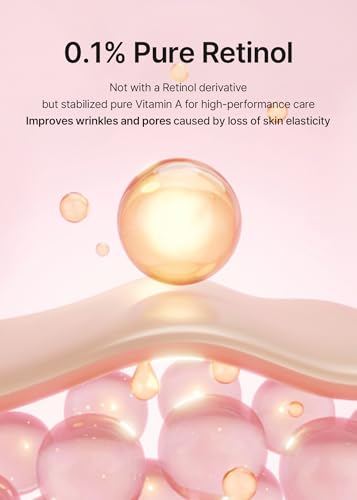
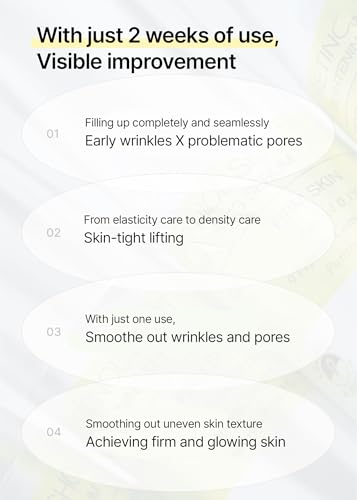
celimax The Vita A Retinol Shot Tightening Serum, 1.01 fl.oz




As an Amazon Associate we earn from qualifying purchases. Product prices and availability are accurate as of the date/time indicated.
Ready to decide? Our #1 pick for 2026 is the Retinyl Palmitate (Ester).
Live price & availability on Amazon.